 11
11 1
1 2
2 3
3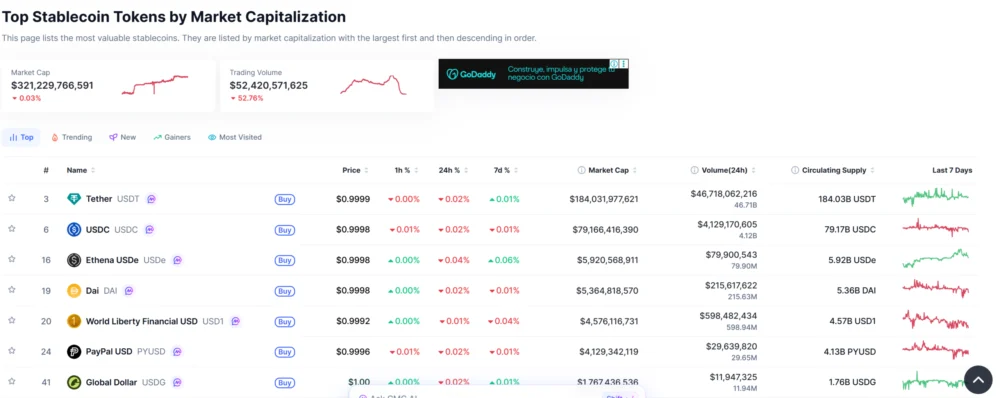
Regulatory uncertainty surrounding stablecoins could inadvertently place traditional financial institutions at a significant disadvantage compared to their cryptocurrency counterparts, according to Colin Butler, executive vice president of capital markets at Mega Matrix. This predicament stems from substantial investments banks have already made in digital asset infrastructure, which remain largely underutilized due to the ongoing legislative debates over how stablecoins should be classified.
Butler elaborated that the ambiguity surrounding stablecoin classification – whether they will be treated as deposits, securities, or a distinct payment instrument – is a major impediment. “Their general counsels are telling their boards that you cannot justify the capital expenditure until you know whether stablecoins will be treated as deposits, securities, or a distinct payment instrument,” he stated in an interview with Cointelegraph. This lack of clarity prevents financial institutions from fully deploying the digital asset infrastructure they have developed.
Several prominent banks have indeed made significant strides in building the necessary infrastructure to support stablecoins. JPMorgan, for instance, has developed its Onyx blockchain payments network, designed to facilitate wholesale digital payments. BNY Mellon has launched digital asset custody services, enabling institutional clients to safeguard their digital holdings. Citigroup has also been actively testing tokenized deposits, exploring the potential of leveraging blockchain technology for traditional banking products.
Despite these substantial investments, the inability to fully leverage this infrastructure due to regulatory ambiguity creates a bottleneck. “The infrastructure spend is real, but regulatory ambiguity caps how far those investments can scale because risk and compliance functions will not greenlight full deployment without knowing how the product will be classified,” Butler emphasized. This cautious approach by risk and compliance departments is a direct consequence of the unknown regulatory landscape.
In contrast, cryptocurrency firms, which have historically operated within regulatory gray zones, are better positioned to continue their operations. “Banks, by contrast, cannot operate comfortably in that gray area,” Butler noted. This inherent difference in operational tolerance means that crypto companies can adapt and innovate more readily in the absence of clear regulations, while banks are compelled to maintain a higher degree of certainty to ensure compliance and mitigate risks.

Adding to the pressure on traditional banks is the widening yield gap between stablecoin platforms and conventional bank accounts. Butler highlighted that cryptocurrency exchanges often offer interest rates between 4% and 5% on stablecoin balances, a stark contrast to the less than 0.5% average yield offered by U.S. savings accounts. Historical financial trends suggest that depositors are quick to move their funds when higher yields become available. The shift of funds into money market funds in the 1970s serves as a historical precedent. Today, this migration could be accelerated due to the ease and speed of transferring funds to stablecoins, which can take mere minutes, coupled with the significantly larger yield differential.
Fabian Dori, chief investment officer at Sygnum, acknowledged that the competitive gap between banks and crypto platforms is substantial but not yet critical. He expressed that a large-scale exodus of deposits from traditional banks is unlikely in the immediate future, as institutions still prioritize factors such as trust, regulatory compliance, and operational resilience.
However, Dori cautioned that this asymmetry in offerings could “accelerate migration at the margin, especially among corporates, fintech users, and globally active clients already comfortable moving liquidity across platforms.” He further posited that once stablecoins are recognized as productive digital cash rather than solely as crypto trading tools, the competitive pressure on bank deposits will become far more pronounced. This shift in perception and utility could unlock a significant competitive advantage for stablecoins.
Furthermore, Butler warned that attempts to restrict stablecoin yields could have unintended consequences, potentially driving activity into less regulated territories. Under current U.S. law, stablecoin issuers are prohibited from directly paying yield to holders. Nevertheless, exchanges have found ways to offer returns through lending programs, staking, or promotional rewards.
If lawmakers impose broader restrictions on these yield-generating mechanisms for regulated stablecoins, capital could migrate to alternative structures. Products like Ethena’s USDe, which generate yield through derivatives markets rather than traditional reserves, could become more attractive. These alternative mechanisms are designed to offer competitive returns even when regulated stablecoins face limitations.
Butler cautioned that if this trend accelerates, regulators might face the opposite of their intended outcome. Instead of increased oversight and consumer protection, more capital could flow into opaque offshore structures with fewer safeguards. “Capital doesn’t stop seeking returns,” he concluded, underscoring the persistent drive for yield in financial markets, regardless of regulatory frameworks. This suggests that restrictive policies in one jurisdiction may simply push financial activity and innovation to others with more accommodating environments, potentially creating new regulatory challenges.