 11
11
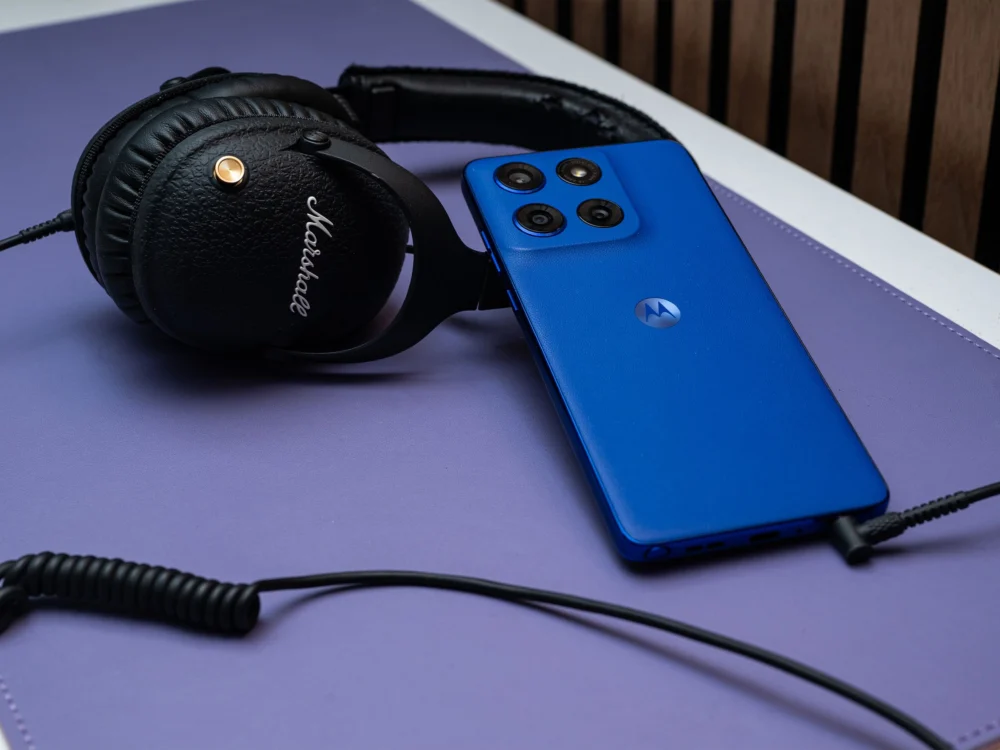
It has been nearly a decade since Apple made the controversial decision to remove the 3.5-mm headphone jack from the iPhone, a move that irrevocably altered the landscape of smartphone design and audio consumption. While the intervening years have seen the proliferation of excellent wireless earbuds, offering unparalleled convenience and increasingly sophisticated audio performance, a dedicated segment of consumers continues to lament the loss of the venerable wired connection. For these users, the simplicity, universality, and reliability of plugging in remains a compelling preference, circumventing the need to worry about charging batteries, navigating connectivity blips, dealing with dongles, or the perennial risk of misplacing individual earbuds. The 3.5-mm headphone connector, a stalwart of audio technology for decades, offered a truly universal interface, allowing users to connect any pair of corded headphones without a second thought.
The shift away from the headphone jack, ignited by Apple’s pioneering move, has been a gradual yet relentless industry trend. In 2016, with the launch of the iPhone 7, Apple famously cited space-saving reasons, suggesting that removing the port allowed for a slimmer device profile and the integration of a larger battery, alongside components like the Taptic Engine. More fundamentally, however, it was widely perceived as a strategic push to accelerate the burgeoning wireless headphone market, a segment Apple quickly came to dominate with its AirPods line. While Oppo had technically removed the port even earlier, it was Apple’s global influence that cemented the decision as an industry-wide paradigm shift.
Following Apple’s lead, other major manufacturers swiftly adopted the practice, gradually phasing out the 3.5-mm jack from their flagship devices. The "courage" Apple spoke of became a design imperative for competitors, keen to emulate perceived innovation and encourage the adoption of their own wireless accessory ecosystems. For years, the headphone jack persisted primarily on budget and midrange smartphones, offering a haven for consumers unwilling or unable to transition to wireless audio. However, even this last bastion of wired connectivity is now under threat. In a significant development for 2025, Samsung, a major player in the Android market, announced it would no longer offer the 3.5-mm port on its popular Galaxy A-series phones, signaling that the removal trend is now reaching even more accessible price points. This ongoing erosion of options suggests that the 3.5-mm port will likely disappear entirely from all smartphones within the next few years.
Despite the prevailing trend, hope is not entirely lost for those who steadfastly prefer wired audio. A few manufacturers continue to cater to this niche, offering select models that retain the beloved port. As of the February 2026 update, notable options include Motorola’s Moto G Power 2026 and the Nubia Redmagic 11 Pro. These devices stand out as rare exceptions in a market increasingly dominated by wireless-only designs, providing a lifeline for users who prioritize the traditional audio experience. As WIRED’s smartphone reviewer, meticulously evaluating a wide array of handsets from budget-friendly to high-end, these specific models are highlighted as among the best phones still featuring a headphone jack. For consumers exploring their options in the broader smartphone market, comprehensive guides such as "Best Android Phones," "Best Samsung Phones," "Best Motorola Phones," "Best Pixel Phones," "Best iPhones," and "Best Cheap Phones" offer valuable insights, though specific attention is needed to confirm the presence of a headphone jack in an increasingly wireless world.
The debate between wired and wireless audio often boils down to a fundamental question of audio quality. For many audiophiles and purists, the answer is unequivocally yes: plugging in a pair of wired headphones generally yields superior audio fidelity. This is primarily because a wired connection transmits an uncompressed audio signal, allowing for the transfer of more detail and a higher-fidelity sound experience. Unlike Bluetooth, which inherently involves compression and potential data loss to transmit audio wirelessly, a direct cable connection ensures that the audio signal reaches the headphones with minimal degradation. Furthermore, wired connections boast little to no latency, meaning there is virtually no delay between the sound generated by the phone and the audio played through the headphones. This absence of lag is particularly crucial for applications like gaming, watching videos, or critical music listening, where synchronization is paramount. Beyond fidelity, wired headphones offer the undeniable benefit of zero connectivity issues—no pairing woes, no unexpected disconnections—and, crucially, no battery life concerns. Many wired earbuds also incorporate physical buttons for music playback controls, which are often preferred over the sometimes finicky or imprecise touch controls found on many wireless counterparts.

However, it is equally important to acknowledge the significant advancements in wireless audio technology. Modern Bluetooth codecs, such as aptX, LDAC, and LHDC, have dramatically improved in recent years, offering much higher bandwidth and better compression algorithms than those available even five years ago. For the vast majority of listeners, the difference in audio quality between a high-quality wireless setup and a wired one is often negligible, or at least not significant enough to outweigh the convenience of wireless freedom. Bluetooth is undeniably preferable in scenarios demanding mobility, such as during workouts, commutes, or when simply moving around a space without being tethered to a device. The convenience of untangled cables and unrestricted movement has become a powerful draw for mainstream consumers.
For those whose preferred smartphone has already shed the 3.5-mm port, there are still viable workarounds to utilize wired headphones. The most common solution is a USB-C headphone dongle. These compact adapters plug into the smartphone’s USB-C charging port and provide a standard 3.5-mm jack. For instance, the Apple USB-C to 3.5-mm Adapter, priced around $9, is a highly recommended and versatile option. Crucially, this adapter is not exclusive to Apple devices; it works seamlessly with any smartphone featuring a USB-C port, encompassing most modern Android phones and the latest iPhone 15 and newer models. Given their small size and ease of misplacement, it is often advisable to purchase a few of these dongles. For users with older iPhones (iPhone 14 and earlier) that still feature the Lightning port, Apple has officially discontinued its Lightning-to-3.5mm adapter, necessitating the use of third-party dongles. While these alternatives exist, users should exercise caution and check reviews to ensure quality and compatibility.
Another practical alternative is the use of USB-C earbuds. These are essentially standard wired earbuds, but instead of terminating in a 3.5-mm connector, they feature a USB-C plug designed to connect directly to the phone’s charging port. Google’s USB-C Earbuds, available for approximately $35, serve as an excellent example. These provide a decent sound experience and offer the simplicity of a direct wired connection without the need for an additional dongle. As with any accessory, prospective buyers should consult reviews to identify reputable and high-performing USB-C headphone options.
The ongoing narrative of the headphone jack’s decline also includes the recent, unfortunate news regarding Asus. For a time, Asus was a rare champion of the headphone jack in the flagship smartphone segment, notably with its Zenfone and ROG Phone series. These devices were celebrated by enthusiasts who valued high-performance hardware alongside traditional connectivity. However, earlier this year, Asus confirmed its complete exit from the mobile business, effectively discontinuing these product lines. While the company has pledged to continue supporting existing phones as promised, there will be no new device launches for 2026. Although Asus has described this pause as "temporary," the move is a significant blow to the dwindling options for wired audio enthusiasts and further underscores the industry’s irreversible shift.
In conclusion, the 3.5-mm headphone jack stands as a symbol of a bygone era in smartphone design. What began as a controversial decision by Apple nearly a decade ago has evolved into a widespread industry standard, driven by a combination of design aspirations, technological advancements in wireless audio, and commercial imperatives. While excellent wireless earbuds now offer compelling convenience and quality, the universal, uncompressed, and reliable experience of a wired connection continues to hold immense value for many. With major manufacturers like Samsung now removing the port from even midrange offerings, the complete disappearance of the 3.5-mm jack from all smartphones appears to be an inevitable outcome within the next few years. For those who refuse to cut the cord, current niche models like the Motorola Moto G Power 2026 and Nubia Redmagic 11 Pro, alongside the continued utility of USB-C dongles and USB-C earbuds, offer temporary reprieves in a rapidly evolving technological landscape.