 11
11 1
1 2
2 3
3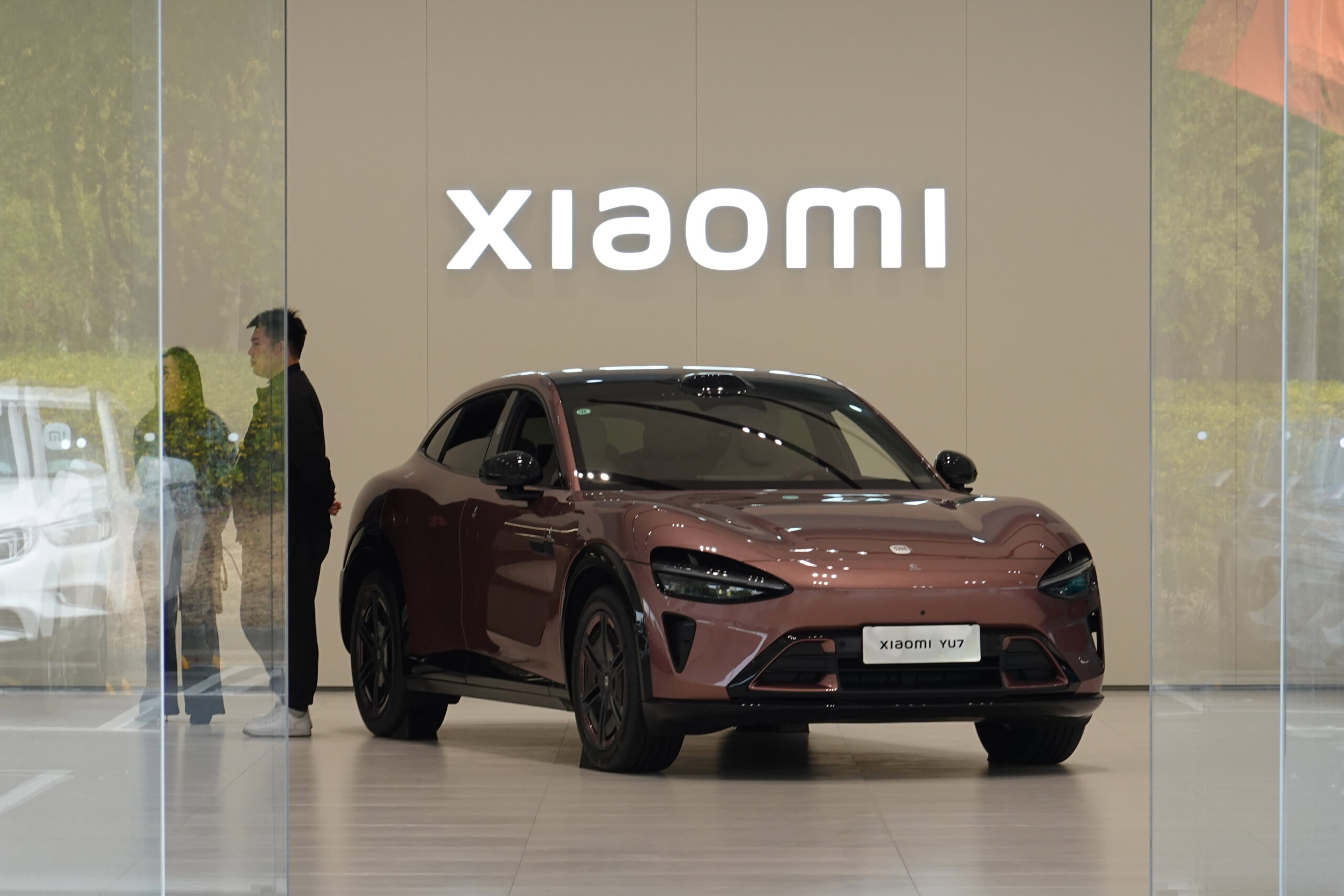
BEIJING – Chinese smartphone giant Xiaomi has achieved a significant milestone in the fiercely competitive electric vehicle market, surpassing Tesla in China for January sales with its YU7 SUV. The YU7, launched approximately six months ago in the summer of 2025, sold an impressive 37,869 units, more than double the 16,845 Tesla Model Y vehicles sold during the same period, according to data released by the China Passenger Car Association.
This surge in sales marks a notable shift in China’s automotive landscape. The Tesla Model Y, which had held the top spot in December, saw its ranking plummet to 20th place in January. Its position also weakened significantly within the new energy vehicle segment, falling from first to seventh. These figures encompass both electric and gasoline-powered vehicles and were published by the online car sales platform Autohome.

Xiaomi has been explicit about its ambitions to challenge Tesla’s dominance. The YU7 was introduced with a starting price that was 10,000 yuan (approximately $1,450) lower than the Model Y in China. Furthermore, Xiaomi claimed that the YU7 outperformed the Model Y in key performance metrics, including driving range on a single battery charge.
Analysts had previously anticipated that the YU7 would capture market share from the Model Y, Tesla’s best-selling model in China. In December, the Model Y led monthly sales, ahead of BYD’s budget-friendly Qin Plus car, with the Xiaomi YU7 ranking third. However, monthly sales figures can be subject to fluctuation. While the YU7 did outsell the Model Y in October, it did not secure the top position that month, underscoring Tesla’s historically consistent sales strength.
Looking at the broader picture for the full year 2025, Tesla ranked fifth in China’s sales when excluding gasoline-powered cars, while Xiaomi secured tenth place. Overall, BYD emerged as the leading automaker in China for 2025, selling over 3 million vehicles, followed by Geely with 2.6 million units, according to China Passenger Car Association data.

The YU7’s robust January performance occurred amidst an overall slowdown in China’s electric car market in recent months. This trend has been observed in the market throughout late 2025 and early 2026, with some reports indicating a near two-year low in sales for major players like BYD.
Xiaomi’s electric vehicle journey has not been without its challenges. The company’s earlier SU7 sedan has faced scrutiny following fatal accidents linked to its driver-assist features and electrically powered door handles. In response to these incidents, Beijing has implemented regulations banning hidden door handles, and automakers have begun incorporating external lights to indicate when driver-assist systems are active.
Looking ahead, Xiaomi, like many other Chinese electric car manufacturers, has outlined ambitious plans for international expansion. The company intends to enter the European market next year, aiming to establish showrooms and potentially manufacturing capabilities. This global push signifies Xiaomi’s broader strategy to become a significant player on the world stage of electric mobility, leveraging its established brand recognition from the smartphone sector to build a presence in the automotive industry. The success of the YU7 in its home market provides a strong foundation for these international aspirations.