 11
11 1
1 2
2 3
3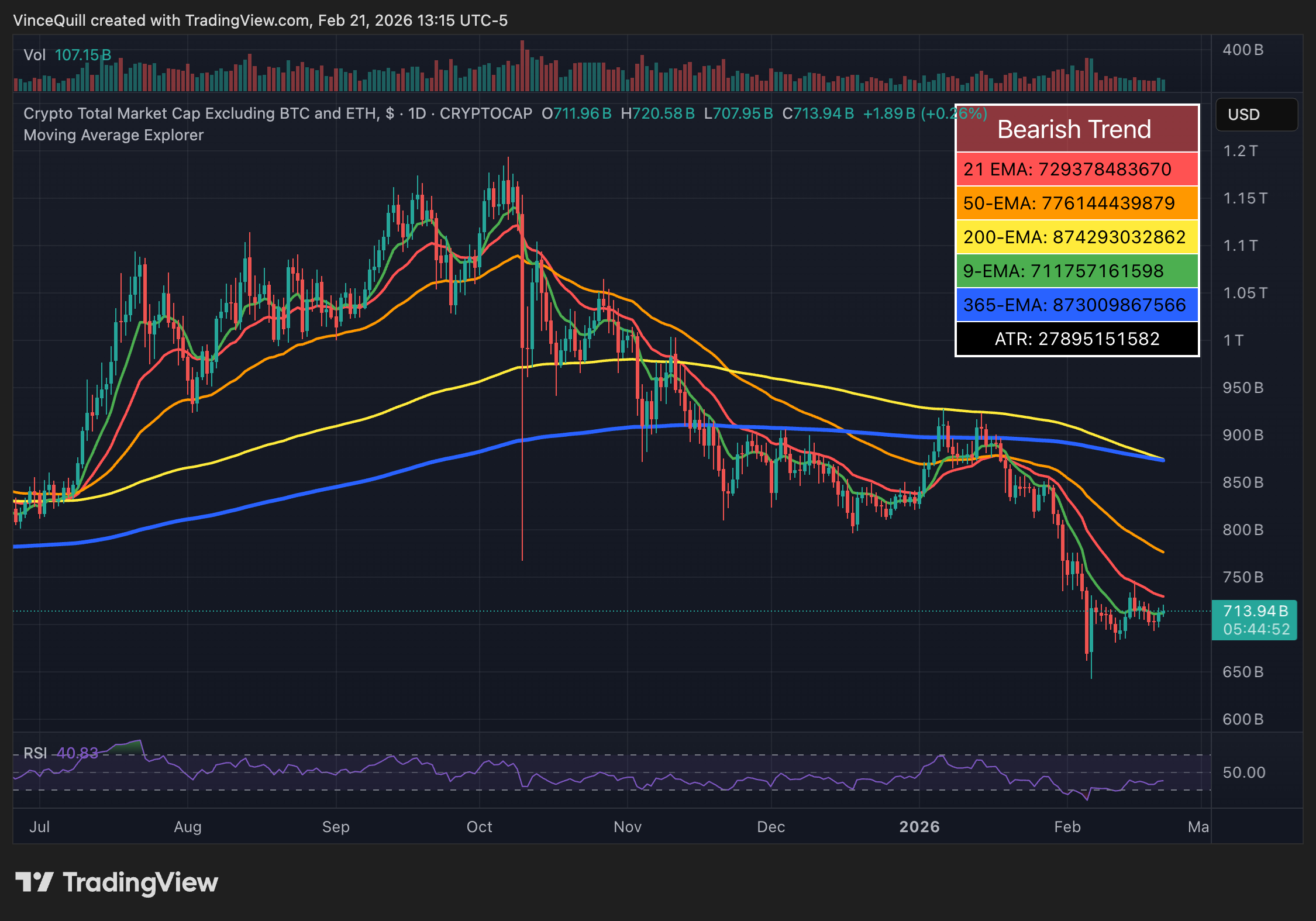
Recent tariff actions by former US President Donald Trump, including a newly announced 10% global tariff, have ignited a firestorm of criticism from across the political spectrum, think tanks, and legal experts. The measures have been characterized as an economic burden on American families and businesses, a move that could further destabilize global trade relations, and a legally questionable overreach of executive authority.
US Senator Rand Paul was among the first to voice strong opposition, taking to social media platform X (formerly Twitter) to condemn the tariffs. He stated, "The Trump tariffs are a tax increase on ‘working families and small businesses,’ characterizing them as a net negative on the economy." Senator Paul’s remarks highlight a central concern: that these tariffs, rather than serving a strategic purpose, are effectively a domestic tax that will disproportionately affect ordinary Americans and smaller enterprises.
Echoing this sentiment, US Congressperson Ro Khanna also expressed his dismay via X. "Those tariffs weren’t about security – they were a tax on families and small businesses to bankroll a reckless trade war," Khanna declared. His statement directly challenges the stated justifications often provided for such trade measures, suggesting a hidden agenda focused on funding broader trade disputes rather than national security objectives. The accompanying image shared by Khanna visually reinforced his point, depicting the impact of tariffs on the average citizen.
The timing of these new tariff announcements is particularly significant given a recent ruling by the US Supreme Court (SCOTUS). On Friday, SCOTUS delivered a blow to Trump’s tariff authority by striking down his power to levy tariffs under the International Emergency Economic Powers Act (IEEPA). This landmark decision curtailed a key tool previously used by the Trump administration to impose trade restrictions. However, in a swift response to the SCOTUS ruling, Trump announced his intention to impose new 10% global tariffs, signaling his continued commitment to using trade policy as a primary economic and political instrument.
The legal ramifications and economic consequences of these new tariffs were further scrutinized by experts. Scott Lincicome, Vice President of Cato Institute’s Herbert A. Stiefel Center for Trade Policy Studies, a prominent Washington D.C.-based think tank, offered a critical assessment. In comments shared with Cointelegraph, Lincicome stated, "Even without IEEPA, other US laws and the Trump administration’s repeated promises all but ensure that much higher tariffs will remain the norm, damaging the economy and foreign relations in the process." His analysis suggests that even if the immediate legal avenues are challenged, the underlying intent and established policy direction point towards a sustained period of protectionist trade measures, with potentially detrimental effects on both the domestic economy and America’s standing on the global stage.

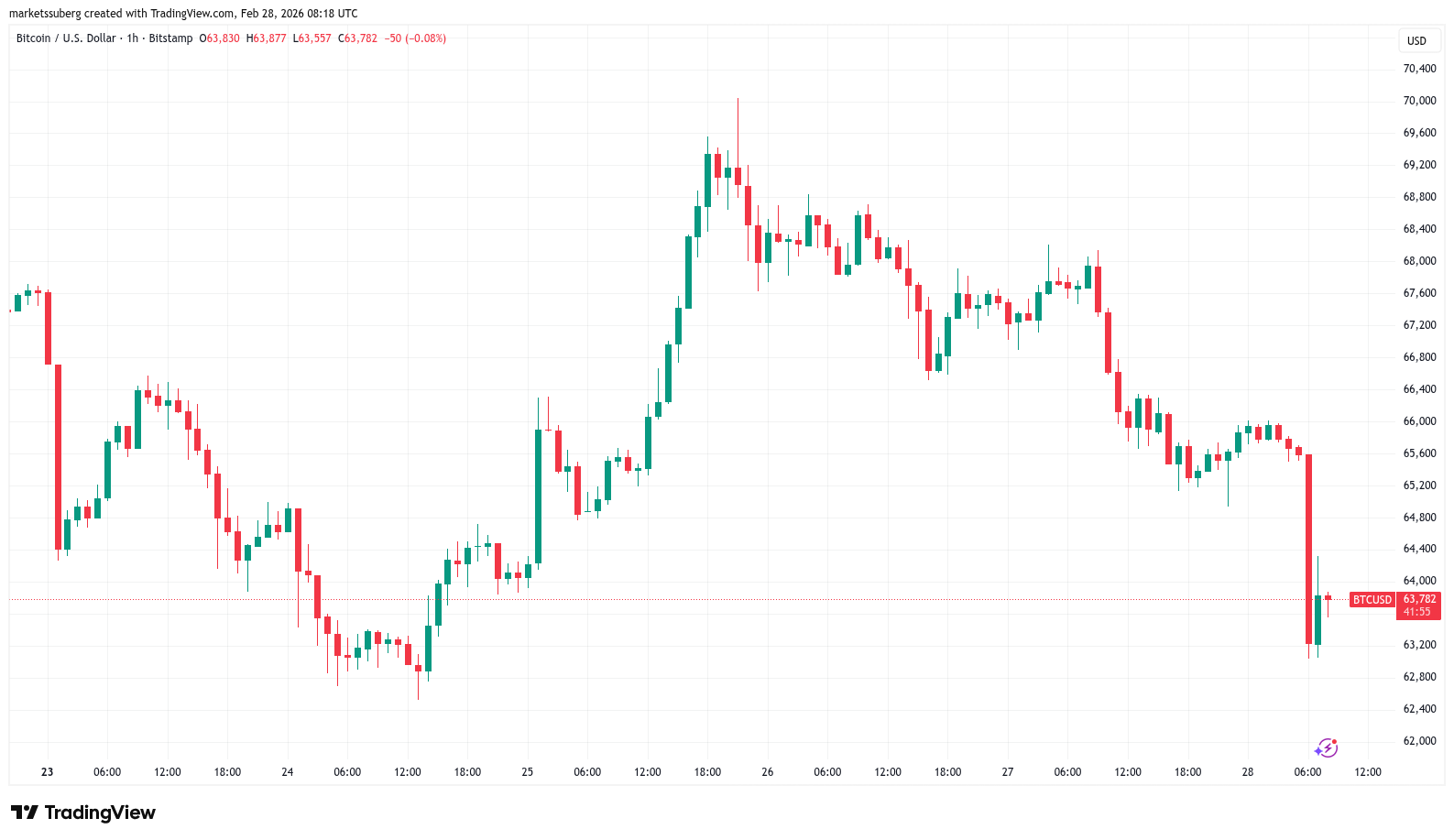
Historically, Trump’s tariffs have had a noticeable negative impact on cryptocurrency markets and other "risk-on" assets, which tend to be sensitive to shifts in global economic sentiment and trade policy. However, in a surprising turn of events, crypto prices exhibited relative stability following the most recent round of tariff announcements. Bitcoin (BTC), the flagship cryptocurrency, even saw a modest price increase of approximately 3% in the immediate aftermath of the news. This divergence from past trends suggests a potential decoupling of crypto markets from traditional trade policy impacts, or perhaps a market that has already priced in such developments. The accompanying chart from TradingView, illustrating the Total3 indicator (which tracks the market capitalization of the entire crypto market excluding Bitcoin and Ether), shows minimal movement, further underscoring the muted reaction from the broader crypto space.
Despite the broader economic concerns and legal challenges, Trump remained resolute in his announcement of the new tariffs. "Effective immediately, all national security tariffs, Section 232, and existing Section 301 tariffs, remain in place, and in full force and effect. Today, I will sign an order to impose a 10% global tariff," Trump declared on Friday, as reported by The White House. He further elaborated that this new 10% global tariff would be applied in addition to existing tariff rates, suggesting a potential layering of trade restrictions that could significantly increase costs for importers and consumers.
However, the legal underpinnings of Trump’s latest tariff move have been questioned by pro-crypto attorney Adam Cochran. In a series of statements on X, Cochran highlighted the limited scope of the legal statutes Trump is reportedly invoking. "The law he is using only allows this to be on countries we have a deficit with, for a set period of 150 days, and at a capped percent," he explained. This assertion suggests that the new global tariff may face significant legal hurdles and limitations, potentially rendering it temporary or restricted in its application, thereby limiting its long-term economic impact and raising questions about its enforceability.

The ongoing debate surrounding these tariffs underscores the complex interplay between trade policy, economic stability, and legal authority in the United States. While proponents may argue for the necessity of such measures in protecting domestic industries or addressing trade imbalances, critics highlight the potential for economic harm, strained international relations, and the erosion of established legal frameworks. The response from various stakeholders, from elected officials to legal scholars and market observers, indicates a deep division and significant concern over the direction of US trade policy under these new tariff initiatives.