 11
11 1
1 2
2 3
3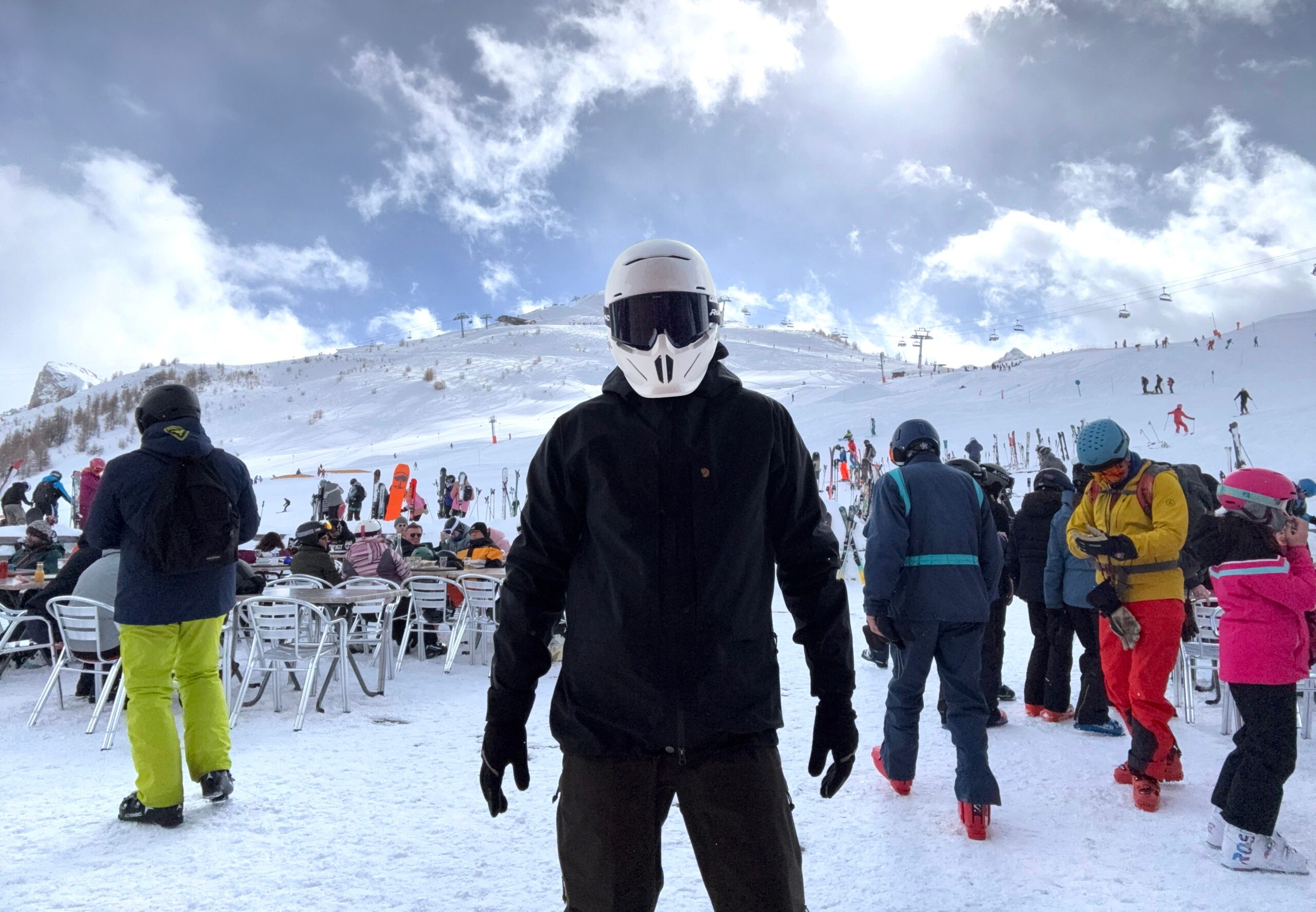
The Ruroc RG2, touted as the world’s only full-face snowsports helmet, has garnered attention for its advanced safety features and distinctive design. However, a recent review highlighted an unexpected drawback: its unique aesthetic proved to be a significant social impediment for the wearer, turning what promised to be a cutting-edge piece of gear into a source of isolation on the ski slopes. The reviewer’s experience, detailed during a ski trip, revealed how a design intended for protection against the elements inadvertently created a barrier to human interaction, leading to a critical re-evaluation of its practical utility in a social recreational setting.
The genesis of this social friction was encapsulated in a blunt remark from a long-time skiing companion, Stuart, who stated, "I don’t like talking to you wearing that. It’s intimidating." This comment, delivered without jest by an otherwise affable individual with whom the reviewer had shared numerous ski excursions, underscored a deeper, unforeseen issue. Despite being on good terms, Stuart’s discomfort was palpable, and by the end of the week, the reviewer shared his sentiment, growing to dislike the very headgear he had initially believed to be an ideal upgrade.

The helmet in question is the Ruroc RG2, an evolution of the brand’s earlier RG1 model, priced at a premium starting from $379, positioning it above many of its competitors in the high-performance ski helmet market. Its full-face configuration, which completely covers the wearer’s face from the nose down, differentiates it starkly from conventional ski helmets. While initially perceived as an advantage, particularly for protection against harsh weather, this design element quickly became the root of the problem.
On paper, the RG2 boasts an impressive array of features, a testament to its ISPO Award-winning design. Safety is paramount, with a built-in Twiceme NFC chip that allows first responders to access critical medical information quickly in emergencies. The helmet’s interior is lined with Rheon, a cutting-edge, energy-absorbing polymer. Originally developed from a NASA project investigating space shuttle foam replacements, Rheon is flexible in its natural state but instantly stiffens upon impact, offering superior protection for the wearer’s head.
Beyond core safety, the RG2 offers enhanced connectivity options. An optional JBL-powered Cardo Communication System can be integrated, enabling users to stream music, manage phone calls, connect with GoPro cameras, and even communicate with up to 15 other Ruroc users via a mesh network. This suite of features positions the RG2 as a technologically advanced piece of equipment designed for the modern snowsports enthusiast.

A significant improvement in the RG2 over its predecessor, the RG1, lies in the attachment mechanism for the lower face plate. The RG1 utilized plastic clips that were notoriously difficult to secure, often requiring multiple attempts and a lack of readily available mirrors on the slopes or in mountain restaurants, thereby undermining any perceived "cool factor." Ruroc addressed this through "15 years of direct feedback," implementing a new Magnetic Mask System. This innovation promised easier attachment and removal of the chin piece, even while wearing gloves. However, the reviewer found that while improved, the magnetic system was not entirely foolproof, often requiring two or three attempts to lock the chin piece securely into place. The primary issue, it seemed, was never removing the chin piece, but rather the initial, often fumbling, act of attaching it.
The aesthetic impact of the RG2’s full-face design proved to be its most contentious aspect. While Ruroc’s website showcases the helmet’s distinctiveness, available in sleek "Core" black or "Ghost" white, and even bolder chrome or Batman-themed editions, the real-world reception was markedly different. The reviewer described his initial appearance in the helmet as a "Stormtrooper-esque guise," eliciting initial "shocked laughter" from his group. This amusement, however, soon gave way to a pervasive sense of unease.
Over several days, the reviewer noticed a significant reduction in interaction from both his ski group and the wider ski community. Skiing, by its very nature, is a highly social activity, punctuated by frequent stops for conversation, planning, or shared laughter at minor mishaps. These moments of human connection are integral to the enjoyment of time on the piste. Yet, with the Ruroc RG2’s full-face mask on, these interactions ceased almost entirely.

The underlying reason, as the reviewer eventually deduced and Stuart confirmed, was the complete obscuring of his face. Numerous psychological studies have demonstrated the critical role of facial expressions—smiles, frowns, sneers, smirks—and lip movements in non-verbal communication and emotional understanding. While blackout goggles are common on the mountain, obscuring the eyes, the RG2 went a step further, rendering the wearer’s entire face invisible. This effectively transformed the wearer into a "droid, devoid of any emotion," creating a profound emotional distance and a social barrier. Conversations that once flowed freely within his group now largely bypassed him, leading to a palpable sense of social shunning.
This pariah status extended beyond his immediate circle, affecting interactions in mountain restaurants and bars where skiers and boarders typically gather. The broader ski community seemed disinclined even to make eye contact, let alone engage in conversation, with the anonymous figure presented by the full-face Ruroc helmet. The solution, once identified, was simple and immediate: the reviewer ditched the magnetic chin piece. The impact was instantaneous. Without the full-face mask, he was "one of them again," with friends and strangers alike treating him differently. For the remainder of the trip, the face plate remained magnetically attached to a radiator in his hotel room, a testament to its social impracticality.
Beyond the social ramifications, the Ruroc RG2 presented several other practical shortcomings. The ventilation system, rather than offering controlled airflow, felt more like an "open window," allowing icy wind to whistle through the helmet with uncomfortable ease. Durability also emerged as a concern, with the rubber pads on the removable magnetic peak beginning to disintegrate after only a couple of days of use. Furthermore, the helmet’s unique design necessitates the use of Ruroc’s proprietary goggles, yet only a single lens is included. Acquiring an additional low-light option, such as a yellow lens, incurred an extra cost of $100, adding to the helmet’s already premium price point.

Adding to the complexities surrounding the RG2 is the precarious financial situation of its manufacturer. Towards the end of last year, Ruroc entered administration, a form of insolvency. The company was swiftly acquired by Tytan PG, an entity that had been established only a week prior and is wholly owned by Ruroc Global Holdings. While these maneuvers have ensured the continued, albeit fragile, existence of the company, it casts a shadow of uncertainty over its future operations and customer support.
Perhaps the most memorable, and viscerally unpleasant, drawback of the Ruroc RG2’s full-face design was revealed during a mundane biological event. The reviewer recounted the "full horrors" of sneezing while wearing the helmet halfway down a black run, a "mucilaginous tale" he left to the reader’s imagination, but one that vividly underscores the practical hygiene challenges of a completely enclosed face mask in active use.
In conclusion, while the Ruroc RG2 champions innovation in safety and connectivity with features like the Twiceme NFC chip, Rheon protection, and an optional JBL/Cardo communication system, its full-face design, intended to offer superior protection from the elements, inadvertently creates a significant social barrier. The helmet’s aesthetic, while distinctive, proved to be "intimidating" and emotionally distancing, hindering spontaneous interactions crucial to the enjoyment of snowsports. Coupled with practical issues such as inadequate ventilation, questionable durability, additional costs for essential accessories, and the company’s recent financial instability, the RG2 presents a complex proposition for potential buyers. For many, the unforeseen social friction and practical drawbacks may outweigh its technological advancements and blizzard-beating capabilities.