 11
11 1
1 2
2 3
3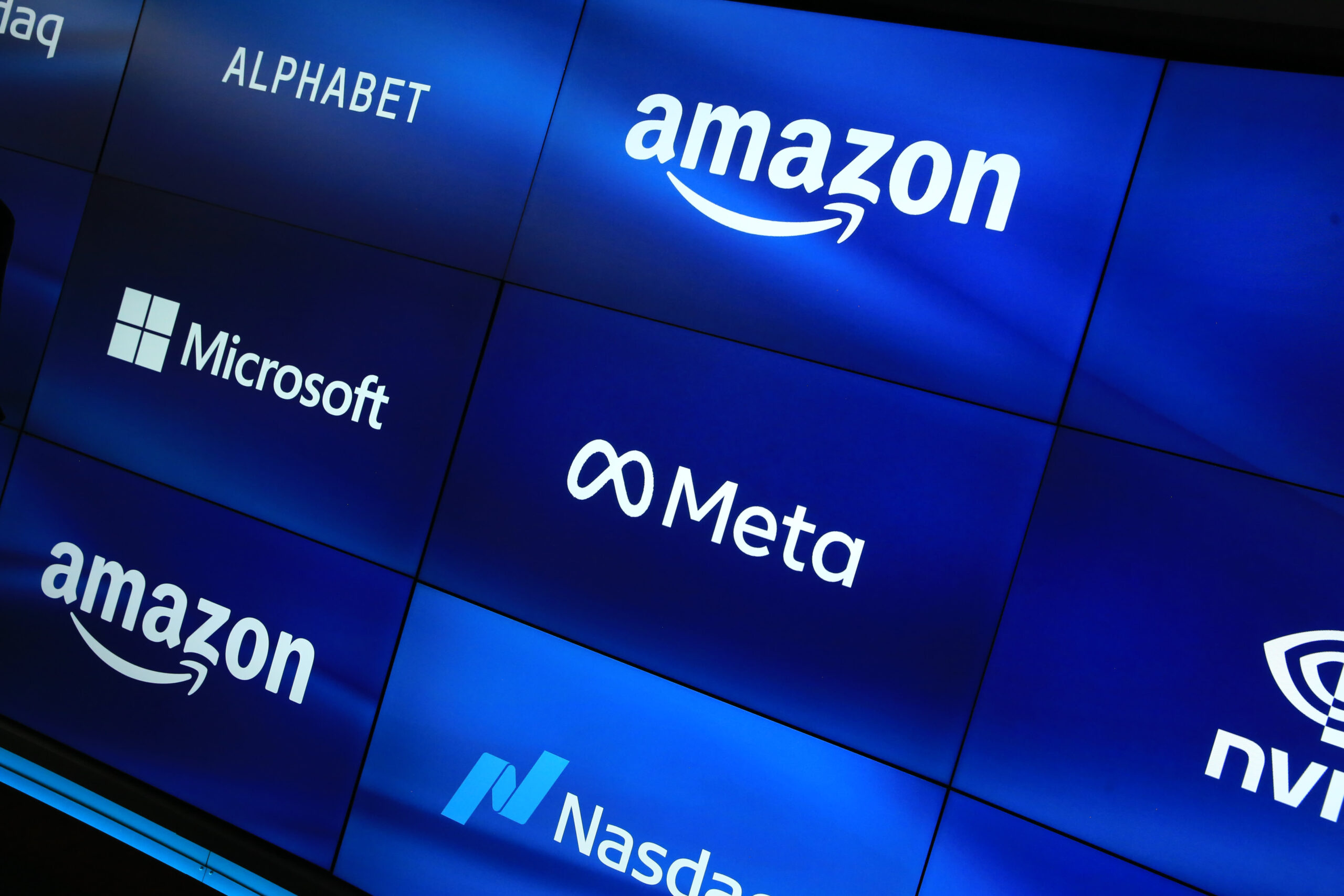
Magnificent 7 tech stocks are currently dominating headlines, but the real action in tech capital markets isn’t in equities; it’s in debt. While the prospect of initial public offerings (IPOs) from companies like SpaceX, OpenAI, and Anthropic has generated excitement on Wall Street, the immediate focus is on the substantial borrowing by established tech giants to fund their ambitious artificial intelligence (AI) buildouts.
The four leading hyperscalers – Alphabet, Amazon, Meta, and Microsoft – are collectively expected to invest nearly $700 billion this year on capital expenditures and finance leases to expand their AI infrastructure. This colossal spending is driven by what they describe as unprecedented demand for computing resources. To finance these massive investments, these tech titans are not only drawing upon their accumulated cash reserves but are also actively seeking to raise significant amounts of debt. This trend is fueling concerns about a potential AI bubble and the broader market implications should cash-burning startups like OpenAI and Anthropic falter, leading to a pullback in their infrastructure spending.
Industry analysts are projecting a dramatic increase in tech and AI-related debt issuance. UBS estimates that after more than doubling to $710 billion last year, global tech and AI debt issuance could surge to $990 billion in 2026. Morgan Stanley anticipates a $1.5 trillion financing gap for the AI buildout, a significant portion of which is expected to be filled by corporate debt as companies find it increasingly difficult to self-fund their capital expenditures.

Chris White, CEO of data and research firm BondCliQ, described the corporate debt market’s recent growth as "monumental," leading to a "massive supply now in the debt markets." The largest corporate debt sales this year have been spearheaded by Oracle and Alphabet. In early February, Oracle announced its intention to raise $45 billion to $50 billion this year to bolster its AI capacity, quickly securing $25 billion in high-grade debt. Alphabet followed suit this week, increasing its bond offering to over $30 billion, following a $25 billion debt sale in November.
Other major tech players are signaling their intent to tap into the debt markets. Amazon recently filed a mixed shelf registration, indicating its potential to raise a combination of debt and equity. During Meta’s latest earnings call, CFO Susan Li stated the company would seek opportunities to supplement its cash flow with "prudent amounts of cost-efficient external financing, which may lead us to eventually maintain a positive net debt balance." Tesla’s CFO Vaibhav Taneja also indicated that the electric vehicle maker might explore outside funding, "whether it’s through more debt or other means," as it expands its infrastructure.
While Wall Street firms are busy facilitating these large debt issuances, the IPO market for notable U.S. tech companies remains quiet. The attention is largely focused on Elon Musk’s plans for SpaceX following its recent merger with AI startup xAI, forming a company valued at $1.25 trillion. Reports suggest SpaceX is targeting a mid-2026 IPO, though some analysts, like Ross Gerber, CEO of Gerber Kawasaki, speculate Musk might merge it with Tesla instead. For OpenAI and Anthropic, both highly valued AI labs, while public debuts have been discussed, no concrete timelines have been set. Goldman Sachs analysts, however, project 120 IPOs this year, raising $160 billion, a significant increase from the 61 deals in the previous year.
Despite the anticipation of a potential IPO resurgence, Lise Buyer, who advises pre-IPO companies at Class V Group, observes a subdued activity level in the tech sector. She cites market volatility, particularly concerning software and its AI-related vulnerabilities, geopolitical tensions, and soft employment figures as factors keeping venture-backed startups on the sidelines. "It’s not that appetizing out there right now," Buyer commented, adding that while conditions have improved over the last three years, an overabundance of IPOs is unlikely this year. This lack of exit opportunities is a concern for venture capitalists who rely on a healthy IPO market to satisfy their limited partners and secure future funding.

Alphabet’s recent debt sale demonstrated the debt market’s strong receptiveness to its fundraising efforts, with bonds offering varying maturity dates and yields only slightly higher than comparable Treasury bonds, suggesting investors are not demanding substantial risk premiums. John Lloyd, global head of multi-sector credit at Janus Henderson Investors, noted that spreads are historically tight across the investment-grade landscape, making it a challenging investment environment. While not concerned about company fundamentals or ratings downgrades, Lloyd expressed a preference for higher-yield debt from emerging players.
The significant influx of debt from a concentrated group of large tech companies raises concerns about concentration risk within corporate bond indexes, mirroring issues seen in equity benchmarks like the S&P 500, where tech now represents a substantial portion of its value. Lloyd anticipates tech’s share in investment-grade corporate debt indexes to grow from its current 9% to the mid-to-high teens. Dave Harrison Smith, chief investment officer at Bailard, views this concentration as both an "opportunity and a risk," acknowledging the profitability of these companies but also highlighting the "eye-popping" capital requirements for their AI investments.
Another concern for the debt market is the potential for increased borrowing costs for other companies. White of BondCliQ suggests that the massive supply of debt from top tech firms will lead investors to demand higher yields from other issuers. This increased supply drives down bond prices, consequently raising yields. While Alphabet’s sale was reportedly oversubscribed, White warned that "if you supply this much paper into the marketplace, eventually demand is going to wane." This translates to a higher cost of capital for borrowers, impacting their profits. Companies that need to refinance debt in the coming years, when interest rates for corporate bonds are likely to be higher, will face significantly increased debt servicing costs, impacting sectors like automakers and banks.
This surge in debt issuance by tech giants underscores a critical phase in the AI revolution, where massive capital investment is driving innovation but also introducing new dynamics and potential risks into the financial markets. The interplay between the booming debt market and the still-developing IPO landscape will be closely watched in the coming years.