 11
11 1
1 2
2 3
3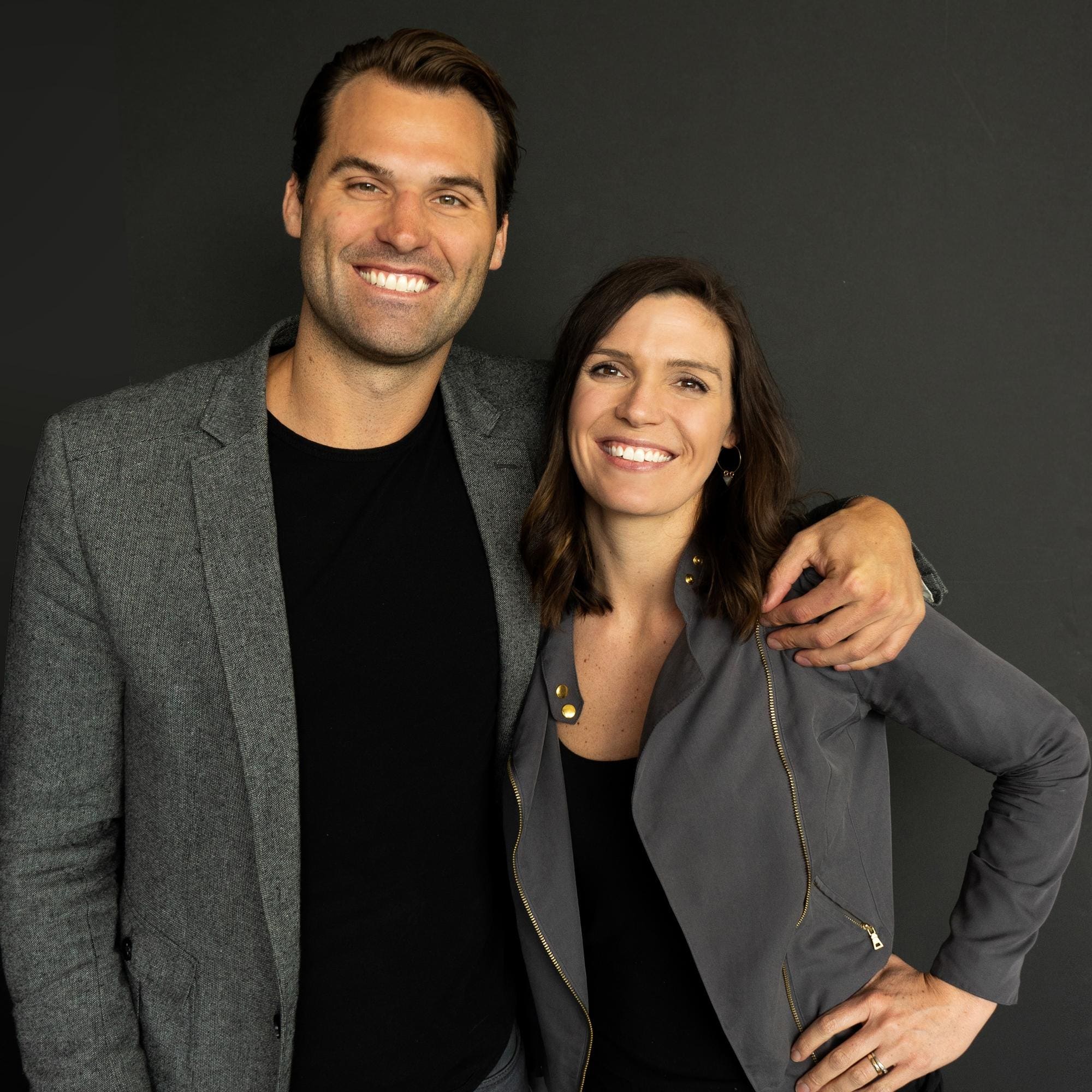
As a new era of health-conscious consumers, often dubbed the "Ozempic Generation," increasingly scrutinizes nutritional intake, particularly protein, one Minneapolis-based manufacturer has quietly ascended to become a significant AgTech powerhouse. Puris Proteins, specializing in pea and soy protein powders, is now strategically positioned to meet this burgeoning demand, supplying ingredients for the protein-packed cereals, pastas, and sports drinks that line supermarket shelves.
"What GLP1-users all want is to get more protein in their diet," explains Tyler Lorenzen, CEO of Puris Proteins, referring to individuals utilizing popular weight-loss medications. "It needs to taste great and be more nutritious. That’s really why Puris is growing faster than our peers. People love what they eat, and then great taste is the on-ramp to healthy habits—and the flywheel for longevity begins."
This moment of accelerated growth has been 40 years in the making for the family-owned Puris. What began in 1985 with founder Jerry Lorenzen breeding soybeans at night in a family basement has organically evolved into America’s largest pea protein manufacturer, a testament to decades of unwavering commitment and foresight. Tyler Lorenzen, 40, reflects on the journey: "You invest a lifetime on an idea, and when the idea starts to work, then it gets exciting. And then how do I do more?"
With an estimated annual revenue of $200 million, Puris has carved out a unique niche by filling a critical void in the agricultural and food industries. The company operates a dual business model: a robust seed breeding division and an advanced ingredient-processing arm. Its seed business supplies high-quality soy, corn, and pea seeds to hundreds of farmers across 20 states, collectively yielding approximately 3 million bushels annually. Complementing this, the ingredient-processing division transforms these raw materials into sought-after pea protein and other ingredients, supplying over 200 major food brands. This impressive client roster spans from America’s largest private company, Cargill, to innovative startups like Ritual. The intricate supply chain management is overseen by Tyler’s older sister, Nicole Atchison, 42, CEO of Puris Holdings, who works directly with farmers to ensure sufficient acreage is cultivated. Meanwhile, Tyler Lorenzen spearheads the marketing and distribution of the processed protein to buyers, ensuring it reaches diverse food product manufacturers.
The surge in demand for Puris’s protein ingredients is directly linked to shifting consumer preferences, particularly among the estimated 12% of American adults—roughly 31 million people—who are currently taking weight-loss drugs. These consumers, along with a broader health-conscious demographic, are actively seeking higher protein content in their everyday foods. Data from Chicago-based Spins corroborates this trend, showing that products made with pea protein are experiencing an annual growth rate of 15%, approximately five times faster than the average for legacy food brands. This rapidly expanding market underscores Puris’s strategic importance in the evolving food landscape.
A pivotal development in Puris’s expansion came in 2018 through a joint venture with Cargill. This partnership facilitated a significant investment of over $100 million to convert a former dairy plant in Dawson, Minnesota, into a sprawling 200,000-square-foot manufacturing facility. Despite this substantial investment and external partnerships, the Lorenzen family retains majority ownership, preserving their foundational vision. According to Pitchbook, Puris has successfully raised over $250 million in total funding, encompassing minority equity investments and debt financing, indicating strong investor confidence in its growth trajectory. Forbes estimates Puris’s valuation at a minimum of $400 million, with the Lorenzen family’s stake accounting for approximately half of that.
Nicole Atchison articulates the company’s overarching mission as "building regional independence, what our dad called ‘protein independence.’" She adds, "We are playing what we call the infinite game. We’re builders. We’re doers. We can’t even help ourselves." This philosophy underscores a long-term commitment to self-sufficiency and sustainable growth within the American agricultural system.
The origins of Puris trace back to Jerry Lorenzen’s formative years. In the late 1970s, during a summer job in high school at Pioneer—the Iowa-based seed breeder now owned by the publicly traded Corteva—Jerry developed an unwavering passion for plant breeding. He pursued this interest as a hobbyist until 1985, when he decided to commercialize his own breeds. With just $250 in the family bank account and two young children, Jerry embarked on his entrepreneurial journey. He dedicated his days to selling animal feed and his nights and weekends to breeding soybeans, often working late into the night in his garage. His astute observation led him to focus on soybeans, recognizing the intense competition in corn seeds. From the outset, Jerry meticulously selected for high yields and elevated protein concentrations in his soybean varieties. His first significant investment, a modest $50 computer purchased at KMart, was used to write code for his breeding programs, demonstrating an early embrace of technology to optimize traditional methods.
The initial years of Puris were arduous. Traditional plant breeding, which eschews bioengineering, typically requires seven to ten years before yielding commercial returns. Jerry’s persistence was met with skepticism; his "amateur strains" were often mocked, particularly during the "golden age" of Monsanto, when genetically modified breeding dominated the industry. At that time, most seed breeders focused on developing crops primarily for ethanol production, industrial ingredients, or animal feeds. Few were dedicated to creating seeds specifically for human consumption, let alone prioritizing flavor.
"Getting higher quality products out into the market, people can start associating that as something that tastes good, not something they’re sacrificing for," emphasizes Puris CEO Tyler Lorenzen. "And the market is hungry for more."
Despite external pressures and even family interventions, Jerry Lorenzen steadfastly refused to commingle his traditional breeds with bioengineered varieties. "Our dad taught us long time ago, if you don’t control your genes, you may lose your pants," Tyler Lorenzen quips, highlighting the deep-seated principle of genetic independence that has defined Puris. This commitment to non-GMO practices was profoundly enabled by the company’s early bootstrapping. Had Jerry not self-funded the operation in its nascent stages, Puris likely would not have maintained its completely non-GMO status. Furthermore, this independent spirit allowed Puris to acquire and revitalize numerous abandoned plants across the Midwest—a region that had seen manufacturing jobs shift overseas—thereby establishing a 100% domestically manufactured supply chain today.
Puris’s growth was further bolstered by strategic investments. In 2012, the company secured $4 million from Barbados-based Portland Private Equity, according to Pitchbook, but maintained its scrappy, resourceful approach. A significant turning point arrived in 2015 when Vega, a protein powder brand supplied by Puris, was acquired by WhiteWave Foods for $550 million. Charles Chang, Vega’s founder, subsequently established a private equity firm and reinvested a portion of his proceeds back into Puris. Chang remarked, "I had a non-compete to do anything that would obviously hurt Vega, so why not invest in the company that actually sold to Vega instead? They’ve built Puris at incredible cost and amid huge hurdles. They basically created a skunkworks with limited financing."
This funding proved crucial as the seed industry underwent massive consolidation. In 2015, Dow and DuPont merged in a colossal $130 billion deal, later spinning off their combined seed business as Corteva with a $51.5 billion valuation in 2019. Concurrently, in 2018, Bayer acquired Monsanto for $63 billion, inheriting its infamous glyphosate lawsuits. Amidst this turbulent landscape of mega-mergers, Puris remained focused. "You can be victim to the hype cycles or the lows. Or you could just be focused and steadfast," Lorenzen observes. "There’s a lot of will here and we just keep charging."
Around this period of industry transformation, Jerry Lorenzen transitioned from the day-to-day management of the business, shifting his focus to his passion: plant breeding in the field and leading the genetics research and development team. His children stepped into leadership roles. Tyler Lorenzen, a former professional football player who was part of the Super Bowl-winning New Orleans Saints practice squad in 2009, joined the family business in 2011 as Vice President of Business Development. He became President in 2015 and then assumed the role of CEO of Puris Proteins in 2018, where he spearheaded the crucial joint venture with Cargill and commercialized Puris’s protein business. The year prior, Nicole Atchison, a former medical device engineer, joined the company, ascending to CEO of Puris Holdings in 2020, where she now leads seed development.
Over the past five years, Tyler Lorenzen asserts that Puris’s seeds consistently yield better results than their genetically modified competitors. Beyond mere yield, these robust, traditionally bred seeds offer a vital solution for farmers grappling with the challenges of higher temperatures and stressed soils. Crucially, Puris remains deeply committed to flavor. "We have to meet people where they’re at," he explains. "We can’t tell them to eat something because it’s healthy. Getting higher quality products out into the market, people can start associating that as something that tastes good, not something they’re sacrificing for. That’s really a rewarding concept. And the market is hungry for more."
Looking ahead, Atchison and Lorenzen are committed to expanding the acreage dedicated to Puris seeds while simultaneously innovating new ways to integrate their proteins into mainstream products. A particularly promising development is their 98% soluble clear protein, a product refined over a decade and commercialized just last year. This highly versatile ingredient is ideal for beverages that traditionally aren’t thick or milky, paving the way for novel applications such as protein-infused sodas and even protein-filled cocktails. Lorenzen believes this clear protein will unlock a new wave of products, especially catering to the "Gen GLP-1" demographic.
"It’s not about how many products that they buy, it’s how much they finish," Lorenzen states, emphasizing the importance of consumable nutrition. "Are we putting that nutrition in something that they can actually consume? Clear protein doesn’t make you feel full. You’re getting the nutrition, but you’re not feeling the effects." This innovation positions Puris at the forefront of delivering highly effective, palatable protein solutions that integrate seamlessly into modern lifestyles, further solidifying its role as a key player in the future of food.