 11
11 1
1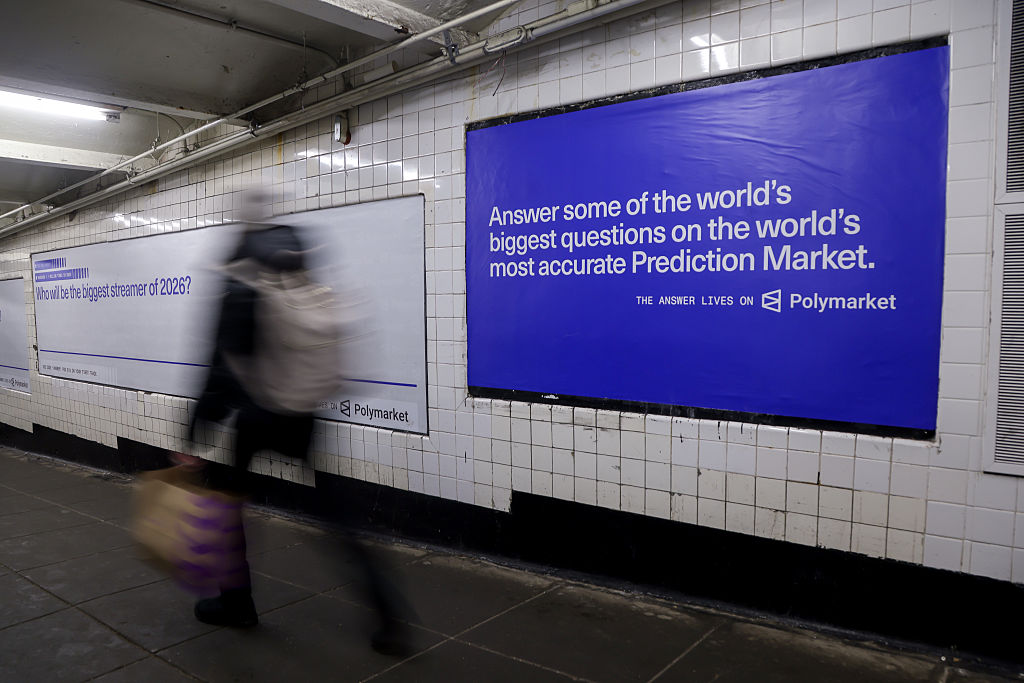 2
2 3
3 Posted: 11:05 AM PST · March 1, 2026
The volatile world of online prediction markets has once again drawn intense scrutiny, following reports that participants on platforms like Polymarket have collectively traded hundreds of millions of dollars on speculative contracts concerning a potential military strike against Iran by U.S. and Israeli forces. This activity, coupled with significant profits made by newly established accounts, has ignited concerns over potential insider trading and the ethical boundaries of financial speculation on geopolitical conflicts.
According to a detailed report from Bloomberg, a staggering $529 million was traded on Polymarket on contracts specifically tied to the precise timing of a potential U.S. or Israeli military intervention in Iran. Such substantial trading volumes on events of grave international significance highlight both the growing popularity and the contentious nature of these digital betting platforms. Prediction markets, by their very design, allow users to wager on the outcomes of future events, ranging from political elections and economic indicators to scientific breakthroughs and, as controversially demonstrated, military actions. Participants buy "shares" in specific outcomes, with the price of these shares fluctuating based on collective belief in their likelihood.
The most alarming aspect of the Iran attack bets came from an analysis conducted by analytics firm Bubblemaps SA. Their investigation uncovered that six newly-created accounts collectively reaped a profit of $1 million by accurately betting that the United States would launch a strike against Iran by February 28, 2026. This pattern of behavior – new accounts making highly specific and profitable bets on a sensitive, time-bound event – immediately raised red flags among observers and experts, suggesting the possibility of insider trading.
Nicolas Vaiman, the CEO of Bubblemaps SA, articulated these concerns, stating that the circulation of information "involving war or conflict," particularly when combined with the inherent anonymity offered by platforms like Polymarket, "can create incentives for informed participants to act early." In traditional financial markets, insider trading involves using non-public, material information for personal gain, and it is strictly prohibited and heavily penalized. However, the decentralized and often anonymous nature of some prediction markets presents a complex challenge for identifying and prosecuting such activities, leaving a significant regulatory vacuum. The potential for individuals with privileged access to sensitive geopolitical information to profit from it in these markets underscores a profound ethical dilemma and a major security risk.
The timing of these transactions and the precision of the successful bets suggest that some participants may have had access to information not available to the general public. While it is challenging to definitively prove insider trading in such a context, the financial gains made by these specific accounts on an event of such global magnitude have intensified calls for greater oversight and transparency within the prediction market ecosystem. The sheer volume of money involved also indicates a high level of market interest, which can be interpreted either as a collective aggregation of public sentiment and information, or as a magnet for those seeking to exploit asymmetric information advantages.

This is not the first instance where prediction markets have faced scrutiny for facilitating bets on highly sensitive or ethically dubious events. Just a month prior, in January 2026, another analytics firm, Polysights, brought to light a significant spike in bets surrounding the health and political status of Iran’s now-deceased Supreme Leader Ali Khamenei. These bets focused on the likelihood that he would no longer hold his influential role by the end of March. Such markets immediately drew widespread criticism for potentially placing a financial incentive on outcomes involving personal injury or death, leading to a public outcry about the moral implications of these platforms.
In response to the mounting concerns that such bets might inadvertently encourage or incentivize harmful outcomes, Tarek Mansour, the CEO of Kalshi – another prominent prediction market platform – issued a statement clarifying his company’s position. Mansour firmly stated, "We don’t list markets directly tied to death." He elaborated that while some markets might involve potential outcomes where death could be a factor, Kalshi meticulously designs its rules to "prevent people from profiting from death." This includes a commitment to reimburse all fees associated with bets on such sensitive outcomes, an attempt to mitigate the ethical fallout and demonstrate a commitment to responsible market practices. Kalshi, unlike Polymarket which operates on a decentralized model, aims to be a regulated financial exchange for event contracts, a distinction that allows it to enforce more stringent rules and potentially cooperate with regulatory bodies.
The "free groceries" campaign mentioned in the image caption provides an interesting counterpoint to the ethical controversies. Both Kalshi and Polymarket have been aggressively trying to expand their user base, particularly in New York. Facing criticism for "encouraging financial risk-taking" by making betting more accessible, these companies have resorted to marketing tactics like offering free groceries to win over New Yorkers. This strategy highlights a broader effort by prediction market platforms to normalize their operations and integrate themselves into mainstream financial and social landscapes, even as they grapple with profound ethical and regulatory challenges stemming from the very nature of their business. The juxtaposition of a public relations campaign offering daily necessities with high-stakes bets on geopolitical conflict underscores the complex and often contradictory public image these platforms are navigating.
The incidents surrounding the Iran attack bets and the Supreme Leader’s health have reignited a broader debate about the appropriate scope and regulation of prediction markets. Proponents argue that these markets serve as valuable tools for aggregating information and forecasting future events more accurately than traditional polls or expert opinions. They contend that the collective wisdom of the crowd, incentivized by financial rewards, can produce remarkably precise predictions. However, critics argue that the potential for abuse, the encouragement of gambling-like behavior, and the ethical hazards associated with monetizing sensitive geopolitical or personal events far outweigh any purported benefits.
Regulatory bodies globally are increasingly grappling with how to classify and oversee these platforms. Are they gambling operations, subject to gaming laws? Are they financial instruments, falling under securities or commodities regulations? Or do they represent a new class of digital assets that requires entirely new legal frameworks? The anonymous nature of many decentralized platforms further complicates enforcement efforts, allowing potentially illicit activities to occur with reduced accountability. The current patchwork of regulations, or in many cases, the complete absence thereof, leaves a fertile ground for both innovation and potential exploitation.
As prediction markets continue to evolve and attract significant capital, the tension between their potential as information tools and their ethical pitfalls will only grow. The recent events underscore the urgent need for a robust and comprehensive regulatory framework that can address the unique challenges posed by these platforms, particularly when they touch upon issues of international security, human life, and the integrity of financial markets. Without clear guidelines and effective enforcement mechanisms, the specter of insider trading and morally questionable speculation will continue to cast a long shadow over the future of prediction markets.