 11
11 1
1 2
2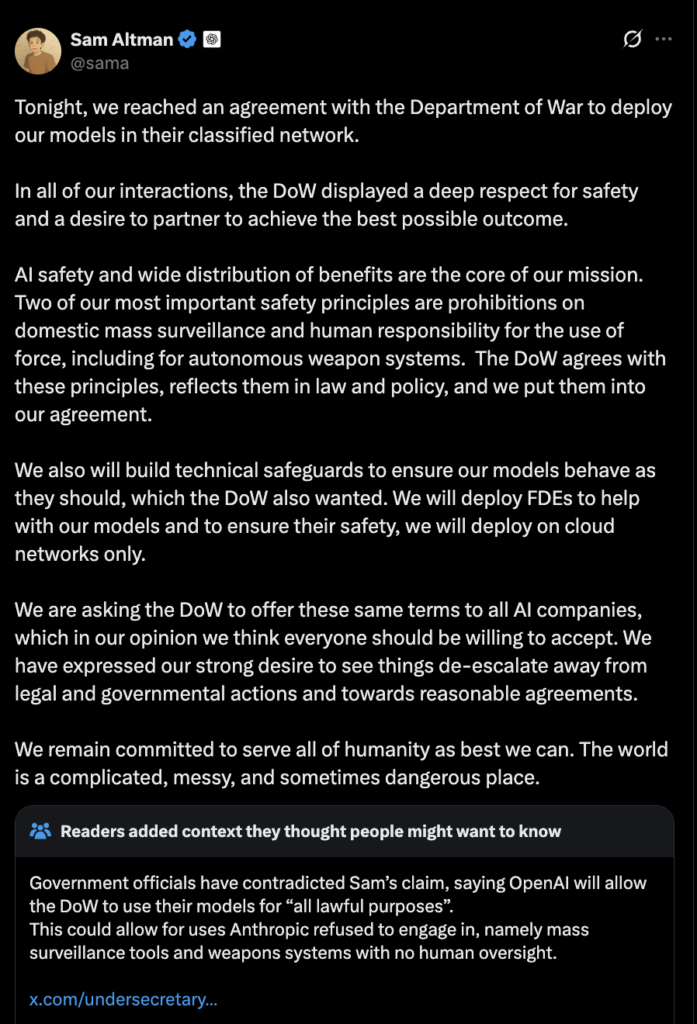 3
3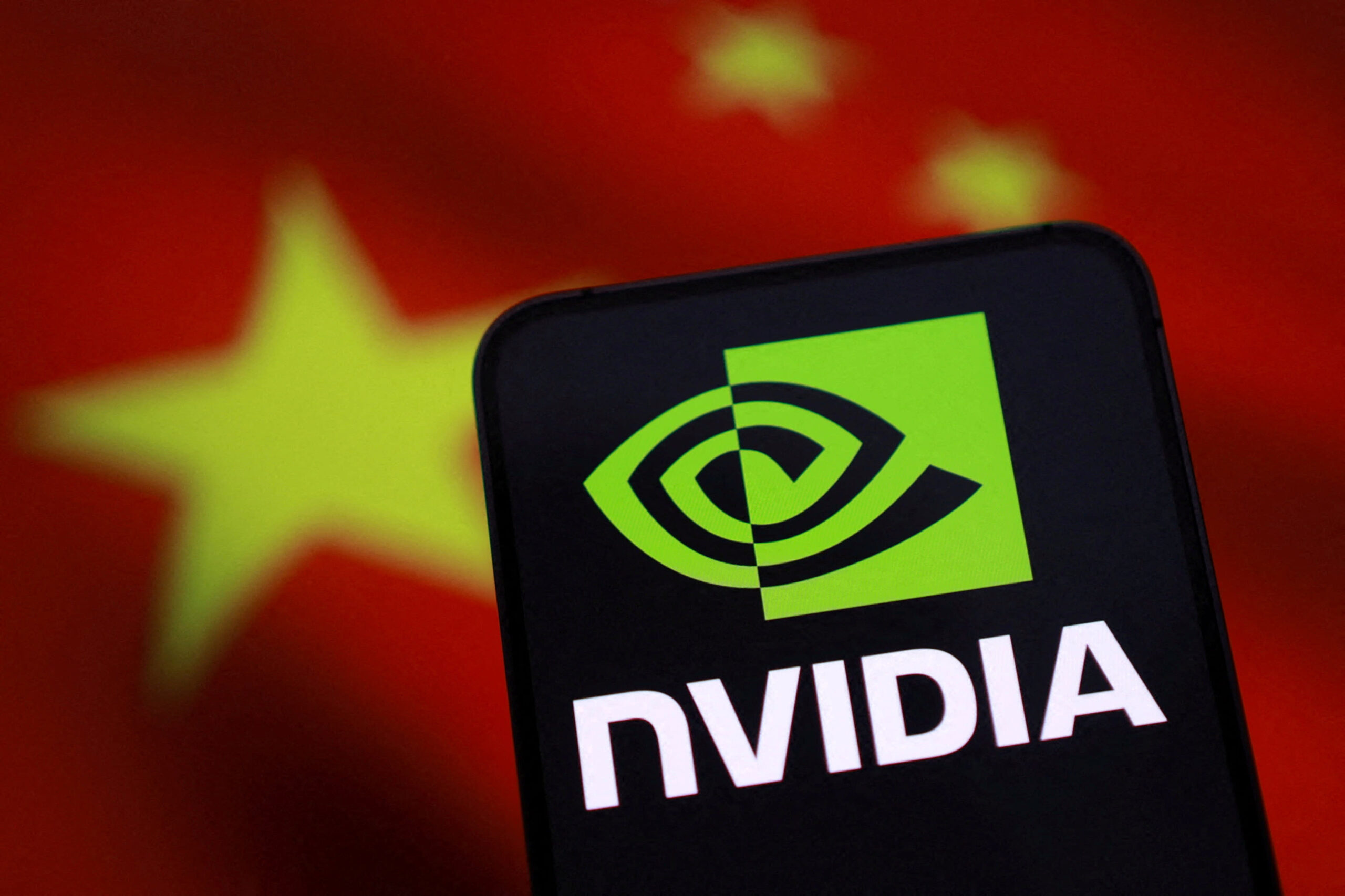
Nvidia, the global leader in AI semiconductor technology, is grappling with a significant challenge in the Chinese market. Despite recent, albeit limited, easing of U.S. export restrictions, the company has yet to see any revenue generated from its H200 semiconductor products in China. This stark reality, coupled with the burgeoning capabilities of Chinese domestic rivals, has prompted Nvidia to issue a cautionary note to investors about a potential disruption to the global AI industry’s structure.
During a recent earnings call, Nvidia’s Chief Financial Officer, Colette M. Kress, revealed that while the U.S. government has approved small quantities of H200 products for Chinese customers, no revenue has materialized to date. Kress further expressed uncertainty about the future prospects of importing these chips into China, stating, "We do not know whether any imports will be allowed into China." This statement underscores the volatile and uncertain regulatory environment that Nvidia is navigating in its second-largest market.

Historically, China represented a substantial portion of Nvidia’s data center revenue, accounting for at least one-fifth of its total earnings in this sector. The inability to tap into this lucrative market, even partially, poses a significant financial hurdle for the chip giant. The U.S. government’s export controls, implemented to curb China’s access to advanced AI technology, have been a key factor in this revenue shortfall. While some restrictions have been relaxed, the overarching policy aims to limit China’s ability to develop and deploy cutting-edge AI, particularly for military applications.
Beyond the immediate revenue concerns, Nvidia is also sounding the alarm about the escalating competition from Chinese chipmakers. Kress pointed out that these domestic competitors, emboldened by recent successful initial public offerings (IPOs), are making considerable strides and possess the potential to reshape the global AI landscape in the long term. This sentiment was echoed by Nvidia CEO Jensen Huang in earlier statements, highlighting the rapid advancements within China’s tech sector.
The rise of Chinese AI chipmakers and large language model (LLM) developers has been a notable trend in recent months. Several companies have successfully launched IPOs in Hong Kong and mainland China, with their stock performance often surging on the expectation that they could provide viable alternatives to U.S.-developed AI technologies. Companies like MiniMax and Moore Threads have experienced significant market interest, demonstrating the growing confidence in China’s domestic AI capabilities, although sustained gains have not been uniform across all newly listed entities.

The progress of Chinese tech companies in the AI domain has garnered international attention. Sam Altman, CEO of OpenAI, described the advancements made by Chinese firms across the entire AI technology stack as "remarkable" in a recent interview with CNBC. He further observed that in certain areas, Chinese tech companies are operating at the "frontier" of AI development. This recognition from a leading figure in the global AI community underscores the seriousness of China’s competitive push.
While Chinese AI companies may still trail behind their U.S. counterparts in terms of absolute technological capabilities, a significant competitive advantage lies in their pricing. Chinese AI products are generally offered at a considerably lower cost than their American counterparts, making them an attractive option for a wide range of businesses, particularly in emerging markets.
This cost-effectiveness, combined with rapid innovation, has led some analysts to predict a significant shift in the global AI ecosystem. Rory Green, Chief China Economist and Head of Asia Research at TS Lombard, suggested that within the next five to ten years, a substantial portion of the world’s population could be utilizing a Chinese technology stack for their AI needs. This projection highlights the potential for a significant disruption to the current U.S.-centric dominance in the AI industry.

In response to these evolving market dynamics, Kress urged the U.S. government to actively encourage developers and businesses worldwide, including those in China, to continue adopting American technology. This plea reflects a strategic concern that if China’s domestic AI industry continues to flourish and offer competitive alternatives, the long-term market share and influence of U.S. technology companies could be significantly diminished. The situation underscores a complex interplay of geopolitical considerations, technological innovation, and market economics that will shape the future of the global AI industry.