 11
11 1
1 2
2 3
3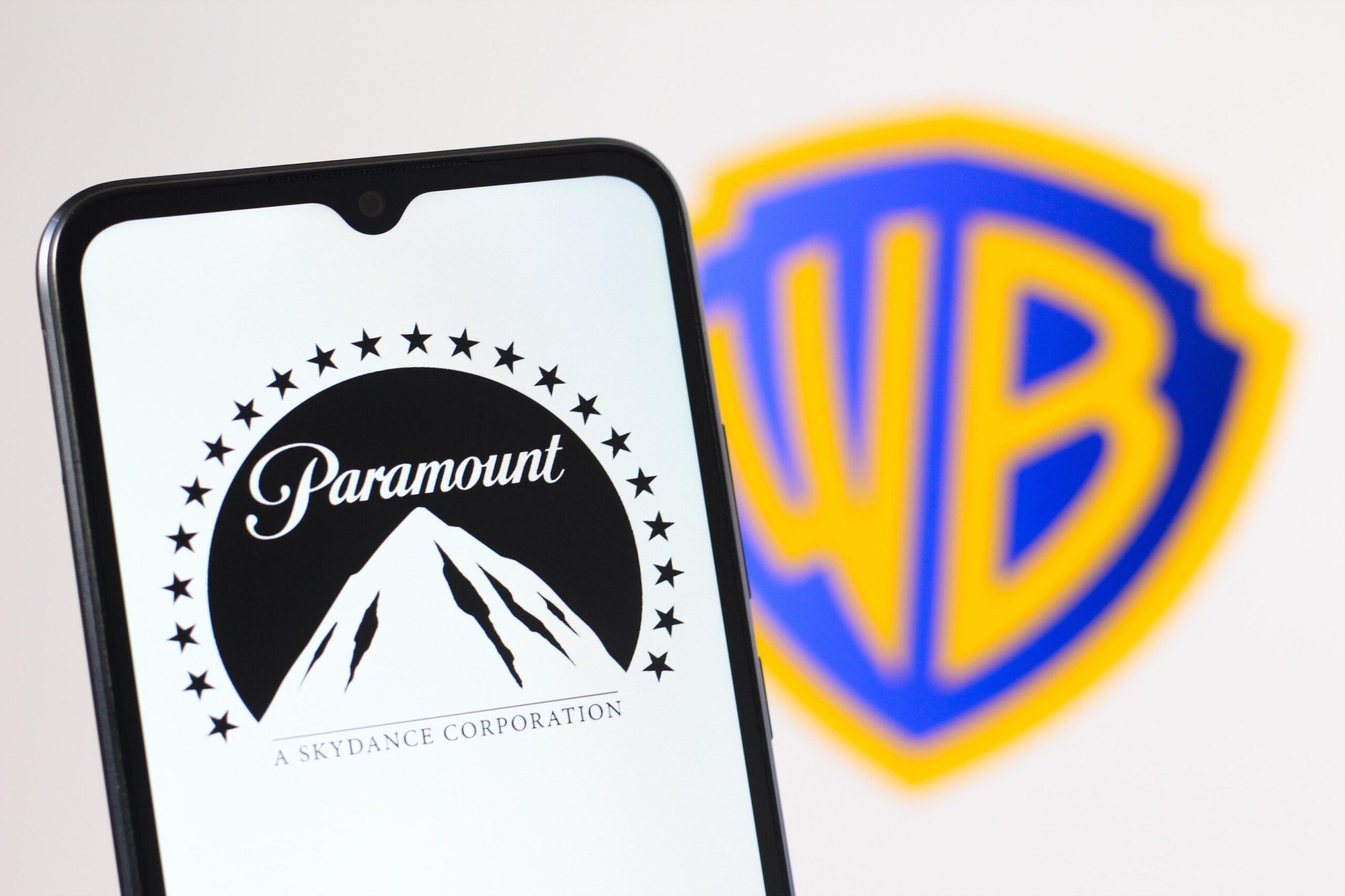
Netflix announced Thursday it would not increase its offer for Warner Bros. Discovery (WBD), effectively stepping aside in the high-stakes bidding war and opening the door for Paramount Skydance to potentially acquire the media conglomerate. This decision marks a pivotal moment in the ongoing consolidation within the entertainment industry, with significant implications for content ownership, streaming competition, and the future strategic direction of major media players.
Earlier on Thursday, Warner Bros. Discovery had issued a statement confirming that Paramount Skydance’s latest bid constituted a "Company Superior Proposal," a key contractual term defined in WBD’s existing merger agreement with Netflix. This designation signaled a significant shift in the competitive landscape, indicating that Skydance’s revised terms offered a more compelling proposition to WBD’s board of directors. Despite this, WBD’s statement cautiously noted that its board of directors "continues to recommend in favor of the Netflix transaction" for the time being, highlighting the intricate legal and financial considerations at play during such competitive acquisition scenarios.
However, just hours later, Netflix definitively confirmed its withdrawal from the bidding, stating that the deal was "no longer financially attractive." This move by the streaming giant, renowned for its disciplined approach to mergers and acquisitions, underscores its commitment to maintaining financial prudence even in the pursuit of strategic growth opportunities. The decision brings a dramatic close to a months-long saga that saw two of the industry’s titans vying for control of WBD’s extensive portfolio of intellectual property and media assets.
Paramount Skydance had sweetened its offer for Warner Bros. Discovery on Tuesday, raising its per-share proposal from $30 to $31. This revised bid values the entirety of Warner Bros. Discovery at approximately $77 billion, signaling a robust commitment from the David Ellison-led Skydance Media, backed by Paramount Global. In contrast, Netflix’s offer stood at $27.75 per share, valuing only a specific segment of Warner Bros. Discovery – its studio and streaming businesses – at $82.7 billion. The difference in the scope of the acquisition was a crucial factor, with Paramount Skydance aiming for a full takeover of WBD, encompassing its vast array of cable networks, film studios, and streaming services, while Netflix was primarily interested in leveraging WBD’s content production capabilities and expanding its streaming library.
In a joint statement addressing their decision, Netflix co-CEOs Ted Sarandos and Greg Peters articulated their strategic philosophy: "But this transaction was always a ‘nice to have’ at the right price, not a ‘must have’ at any price." This crucial quote encapsulates Netflix’s long-standing strategy of prioritizing organic growth and content investment, with M&A serving as an opportunistic, rather than essential, accelerant. The statement suggests that while WBD’s assets were appealing, they did not align with Netflix’s internal financial benchmarks or strategic priorities at the elevated price point proposed by Skydance. For Netflix, maintaining a healthy balance sheet and focusing on profitable subscriber growth appears to outweigh the benefits of an overly expensive acquisition.
The backdrop to this intense bidding war is Warner Bros. Discovery’s challenging financial position following the merger of WarnerMedia and Discovery in the fall of 2025. The consolidated company found itself saddled with approximately $35 billion in debt, a significant burden that severely limited its operational flexibility and investment capacity. The merger, intended to create a media powerhouse capable of competing with industry behemoths, instead faced immediate headwinds from a rapidly evolving media landscape. The pervasive trend of "cord cutting," where consumers abandon traditional cable television in favor of streaming services, coupled with the escalating costs of content production and intense competition in the streaming market, placed immense pressure on WBD’s revenue streams.
This confluence of factors led to a dramatic decline in investor confidence, with Warner Bros. Discovery’s shares tumbling approximately 60% in the year following the merger. Such a significant drop underscored the market’s skepticism regarding the company’s ability to manage its debt, navigate the streaming wars, and deliver sustained profitability. It was this precarious financial situation and market performance that compelled Warner Bros. Discovery to begin exploring a potential sale in the fall of 2025, seeking a strategic partner or acquirer that could alleviate its debt burden and provide a clearer path forward in the competitive media ecosystem. The potential sale was seen as a necessary step to stabilize the company, unlock shareholder value, and secure its long-term future.
The initial merger of WarnerMedia and Discovery was predicated on the promise of creating a diversified entertainment giant with a vast content library spanning news, sports, scripted television, and blockbuster films. However, the anticipated synergies and market dominance struggled to materialize as quickly as projected. The integration of two massive corporate cultures, coupled with the need to invest heavily in streaming to compete with established players like Netflix and Disney+, proved more challenging than initially envisioned. The debt accumulated from the merger became a critical constraint, hindering WBD’s ability to aggressively invest in new content, market its streaming services, or pursue other strategic initiatives. The company found itself in a challenging position, owning a treasure trove of valuable intellectual property but struggling to monetize it effectively amidst changing consumer habits and fierce market competition.
For Paramount Skydance, a successful acquisition of Warner Bros. Discovery would represent a monumental expansion, consolidating a vast array of iconic brands and intellectual property under one roof. Skydance, led by David Ellison, has been an active player in Hollywood, known for producing major film franchises like "Mission: Impossible" and "Top Gun." Merging with WBD would provide Skydance with unparalleled content production capabilities, a sprawling film and television studio, a diverse portfolio of cable networks (including CNN, HBO, and Discovery Channel), and a significant footprint in the streaming market with Max. This integration could lead to substantial synergies in content creation, distribution, and advertising, positioning the combined entity as a formidable force in the global entertainment industry. The political dimension of the bidding war was even hinted at when Paramount’s David Ellison was tapped as a State of the Union guest after former President Donald Trump reportedly weighed in on the Warner Bros. battle, underscoring the high-profile nature and wide-ranging implications of this potential deal.
With Netflix’s withdrawal, the ball is now firmly in Warner Bros. Discovery’s court. The WBD board of directors will now formally review Paramount Skydance’s "Company Superior Proposal." This typically involves a period during which WBD’s board evaluates the terms, considers its fiduciary duties to shareholders, and ultimately decides whether to terminate its agreement with Netflix in favor of the Skydance offer. Such a termination would likely involve a break-up fee, a standard provision in merger agreements designed to compensate the jilted party for expenses and lost opportunity. Following board approval, the acquisition would still be subject to regulatory scrutiny and approvals from antitrust authorities, which will assess the potential impact on market competition.
The outcome of this acquisition will reverberate throughout the media and entertainment landscape, influencing future consolidation trends, content strategies, and the competitive dynamics of the streaming wars. For consumers, it could mean new content offerings, potential bundling of services, and shifts in how beloved franchises are developed and distributed. For creators and talent, it could reshape the industry’s landscape for production deals and intellectual property ownership. The potential merger of Warner Bros. Discovery with Paramount Skydance, now seemingly imminent, represents a significant step in the ongoing evolution of how media is created, distributed, and consumed globally.