 11
11 1
1 2
2 3
3
Ahrefs is empowering its users with the ability to track AI visibility for specific queries, prompting a critical question: which terms should be monitored? The nature of AI interactions differs significantly from traditional search, with more detailed queries and conversational contexts. AI responses also exhibit greater volatility, with brand mentions and cited URLs changing dynamically. To address this, Ahrefs has developed a strategic framework and identified key sources for query selection, aiming to provide actionable insights despite the inherent inconsistencies in AI data.
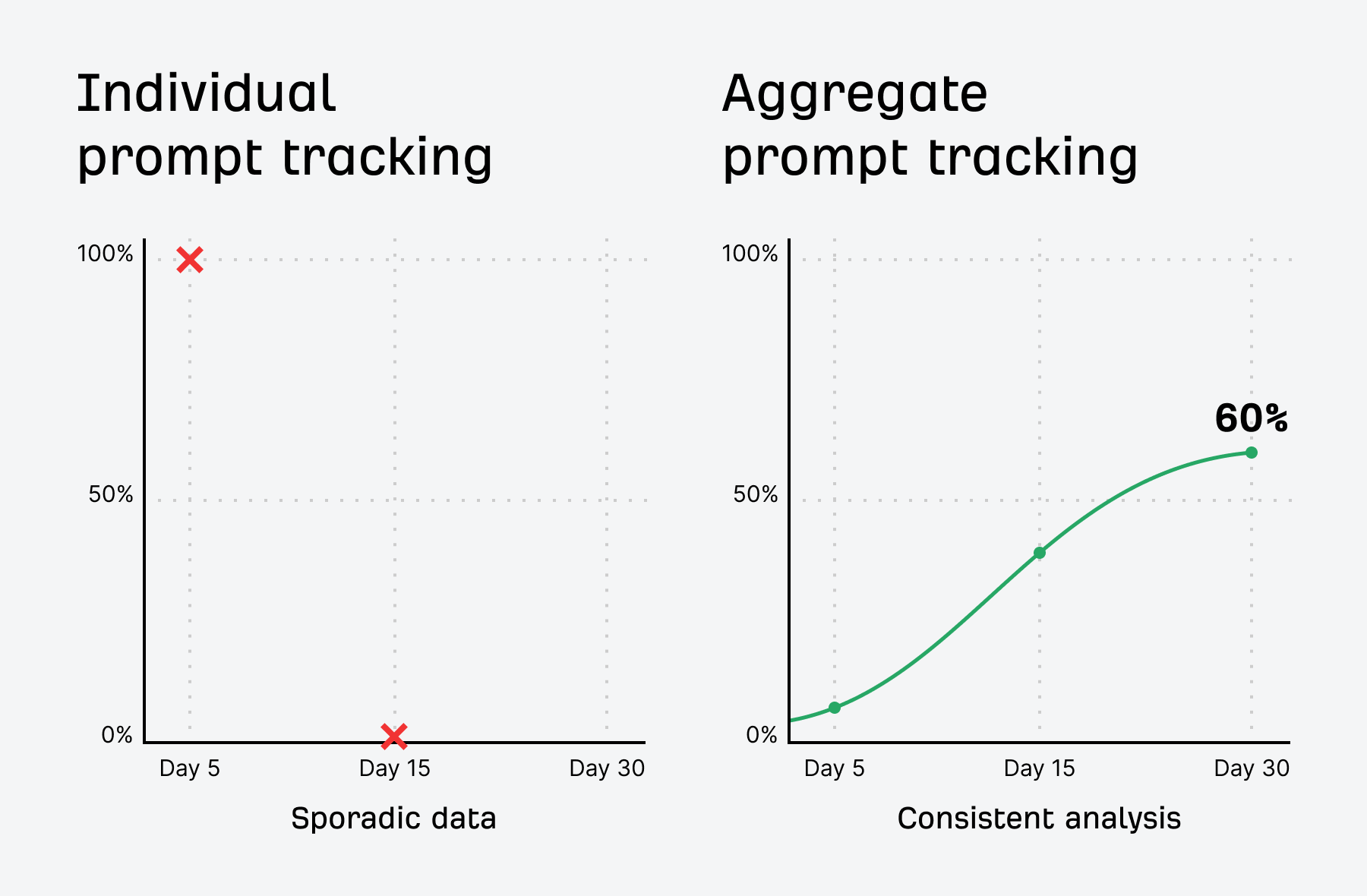
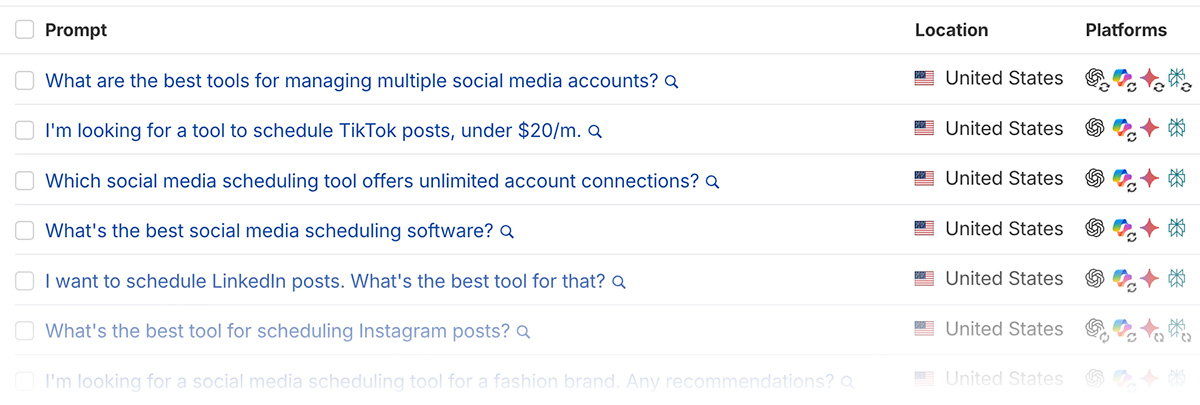
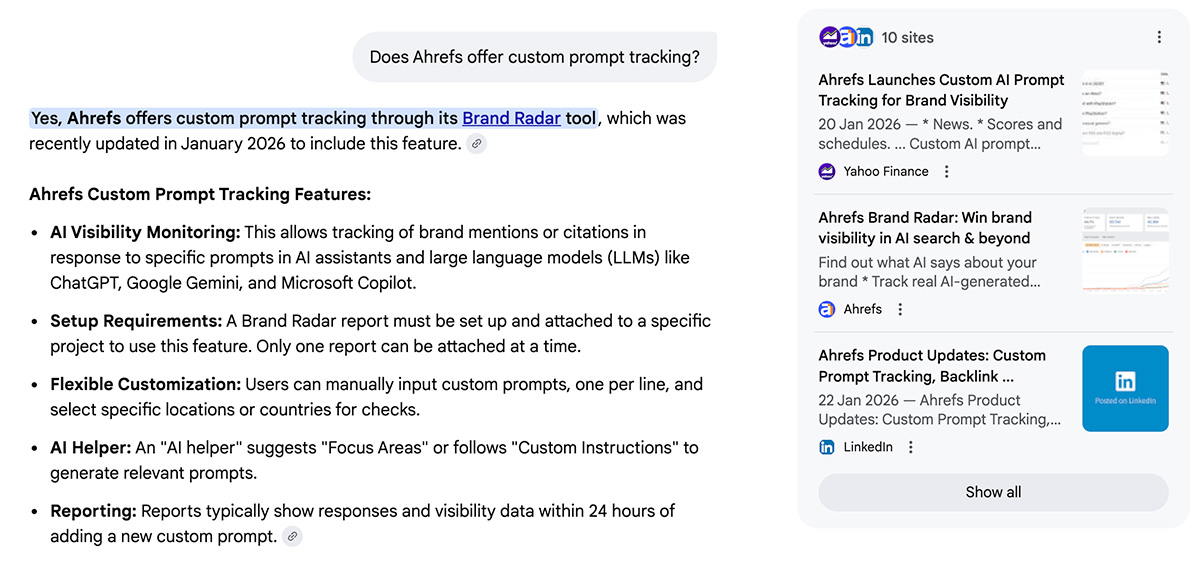
Ahrefs’ Brand Radar tool offers custom prompt functionality, enabling users to monitor responses across various locations and platforms on a scheduled basis. The platform allows for viewing individual brand mentions or, as recommended by Ahrefs, grouping clusters of prompts to analyze aggregated responses, including URLs and trends.
Ahrefs’ Approach to Monitoring Brand Visibility Across Key Topics
The discussion surrounding prompt tracking has been marked by debates regarding AI response volatility and personalization, which can obscure true brand performance. A lack of shared query data from AI platforms means marketers might be tracking visibility for terms no one actually uses. Conversely, some argue that any directional data is valuable, and tracking AI perceptions of a brand against reality is crucial. Ahrefs acknowledges the imperfections in AI data but believes actionable insights can still be gleaned.
Ahrefs’ recommended approach to prompt monitoring is summarized in a comparative table:
| Don’t | Do |
|---|---|
| Focus on the results of individual prompts | Group similar prompts and analyze commonalities in aggregate results |
| Think of it as a "set and forget" task | Have a plan to take action, like building relationships with commonly cited sources |
| Think of prompt tracking as you think of traditional rank tracking | Understand that your "position" in responses is highly volatile |
| Assume prompt tracking is the best and only source of AI visibility data | Monitor traffic from LLMs, relevant server logs, traditional search performance & (if possible) broader prompt datasets |
| Think having URLs cited is the ultimate goal | Understand your business can be regularly recommended without being cited |
| Try to track every possible persona and keyword angle your website covers | Start by prioritizing queries around high-value topics. You can always expand later |
A key aspect of Ahrefs’ analysis involves identifying potential action steps. For instance, when launching new features like custom prompt tracking, Ahrefs monitors whether AI responses reflect this update or continue to reference outdated information. Tracking across multiple AI platforms, including Bing and Brave Search, provides a broader view beyond Google’s prominence. Beyond response accuracy, Ahrefs focuses on identifying commonly cited websites for potential outreach, frequently mentioned features and use cases for content development, and competitive positioning. This comprehensive approach is not solely reliant on custom prompts, but also incorporates AI bot activity in server logs, traffic from AI platforms, traditional search performance, and broader prompt datasets.
Prompt Volume Considerations
While specific query volumes for AI platforms are not publicly disclosed, research suggests that search-like interactions on platforms like ChatGPT represent a significant portion of Google’s search volume. Ahrefs’ current strategy is to anchor most prompts around traditional search terms with reliable popularity data, acknowledging that "synthetic" variations may not perfectly mirror AI query patterns but aid in prioritizing topics with demonstrated interest.
The Framework: Tracking Relevant Prompt Groups
The volatility of AI responses, as illustrated by dynamic recommendations for gym management software, underscores the importance of grouping related prompts for an aggregate overview rather than focusing on individual results. These prompt clusters can be defined by intent, funnel stage, products, services, or other relevant business categories. Examples of prompt clusters are often inspired by Google’s "People Also Ask" feature and can be expanded upon with other data sources.
| Cluster Angle | Potential Data Source | Example Queries |
|---|---|---|
| Competitive Positioning | Google’s "People Also Ask" SERP feature | What’s the best CRM for real estate agents? / What’s the best CRM for construction companies? |
| Trust & Validation | Forum and social media group discussions | Are Hoka running shoes reliable long-term? / Are Hoka shoes good for plantar fasciitis? |
| Top-Converting Page | Website analytics and self-attribution data | What are people using instead of WeTransfer? / What is a good alternative to WeTransfer? |
| Funnel Stages (e.g., Bottom of Funnel) | Customer support queries | Is HubSpot worth it for a small business? / Is HubSpot worth it in 2026? |
| Specific Requirements | Ahrefs Keywords Explorer | What’s the best web hosting that includes cPanel? / Can you recommend some HIPPA-compliant hosting companies? |
It’s noted that certain prompts, especially on platforms like ChatGPT, may rely on training data rather than web searches. For those seeking cited URLs, adding year-specific qualifiers can be beneficial.
Data Sources for Prompt Inspiration
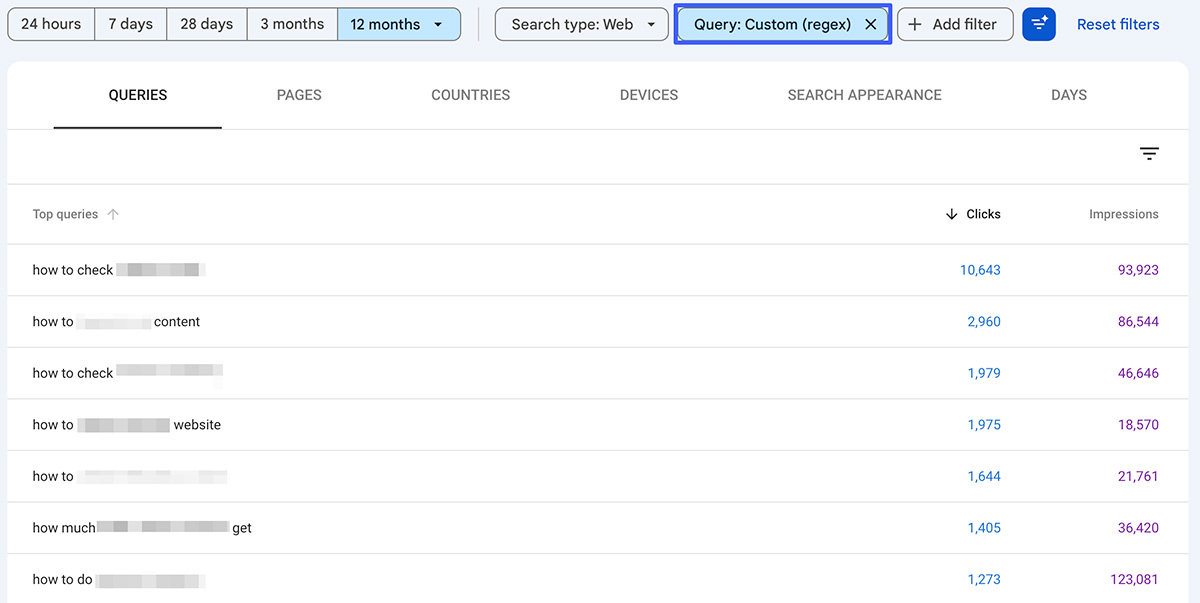
Google Search Console Questions: Identifying questions your website already ranks for in Google Search Console (or Ahrefs Webmaster Tools) is a primary source. Regex expressions like b(why|what|when|are|will|does|should|where|who|how|can|do|is)b can help filter for question-based queries. For sites without much traffic or for industry research, Ahrefs Keywords Explorer can be used with similar filters.
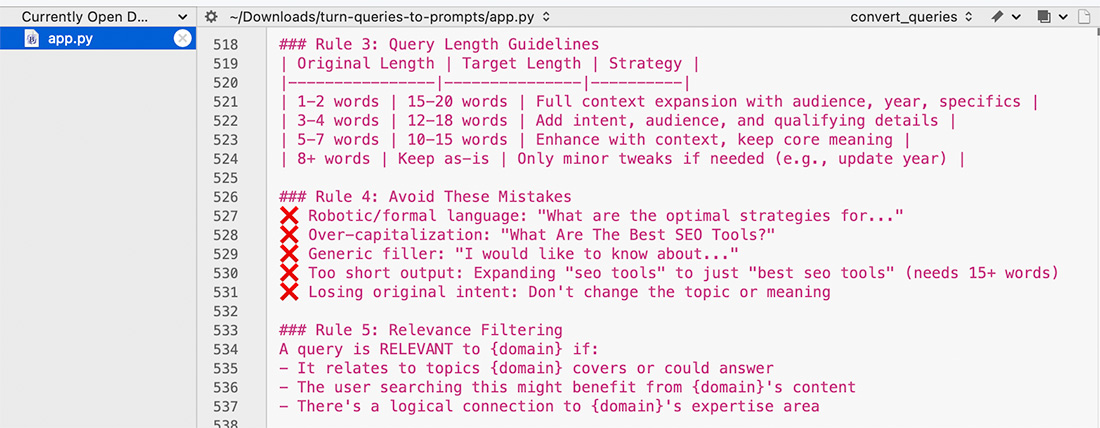
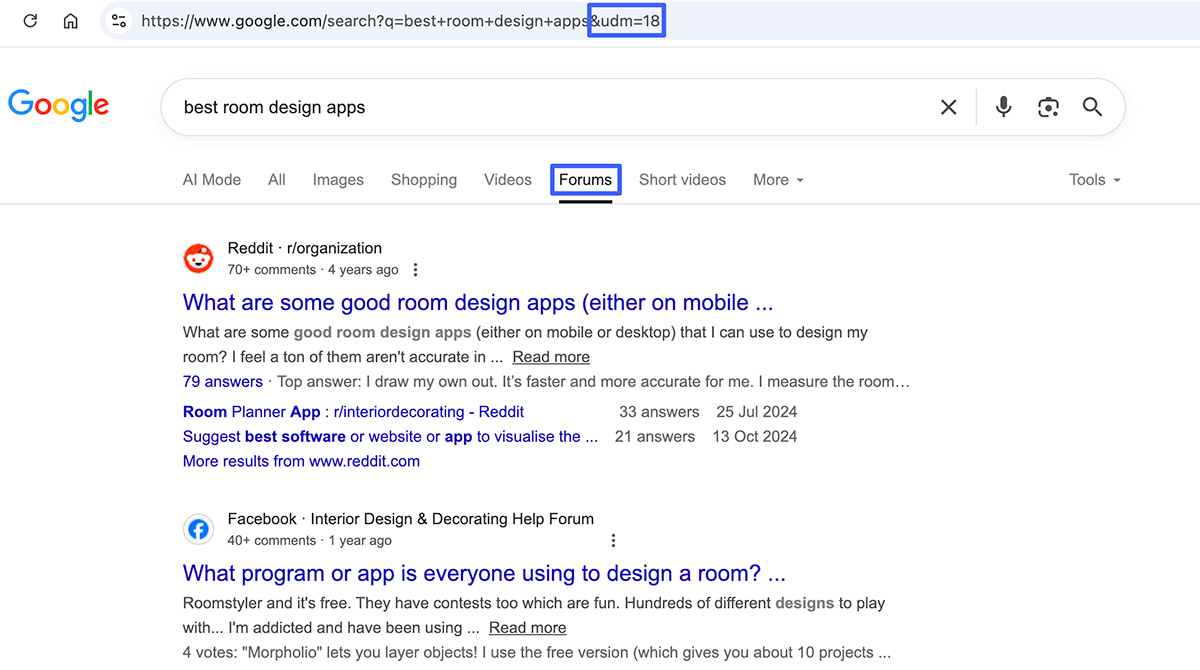
Discussions and Forums: Google’s "Discussions and forums" SERP feature (or the &udm=18 parameter) highlights conversations across online communities, providing insights into naturally phrased questions. Reddit, Facebook, and Quora are prominent sources.
Top-Performing Pages & Search Terms: Conversational queries can be generated around popular keywords or terms driving traffic to your most effective pages. This involves transforming traditional search queries into more natural, conversational prompts, potentially with the help of AI assistants. For pages not yet ranking, data from Ahrefs Keywords Explorer can be utilized.
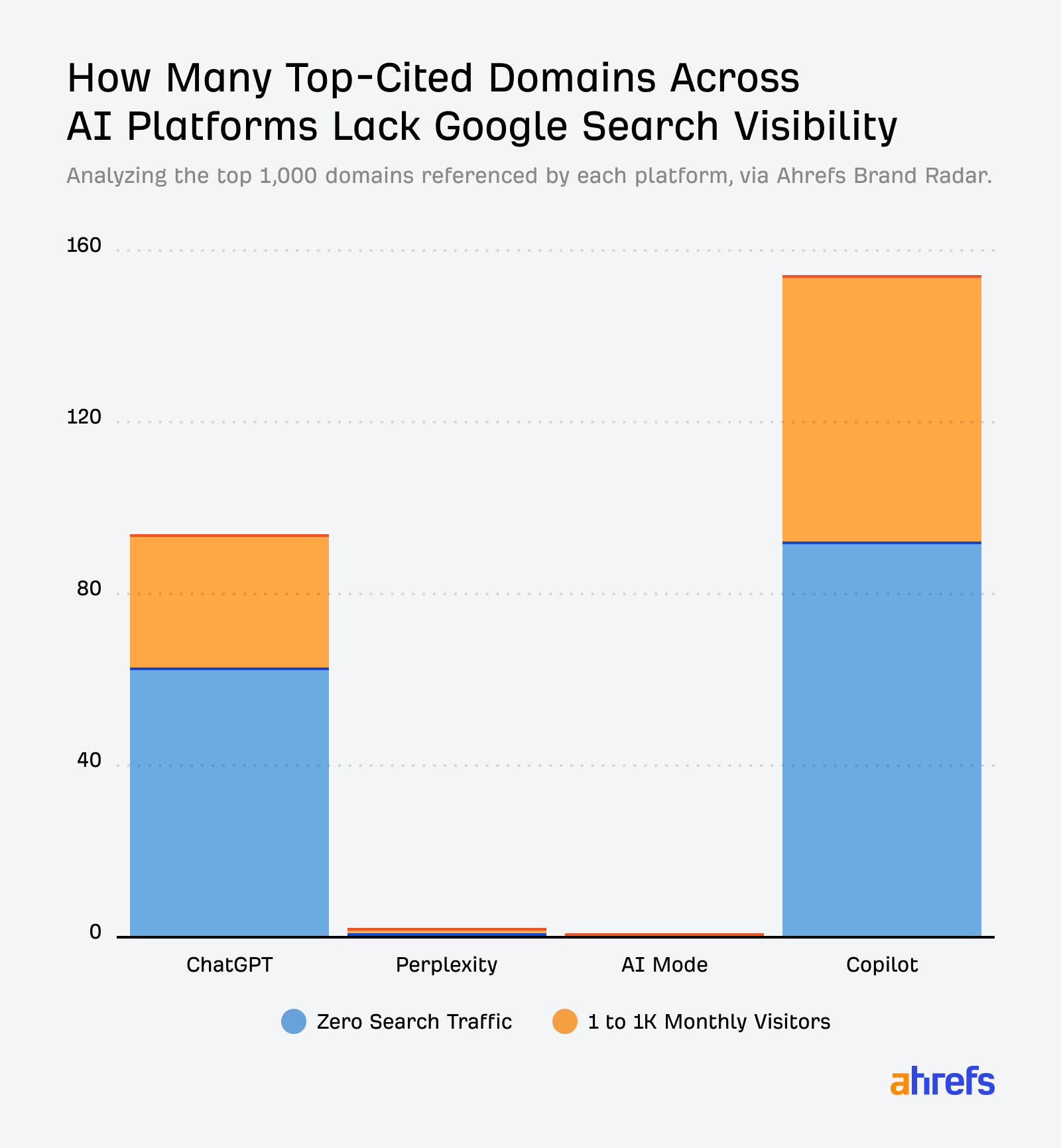
Perplexity’s Related Questions: Perplexity’s feature of recommending related follow-up queries at the end of a chat, generated by an AI model based on the original query and its results, offers inspiration for subsequent questions.
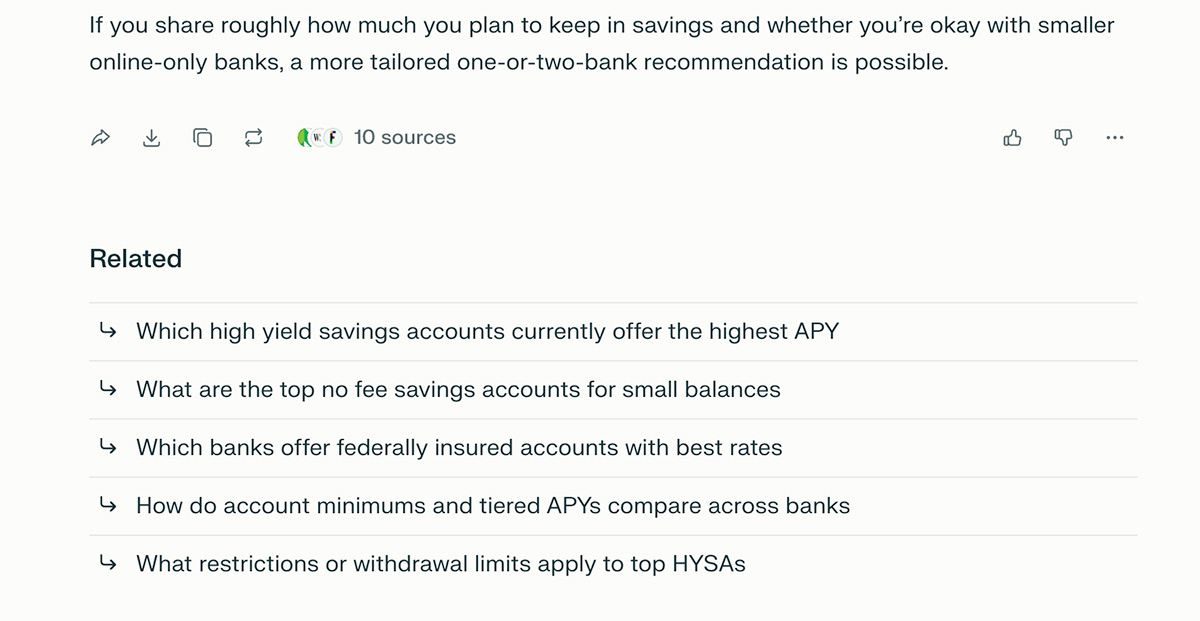
"People Also Ask" in SERPs: Google’s "People Also Ask" feature provides a direct stream of related and follow-up questions within search results. Expanding these can reveal further query ideas. Tools like the Ahrefs Toolbar and Detailed SEO Extension can help extract multiple levels of these headlines.
Topics You’re Already Visible In: Ahrefs Brand Radar offers insights into prompt visibility across platforms. Analyzing topics associated with your brand can reveal queries to track or modify, especially for specific locations or platforms.
Pages Getting AI Search Traffic: Analyzing website analytics to identify pages receiving traffic from AI search can inform prompt generation. Server logs also provide valuable data on AI bot activity, indicating which pages are being accessed in response to user queries.
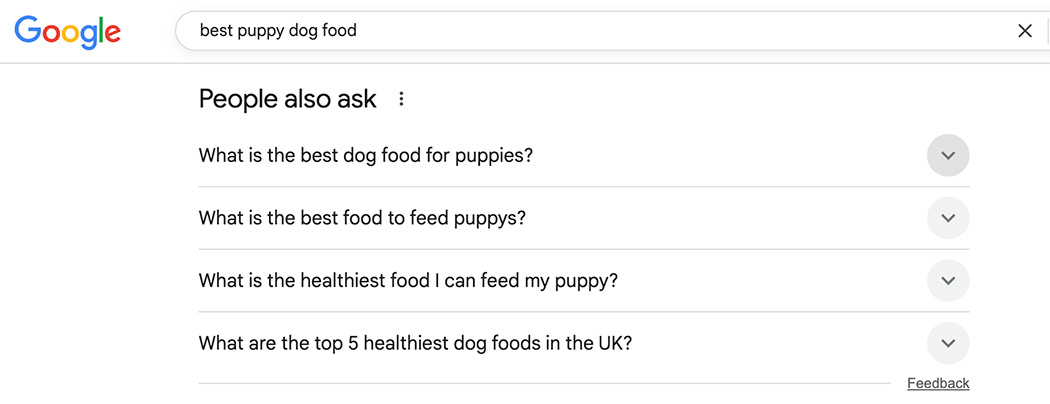
Queries Competitors Rank For: Ahrefs Brand Radar can identify queries where competitors appear and your brand does not, highlighting potential content gaps and opportunities for monitoring.
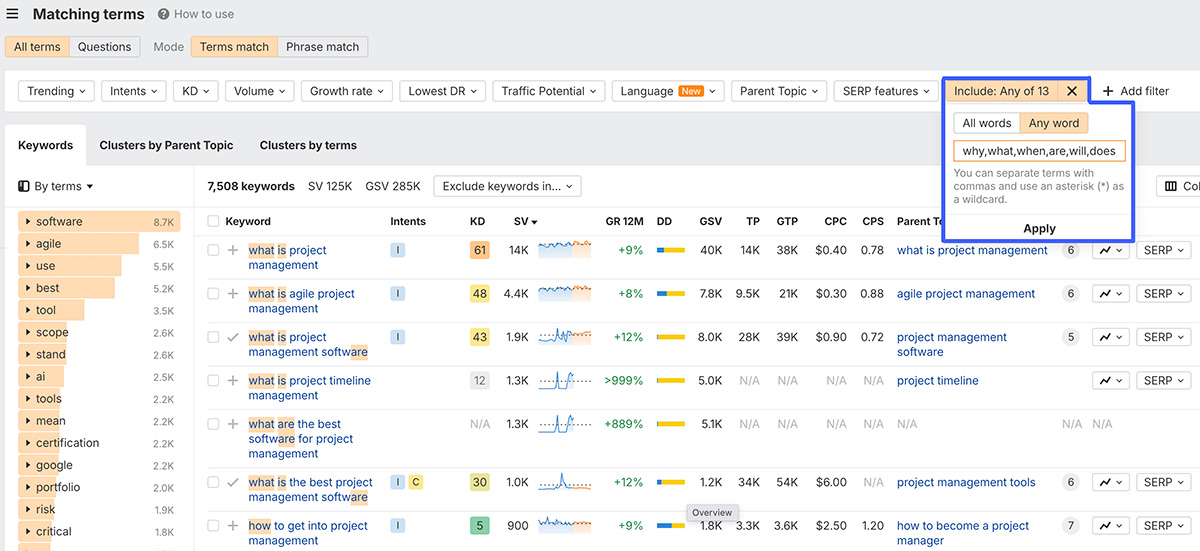
Questions in Keywords Explorer: The "Questions" tab in Ahrefs Keywords Explorer, used with seed phrases, can return a large volume of relevant questions with associated search volumes, aiding in topic selection.
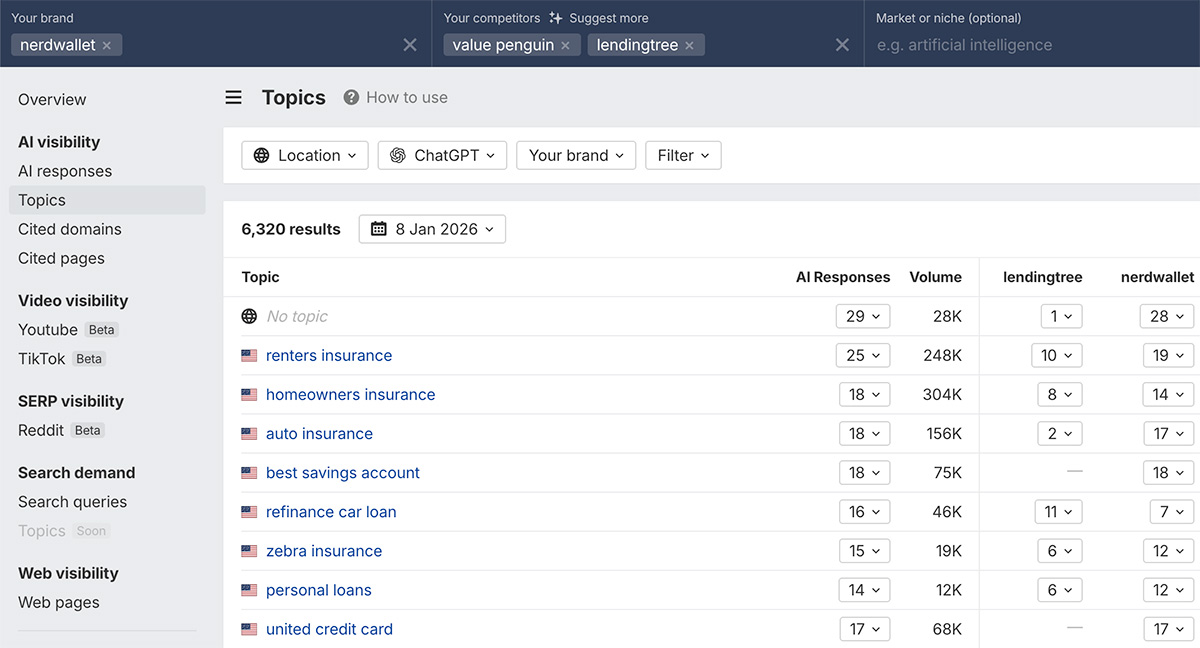
LLM Response Accuracy: Monitoring AI responses for accuracy regarding your business is crucial. This involves checking if LLMs reflect current offerings and information, and taking action to rectify inaccuracies through content creation and outreach.
Personas from Internal Data: While acknowledging the limitations of persona tracking due to AI personalization, creating prompts based on specific user situations, constraints, priorities, and pain points can offer directional insights. Internal data sources like customer support chats and ad data can inform these personas.
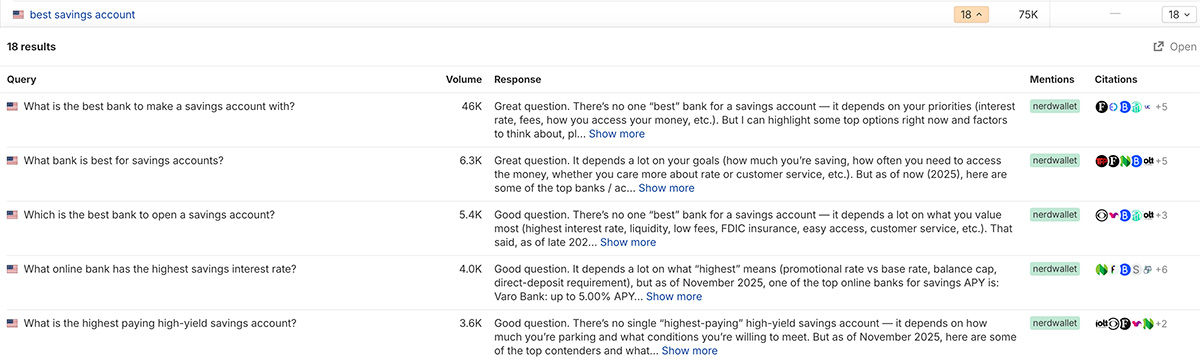
A new Brand Radar feature assists in generating queries based on your project and existing custom queries, identifying focus areas for AI visibility tracking.
Actionable Insights
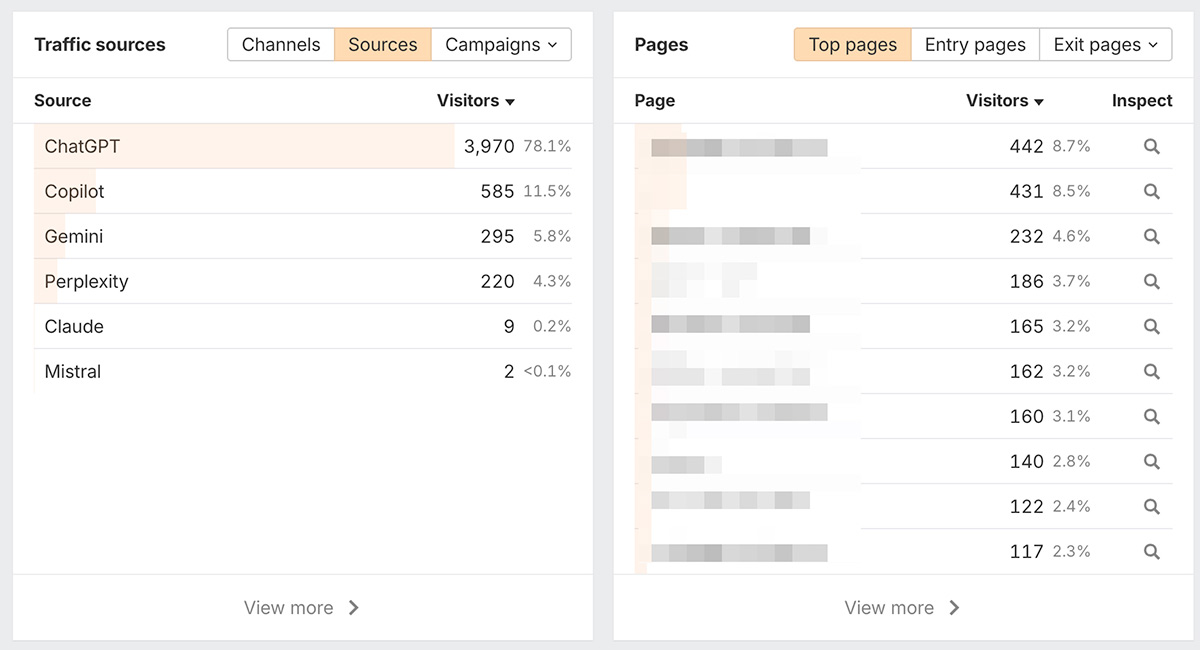
The core recommendation is to have a plan to act on AI visibility data, rather than merely tracking it. This includes rectifying inaccuracies, updating content, and creating dedicated pages for specific use cases. Starting with a focused set of prompts and gradually expanding is advised. Ahrefs is committed to updating this guide as their approach evolves and offers additional resources on Brand Radar use cases.