 11
11 1
1 2
2 3
3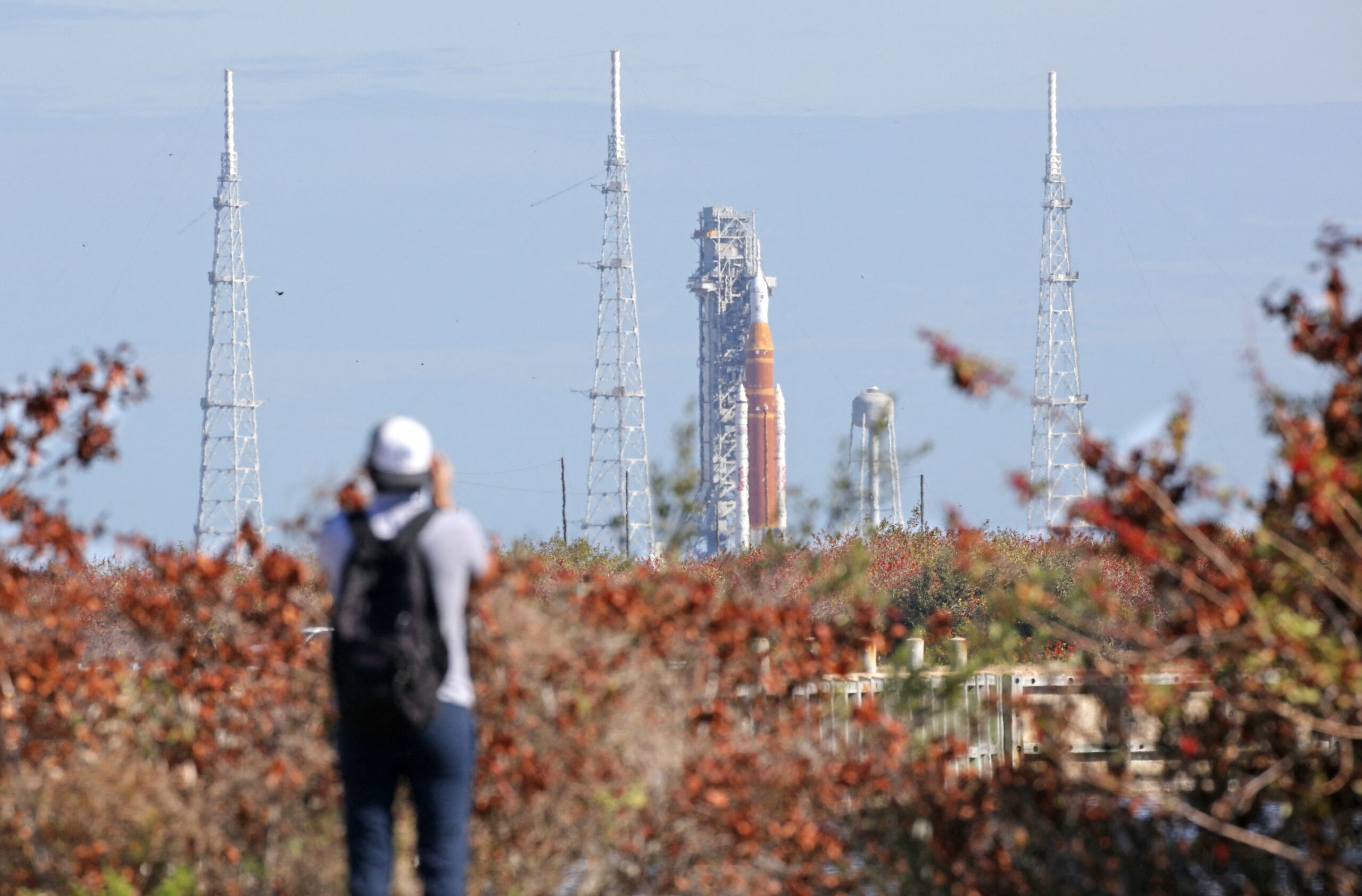
NASA has once again announced a postponement for the highly anticipated launch of Artemis II, its pivotal crewed lunar flyby mission. The agency has now set a new launch window targeting April, shifting from the previously considered March 6 date. This latest setback stems from an unexpected problem detected within the rocket’s complex systems, further illustrating the intricate and demanding nature of deep-space human exploration.
The core of the recent delay, as detailed by NASA administrator Jared Isaacman, was an interruption in the crucial helium flow within the interim cryogenic propulsion stage (ICPS) of the colossal Space Launch System (SLS) rocket. The ICPS serves as the upper stage of the SLS, responsible for providing the critical thrust needed to propel the Orion spacecraft out of Earth’s orbit and onto its trajectory toward the Moon. Helium, in this context, plays an indispensable role: it is essential for purging the engines to ensure they are free of contaminants and for pressurizing the fuel tanks, a process vital for maintaining structural integrity and ensuring a consistent flow of propellants to the engines.
Remarkably, this specific helium flow system had performed flawlessly during two extensive dress rehearsals conducted earlier in the month. The unexpected failure occurred not during a high-stakes test, but rather during a routine operational check, highlighting the subtle complexities that can arise even with established procedures.
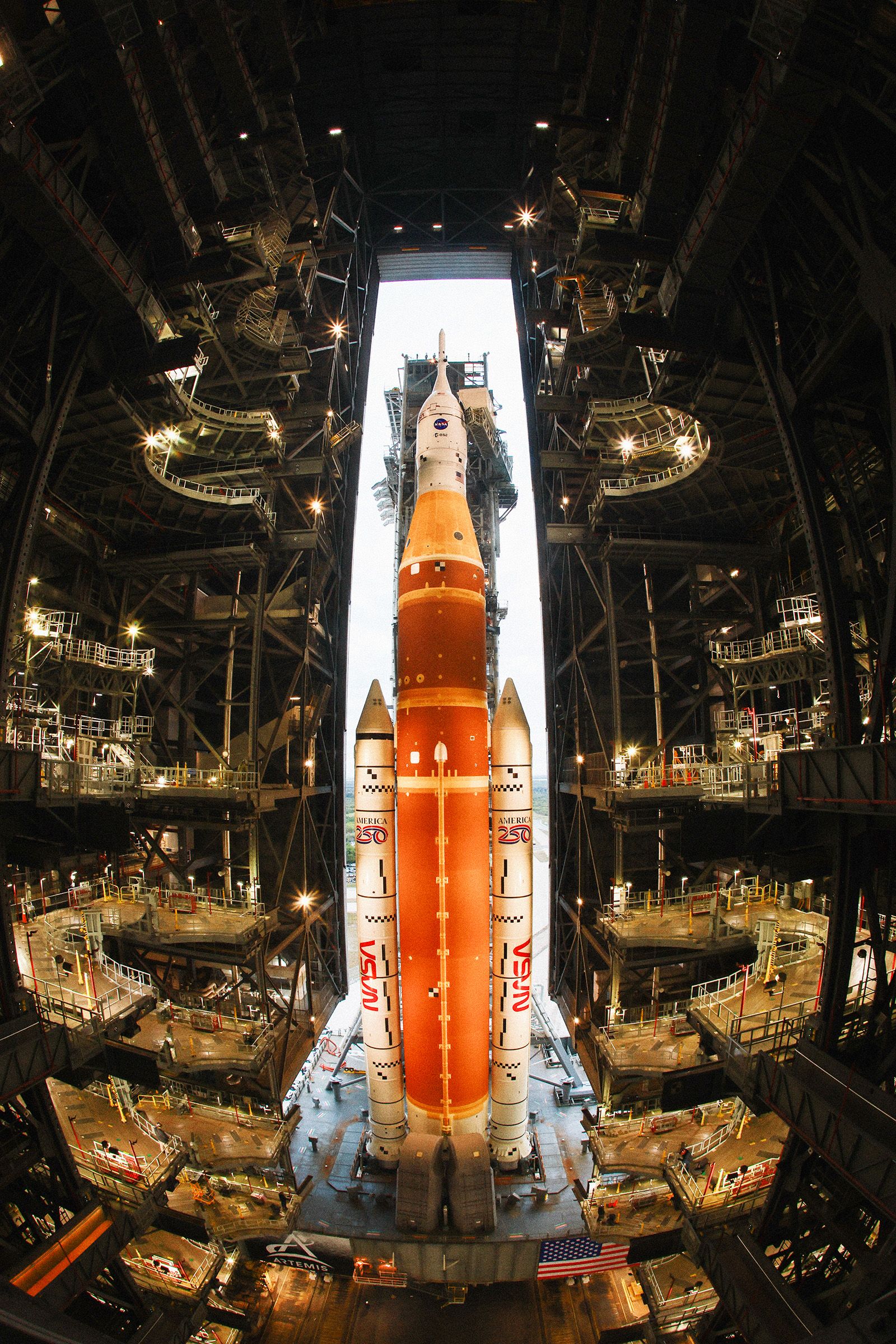
Due to the fundamental nature of this problem and the need for extensive diagnostics and repair, NASA engineers face the necessity of moving the massive SLS rocket and its Orion spacecraft back to the iconic Vehicle Assembly Building (VAB) at Kennedy Space Center. The VAB, one of the largest buildings in the world by volume, is where these colossal rockets are assembled and prepared for launch. The requirement to return to the VAB effectively eliminates any possibility of proceeding with the March launch window, making the April target the earliest feasible option.
Jared Isaacman took to his X account to address the public’s understandable disappointment regarding this development. "I understand people are disappointed by this development," the official stated. He emphasized that this disappointment is felt most acutely by the dedicated team at NASA, who have been working tirelessly with unwavering commitment to prepare for this monumental endeavor. Isaacman drew a historical parallel, reminding the public that even during the groundbreaking Apollo era of the 1960s, when NASA achieved feats widely considered impossible and unmatched since, the path was paved with numerous setbacks and delays. This perspective underscores that pioneering new frontiers in space exploration inherently involves overcoming unforeseen challenges.
Despite the current setback, NASA remains cautiously optimistic about the potential to adhere to an April launch window. The agency has reported that rapid preparatory efforts are underway to potentially preserve this timeline, should the repair process and subsequent analyses prove favorable. The ultimate decision will hinge on a meticulous review of incoming data, the success and timeline of the repair efforts, and how all these elements integrate into the overall mission schedule in the coming days and weeks. The complexity of integrating various systems and ensuring absolute safety means that every step must be thoroughly validated.
Artemis II: A Chronicle of Setbacks and Perseverance
The path to the Artemis II mission has been marked by a series of delays, each underscoring the rigorous testing and safety protocols inherent in human spaceflight. The mission’s initial launch window, tentatively set between February 6 and 11, was the first to be missed. During a crucial wet dress rehearsal (WDR)—a full simulation involving the loading of propellants—the team detected small hydrogen leaks. These leaks, coupled with other minor technical glitches, raised significant concerns. After a thorough analysis of the situation, NASA concluded that the identified risks were considerable and could potentially endanger the lives of the four astronauts aboard the Orion capsule. Prioritizing crew safety above all else, the agency made the difficult but necessary decision to postpone the launch.
Following this initial delay, a second wet dress rehearsal was conducted on February 19. This time, the rehearsal proved to be a resounding success. In a detailed statement, the space agency confirmed that it had successfully loaded 700,000 gallons of liquid propellant without any recurrence of the problematic leaks. NASA elaborated, stating, "During the test, teams closely monitored liquid hydrogen fueling operations, which proved challenging during previous tests. Hydrogen gas concentrations remained under allowable limits, giving engineers confidence in new seals installed in an interface used to route fuel to the rocket." This success was a significant achievement, demonstrating that the engineering team had effectively addressed the previous hydrogen leak issues through design modifications and enhanced procedures, particularly with the installation of improved seals.
Buoyed by the successful second dress rehearsal, mission representatives held a press conference where they confirmed to the media that a new tentative liftoff date had been set for March 6. This announcement generated renewed hope and anticipation for the mission. However, this optimism was short-lived. On February 20, just a day after the successful WDR, the team encountered the critical failure to get helium to flow through the vehicle – the very problem that has now led to the latest postponement. This particular failure had also occurred during testing for the uncrewed Artemis I mission, indicating a recurring challenge within the propulsion system. Isaacman, reflecting on this persistent issue, noted that the cause could potentially be attributed to a faulty filter, valve, or connector plate within the intricate helium delivery system.
In his post, Isaacman further elaborated on the current context of space exploration, acknowledging the significant differences between the 1960s Apollo era and today. He stated, "There are many differences between the 1960s and today, and expectations should rightfully be high after the time and expense invested in this program." He reiterated the ambitious vision behind the Artemis program, asserting, "I will say again, the President created Artemis as a program that will far surpass what America achieved during Apollo. We will return in the years ahead, we will build a Moon base, and undertake what should be continuous missions to and from the lunar environment." These statements underscore the long-term, strategic goals of the Artemis program, which aims to establish a sustainable human presence on the Moon as a stepping stone for future missions to Mars. The current delays, while frustrating, are seen as necessary steps in building the foundation for such an expansive and enduring presence in deep space.
The Mission Ahead: A Record-Breaking Lunar Flyby
When it eventually embarks on its journey, the Artemis II mission will carry a four-person crew aboard the Orion capsule, making it the first crewed mission to travel to the vicinity of the Moon in over 50 years. The mission is planned for a duration of approximately 10 days. During this unprecedented journey, the Orion capsule is slated to travel farther than any other manned spacecraft in history. On the sixth day of its mission, it will surpass the record of 400,171 kilometers (248,655 miles) set by Apollo 13, pushing the boundaries of human reach into deep space. The return phase of the mission will conclude with Orion’s precise landing and splashdown in the Pacific Ocean, off the coast of San Diego, California, where recovery teams will be standing by.
It is important to note that the Artemis II mission will not involve a lunar landing; that monumental feat is reserved for the subsequent Artemis III mission, which aims to put humans back on the lunar surface. Nevertheless, the second launch of the Artemis program is of paramount and crucial importance. Its success will serve as a vital demonstration that NASA possesses the technical capabilities, robust systems, and operational expertise required to safely transport humans to the Moon and back. This successful validation will effectively usher in a new, ambitious phase of space exploration, paving the way for sustained human presence around and on the Moon, and ultimately, future human missions to Mars. Each delay, while challenging, is a testament to the meticulous care and unwavering commitment to safety that defines NASA’s approach to human spaceflight, ensuring that when Artemis II finally launches, it does so with the highest probability of success.
This story originally appeared in WIRED en Español and has been translated from Spanish.