


Popular Posts

Mastering E-E-A-T: A Comprehensive Audit for Brand Authority in the Age of AI Search

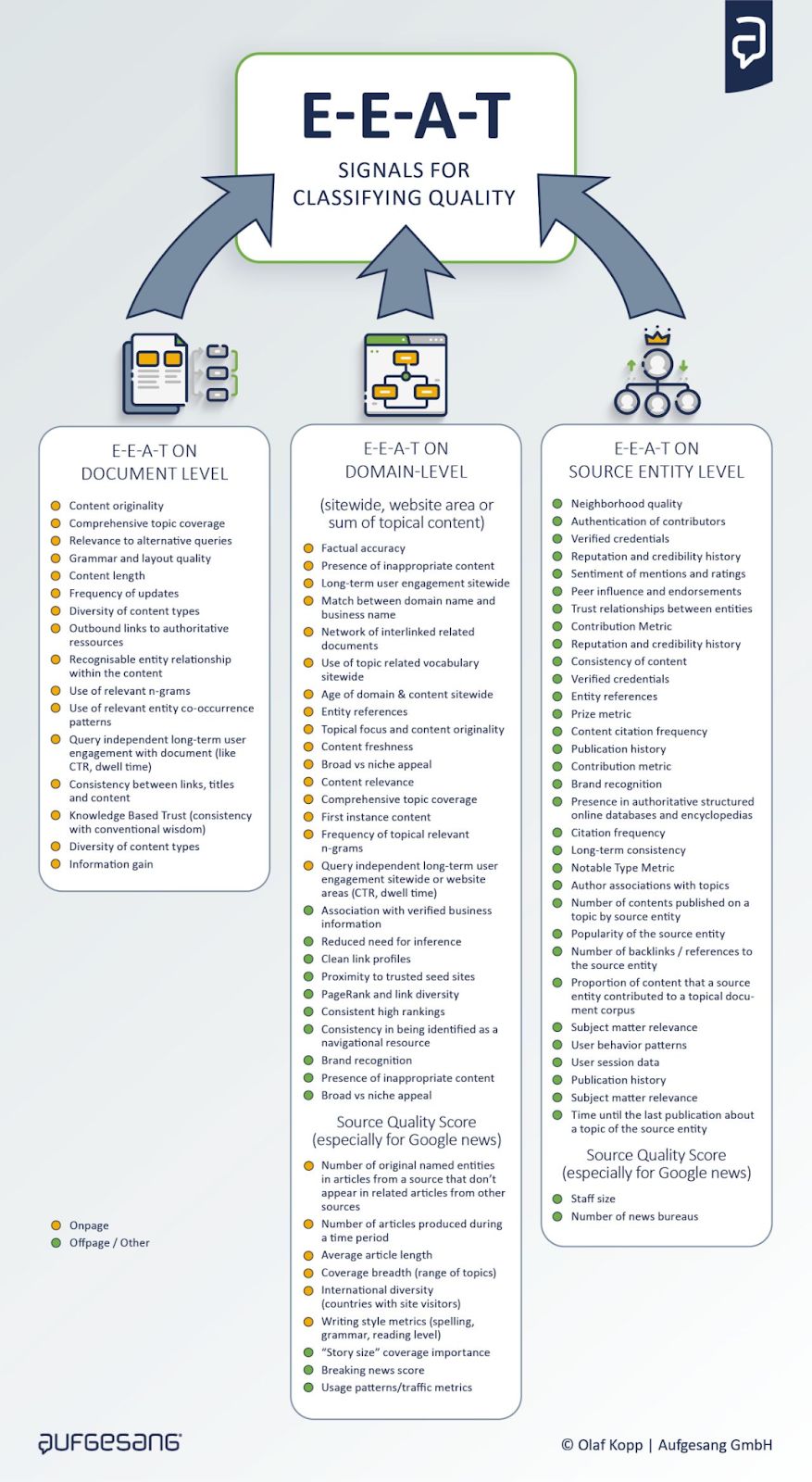
The evolving digital landscape, particularly with the rise of Google’s AI search features, has amplified the importance of brand authority. Many marketers and business owners are seeking concrete methods to measure and enhance this crucial aspect of their online presence. The answer lies in a thorough E-E-A-T audit, a systematic process designed to assess a brand’s Experience, Expertise, Authoritativeness, and Trustworthiness. While E-E-A-T itself is a conceptual framework used by Google’s Quality Raters, its manifestation can be observed through hundreds of measurable signals. This audit aims to translate these signals into a practical evaluation, ensuring brands are well-positioned for visibility and credibility in both traditional and AI-driven search environments.
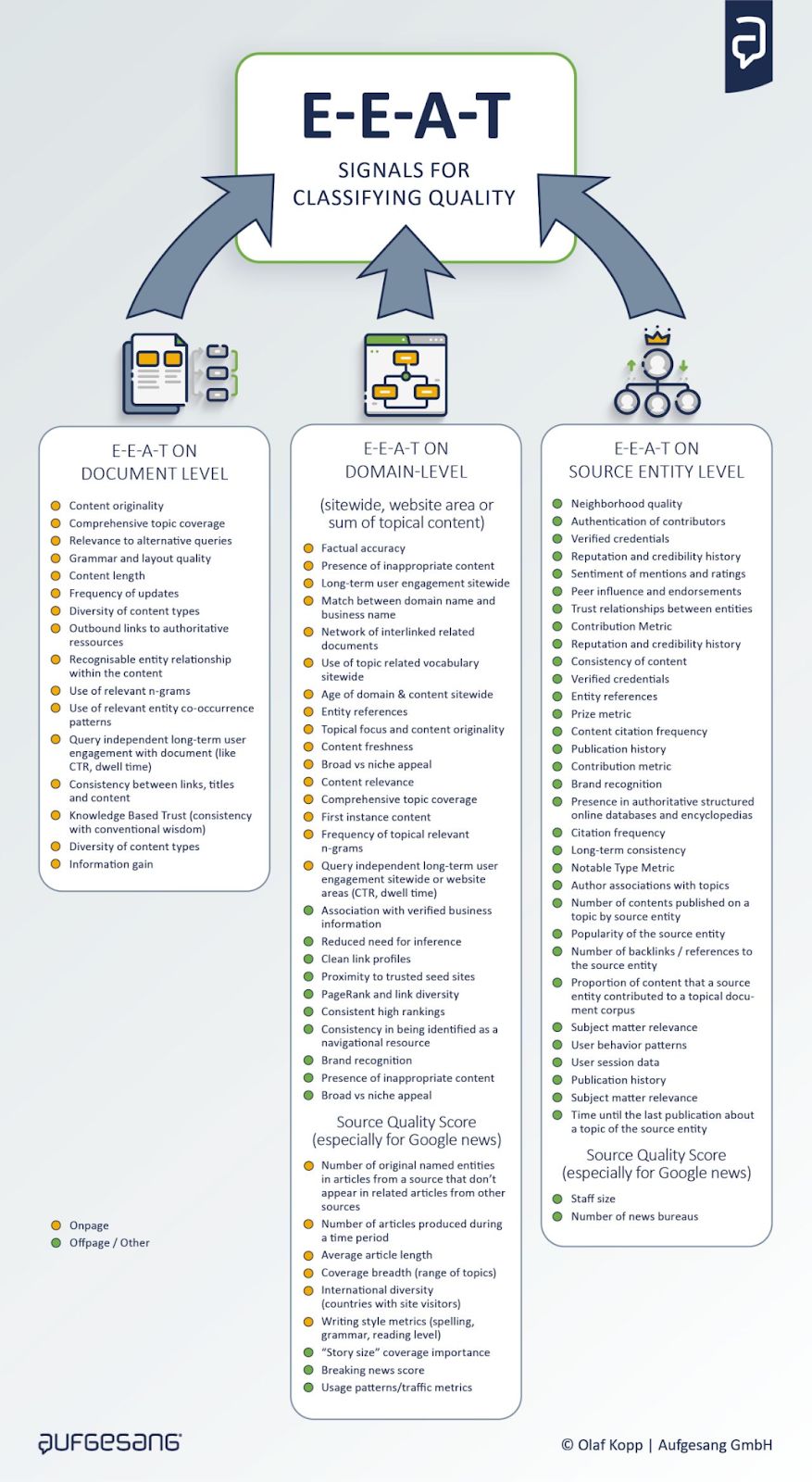
E-E-A-T Audit: 220+ Markers That Measure Experience, Expertise, Authority, and Trust

The challenge with E-E-A-T is its abstract nature; it’s not a direct ranking factor that can be simply added to a webpage. As Google’s John Mueller has stated, E-E-A-T is earned over time through building a solid brand, demonstrating genuine expertise, and cultivating trust and a positive reputation across the web. This audit process breaks down the evaluation into manageable, tangible components, encompassing everything from a website’s foundational elements to its off-site reputation and technical integrity.
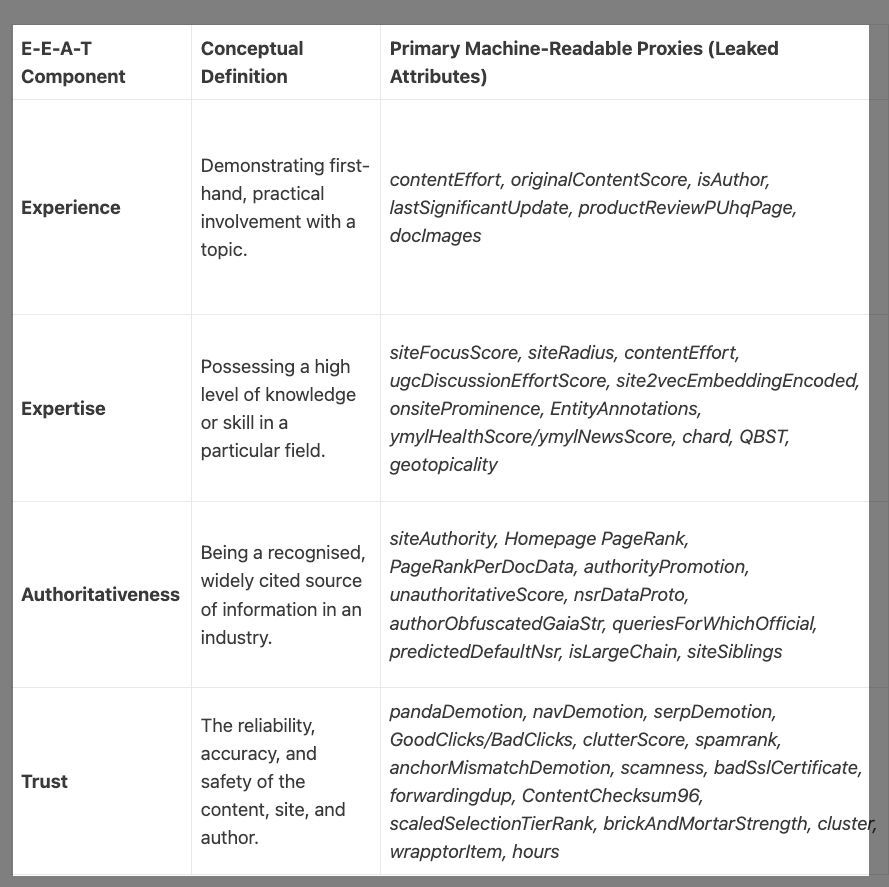
E-E-A-T Audit: 220+ Markers That Measure Experience, Expertise, Authority, and Trust

The E-E-A-T Audit Framework

E-E-A-T Audit: 220+ Markers That Measure Experience, Expertise, Authority, and Trust

The audit is structured around nine key areas, each contributing to the overall perception of a brand’s authority:
E-E-A-T Audit: 220+ Markers That Measure Experience, Expertise, Authority, and Trust
  1. Brand and Website Foundations: The initial step involves scrutinizing the core elements that establish a website’s legitimacy and trustworthiness. According to Google’s Quality Rater Guidelines, this includes evaluating the website’s clear purpose, identifying who is responsible for it, and assessing its overall reputation. A lack of these foundational elements can lead to a "Lowest" rating, irrespective of other strengths. Key checks include:
    E-E-A-T Audit: 220+ Markers That Measure Experience, Expertise, Authority, and Trust
    • Clear Website Purpose: Does the site clearly communicate its objective and what it offers?
    • About Us/Contact Information: Is there readily available information about the entity behind the website?
    • Reputation: Does the brand have a positive and verifiable reputation?
    • Transparency: Is information about the website’s ownership and operations clear and accessible?
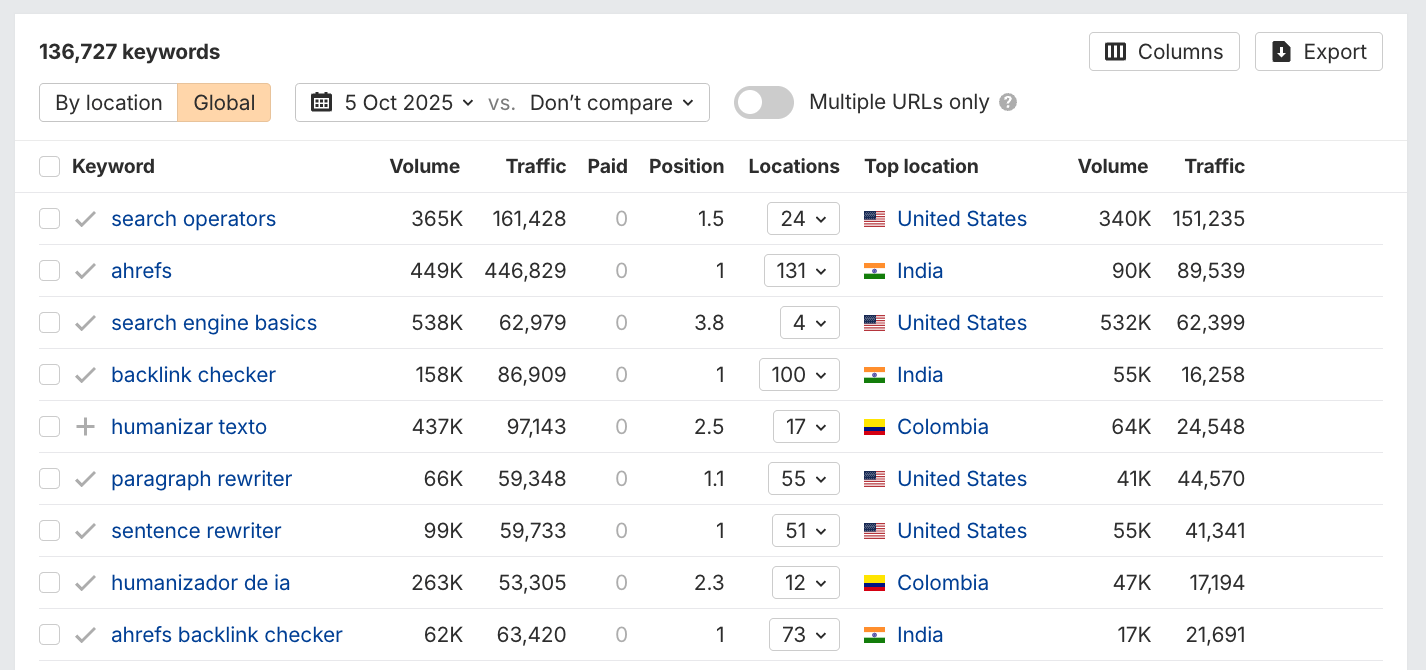
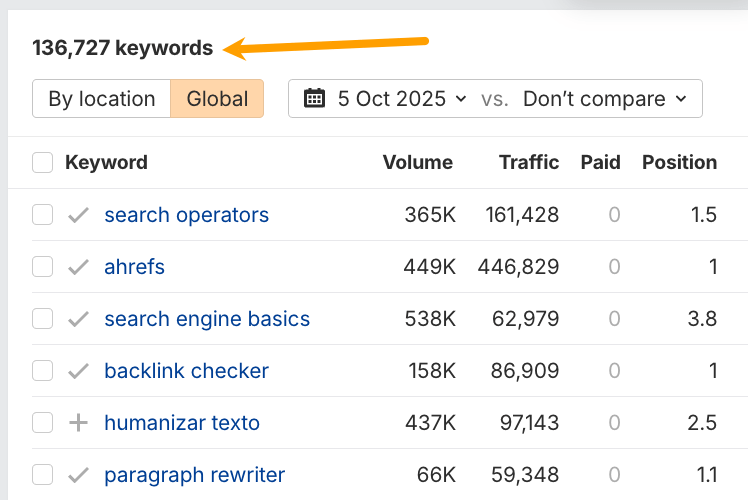
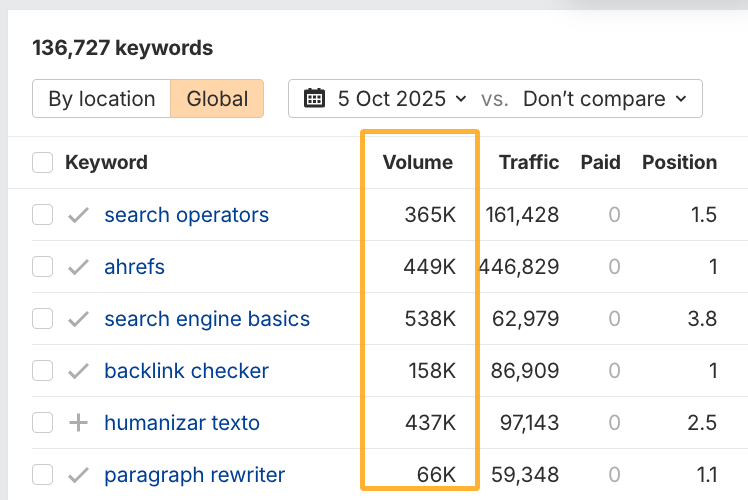
  2. Brand Authority in Google Search: Evaluating a brand’s performance in Google search serves as a proxy for how effectively its E-E-A-T signals are being recognized. High rankings for branded and topical queries indicate that Google perceives the brand as a relevant authority. This involves analyzing:
    E-E-A-T Audit: 220+ Markers That Measure Experience, Expertise, Authority, and Trust
    • Branded Search Volume: The number of searches for the brand’s name, products, or key individuals.
    • Topical Authority: Rankings for keywords directly related to the brand’s industry or niche.
    • Search Intent Alignment: How well the brand’s content satisfies user search intent.
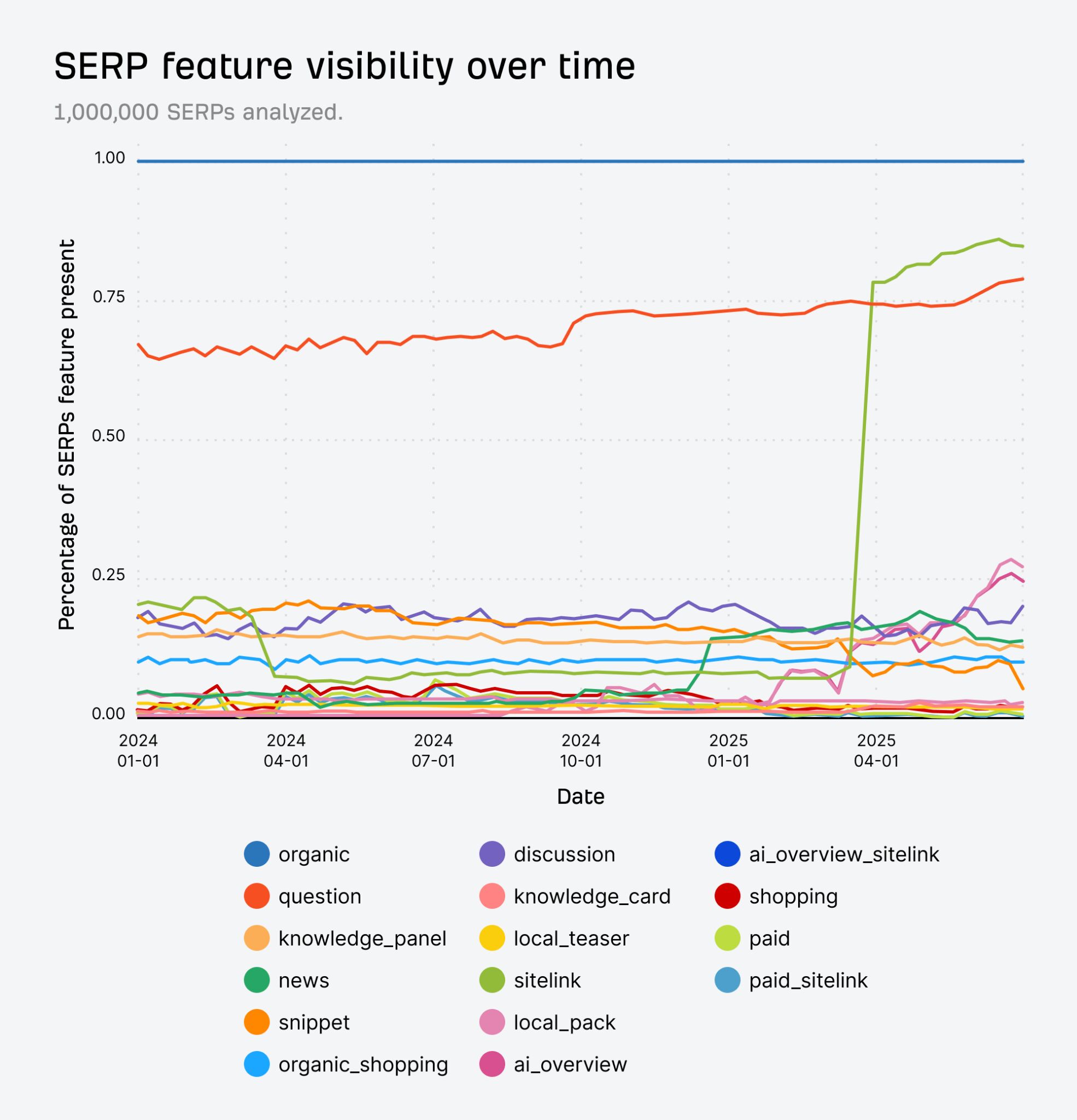
    • SERP Features: Presence in featured snippets, knowledge panels, and other prominent search result features.
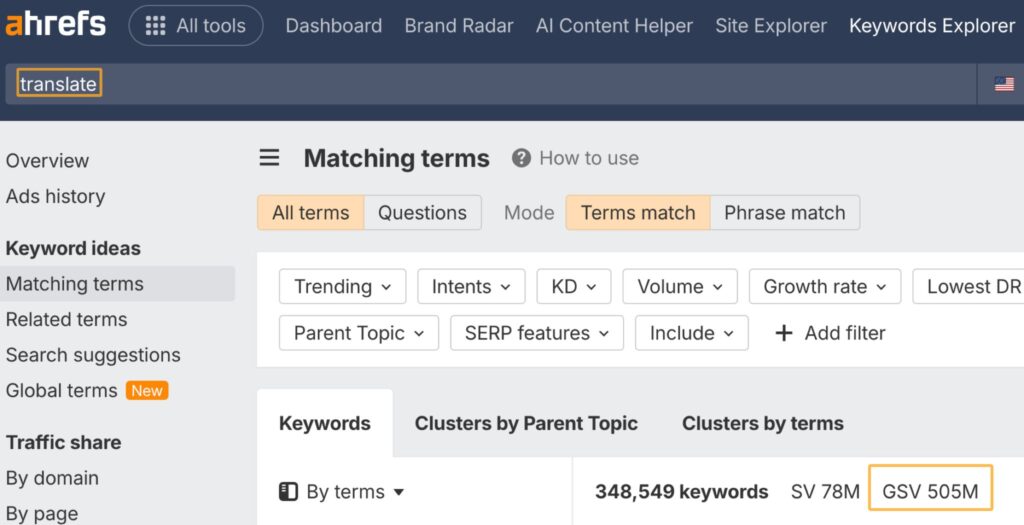
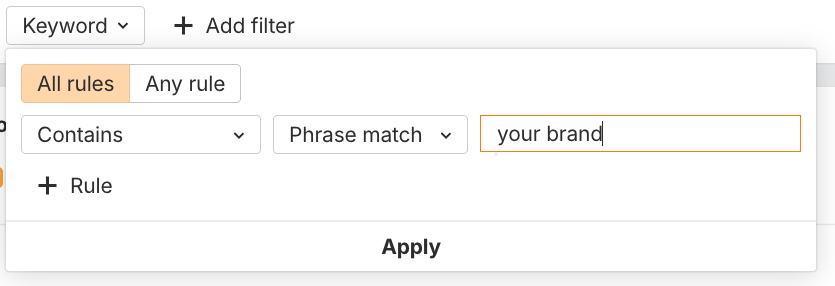
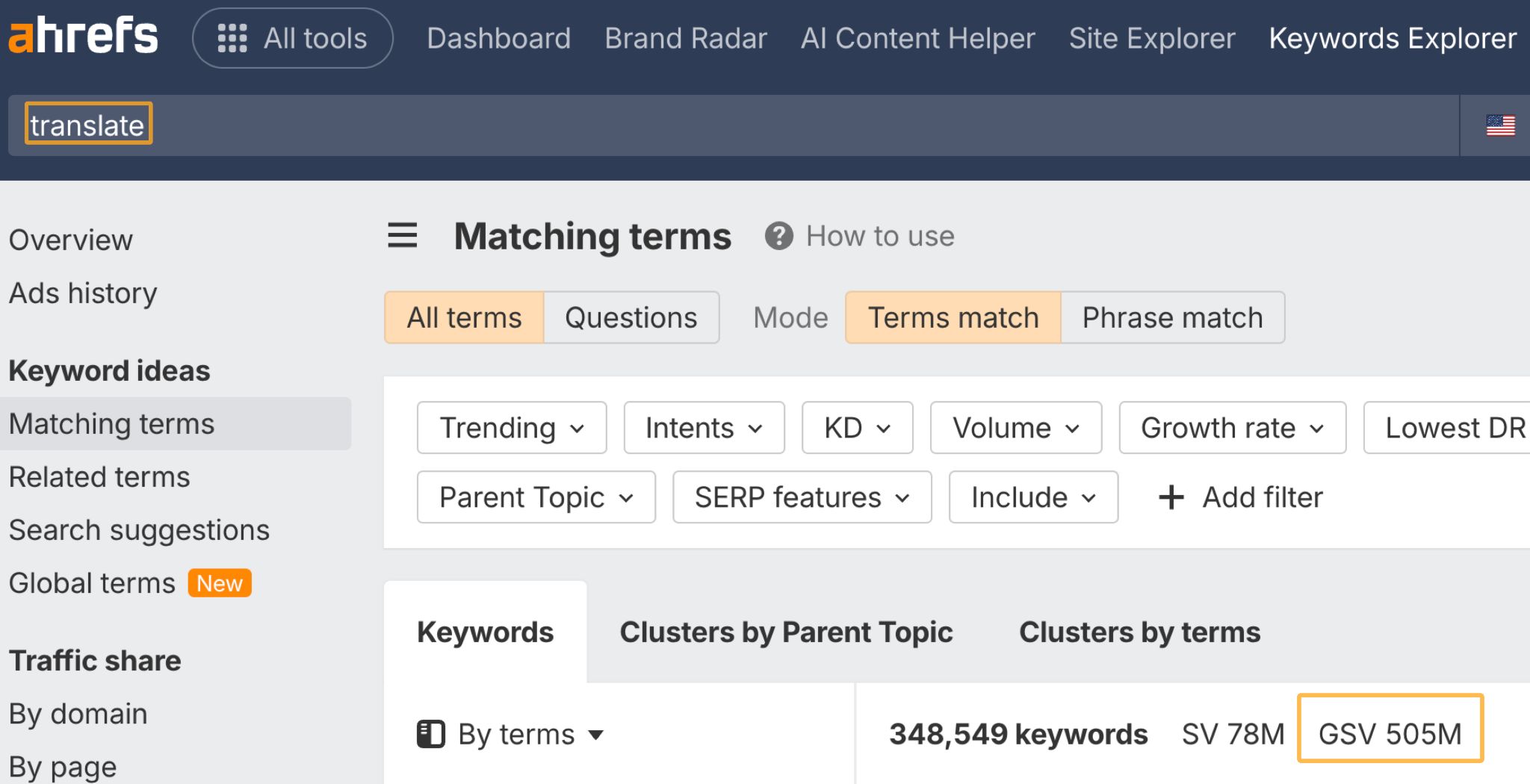
      Tools like Ahrefs Webmaster Tools can be utilized to identify branded keywords and assess search demand by the number of searches and total monthly search volume.
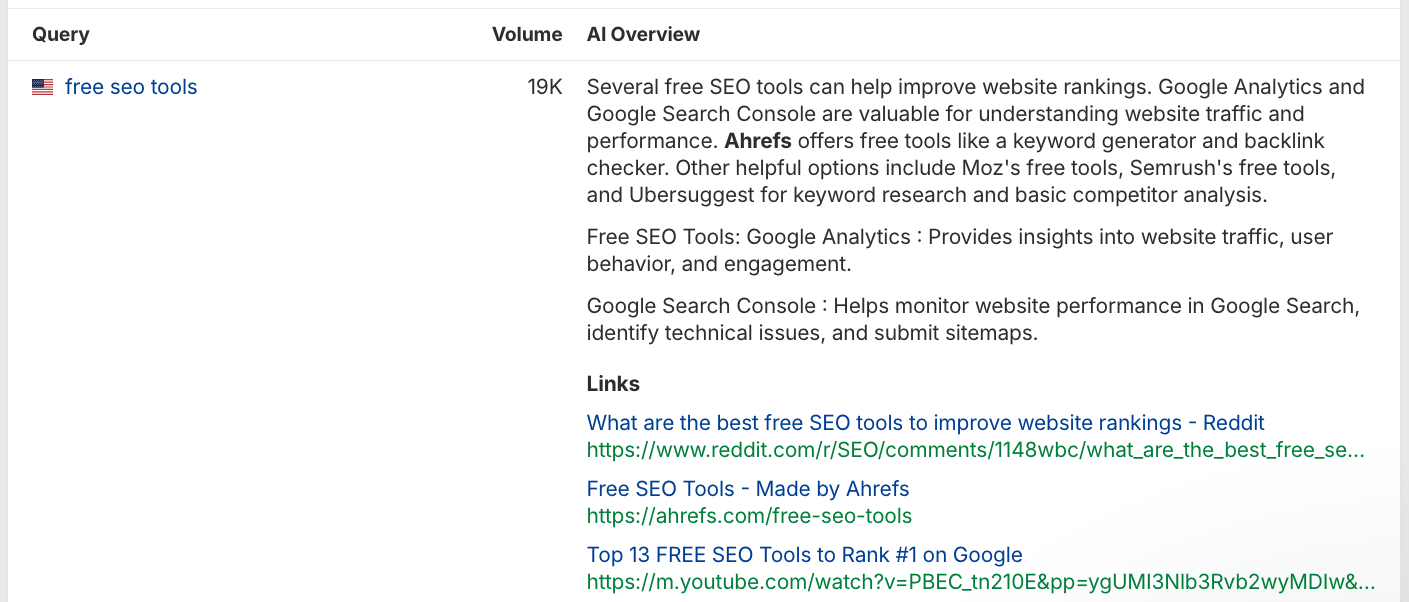
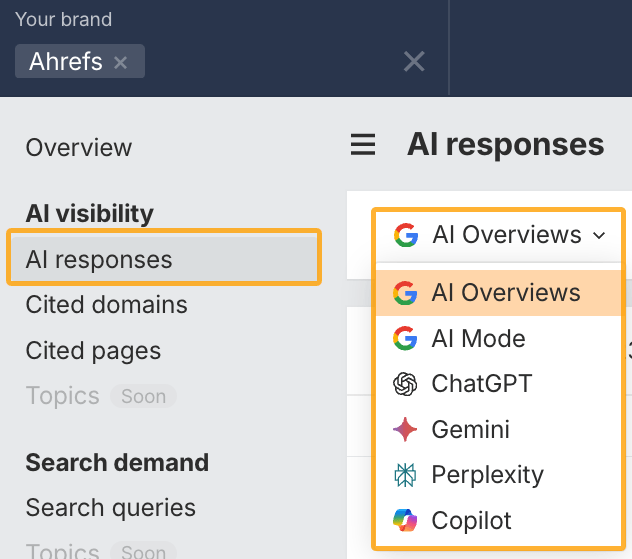
  3. Brand Authority in Google’s AI Features: As AI-powered features like AI Overviews and Gemini become more prevalent, understanding a brand’s visibility within them is critical. Brands cited in AI answers are typically those with strong authority signals that AI models already recognize. Auditing this involves looking for:
    E-E-A-T Audit: 220+ Markers That Measure Experience, Expertise, Authority, and Trust
    • AI Mentions: Instances where the brand is mentioned in AI queries or responses.
    • Cited Pages: Pages from the brand’s website that are referenced as sources in AI answers.
    • Cross-Platform Performance: How the brand appears across different AI search platforms.
      Ahrefs’ Brand Radar can help track these mentions and identify cited pages, offering insights into how AI systems perceive the brand’s credibility.
  4. Off-Site Brand Signals: A brand’s reputation is significantly influenced by what independent, credible sources say about it. Google’s quality raters prioritize these external endorsements over self-promotion. This section of the audit focuses on:

    E-E-A-T Audit: 220+ Markers That Measure Experience, Expertise, Authority, and Trust
    • Third-Party Reviews: Customer feedback on platforms like Google Reviews, Trustpilot, Yelp, etc.
    • Mentions in Reputable Publications: Citations and coverage in industry-specific or mainstream media.
    • Social Proof: Positive engagement and endorsements on social media.
    • Industry Awards and Recognitions: Any accolades or certifications earned.
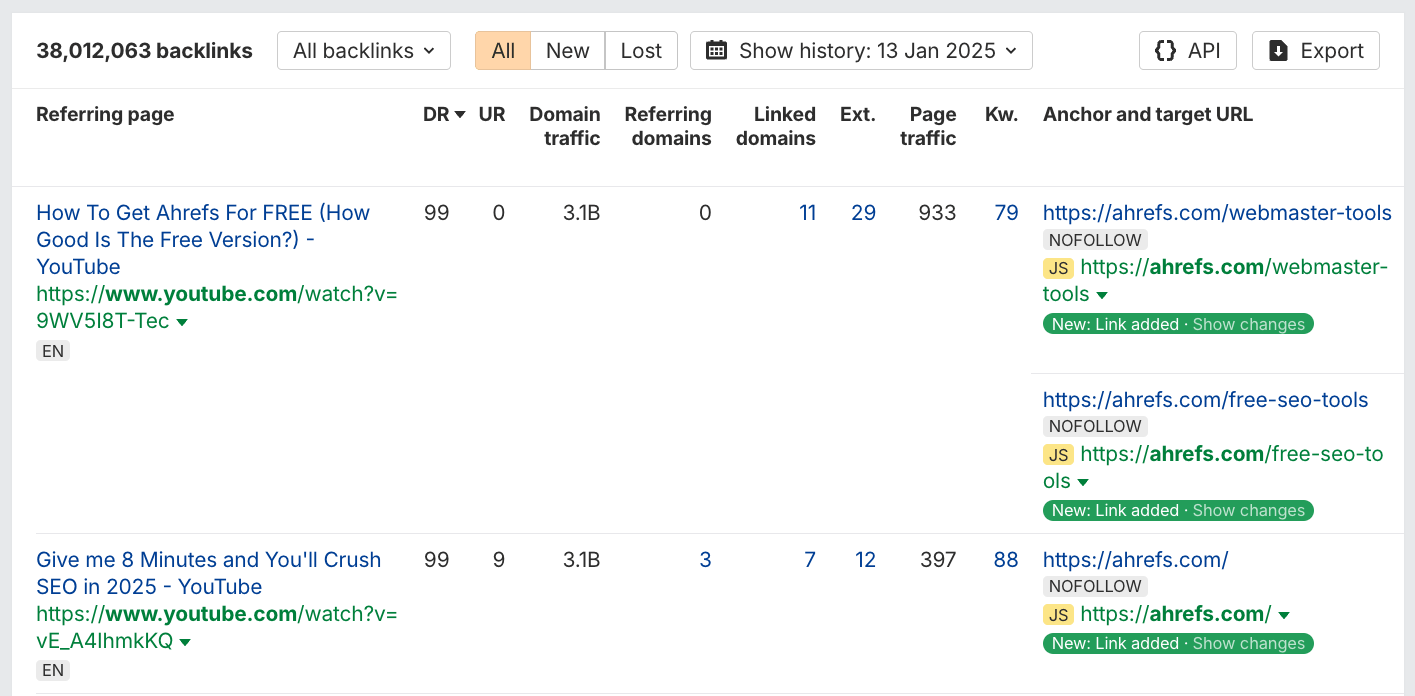
      Ahrefs’ Site Explorer and Brand Radar can provide lists of backlinks and web pages mentioning the brand, allowing for an analysis of sentiment and topical associations.
  5. Technical Trust Signals: Even strong content can be undermined by technical deficiencies that erode trust. A basic audit of technical aspects is essential:
    E-E-A-T Audit: 220+ Markers That Measure Experience, Expertise, Authority, and Trust
    • HTTPS Security: Ensuring the website uses a secure connection.
    • Schema Markup: Correct implementation of structured data to help search engines understand content.
    • User Experience (UX): Site speed, mobile-friendliness, and ease of navigation.
    • Clear Privacy Policy and Terms of Service: Accessible and comprehensive legal documentation.
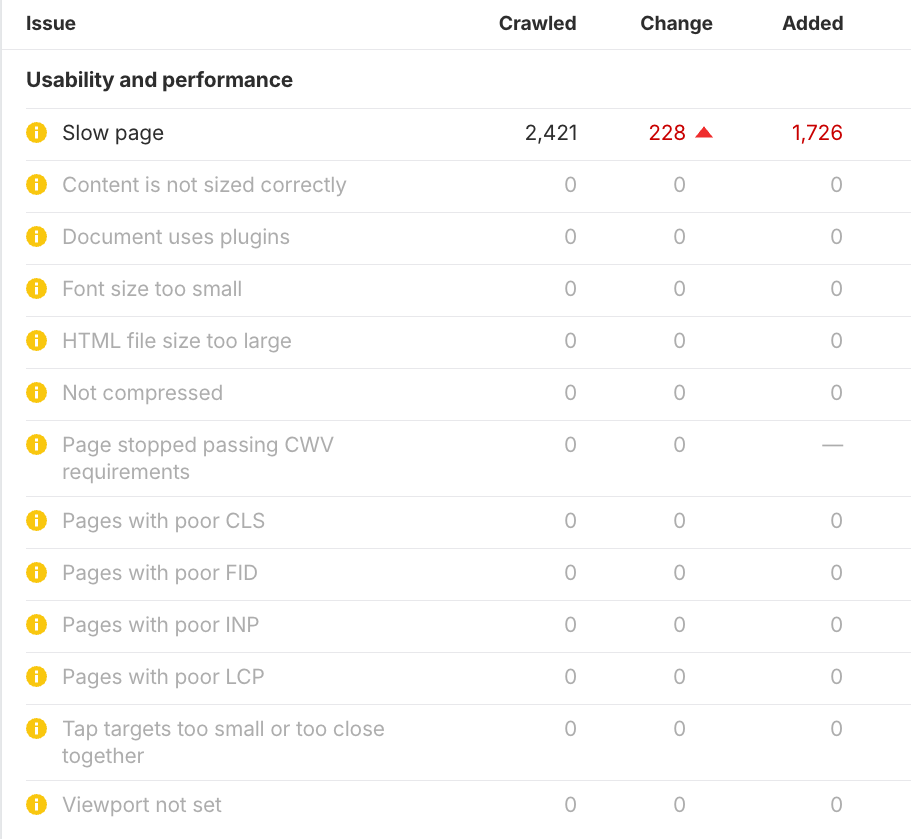
      Tools like Ahrefs Site Audit can automatically scan for these issues, flagging missing schema and security vulnerabilities.
  6. Content and On-Page Elements: Google’s emphasis on "helpful content" aligns directly with E-E-A-T principles. This audit area verifies the credibility and trustworthiness of content:
    E-E-A-T Audit: 220+ Markers That Measure Experience, Expertise, Authority, and Trust
    • Content Accuracy and Depth: Is the information factually correct, comprehensive, and up-to-date?
    • Author Credentials: Are authors clearly identified with relevant expertise?
    • Citations and References: Is content backed by credible sources and data?
    • Originality and Value: Does the content offer unique insights or perspectives?
    • User Engagement: Metrics like time on page, bounce rate, and social shares can indicate content value.
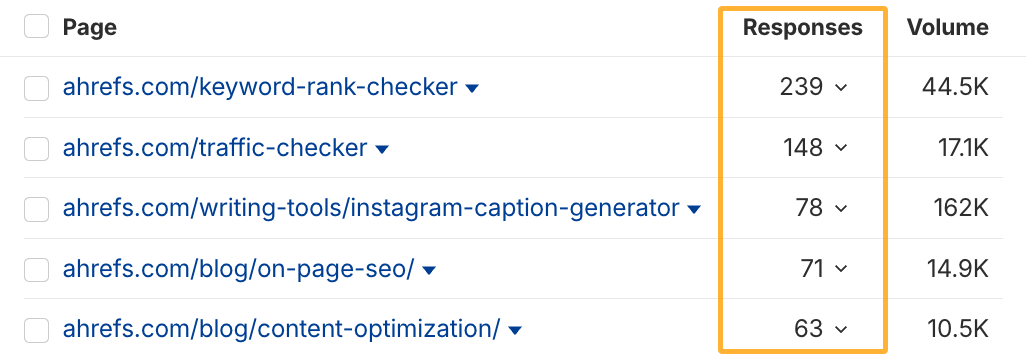
      Ahrefs’ Site Explorer’s "Top Pages" report can help identify high-performing content that should be prioritized for E-E-A-T enhancements.
  7. Key People Connected to the Brand: Google evaluates not just brands but also the individuals behind them. Auditing key people involves confirming their online presence and verifiability:
    E-E-A-T Audit: 220+ Markers That Measure Experience, Expertise, Authority, and Trust
    • Author Bios: Detailed and credible biographies for content creators and leadership.
    • Professional Profiles: Active and well-maintained profiles on platforms like LinkedIn.
    • Expertise Demonstration: Publicly available work, research, or contributions that showcase their knowledge.
    • Reputation of Individuals: What third-party sources say about the expertise and credibility of key personnel.
      By searching for individual names in tools like Brand Radar, one can assess their online footprint and reputation, mirroring the brand audit process.
  8. Site-Wide E-E-A-T Elements: A holistic audit considers the overall trustworthiness of the website as a whole. These signals contribute to a strong first impression:
    E-E-A-T Audit: 220+ Markers That Measure Experience, Expertise, Authority, and Trust
    • Consistent Branding: Uniformity in design, tone, and messaging across the site.
    • Clear Navigation: Intuitive site structure making it easy for users to find information.
    • Absence of Deceptive Practices: No misleading ads, intrusive pop-ups, or clickbait.
    • Accessibility: Ensuring the website is usable by people with disabilities.
      Site-wide consistency and the absence of technical issues that might deter users or crawlers are crucial.
  9. Scoring and Next Steps: The final stage involves scoring each assessed signal using a 5-point scale, similar to Google’s Quality Raters. This allows for quantitative measurement of a brand’s E-E-A-T strength, providing shareable percentage scores. Crucially, this stage also includes planning concrete actions to address identified weaknesses, creating an actionable roadmap for continuous improvement. This might involve updating author bios, enhancing schema markup, or actively seeking reviews on key platforms.
    E-E-A-T Audit: 220+ Markers That Measure Experience, Expertise, Authority, and Trust

By systematically auditing these nine areas, brands can gain a comprehensive understanding of their E-E-A-T standing. This detailed assessment, supported by robust SEO tools, empowers businesses to build a stronger, more trustworthy online presence, ultimately leading to greater visibility and credibility in the increasingly competitive search engine landscape.

Leave a Reply

Your email address will not be published. Required fields are marked *