 11
11 1
1 2
2 3
3
In a significant move that underscores the increasing integration of digital assets into traditional finance, Bitcoin-backed loan platform Ledn has successfully placed approximately $188 million in bonds backed by Bitcoin-collateralized consumer loans into the mainstream asset-backed securities (ABS) market. This pioneering transaction, as reported by Bloomberg, marks a crucial milestone, demonstrating that financial institutions are becoming more comfortable with Bitcoin as a legitimate form of collateral.
The deal, structured through Ledn Issuer Trust 2026-1, involved the securitization of a pool of 5,441 short-term, fixed-rate balloon loans extended to 2,914 borrowers across the United States. These loans are secured by 4,078.87 Bitcoin, held in custody as collateral. S&P Global Ratings provided preliminary documentation on February 9th, detailing the structure and assigning initial credit ratings.
A key highlight of this transaction is the pricing of one of its two tranches, the investment-grade portion. This tranche was reportedly priced at a spread of about 335 basis points over a benchmark rate. This indicates that investors are demanding an additional 3.35 percentage points in yield to assume the credit risk associated with these crypto-linked assets, compared to holding conventional consumer ABS. This premium reflects the perceived additional risk but also the growing appetite for such novel investment opportunities.
Understanding the structure of these loans is essential. Balloon loans are characterized by relatively small periodic payments over the loan term, culminating in a large lump-sum payment, or "balloon" payment, due at maturity. This structure keeps near-term payment obligations low for borrowers but leaves a substantial principal balance to be settled at the end of the loan period.
S&P Global Ratings assigned preliminary ratings to the two tranches of notes issued by Ledn Issuer Trust 2026-1. The senior Class A notes, totaling $160 million, received a preliminary BBB- (sf) rating. The BBB- rating signifies the lowest tier of investment-grade debt, indicating an adequate capacity to meet financial commitments, though with a higher vulnerability to adverse economic conditions compared to higher-rated bonds. The subordinated Class B notes, amounting to $28 million, were assigned a preliminary B- (sf) rating. This B- rating falls into the non-investment-grade, or "junk," territory, where the risk of default is materially higher.

The financial intermediation for this groundbreaking deal was handled by Jefferies Financial Group, which acted as the sole structuring agent and bookrunner. As a major Wall Street dealer, Jefferies played a critical role in bridging the gap between institutional fixed-income investors and this novel form of crypto-linked exposure.
Andre Dragosch, head of research Europe at Bitwise, commented on the significance of Ledn’s ability to package these Bitcoin-backed loans into a traditional ABS structure. He stated that this move implies that Bitcoin is "increasingly seen as safe and legit collateral by traditional financial institutions." Dragosch further pointed to other developments, such as major banks like JPMorgan offering Bitcoin-backed loans to their customers, as further evidence of this growing acceptance. "Bitcoin is increasingly being integrated into traditional finance as the new pristine collateral," he remarked.
Jinsol Bok, research lead at global crypto research company Four Pillars, shared a similar perspective. Bok explained that this development allows liquidity, which might otherwise remain locked up, to be "expanded into new lending." He anticipates that the size of the Bitcoin collateralized lending market could "grow far beyond its current level in the future." Bok also highlighted a key differentiator of crypto-collateralized loans compared to traditional assets like real estate mortgages: their transparency. He noted that Bitcoin collateralized loans can be transparently tracked on the blockchain and can be liquidated in a programmable manner. "For this reason, I believe that the risks associated with ABS in this context do not need to be excessively overstated," Bok added.
It is important for investors to understand what they are purchasing when investing in these asset-backed securities. Investors in Ledn’s notes are not directly owning Bitcoin. Instead, they are taking on credit and structural risk tied to a pool of loans that are secured by Bitcoin. The performance of these investments hinges on the borrowers’ ability to repay their loans and Ledn’s capacity to liquidate the Bitcoin collateral effectively, particularly during periods of market volatility.
Dragosch further elaborated on the nature of these loans, stating, "These loans generally have a low default rate because they tend to have low LTV [loan-to-value] ratios and are well capitalized with BTC." This suggests that the loans are issued with a significant buffer of collateral relative to their value, contributing to their perceived safety.
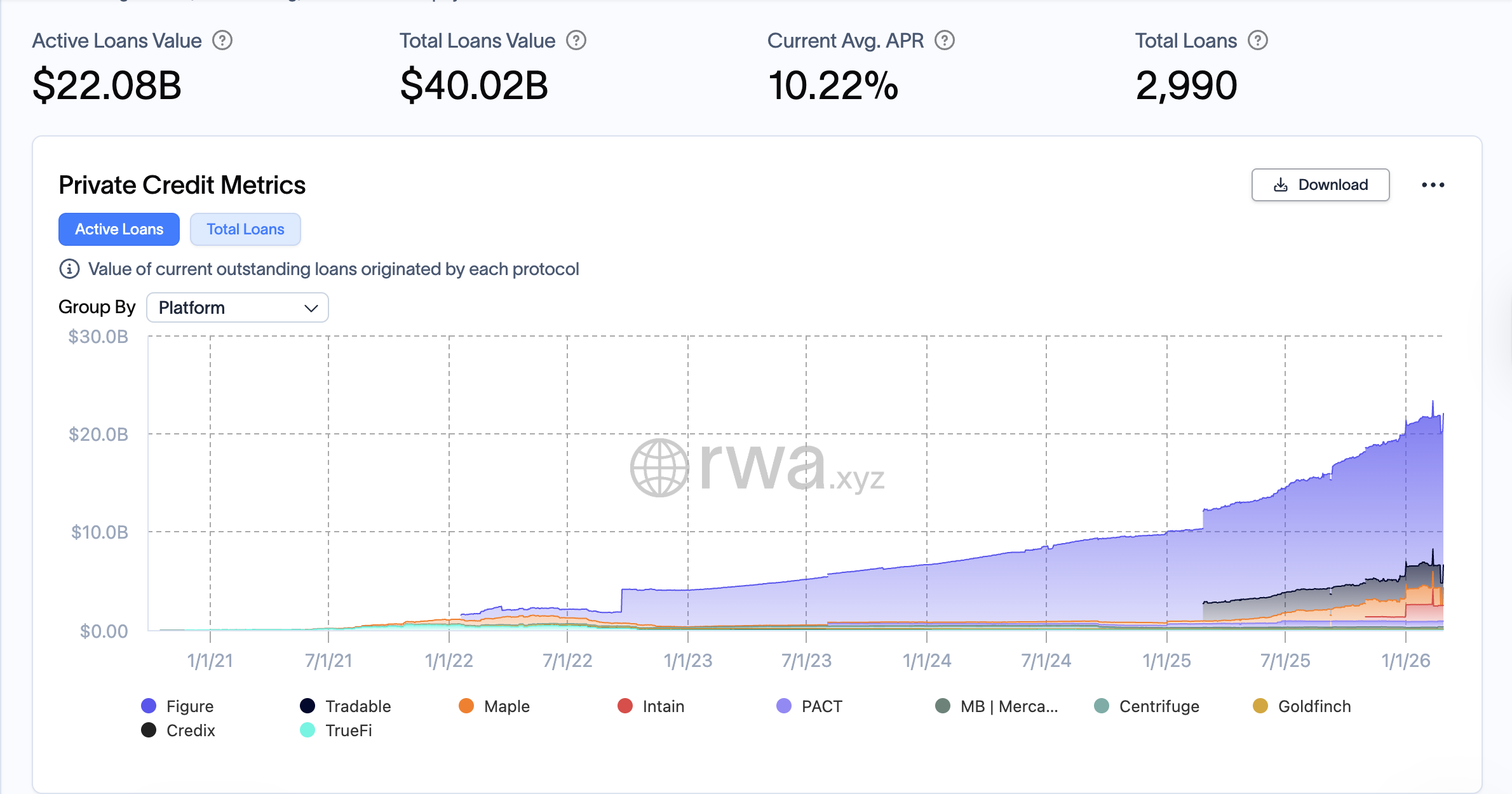
Ledn, founded in 2018, has reported funding over $9.5 billion in loans across more than 100 countries. The company has also secured strategic investment from Tether, the issuer of the USDt (USDT) stablecoin, in November 2025, further bolstering its position in the crypto lending landscape.