 11
11 1
1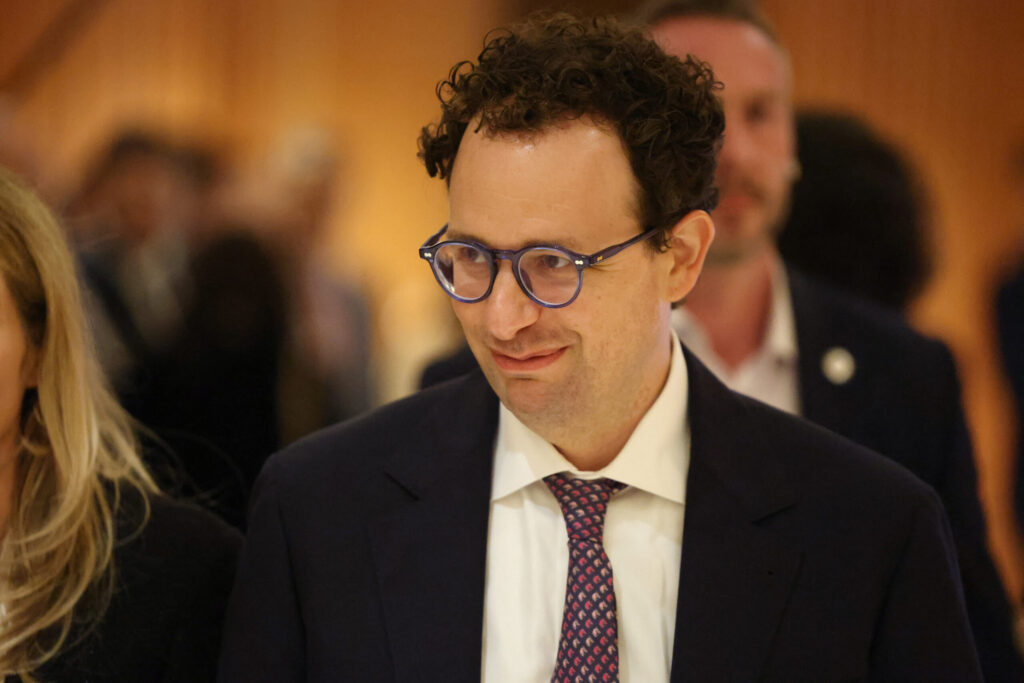 2
2 3
3
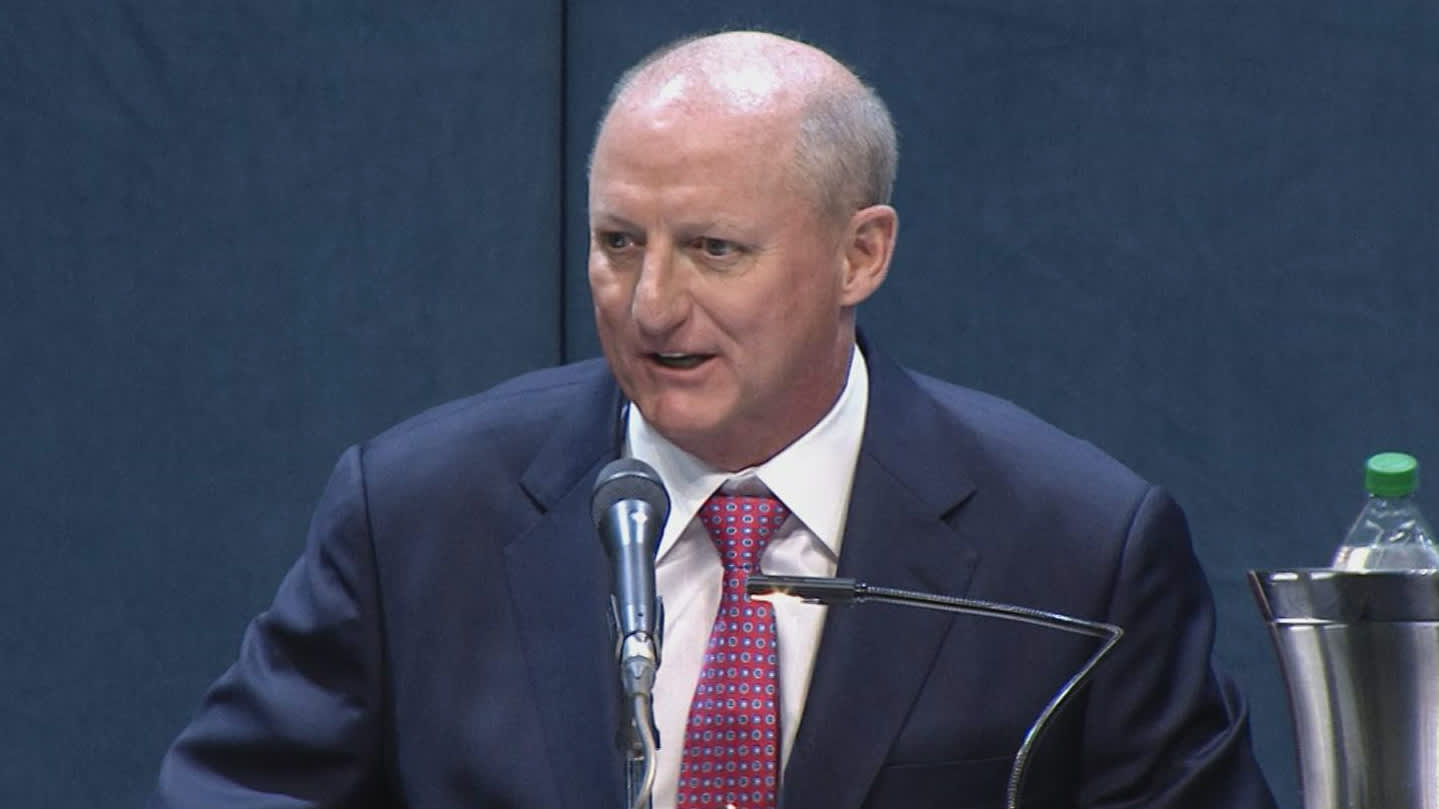
JPMorgan Chase & Co. CEO Jamie Dimon revealed on Monday a profound sense of anxiety regarding the U.S. economy, drawing parallels between the current environment and the years leading up to the 2008 financial crisis. He pointed to elevated asset prices and intense competition within the banking sector as key drivers of his concern. Speaking at an annual investor update, Dimon emphasized his inclination to scrutinize potential risks, particularly when optimism is running high.
"My own view is people are getting a little comfortable that this is real, these high asset prices and high volumes, and that we won’t have any problems," Dimon stated. He elaborated that the economic cycle will inevitably turn, leading to a wave of borrower defaults that could broadly impact lenders and unexpectedly affect various industries. "There will be a cycle one day… I don’t know what confluence of events will cause that cycle. My anxiety is high over it," he added. "I’m not assuaged by the fact that asset prices are high. In fact, I think that adds to the risk."
Dimon’s remarks come at a time when the market is grappling with concerns over the disruptive potential of artificial intelligence (AI). While AI models from companies like Anthropic and OpenAI have fueled market volatility, particularly impacting software firms, the broader S&P 500 has remained close to its all-time record levels. Simultaneously, anxieties surrounding loans to software companies entangled with AI have significantly impacted private credit lenders. This was underscored by a recent event where Blue Owl spooked markets by announcing the sale of assets to meet investor demands for exiting one of its funds. This incident, which affected the shares of major alternative asset managers such as Apollo, KKR, and Blackstone, prompted some market observers to question if a broader downturn in credit was imminent.
Doing ‘Dumb Things’
Dimon cautioned that surprises are an inherent part of credit cycles, and the impact often falls on unexpected sectors. "There’s always a surprise in a credit cycle," he said. "The surprise has often been which industry" is impacted most, he noted. "You didn’t expect utilities and phone companies in ’08, ’09, and this time around, it might be software, because of AI."
Endorsing the views of his deputies, Dimon echoed concerns about private credit. Troy Rohrbaugh, co-head of JPMorgan’s commercial and investment bank, expressed that issues might not be confined to private credit lenders but could be "more broad-based." Rohrbaugh stated, "At this point, it feels a bit isolated to a handful of situations, but that could quite easily change, and we’re prepared for that."

Responding to a question from veteran banking analyst Mike Mayo, Dimon drew a stark comparison between the current economic climate and the three years preceding the 2008 financial crisis. He described a period where "everyone is making a lot of money, people were leveraging, the sky was the limit." He indicated that some financial firms are engaging in what he termed "dumb things," driven by a pursuit of interest income through lending and investment activities, though he declined to name specific entities.
"You feel stupid when everyone’s coining money and everyone’s great… it does feel really good," Dimon remarked. He concluded with a somber warning: "And then when I think about all the factors taking place… I take a deep breath and say ‘watch out’."
CEO Succession Discussion
In addition to his economic outlook, Dimon also addressed the recurring question of CEO succession at JPMorgan, a company he has steered to become the world’s largest bank by market capitalization during his two-decade tenure. While he has previously provided specific timelines for his departure, he refrained from doing so on Monday.
"I was told to say this very specifically," Dimon stated, eliciting scattered laughter from the assembled analysts. "I’m here for a few years as CEO, and maybe a few after that as executive chairman."
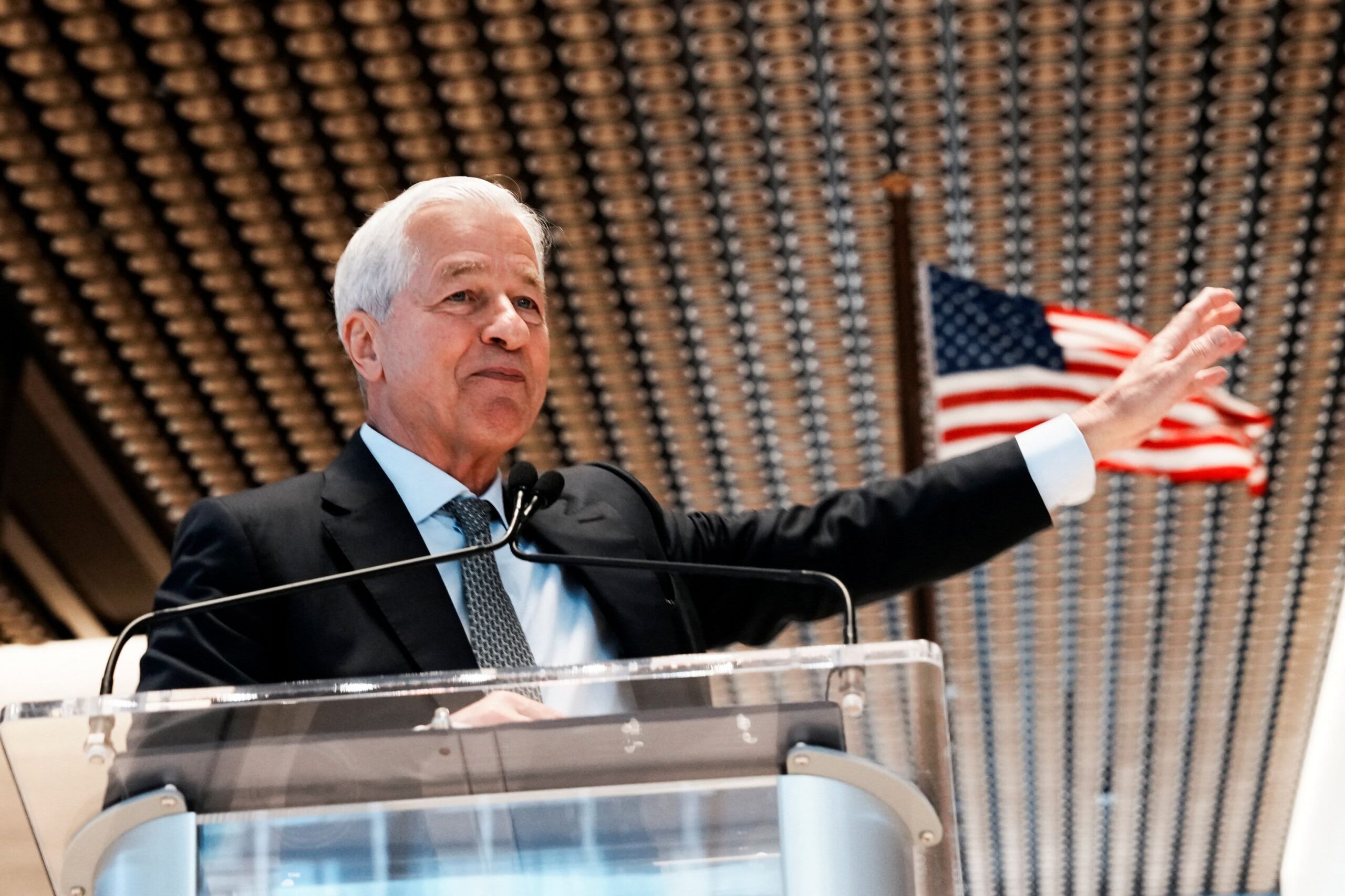
The image accompanying the article depicted Jamie Dimon, CEO of JPMorgan Chase & Co., at the 2025 IIF annual membership meeting in Washington on October 16, 2025, taken by Samuel Corum for Bloomberg via Getty Images. The context of the investor update was also linked to a JPMorgan Chase company update from 2026. Further context on the disruption potential of AI was provided through links to related CNBC articles on cybersecurity stocks and AI, as well as concerns over private credit lending and the impact on alternative asset managers. The article also referenced a tweet from Mohamed El-Erian regarding a potential broader downturn in credit and provided links to profiles of Troy Rohrbaugh and information regarding Jamie Dimon’s succession plans.