 11
11 1
1 2
2 3
3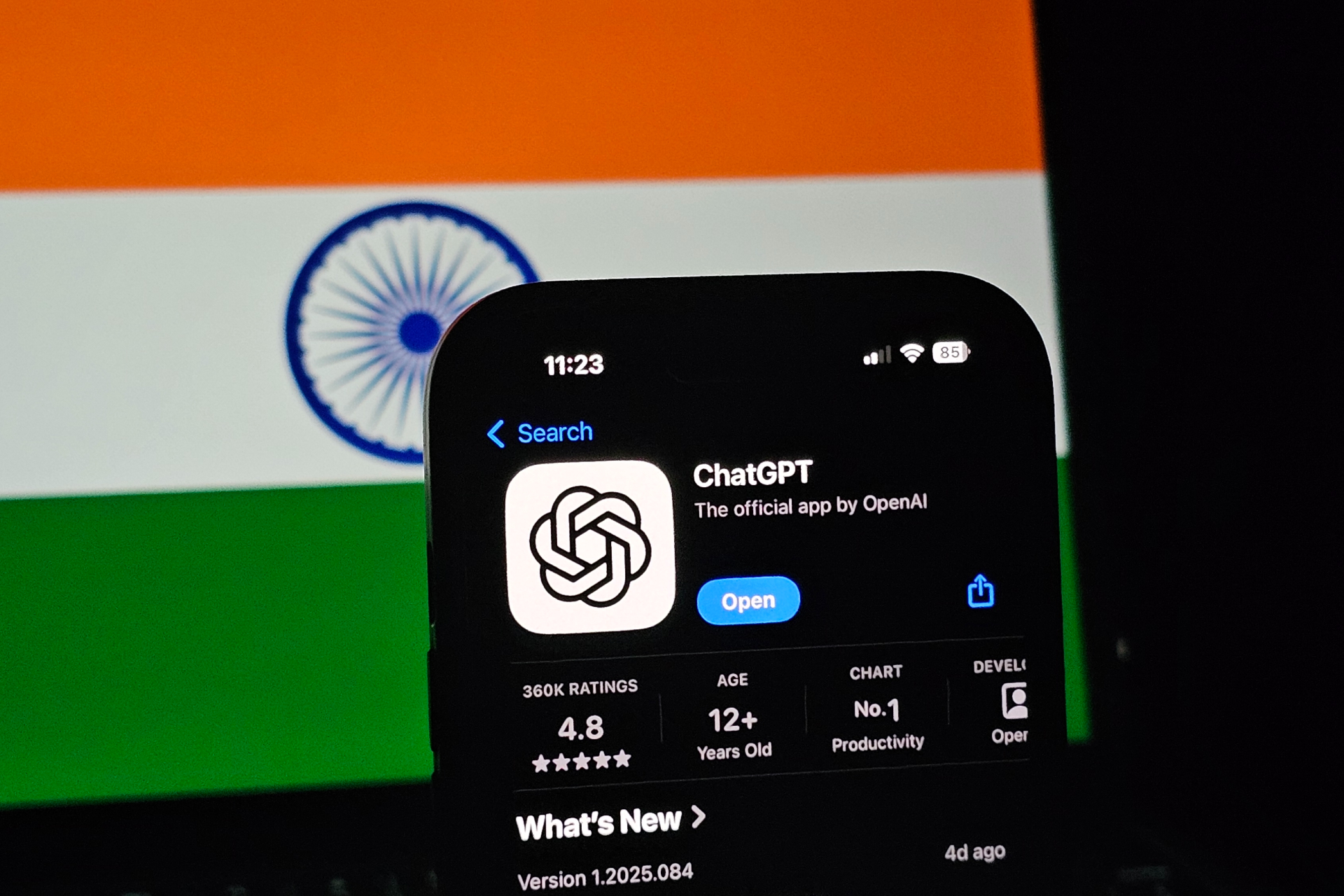
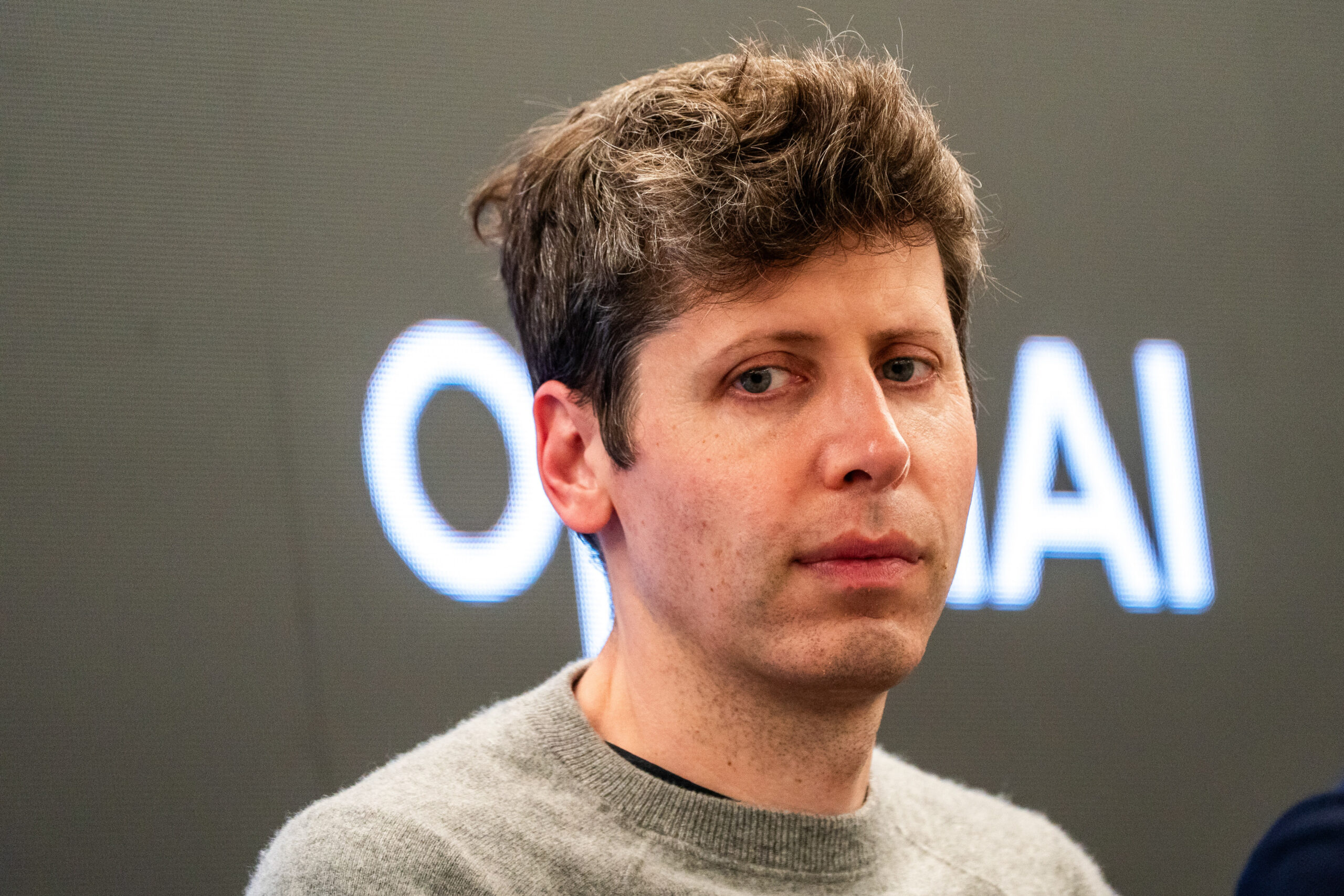
This significant disclosure positions India as a pivotal nation in the global artificial intelligence landscape, second only to the United States in terms of ChatGPT’s user base. The announcement underscores India’s burgeoning digital economy, its vast internet user base, and its strategic importance for leading AI firms like OpenAI, which are increasingly looking to emerging markets for their next phase of growth and innovation. The 100 million weekly active users highlight an impressive adoption rate for OpenAI’s flagship conversational AI, reflecting a deep integration into the daily lives of millions of Indians, from students to professionals.
Sam Altman outlined ChatGPT’s rapidly growing adoption in India in an article published on Sunday in the Indian English daily, The Times of India. His comments came as OpenAI prepared for its formal participation in the five-day India AI Impact Summit in New Delhi, which commenced on Monday. The summit, a major event on the global technology calendar, is expected to draw a confluence of top-tier AI leaders, policymakers, and business magnates, with Altman himself slated to attend alongside senior executives from many of the world’s foremost artificial intelligence companies. His presence and the timing of his announcement emphasize OpenAI’s commitment to the Indian market and its intention to play a key role in shaping the country’s AI future.
The exponential growth of ChatGPT’s user base in India is not an isolated phenomenon but rather a reflection of a broader strategic pivot by OpenAI and other leading AI firms towards the South Asian nation. India, with its youthful demographic and a staggering internet user base exceeding a billion, presents an unparalleled opportunity for global expansion. Tech giants recognize India not just as a consumer market but also as a fertile ground for talent and innovation. This strategic focus was concretized when the ChatGPT maker established its New Delhi office in August 2025, following months of meticulous groundwork and engagement within the country. This local presence signifies OpenAI’s long-term commitment to fostering local partnerships, understanding regional nuances, and tailoring its offerings to meet the unique demands of the Indian populace.
Understanding the dynamics of India’s price-sensitive market has been crucial to OpenAI’s strategy. To ensure wider accessibility and adoption, the company rolled out a sub-$5 ChatGPT Go tier, a tailored offering designed to be affordable for a broader segment of Indian users. Demonstrating a further commitment to market penetration and a belief in the long-term benefits of widespread access, this tier was subsequently made free for a year for all Indian users. Such strategic pricing and accessibility initiatives are vital for penetrating a market where cost can be a significant barrier, enabling millions to experience the power of generative AI firsthand.
Altman’s article further clarified India’s standing, confirming it as ChatGPT’s second-largest user base globally, trailing only the United States. This disclosure firmly entrenches the South Asian nation’s increasing strategic weight within OpenAI’s overarching global blueprint. The revelation comes amidst a period of explosive growth for ChatGPT worldwide, with the platform having achieved a remarkable 800 million weekly active users as of October 2025, and reports suggesting it is rapidly approaching the 900 million mark. India’s substantial contribution to these figures underscores its critical role in the platform’s sustained global momentum and expansion.
A particularly noteworthy aspect of India’s adoption pattern highlighted by Altman is the demographic driving much of this growth: students. India boasts the largest number of student users of ChatGPT globally. This trend signifies a transformative shift in educational paradigms, where AI tools are becoming integral to learning, research, and skill development. Students, being early adopters of technology, represent a crucial segment for AI companies, not just for immediate user growth but also for fostering a future workforce adept at leveraging AI. Their engagement provides invaluable feedback for product development and helps to embed AI literacy at foundational levels.
This focus on the student demographic is not unique to OpenAI. Other leading AI companies are similarly vying to embed their tools within educational institutions and learning workflows across India. Google, a major competitor, has also actively targeted this market, offering Indian students a free one-year subscription to its AI Pro plan in September 2025. Complementing this, Chris Phillips, Google’s vice president and general manager for education, stated last month that India accounts for the highest global usage of Gemini for learning. These parallel efforts by tech giants underscore the immense potential seen in India’s education sector as a catalyst for widespread AI adoption and a proving ground for AI-driven learning solutions.
In his article, Altman articulated a profound vision for India’s role in the global AI ecosystem: “With its focus on access, practical AI literacy, and the infrastructure that supports widespread adoption, India is well positioned to broaden who benefits from the technology and to help shape how democratic AI is adopted at scale.” This statement reflects a belief that India’s unique characteristics—its scale, its democratic values, and its innovative spirit—can serve as a model for making AI inclusive and beneficial to a diverse population, moving beyond the confines of developed economies.
Despite the rapid adoption, ChatGPT’s impressive growth in India also brings to light a broader, complex challenge for AI companies operating in the country: translating widespread user engagement into sustained economic impact. India’s unique market dynamics, characterized by its price sensitivity and existing infrastructure constraints, complicate monetization strategies and large-scale deployment efforts more than in technologically advanced economies. While the sheer volume of users is compelling, converting this into robust revenue streams, fostering local innovation, and creating widespread economic opportunities requires tailored approaches.
Recognizing these gaps, the Indian government has launched ambitious initiatives such as the IndiaAI Mission. This national program is meticulously designed to address critical areas: expanding computing capacity to support advanced AI applications, providing crucial support and incubation for AI startups, and accelerating the adoption of AI in public services to enhance governance and citizen welfare. These efforts aim to create an enabling ecosystem that can harness the potential of AI for national development. However, the path to large-scale, equitable deployment remains intricate, requiring significant investment in digital infrastructure, skill development, and policy frameworks that balance innovation with ethical considerations.
Altman also issued a cautionary note regarding the potential ramifications of uneven access and adoption. He warned, “Given India’s size, it also risks forfeiting a vital opportunity to advance democratic AI in emerging markets around the world,” implying that if access to AI technologies is not broad and equitable, the economic gains could become concentrated in the hands of a select few, exacerbating existing disparities rather than alleviating them. This highlights the imperative for inclusive strategies that ensure AI benefits society at large.
Looking ahead, Altman signaled OpenAI’s intent to significantly deepen its engagement with the Indian government. He announced that the company would soon unveil new partnerships specifically aimed at broadening access to AI across the country. While specific details of these collaborations were not disclosed, Altman indicated that the primary focus would be on expanding the reach of AI tools and empowering more individuals to utilize them for practical applications, thereby reinforcing the vision of democratic and accessible AI.
The India AI Impact Summit itself is a testament to India’s rising prominence in the global AI discourse. The event is expected to attract a wide cross-section of global technology and political leaders, underscoring its stature. High-profile attendees include Dario Amodei, CEO of Anthropic; Sundar Pichai, CEO of Google; and influential Indian business figures such as Mukesh Ambani and Nandan Nilekani. Furthermore, the presence of international political leaders, including French President Emmanuel Macron, Sheikh Khaled bin Mohamed bin Zayed Al Nahyan, and Brazilian President Luiz Inácio Lula da Silva, spotlights India’s clear ambition to position itself as a central player in global AI policy discussions and technological stewardship. For global AI firms, including OpenAI, the summit serves as a crucial platform, illustrating how India’s immense user base is increasingly translating into significant influence over the trajectory and ethical evolution of artificial intelligence worldwide.
OpenAI did not respond to a request for further comment regarding the specifics of Altman’s statements or future plans.
About the Author:
Jagmeet covers startups, tech policy-related updates, and all other major tech-centric developments from India for TechCrunch. He previously worked as a principal correspondent at NDTV. You can contact or verify outreach from Jagmeet by emailing [email protected].