 11
11

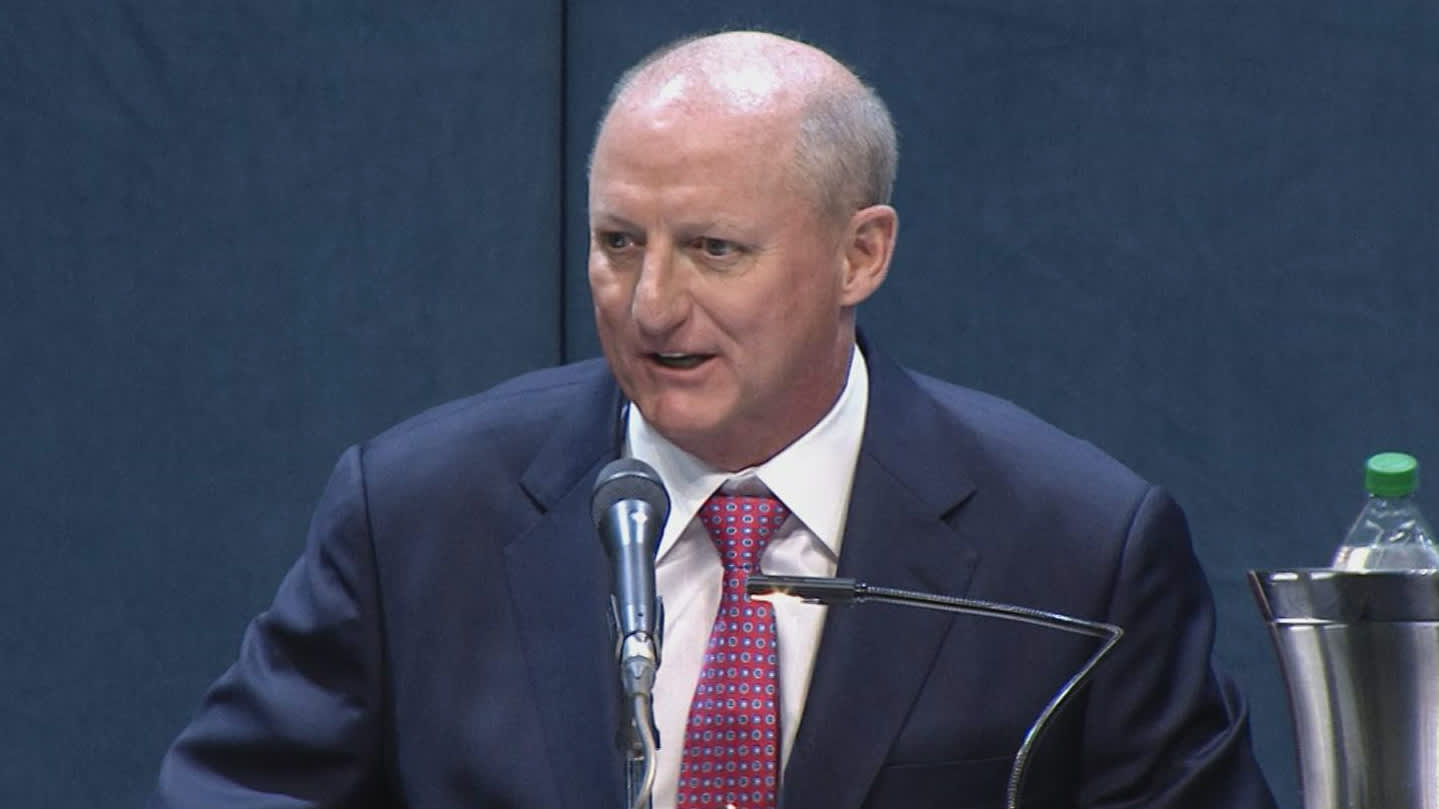
The current market environment, characterized by heightened volatility, may be prompting retail investors to adopt overly defensive investment strategies, potentially at the expense of long-term growth. According to Nick Ryder, Chief Investment Officer at Kathmere Capital Management, investors should resist the temptation to retreat into income-focused assets like dividend-paying stocks and bonds, arguing that such an approach often results in missed opportunities.
Ryder, speaking on CNBC’s "ETF Edge," emphasized the importance of a total return-oriented strategy for all clients, encompassing stocks, bonds, and all other asset classes within a portfolio. He stated, "Oftentimes, we just see too often people taking an income-focused approach, and it leaves a lot on the table." His firm, which manages $3.5 billion in assets, advises against what he terms "yield-chasing."
Within the fixed-income space, yield-chasing can manifest in several ways, according to Ryder. This includes taking on greater interest rate risk by extending the duration of bond holdings – essentially increasing the portfolio’s sensitivity to interest rate changes. It can also involve shifting from investment-grade bonds, which are generally considered safer, to high-yield bonds (also known as junk bonds). Ryder pointed out that these high-yield instruments come with "dramatically different risk and return expectations" compared to their investment-grade counterparts. While high-yield bonds may offer a higher coupon payment, they carry a significantly elevated risk of default, meaning the investor could lose a substantial portion or all of their principal.
Ryder’s core argument is that income should not be the primary driver or foundation for building long-term investment portfolios. Instead, he advocates for a goal-oriented approach. Investors, he suggests, are better served by first identifying their financial objectives and assessing their individual risk tolerance. Once these fundamental elements are established, income can then be incorporated as a component of the overall strategy. This is particularly crucial because market pullbacks and periods of volatility are an inherent part of long-term investing. An income-first strategy, conversely, can subtly lead portfolios into unintended and potentially excessive risk-taking as investors chase higher yields, without fully appreciating the associated dangers.

Adding to the perspective on investor behavior in volatile markets, Christian Magoon, CEO of Amplify ETFs, echoed similar sentiments. He urged investors to avoid letting the distribution or payout rate of an investment be the sole determinant of their decision-making. Magoon stated in the same interview, "We think being smart about yield means balancing attractive yield with upside or long-term capital appreciation – not just going for a maximum possible yield." He cautioned that focusing solely on the highest possible yield can lead investors into what he described as a "yield trap." A yield trap occurs when an investment offers an exceptionally high yield, but this high yield is a red flag indicating underlying financial distress or significant risk, which could ultimately lead to capital losses that outweigh the income generated.
Despite the prevailing market anxieties, Ryder expressed optimism regarding the broader macroeconomic backdrop. He noted, "Overall, the economy has been pretty darn resilient. You’ve seen corporate profitability be very resilient." This resilience in the economy and corporate earnings, he suggests, provides a foundation for a total return approach, where growth and capital appreciation can coexist with income generation.
The concept of total return is crucial here. It refers to the overall gain or loss on an investment, including both income generated (such as dividends or interest payments) and any capital appreciation (the increase in the investment’s value). By focusing on total return, investors aim to maximize their overall wealth accumulation, rather than prioritizing only the income stream. This perspective acknowledges that while income is a valuable component of investing, it should not come at the expense of significant growth potential.
The current market volatility, while unsettling for many, presents an opportunity for investors to reassess their strategies. The advice from Kathmere Capital Management and Amplify ETFs suggests that a disciplined, goal-oriented approach that prioritizes total return, rather than a reactive pursuit of immediate income, is more likely to lead to sustainable long-term wealth creation. This involves a careful consideration of an investor’s risk tolerance and financial objectives before allocating capital, ensuring that investments are aligned with a comprehensive plan for future financial security. The potential for "yield-chasing" to lead investors into unintended risks, such as taking on excessive duration in fixed income or investing in lower-quality credit, highlights the importance of a nuanced understanding of investment products and their inherent risk-reward profiles. Ultimately, the experts’ counsel points towards a more holistic and strategic approach to portfolio construction, one that balances income needs with the imperative for capital growth.