 11
11 1
1 2
2 3
3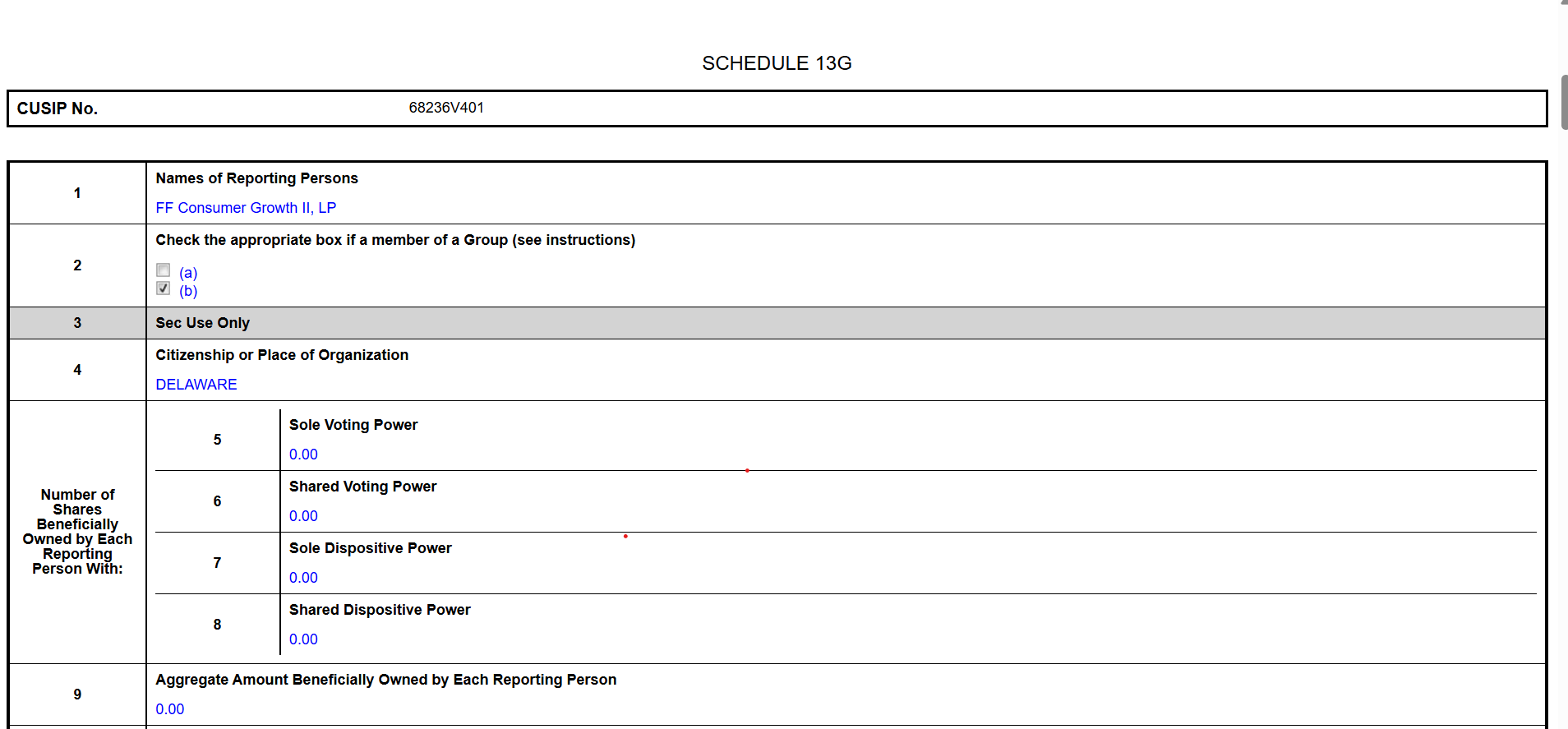
Billionaire tech investor Peter Thiel’s Founders Fund has divested its entire stake in ETHZilla, a company formerly known as 180 Life Sciences Corp. that pivoted to an Ether treasury strategy. This complete exit was disclosed in a filing with the United States Securities and Exchange Commission (SEC) on Tuesday. Entities associated with Thiel now report holding zero shares in ETHZilla, marking a significant shift from their previous position.
The 13G amendment filed on Tuesday revealed the full divestment, a stark contrast to the 7.5% stake that Founders Fund had disclosed on August 4, 2025. At that time, the group beneficially owned 11,592,241 shares of the company, which represented 7.5% of the total 154,032,084 outstanding shares. Based on trading prices around $3.50 per share in early August 2025, this stake was valued at approximately $40 million.
The company at the center of this divestment, ETHZilla, underwent a significant transformation. Previously operating as 180 Life Sciences Corp., it raised $425 million in July 2025 with the explicit intention of launching an Ether treasury strategy and rebranding. This pivot signaled a strategic shift from its prior focus, as the company sought to capitalize on the burgeoning cryptocurrency market.
Following its rebranding as ETHZilla, the company continued to bolster its Ether holdings. In September 2025, it raised an additional $350 million through convertible bonds. This capital infusion was earmarked for expanding its Ether (ETH) reserves and deploying them across decentralized finance (DeFi) protocols and tokenized assets. At its peak, ETHZilla held a substantial portfolio exceeding 100,000 Ether.

However, as market conditions began to shift, ETHZilla initiated a strategy of asset liquidation. In December 2025, the company announced the liquidation of 24,291 Ether tokens, realizing $74.5 million. This sale was conducted at an average price of $3,068.69 per Ether, with the primary objective of repaying convertible debt. Following this liquidation, ETHZilla’s balance sheet still held approximately 69,800 Ether.
Peter Thiel’s complete exit from ETHZilla serves as the latest indicator of the mounting pressures faced by public companies that have adopted Ether-centric treasury models, as opposed to those primarily holding Bitcoin (BTC). The volatile nature of Ether and the evolving landscape of decentralized finance present unique challenges for such entities.
The broader market also reflects a divergence in strategies among companies holding significant cryptocurrency reserves. While ETHZilla has exited, other prominent Ether holders are pursuing different approaches. BitMine Immersion Technologies, recognized as the largest listed Ethereum holder, has continued to expand its holdings. On February 9th, BitMine acquired an additional 40,613 ETH, bringing its total holdings to over 4.325 million ETH. At current market prices, this substantial portfolio is valued at approximately $8.8 billion.
In contrast, Trend Research has opted for a complete unwinding of its Ethereum position. This month, the company began selling its entire Ethereum holdings, offloading 651,757 ETH for approximately $1.34 billion on February 8th. This move resulted in an estimated realized loss of $747 million, highlighting the significant risks and potential for substantial financial outcomes in the Ether market.
In an attempt to diversify its business model and mitigate risks associated with its Ether holdings, ETHZilla launched ETHZilla Aerospace. This subsidiary aims to offer tokenized exposure to leased jet engines, venturing into the realm of real-world assets (RWAs). Despite this diversification effort, Thiel’s departure from ETHZilla underscores the inherent volatility and the increasingly challenging environment for treasury strategies heavily reliant on Ether, particularly in a market still navigating the aftermath of last year’s price peaks. The exit signifies a cautious sentiment among major investors regarding the long-term viability and stability of Ether-heavy treasury operations in the current economic climate.