 11
11 1
1 2
2 3
3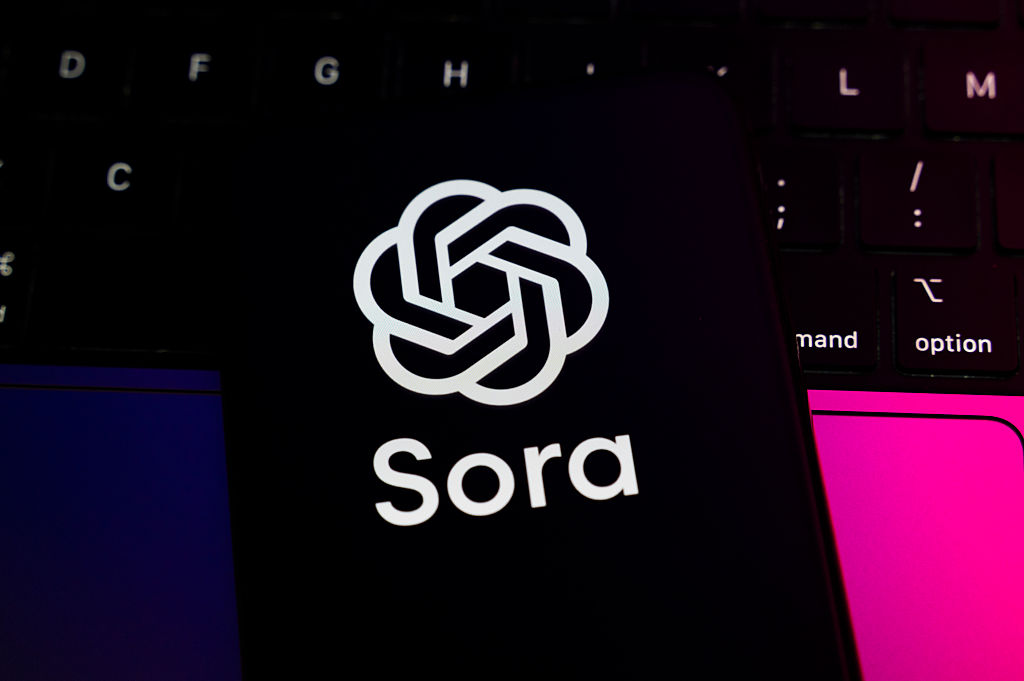
San Francisco, CA – February 17, 2026 – A federal district court in Northern California has issued a definitive ruling in favor of Cameo, the popular platform renowned for facilitating personalized video messages from celebrities, ordering artificial intelligence giant OpenAI to immediately cease using the name "Cameo" within its products and features. The decision, filed on Saturday, marks a significant victory for established brands seeking to protect their intellectual property against the rapidly expanding influence of AI technologies, particularly in areas where brand names might cause consumer confusion.
The core of the dispute centered on OpenAI’s use of the "Cameo" name for a specific feature within its advanced AI-powered video generation application, Sora 2. This feature allowed users to seamlessly insert digital likenesses of themselves into AI-generated videos, a functionality that OpenAI believed was aptly described by the term "cameo." However, the court found that the adoption of the name was sufficiently similar to Cameo’s well-established brand to create a likelihood of user confusion. Crucially, the court rejected OpenAI’s argument that "Cameo" was merely descriptive of its feature, instead determining that "it suggests rather than describes the feature," a distinction critical in trademark law that grants stronger protection to suggestive marks.
This ruling follows a prior legal intervention in November 2025, when the same court granted Cameo a temporary restraining order (TRO), effectively preventing OpenAI from further using the contested word. In response to that initial judicial directive, OpenAI had already rebranded the feature, changing its name to "Characters" within Sora 2, acknowledging the legal pressure while continuing to pursue its case. The current, more permanent injunction solidifies Cameo’s position and mandates a complete and ongoing cessation of the name’s use.
Steven Galanis, CEO of Cameo, articulated the profound significance of the ruling for his company and the broader creator economy it serves. "We have spent nearly a decade building a brand that stands for talent-friendly interactions and genuine connection," Galanis stated, underscoring the intangible value embedded in their brand identity. He further elaborated on the company’s ethos, noting, "we like to say that ‘every Cameo is a commercial for the next one.’" For Galanis, this legal triumph is far more than a corporate win; it is a "critical victory not just for our company, but for the integrity of our marketplace and the thousands of creators who trust the Cameo name." He vowed the company would "continue to vigorously defend our intellectual property against any platform that attempts to trade on the goodwill and recognition we have worked so hard to establish," signaling a proactive stance against future infringements in the evolving digital landscape.
In contrast, an OpenAI spokesperson expressed disagreement with the court’s assertion that any entity could claim exclusive ownership over the common word "cameo." Speaking to Reuters in response to the ruling, the spokesperson affirmed, "We disagree with the complaint’s assertion that anyone can claim exclusive ownership over the word ‘cameo,’ and we look forward to continuing to make our case." This statement suggests that OpenAI may consider further legal avenues, such as an appeal, to challenge the court’s interpretation and protect its ability to use what it perceives as descriptive terminology for its innovative AI features.
The legal entanglement with Cameo is far from an isolated incident for OpenAI, which has found itself increasingly embroiled in a series of intellectual property disputes in recent months, highlighting the growing friction between rapid AI development and established legal frameworks. Earlier in February, court documents obtained by WIRED revealed that the company had opted to abandon its "IO" branding for upcoming hardware products, though the specifics of that legal challenge remain less public.
Furthermore, in November 2025, OpenAI faced another trademark infringement lawsuit when digital library app developer OverDrive sued the AI giant over its use of "Sora" for its video generation app. OverDrive contended that its own existing "Sora" brand, which has a strong presence in educational and library markets for accessing digital content, was being diluted and confused by OpenAI’s powerful new video tool. This case underscores the challenges of naming novel AI products in a world where many names, seemingly unique in one context, are already trademarked in another.
Beyond trademark conflicts, OpenAI is also navigating a complex web of copyright infringement lawsuits. The company faces legal challenges from various artists, creatives, and media groups across multiple geographies. These lawsuits, including a notable case detailed by TechCrunch in November 2025 involving Studio Ghibli and other Japanese publishers, allege that OpenAI’s AI models were trained on copyrighted material without proper authorization or compensation. A German court ruling in November 2025 also found OpenAI in violation of German copyright law, ordering it to pay damages, which set a significant precedent for similar cases in Europe and beyond. These cases collectively scrutinize the legality of using vast datasets, often containing copyrighted works, to train generative AI models, questioning the very foundation upon which many of these advanced systems are built.
The proliferation of these legal battles underscores a pivotal moment for intellectual property law as it grapples with the unprecedented capabilities of generative AI. Courts are increasingly tasked with interpreting existing statutes in the context of new technologies that can create original content, mimic human likenesses, and process information on a scale previously unimaginable. The Cameo ruling, by protecting a brand’s established goodwill against a powerful new AI feature, signals a judiciary keen on upholding traditional consumer protection principles even as the technological landscape undergoes radical transformation. For companies like Cameo, the decision validates their investment in brand building, while for OpenAI, it serves as a stark reminder of the intricate legal hurdles that accompany its ambitious pursuit of artificial general intelligence. The outcomes of these ongoing legal skirmishes will undoubtedly shape the future of AI development, intellectual property rights, and the delicate balance between innovation and protection in the digital age.
Ivan Mehta covers global consumer tech developments at TechCrunch. He is based out of India and has previously worked at publications including Huffington Post and The Next Web. You can contact or verify outreach from Ivan by emailing [email protected] or via encrypted message at ivan.42 on Signal.