 11
11 1
1 2
2 3
3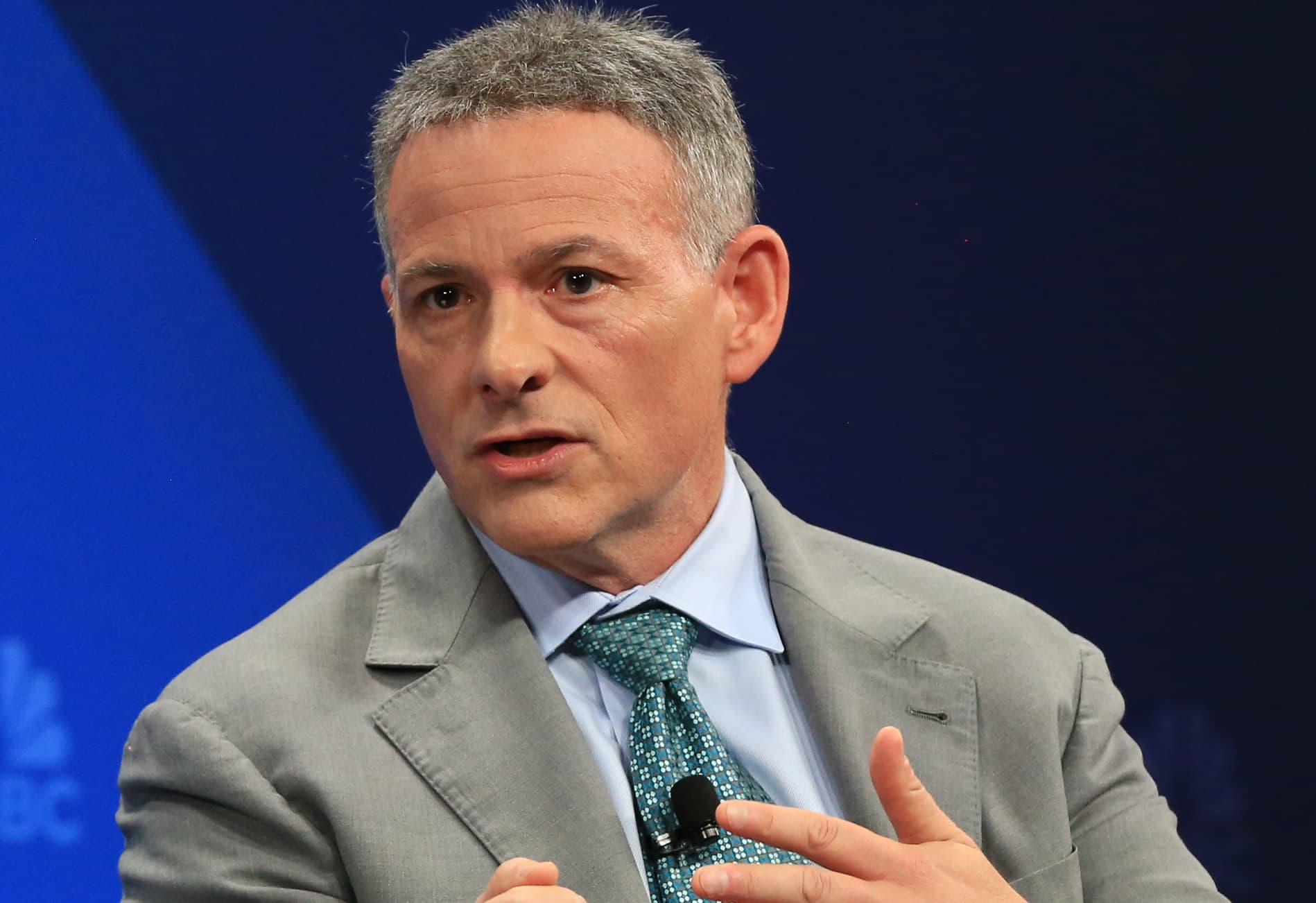
David Einhorn, the founder and president of Greenlight Capital, a prominent hedge fund, has articulated a bullish outlook on the Federal Reserve’s monetary policy trajectory for the current year, predicting a more aggressive series of interest rate cuts than currently priced into market expectations. This conviction, he asserts, underpins his positive stance on gold as an investment.
While recent economic data, specifically a stronger-than-anticipated January jobs report, has tempered market expectations for immediate and frequent rate reductions, traders are still largely anticipating at least two quarter-percentage-point cuts from the central bank by year-end. This sentiment is reflected in the CME FedWatch Tool, which indicates an over 88% probability of this scenario. However, Einhorn fundamentally disagrees with this interpretation of the latest economic figures, deeming the market’s reaction to the jobs report as a misjudgment.
Einhorn’s perspective is further shaped by his belief in the potential influence of Kevin Warsh, President Donald Trump’s chosen candidate to succeed Jerome Powell as Federal Reserve chair. He suggests that Warsh will be instrumental in persuading the Federal Open Market Committee (FOMC) to pursue a more accommodative monetary policy, even in the face of a seemingly robust economy. "If we have 4% or 5% inflation, sure, then he won’t be able to persuade people, but otherwise he’s going to argue productivity," Einhorn stated in an interview with CNBC’s "Money Movers." He anticipates that Warsh will advocate for rate cuts "even if the economy is running hot," leading to a cumulative reduction that "is going to be substantially more than two cuts" by the close of the year.
The hedge fund manager’s investment strategy also includes a significant allocation to gold. This position faced a temporary setback at the end of the previous month, experiencing a sell-off following President Trump’s announcement of Warsh as his nominee for Fed chair. This development was interpreted by some on Wall Street as a signal that the Fed might experience less political interference, thereby diminishing gold’s appeal as a hedge against such uncertainties.

However, the precious metal has since demonstrated a notable recovery. Gold futures have surged by more than 17% year-to-date. This follows an impressive rally of over 60% in 2025, a period characterized by heightened geopolitical tensions, unpredictable trade policies, and concerns regarding threats to central bank independence. Since 2024, gold has seen an aggregate increase of more than 120%.
Einhorn, who achieved considerable notoriety in 2008 for his prescient bet against Lehman Brothers at the Sohn Investment Conference months before its bankruptcy, highlighted gold’s evolving role. He explained that gold has increasingly become a favored "reserve asset" among central banks globally. This shift, he posits, is a direct consequence of the perceived instability in U.S. trade policy, which is prompting other nations to seek alternative currencies for settling international trade transactions, moving away from a sole reliance on the U.S. dollar.
Looking further ahead, Einhorn identifies the current disconnect between fiscal and monetary policies in the United States as a fundamental long-term reason to hold gold. He also expressed a dim view of other major developed currencies, suggesting they are "as bad or worse" than the U.S. dollar in terms of their fundamental soundness.
The U.S. dollar itself experienced its steepest single-day decline since April 2025 last month. This weakness occurred after President Trump indicated he was not overly concerned about the currency’s recent depreciation. Einhorn commented on the broader currency landscape, noting that "there are some issues that sometime over the next number of years could play out with some of the major currencies."
Einhorn considers a wager on increased Federal Reserve rate cuts to be "one of the best trades out there right now." In alignment with this view, he has also taken long positions in futures tied to the Secured Overnight Financing Rate (SOFR). The SOFR is a benchmark interest rate that essentially reflects the cost of borrowing cash overnight collateralized by Treasury securities. A long position in SOFR futures is a bet that short-term interest rates will decline.