 11
11 1
1 2
2 3
3
Bitcoin’s dramatic decline from its record high of over $126,000 in October has cast a shadow over the cryptocurrency market, eroding confidence in its perceived role as a digital alternative to gold and a risk-on asset poised for continued growth, especially with a crypto-friendly administration. Since its all-time peak, Bitcoin has lost nearly half its value, and its persistent inability to rebound has fueled anxieties of another "crypto winter," a prolonged downturn reminiscent of the FTX crash in 2022, when Bitcoin plummeted from around $50,000 to as low as $15,000. In the last month alone, Bitcoin has seen a decline of over 25%.
Despite this volatility, experts in cryptocurrency investing, speaking on CNBC’s "ETF Edge," suggest that recent flow data into and out of Bitcoin and crypto exchange-traded funds (ETFs) indicates that long-term investors are not exiting the asset class en masse. While there have been significant capital movements, these outflows have not reached levels indicative of widespread investor panic.
Over the past three months, the iShares Bitcoin Trust (IBIT) has experienced approximately $2.8 billion in net outflows. While substantial, this figure is contextualized by the fact that over the past year, BlackRock’s ETF has attracted nearly $21 billion in net inflows, according to VettaFi.
A similar trend is observed across the broader spot Bitcoin ETF category. The ETF asset class has seen roughly $5.8 billion in net outflows over the last three months. However, over the past year, spot Bitcoin ETFs have collectively garnered around $14.2 billion in net inflows. This suggests that while money is indeed exiting, the majority of assets have remained invested, and observers believe the capital being withdrawn is not primarily from long-term investors or financial advisors who have recently begun allocating assets to cryptocurrencies.
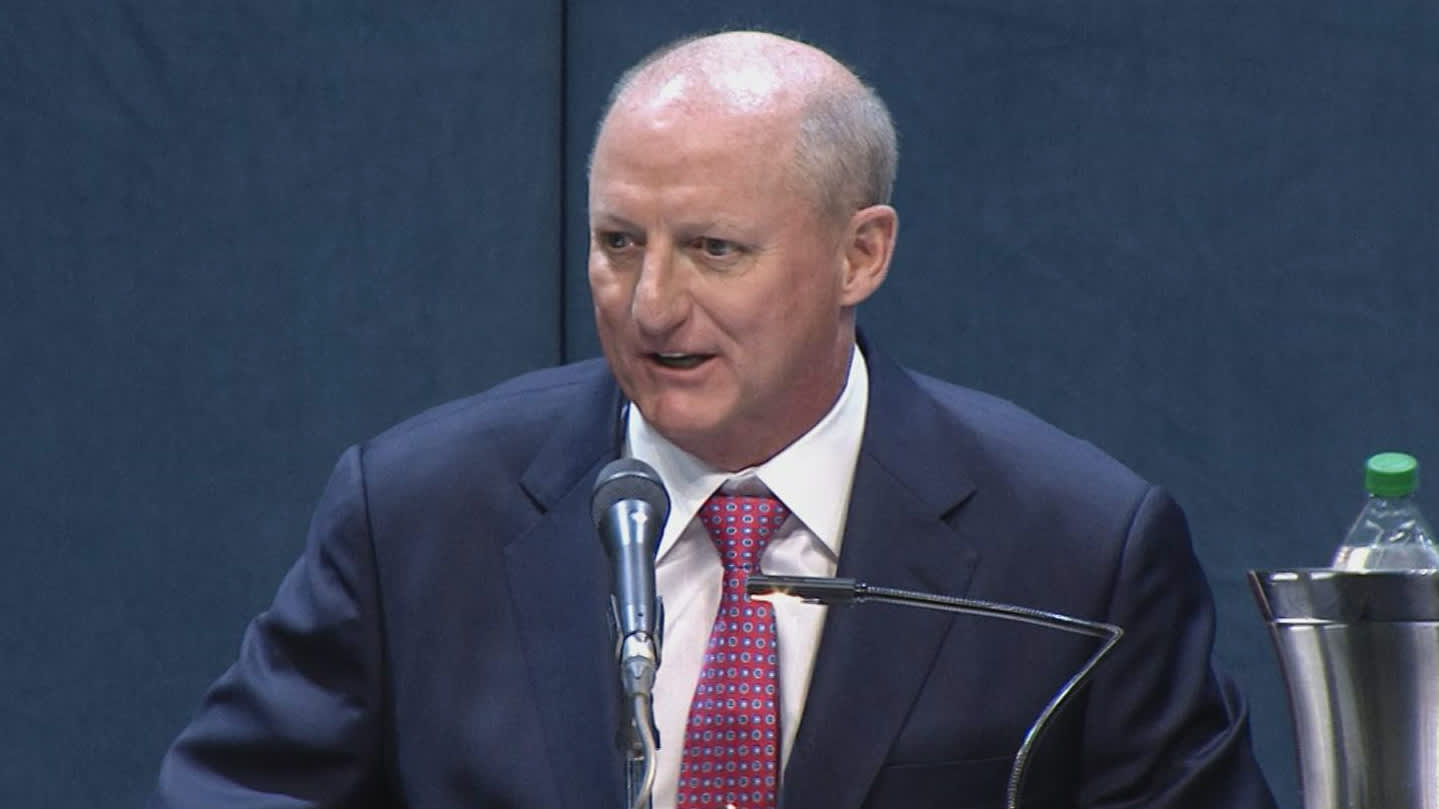
Matt Hougan, Chief Investment Officer at Bitwise Asset Management, stated on "ETF Edge" that "It’s not the ETF investors who are driving the sell off." He posited that much of the broader pressure on Bitcoin’s price may stem from crypto investors who have held positions for many years and are now trimming their exposure. Hougan characterized the situation as a "tale of two sides," differentiating between hedge funds and short-term traders who utilize the most liquid ETFs as trading tools and may quickly withdraw capital when market momentum shifts negatively.

At CNBC’s Digital Finance Forum held last week, Mike Novogratz, CEO of Galaxy, commented on the potential end of the crypto market’s "era of speculation," suggesting that future returns will more closely resemble those of long-term investment holdings. He noted that returns are likely to be more aligned with "real world assets with much lower returns." Novogratz elaborated that retail investors typically enter the crypto market seeking significant gains, such as 30-to-one or eight-to-one returns, rather than the more modest 11% annualized returns often associated with traditional long-term investments.
Financial advisors at major Wall Street institutions are increasingly incorporating Bitcoin into investor portfolios and are even launching their own branded crypto ETFs. Hougan also suggested that longer-horizon investors who allocate a small portion of their diversified portfolios to crypto may be more inclined to weather market volatility. He reasoned that if there were widespread capitulation among investors, the outflows experienced over the past three months would likely approach the scale of the inflows seen over the preceding twelve months.
Despite the data suggesting a resilient long-term investor base, the current period remains challenging for recent cryptocurrency investors. Will Rhind, founder and CEO of GraniteShares, acknowledged on "ETF Edge" that "It’s tough to be a bitcoin investor right now." He further highlighted that the strong performance of other "hard" assets, such as gold, has exacerbated Bitcoin’s recent struggles. For investors who have embraced the "digital gold" narrative for Bitcoin, its price crash has been particularly unsettling. Rhind expressed that a scenario where other safe-haven assets are reaching all-time highs while Bitcoin continues to decline is counterintuitive to the expected behavior of such assets, stating, "This is not supposed to happen." He specifically pointed out that when Bitcoin experiences a nearly 50% price drop, gold is not expected to simultaneously reach record highs.
The performance of the iShares Bitcoin Trust versus the SPDR Gold Shares Trust over the past year illustrates this divergence in asset behavior.
For those seeking deeper insights into the trends and figures shaping the ETF market, a weekly newsletter is available, offering analysis beyond live broadcasts. A disclaimer is also provided for information regarding stocks.