 11
11 1
1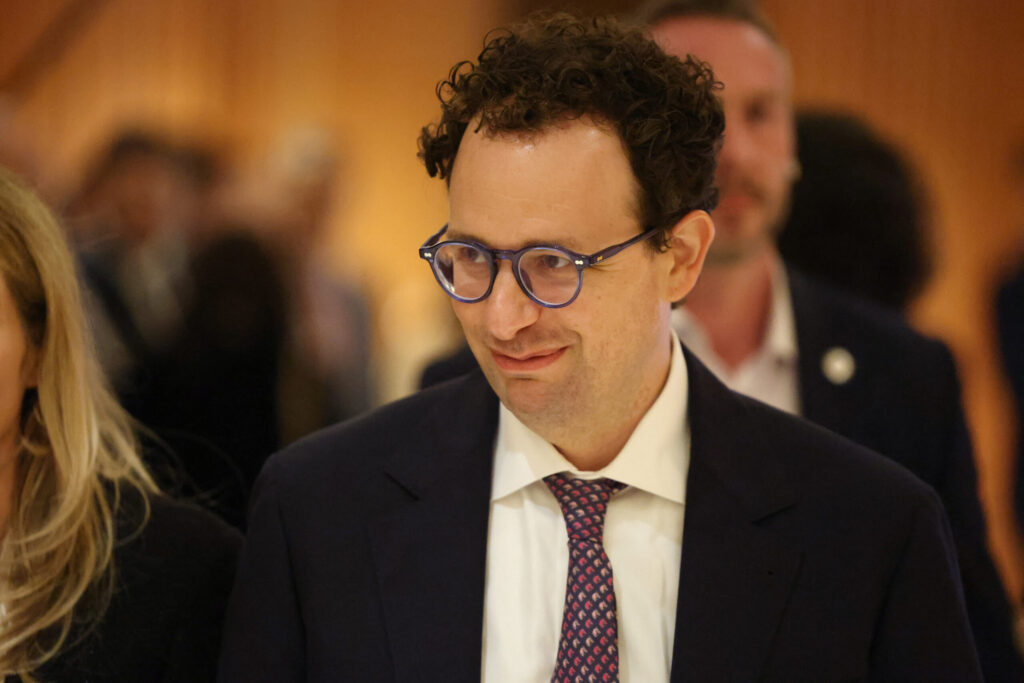 2
2 3
3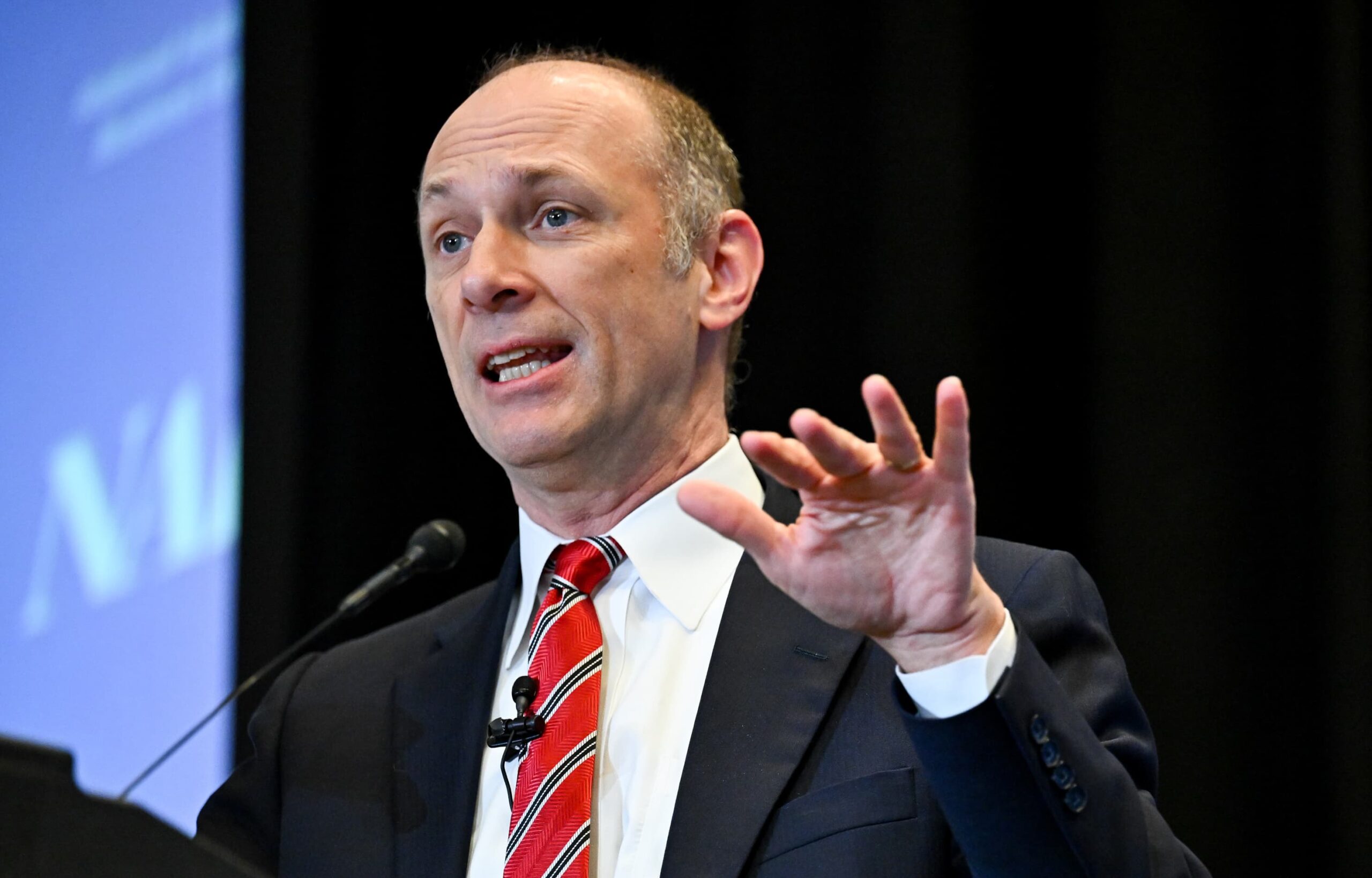
Washington D.C. – Austan Goolsbee, president and chief executive officer of the Federal Reserve Bank of Chicago, articulated a measured stance on interest rate reductions on Tuesday, emphasizing that such moves are premature until a clearer trajectory of declining inflation is established. Speaking at the National Association of Business Economics (NABE) economic policy conference in Washington, D.C., Goolsbee cautioned against repeating past missteps by prematurely assuming inflation’s transience, a lesson learned from previous economic cycles.
"I feel that front-loading too many rate cuts is not prudent in that circumstance," Goolsbee stated. He underscored the public’s significant concern over rising prices, noting, "People express that prices are one of their most pressing concerns. Let’s pay attention. Before we cut rates more to stimulate the economy, let’s be sure inflation is heading back to 2%."
The latest inflation data, for December 2025, revealed that core inflation, a measure excluding volatile food and energy prices, stood at 3% as calculated by the consumption expenditures price index (PCE). This figure, the Federal Reserve’s primary forecasting gauge, represented an increase of 0.2 percentage points from November. While some of this uptick was attributed to tariffs, which are generally considered temporary, underlying inflationary pressures were also evident in the service sector and other areas not directly affected by trade duties.
Goolsbee specifically highlighted the persistent issue of high housing inflation, asserting that it is not a consequence of tariffs and therefore requires continued vigilance from the Federal Reserve. He reiterated that a 3% inflation rate is "not good enough – and it’s not what we promised when the Federal Reserve committed to the 2% target." He further elaborated, "Stalling out at 3% is not a safe place to be for a myriad of reasons we know all too well." Despite these concerns, Goolsbee has previously indicated his belief that the Federal Reserve will be in a position to implement rate cuts later in the current year.
These remarks come at a time when market expectations are leaning towards the Federal Open Market Committee (FOMC) maintaining its current interest rate policy until at least June, and possibly July. Goolsbee is a voting member of the FOMC this year. According to the CME Group’s FedWatch gauge, futures traders are currently assigning roughly a 50-50 probability to a rate cut in June, with the likelihood of a July cut increasing to approximately 71%. In the latter half of 2025, the Federal Reserve implemented three quarter-percentage-point interest rate cuts.
Adding to the discourse on monetary policy, Federal Reserve Governor Christopher Waller, often seen as an advocate for lower interest rates, adopted a more measured tone in his address to the NABE conference on Monday. Waller suggested that policymakers should "look through" the impact of tariffs on inflation. However, he also pointed to recent data indicating a stronger-than-anticipated labor market, which could diminish the urgency for further rate cuts. He noted that a continued improvement in employment figures would further weaken the case for rate reductions, though he expressed reservations about the January nonfarm payrolls data, suggesting it might be "more noise than signal."
Tuesday was slated to be an active day for Federal Reserve speakers, with Governor Lisa Cook also scheduled to present at the NABE conference later in the morning. The ongoing discussions among Fed officials reflect the complex economic landscape, balancing the need to curb inflation with the objective of supporting sustainable economic growth. The committee’s decisions will be closely watched by financial markets and the public alike as they navigate these competing priorities.
The Federal Reserve’s commitment to its 2% inflation target remains a central tenet of its monetary policy framework. Achieving this target is seen as crucial for maintaining price stability and fostering long-term economic prosperity. However, the path to disinflation has proven to be more complex than initially anticipated, with various factors contributing to persistent price pressures. Goolsbee’s emphasis on data-driven decision-making and a cautious approach to rate cuts underscores the Fed’s resolve to avoid policy errors that could undermine its credibility and the economic outlook.
The intricate interplay between inflation, employment, and economic growth presents a significant challenge for policymakers. While a strong labor market can support consumer spending and overall economic activity, it can also contribute to inflationary pressures if wage growth outpaces productivity gains. The Federal Reserve’s task is to strike a delicate balance, employing its monetary policy tools judiciously to achieve its dual mandate of maximum employment and price stability.
The economic policy conference in Washington, D.C., serves as a vital platform for Fed officials to communicate their assessments of the economy and their policy outlook. The insights provided by Goolsbee and other speakers offer valuable context for understanding the Federal Reserve’s current thinking and its potential future actions. As the economic data continues to evolve, the Federal Reserve will undoubtedly remain attentive to emerging trends and adjust its policy stance as necessary to promote a stable and prosperous economic environment. The current focus on ensuring that inflation is firmly on a downward path towards the 2% target suggests that any shifts in monetary policy will likely be gradual and contingent upon clear evidence of sustained disinflationary progress.