 11
11 1
1 2
2 3
3
As of July 2025, ChatGPT is processing an astonishing 2.5 billion prompts per day, a figure that represents 18% of Google’s reported 13.7 billion daily searches. This dramatic surge in AI-driven interactions, based on Google’s January 2025 announcement of 5 trillion annual searches, signals a significant shift in how users seek information. While both platforms handle immense query volumes, their fundamental operational models and impact on the digital ecosystem present a stark contrast. This analysis delves into the competitive landscape between ChatGPT and Google, examining their respective search volumes, the traffic they drive to websites, and the crucial differences in click-through rates (CTR).
The core distinction between Google and ChatGPT lies in their underlying business models. Google functions as a gateway, connecting users to a vast network of external websites. In contrast, ChatGPT aims to keep users engaged within its conversational interface, providing direct answers and synthesized information. This fundamental difference raises critical questions about the future of online content consumption and the sustainability of website traffic if AI-driven conversational search becomes the prevailing paradigm.
Daily Volume Comparison: A New Contender Emerges
Google continues to lead in sheer volume, processing approximately 13.7 billion searches daily, accumulating over 5 trillion searches annually. ChatGPT, meanwhile, handles an estimated 2.5 billion prompts per day, translating to roughly 912 billion prompts annually. While this still falls short of Google’s colossal scale, ChatGPT’s daily volume is substantial enough to rival established search engines. Indeed, some analyses suggest ChatGPT has surpassed Bing in search volume, a significant achievement for a relatively new platform.
Deconstructing ChatGPT’s "Search" Volume
A critical aspect of this comparison is understanding what constitutes a "search" within ChatGPT’s operations. Research from OpenAI and Harvard, analyzing 1.5 million conversations, indicates that 24% of ChatGPT interactions are "pure search" (e.g., factual queries, product information, recipes). An additional 51.6% falls under "asking intent," which involves users seeking advice, perspectives, or information to inform their judgment, rather than delegating a specific task.
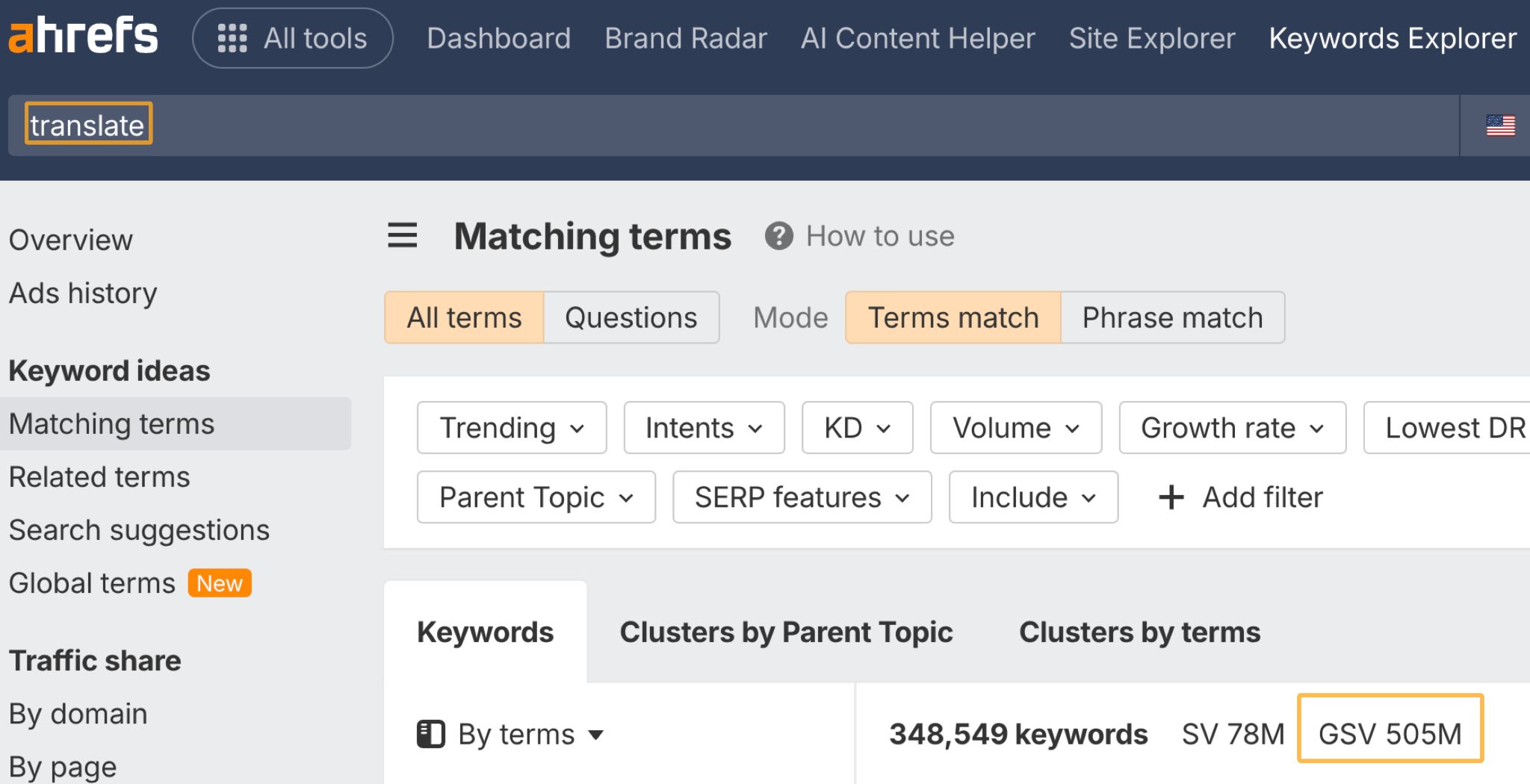
However, the author of the original analysis posits a broader classification for "search." They argue that activities traditionally performed via Google searches, such as translations, coding assistance, and even complex calculations, are now being handled by ChatGPT. Based on this expanded definition, the analysis suggests that approximately 65% of ChatGPT’s usage can be categorized as tasks previously relegated to traditional search engines. This reclassification leads to an estimated 1.625 billion daily prompts on ChatGPT that are akin to Google searches, representing approximately 11.86% of Google’s overall search volume for such queries. This elevated figure underscores ChatGPT’s rapid encroachment into the territory traditionally dominated by search engines.
Website Traffic: A Tale of Two Ecosystems
The impact on website traffic reveals the most significant divergence between Google and ChatGPT. Data from Ahrefs Web Analytics, encompassing 76,000 websites, demonstrates a dramatic disparity. Google remains the primary driver of external traffic, accounting for nearly 40% of all website visits. In stark contrast, ChatGPT contributes a mere 0.21% to overall website traffic. This indicates that Google sends approximately 190 times more traffic to websites than ChatGPT. This is because Google’s model is inherently designed to direct users to external resources, while ChatGPT’s conversational nature often provides direct answers, negating the need to visit a website.
Click-Through Rate (CTR) Divergence: The Core Economic Impact
The most profound difference lies in the click-through rates (CTR). The analysis employs a calculation method: Estimated CTR = (Traffic Share % / Daily Queries in billions) * 10.
Google exhibits a baseline CTR of 29.2%. When analyzing ChatGPT’s usage through different lenses:
This dramatic reduction in CTR for ChatGPT-driven interactions has profound implications for websites that rely on search engine traffic for visibility and revenue. While ChatGPT is rapidly gaining traction and even surpassing some established search engines in specific metrics, its success comes at the potential cost of the traditional web ecosystem.
Conclusion: A Shifting Landscape
Google, with its 5.5 times greater daily activity, remains the dominant force in the search market. However, ChatGPT’s meteoric rise in a short period, capturing a significant share of user queries and even challenging established players like Bing, cannot be understated. The critical question for website owners and publishers moving forward is whether they can adapt to the significant reduction in referral traffic from AI-driven search platforms. The current trajectory suggests a fundamental shift in how information is accessed and consumed, potentially disrupting traditional online business models and prompting a re-evaluation of the value of website traffic in an increasingly conversational AI landscape. The long-term sustainability of website traffic in the face of AI search remains a significant concern.