 11
11 1
1 2
2 3
3
Pasadena, California – A seemingly routine repair request at Pasadena Cyclery recently underscored a growing national dilemma: the escalating confusion between legitimate electric bicycles (e-bikes) and powerful, high-speed electric motorcycles (e-motos) often mistakenly sold or perceived as e-bikes. Months ago, a family brought in what they believed was their teenager’s e-bike for service. Daniel Purnell, a seasoned store manager and technician at the Pasadena shop, quickly identified the machine as something far more potent. "I can’t fix that here," Purnell recalls telling the family, delivering the stark clarification: "That’s a motorcycle." The mother’s reaction was one of dismay and shock; she had been entirely unaware that the device, which she assumed was a bicycle, was capable of speeds up to 55 miles per hour. This incident serves as a microcosm of a widespread "education problem," as Purnell aptly describes it, prompting legislative action in California.
In response to this pervasive misunderstanding and its concerning implications, bike advocates in California are actively pushing for Senate Bill 1167. This proposed legislation aims to decisively clarify the legal and functional distinctions between electric bicycles and their faster, more powerful counterparts. The objective is to eliminate the ambiguity that has allowed devices exceeding traditional e-bike specifications to be marketed and used under the guise of bicycles, often with severe safety consequences.
The legislative effort navigates a complex and delicate balance. On one side, proponents of electric two-wheeled transport champion the accessibility and environmental benefits these devices offer. They represent a cleaner, more affordable, and often faster alternative to traditional car travel, particularly appealing as they typically do not require a driver’s license or contribute to emissions. This vision aligns with broader goals of sustainable urban mobility and reducing reliance on fossil fuels.
However, the rapid proliferation of these devices, especially among younger demographics, has coincided with an alarming surge in injuries. Hospital data reveals a staggering increase of more than 1,020 percent in e-bike-related injuries nationwide between 2020 and 2024. While this statistic is chilling, it comes with a critical caveat: it’s often difficult for healthcare providers and data collectors to accurately differentiate between injuries sustained from true e-bikes and those from the higher-powered "e-moto" cousins. For context, injuries from mopeds and other powered-assisted cycles saw a comparatively smaller, though still significant, jump of 67 percent during the same period, suggesting the bulk of the increase lies with the misclassified, higher-speed devices.
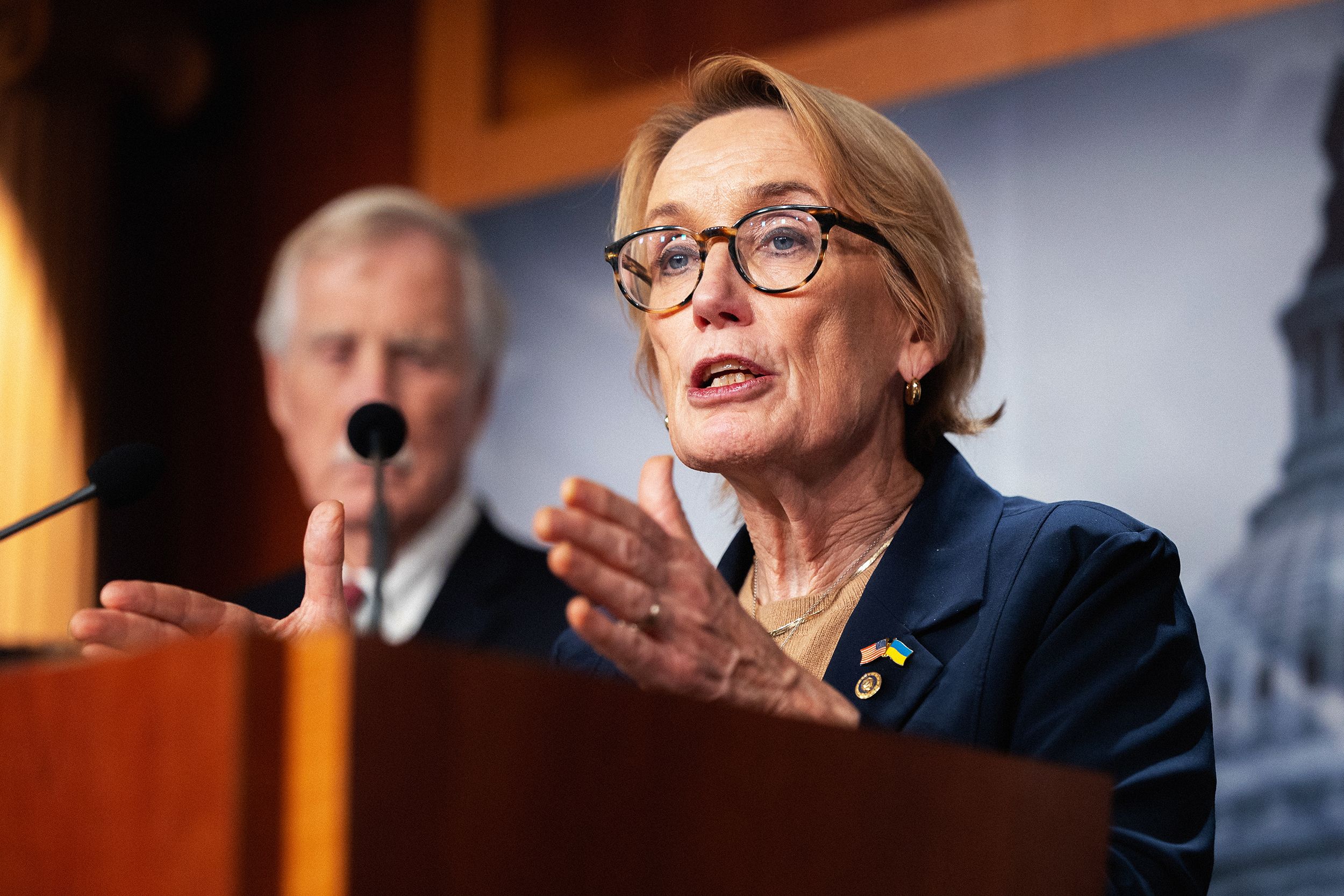
California State Senator Catherine Blakespear, a Democrat representing parts of North County in San Diego and the sponsor of SB 1167, emphasizes the urgent need for action. "We’re overdue to have better e-bike regulation," Blakespear states, highlighting that "this has been an ongoing and growing issue for years." Her sentiment underscores the long-standing nature of the problem, which has only intensified with the growing popularity and technological advancements of electric two-wheeled vehicles.
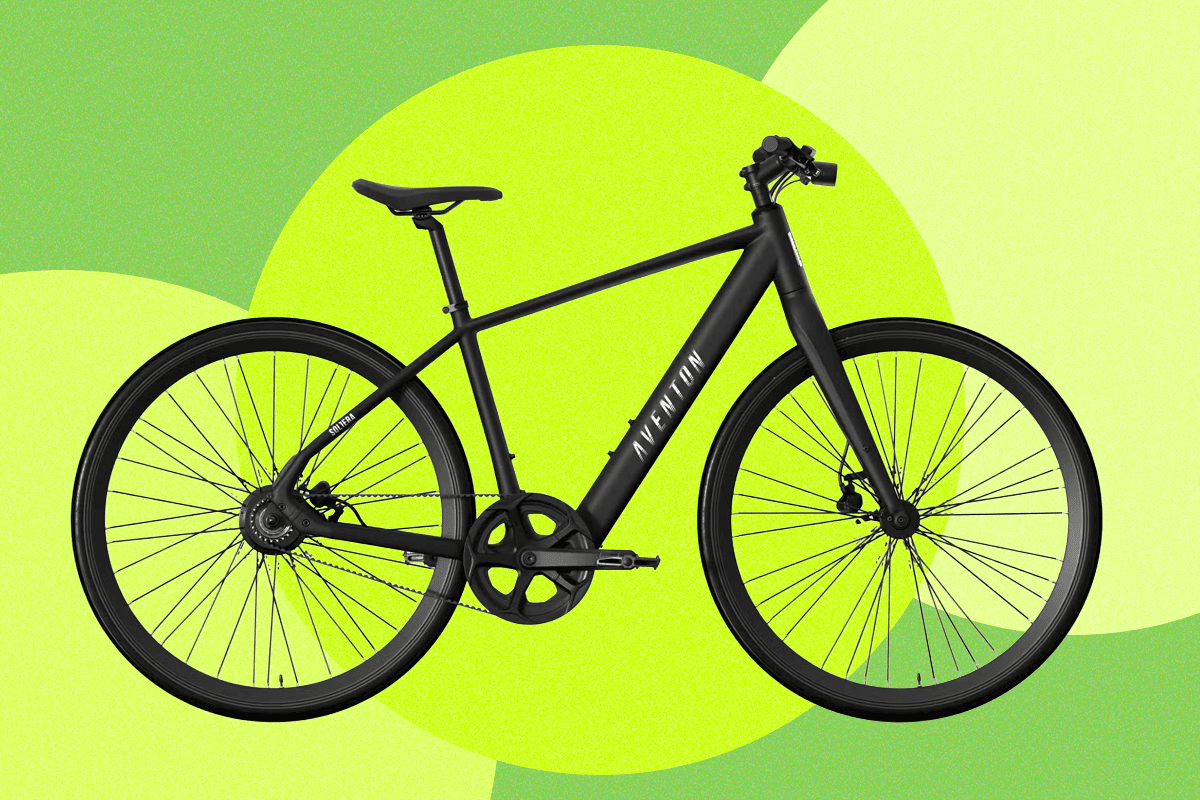
Senate Bill 1167 seeks to establish clear boundaries for what constitutes an e-bike under California law. The bill would explicitly prohibit retailers from labeling electric-powered vehicles with excessive power or speed capabilities as e-bikes. Specifically, it clarifies that an e-bike must possess fully operative pedals and be powered by an electric motor not exceeding 750 watts, enabling it to reach top speeds between 20 and 28 miles per hour with pedal assist. This definition aligns with the established national classification system for electric bicycles.
Kendra Ramsey, executive director of the California Bicycle Coalition, an organization representing riders and a key proponent of the legislation, clarifies their position. "We’re not against these devices," Ramsey asserts, acknowledging the positive role electric mobility can play. However, she stresses the core issue: "People think they’re e-bikes and they’re not really e-bikes." This distinction is crucial for consumer safety and regulatory clarity.
A primary concern for the bill’s supporters is the safety of teenagers. Electric motors offer young people an unprecedented sense of freedom and mobility, but this comes with inherent risks, particularly when operating at speeds for which they are unprepared or unlicensed. Data from 2020 to 2024 indicates that individuals aged 17 and younger accounted for 20 percent of all e-bike injuries in the US. While this proportion is roughly in line with their share of the total population, the sheer increase in overall injuries, coupled with sensational headlines about teen accidents and even fatalities, has drawn significant public and legislative scrutiny to the issue.
The absence of a uniform national regulatory framework for e-bikes has historically complicated efforts to manage their use. In an attempt to bring order, bike advocates previously worked for years across various states to establish a widely adopted three-class system for electric bicycles:
Despite this classification system, a significant portion of the electric two-wheeled devices currently in use, particularly among young people, fall outside these categories. A concerning study conducted last year by researchers who visited 19 middle and high schools in the San Francisco Bay Area found that a staggering 88 percent of the electric two-wheeled devices parked on school grounds were so high-powered and high-speed that they did not comply with any of the three established e-bike classes. This highlights a clear disconnect between existing regulations and the reality on the streets.
The issue has undeniably resonated with state policymakers, with Kendra Ramsey noting that at least 10 bills concerning e-bikes have been introduced across various states this year alone, demonstrating the widespread recognition of the problem.
Many bike advocates contend that the surge in injuries is less attributable to genuine e-bikes within the established three classes and more to "e-motos." This distinct category of vehicles is characterized by significantly more powerful motors, capable of speeds well in excess of 30 miles per hour. These devices often bypass traditional bicycle retail channels, instead gaining traction through online sales and social media advertisements that specifically target teenagers. Examples include the Surron Ultra Bee, an electric vehicle capable of reaching top speeds of 55 mph, and the Tuttio ICT, which can hit 50 mph. Despite their motorcycle-like performance, these products are frequently marketed by online retailers as "electric bikes," creating profound confusion for consumers, especially parents who may unwittingly purchase a dangerous high-speed vehicle for their child. The nature of online sales makes it challenging for purchasers to fully comprehend the capabilities and legal implications of what they are acquiring.
From a regulatory standpoint, these high-powered e-motos could technically be subject to federal motor vehicle standards. In many states, they would be required to be registered and insured before being legally operated on public roads, much like a traditional motorcycle or moped. However, as Matt Moore, general and policy counsel at PeopleForBikes, a nonprofit coalition of bicycle suppliers and supporters, points out, "manufacturers have chosen not to pursue the clearly-defined path to sell a motorcycle." This creates a significant regulatory loophole, allowing these devices to exist in a legal gray area, often escaping the safety standards, licensing requirements, and insurance mandates applied to motor vehicles. "We want to have a clear line," Moore emphasizes, reflecting the industry’s desire for unambiguous regulation. PeopleForBikes is actively promoting legislation similar to California’s SB 1167 in several other states, seeking to establish this clear distinction nationwide.
In light of the mounting risks and regulatory uncertainty, some retailers are now choosing to avoid the e-moto category entirely. The nonprofit National Bicycle Dealers Association (NBDA) issued an advisory to its members last month, cautioning that e-motos "present both unnecessary business risks for bicycle retailers and unnecessary safety concerns to consumers and the general public." This warning highlights the potential for liability issues and reputational damage for retailers, as well as the inherent dangers posed to riders and the broader public by misclassified, high-speed electric vehicles.
Daniel Purnell of Pasadena Cyclery, while advocating for clarity and caution, also expresses a nuanced perspective. He genuinely appreciates seeing people, particularly teenagers, engaging with e-bikes. "It’s good that they’re riding instead of what else they could be doing—playing video games at home," he remarks, acknowledging the positive aspects of active transportation. However, he grapples with the core policy challenge: "Do they take away mobility for the unlicensed driver in the name of restricting teens from causing mischief? That’s what I don’t know." Purnell’s reflection encapsulates the difficult trade-off policymakers face: how to implement effective safety regulations and clear classifications without inadvertently curtailing access to a beneficial form of independent mobility for young people and others who may not have a driver’s license. The ongoing debate underscores the critical need for a balanced approach that prioritizes public safety while fostering responsible innovation in personal transportation.