 11
11
Gold pricing is increasingly shifting onto blockchain networks during the weekend, a trend highlighted by the closure of US futures markets, according to Iggy Ioppe, former Chief Investment Officer (CIO) at Credit Suisse and current CIO at liquidity infrastructure firm Theo. CME gold futures cease trading at 5:00 pm ET on Friday and do not reopen until 6:00 pm ET on Sunday. This inactive period for regulated futures markets leaves a void primarily filled by private, over-the-counter (OTC) deals in Asia, which are typically not publicly reported. Consequently, tokenized gold assets, such as PAX Gold (PAXG) and Tether Gold (XAUt), have emerged as the sole continuously available trading venues for gold price discovery during these off-market hours.
"In terms of publicly visible price formation, onchain markets are responsible for virtually 100% of weekend price discovery," Ioppe stated in an interview with Cointelegraph. He further observed that when traditional futures trading resumes, the prices often reflect and align with the price movements that have already occurred on these blockchain-based markets. "We are seeing weekend moves reflected when CME reopens," he added, underscoring the growing influence of digital asset markets on traditional commodity pricing.
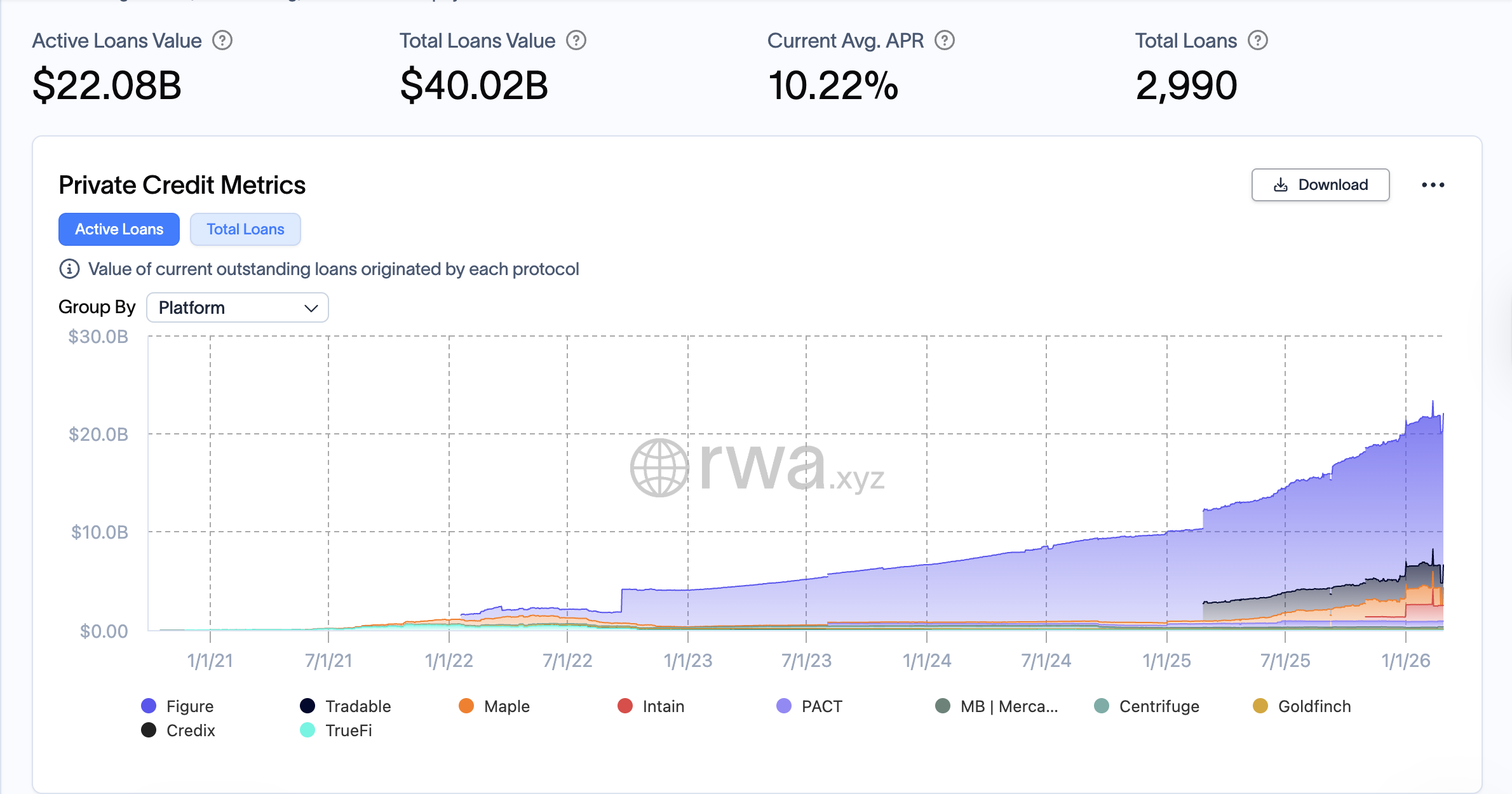
This phenomenon occurs amidst a significant surge in trading volume for tokenized gold. Over the past year, the tokenized gold sector has experienced rapid expansion, adding approximately $2.8 billion in value. Its market capitalization has grown from around $1.6 billion to a substantial $4.4 billion. This impressive 177% increase in market cap significantly outpaced the broader gold market and most major spot gold ETFs. The number of tokenized gold holders has also nearly tripled, with more than 115,000 new wallets entering the space. This growth represents roughly a quarter of all net inflows into the broader real-world asset (RWA) sector, surpassing the combined expansion of tokenized stocks, corporate bonds, and non-US Treasurys.

Trading activity within the tokenized gold market has likewise seen a dramatic increase. In 2025, tokenized gold recorded approximately $178 billion in trading volume, with a peak exceeding $126 billion in the fourth quarter alone. At this level, tokenized gold would rank as the second-largest gold investment product globally by trading volume, trailing only the SPDR Gold Shares ETF.
Ioppe explained that participation in these on-chain markets is largely dominated by market makers and cross-venue liquidity providers who engage in arbitrage by capitalizing on price differences between digital and traditional markets. Crypto-native macro traders are also significant players, utilizing tokenized gold not only for direct exposure to bullion prices but also as collateral, for hedging purposes, and for yield-generating strategies, particularly during periods of heightened geopolitical or macroeconomic uncertainty. "Some institutions are monitoring weekend onchain gold markets, particularly macro and cross-asset desks that track gap risk ahead of the CME reopen," Ioppe noted. However, he clarified that most institutions currently treat these on-chain signals as informational rather than forming the basis for active positioning.
The advent of 24/7 tokenized gold trading offers a practical and significant risk management advantage for investors. In traditional markets, if a geopolitical event or other market-moving news occurs while futures markets are closed, investors are unable to adjust their positions. Tokenized markets, however, allow for immediate rebalancing and position adjustments, providing a crucial buffer against unexpected market volatility.
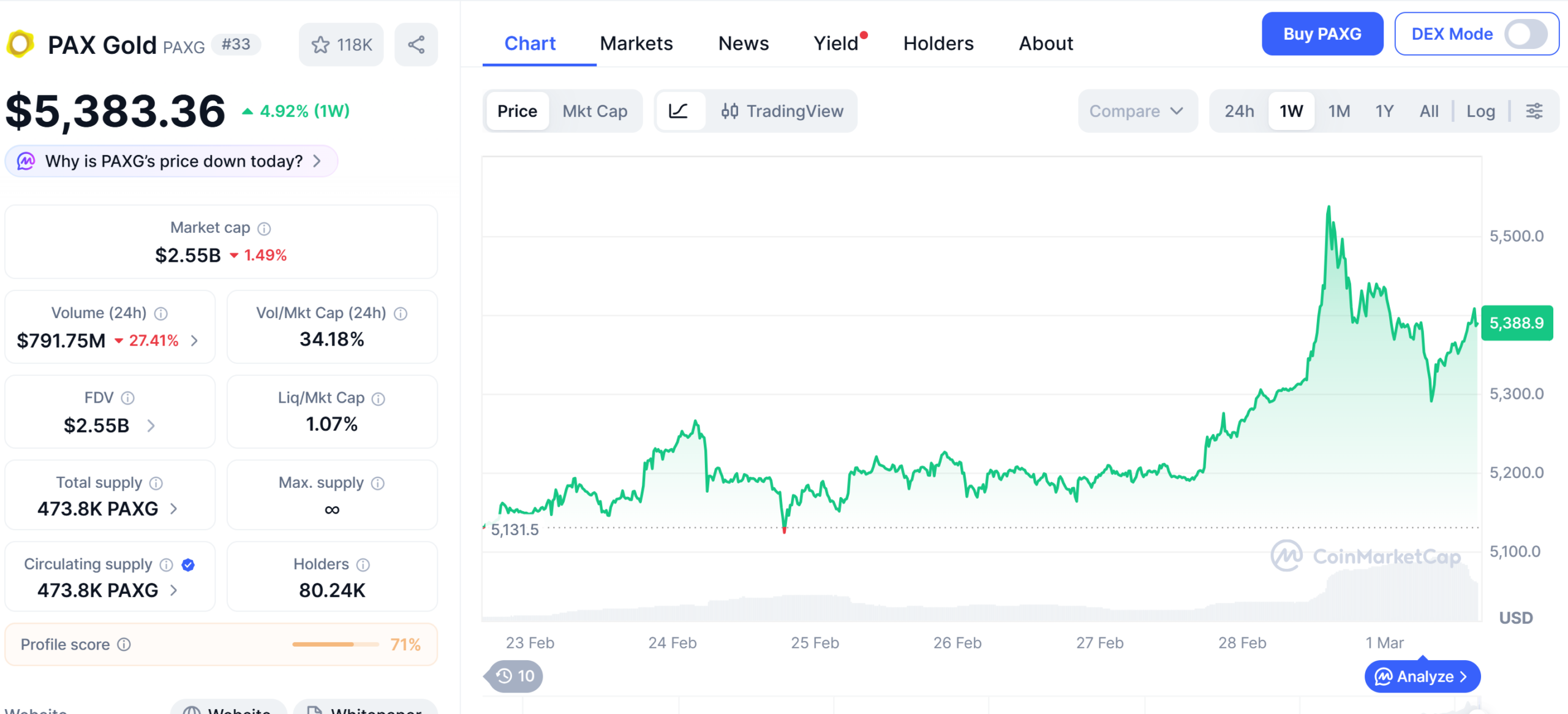
This capability was demonstrated recently when tokenized gold rallied on a Saturday as geopolitical tensions escalated following US and Israeli strikes on Iran. Investors moved into XAUT and PAXG, while Bitcoin (BTC) and Ether (ETH) experienced declines. According to data from CoinMarketCap, XAUT briefly surpassed $5,450 and PAXG neared $5,536 during the day before trimming some of their gains. This event underscored the responsiveness of tokenized gold markets to real-time global events, even when traditional financial infrastructure is offline.

Despite the growing momentum, Ioppe acknowledged that several obstacles still hinder broader adoption. Liquidity in tokenized gold markets, while increasing, remains smaller compared to established futures or exchange-traded funds (ETFs), making it more challenging to execute large trades without impacting prices. "Regulatory clarity is improving, but fragmentation across jurisdictions slows institutional deployment. Custody, accounting, and capital rules still vary widely," he stated.
For the foreseeable future, tokenized gold is expected to coexist and complement traditional gold investment products rather than entirely replace them. "The most likely near-term evolution is that of tokenized and traditional markets existing in parallel, each serving a different function," Ioppe concluded, suggesting a future where both digital and legacy systems play distinct yet integrated roles in the gold market.