 11
11 1
1 2
2 3
3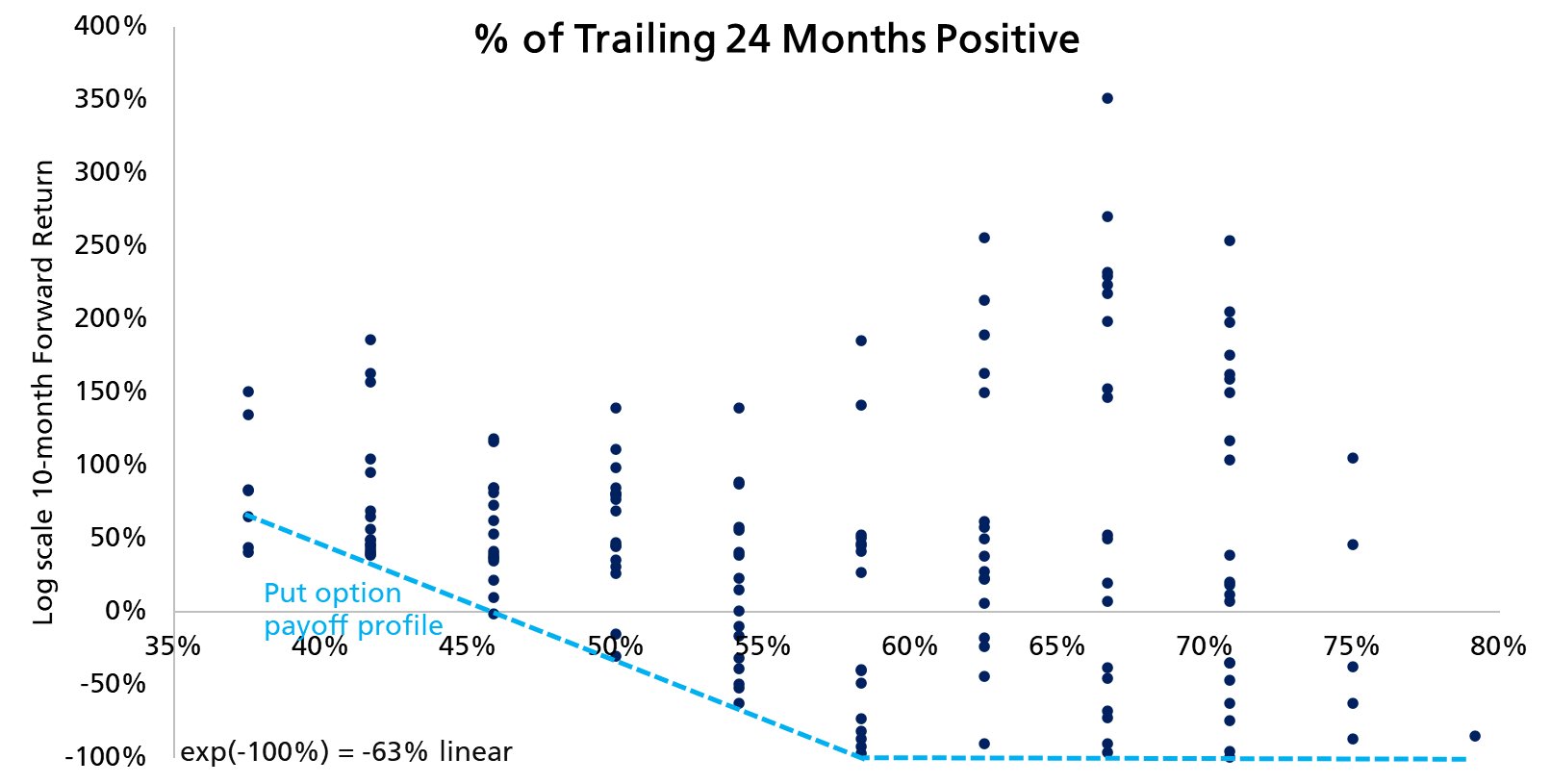
New analysis from network economist Timothy Peterson suggests an 88% probability that Bitcoin (BTC) will trade at higher prices by early 2027, based on its historical price performance. This projection emerges amidst a series of bullish predictions for the cryptocurrency, despite recent underperformance. If historical trends continue, Peterson suggests that Bitcoin could reach $122,000 in the next ten months, representing an "average return."
Peterson’s analysis, shared on the social media platform X, leverages monthly price action over the past two years. He posits that "50% of the past 24 months have been positive. This implies a 88% chance that Bitcoin will be higher 10 months from now." He further elaborates that the "average return is exp(60%)-1 = 82%," which, when applied to the current Bitcoin price, leads to the $122,000 target. This data, he notes, extends back to 2011, providing a substantial historical dataset for his calculations.

The methodology, as explained by Peterson, focuses on "trailing positive BTC price months." While acknowledging that this metric is "informal" and more adept at identifying trend "inflection points" rather than precise price targets, he highlights its utility. He clarified that this metric "measures frequency, not magnitude." This means that even if Bitcoin experiences periods of sideways movement for extended durations, the metric could still decline. However, its ability to signal potential shifts in trend remains valuable. Accompanying visuals in the original report illustrate this data, showing trailing positive months and put option payoff data.
Despite these optimistic projections, a recent survey conducted by Peterson revealed a prevailing bearish sentiment within the broader cryptocurrency market. This survey underscores the current cautious or negative outlook held by many market participants.
However, the bullish conviction among some analysts remains strong. Cointelegraph has reported on other market sources that continue to forecast a significant recovery for Bitcoin in 2026. Bernstein, for instance, has set a $150,000 price target for Bitcoin, characterizing the recent price dip as the "weakest bear case" observed historically. This assessment suggests that Bernstein views the current market conditions as an opportune moment for Bitcoin to rebound strongly.

Further supporting this optimistic outlook, US banking giant Wells Fargo has projected substantial capital inflows into Bitcoin and the broader stock market. The firm anticipates $150 billion in inflows by the end of March. Analyst Ohsung Kwon, in a recent note, suggested that increased savings and a potential return of speculative trading, often referred to as "YOLO" trades, could drive this influx of capital. This perspective implies that as individuals have more disposable income, a portion of it may be directed towards riskier assets like Bitcoin and stocks, fueled by speculative interest.
The concept of "YOLO" (You Only Live Once) trading, which gained prominence during periods of significant market exuberance, suggests a willingness among some investors to take on substantial risk for the potential of high returns. Kwon’s observation indicates that this sentiment might be re-emerging, potentially benefiting assets like Bitcoin.
The consistent flow of bullish predictions, even in the face of current market headwinds, highlights a segment of the financial analysis community that remains confident in Bitcoin’s long-term growth trajectory. These predictions are primarily rooted in historical data, comparative market analysis, and anticipated macroeconomic factors such as increased capital flows and evolving investor sentiment.

The data presented by Timothy Peterson, which suggests an 88% probability of higher Bitcoin prices within ten months based on historical monthly performance, adds a quantitative layer to the ongoing bullish narrative. His emphasis on identifying trend inflection points through metrics like trailing positive months provides a nuanced view of how historical data can inform future expectations, even if it doesn’t offer precise price targets.
While market sentiment surveys may currently lean bearish, the persistence of these high-profile bullish forecasts from established financial institutions and analysts indicates a divergence in outlook. The $150,000 targets from Bernstein and the projected capital inflows highlighted by Wells Fargo suggest that institutional interest and speculative appetite could play significant roles in shaping Bitcoin’s price action in the near to medium term.
The article, however, includes a standard disclaimer emphasizing that it does not constitute investment advice. It reiterates that all investment and trading decisions carry inherent risks, and readers are advised to conduct their own thorough research. Cointelegraph, while striving for accuracy, does not guarantee the completeness or reliability of the information provided and will not be liable for any losses arising from reliance on this content. The presence of forward-looking statements also acknowledges the inherent uncertainties and risks associated with market predictions.