 11
11 1
1 2
2 3
3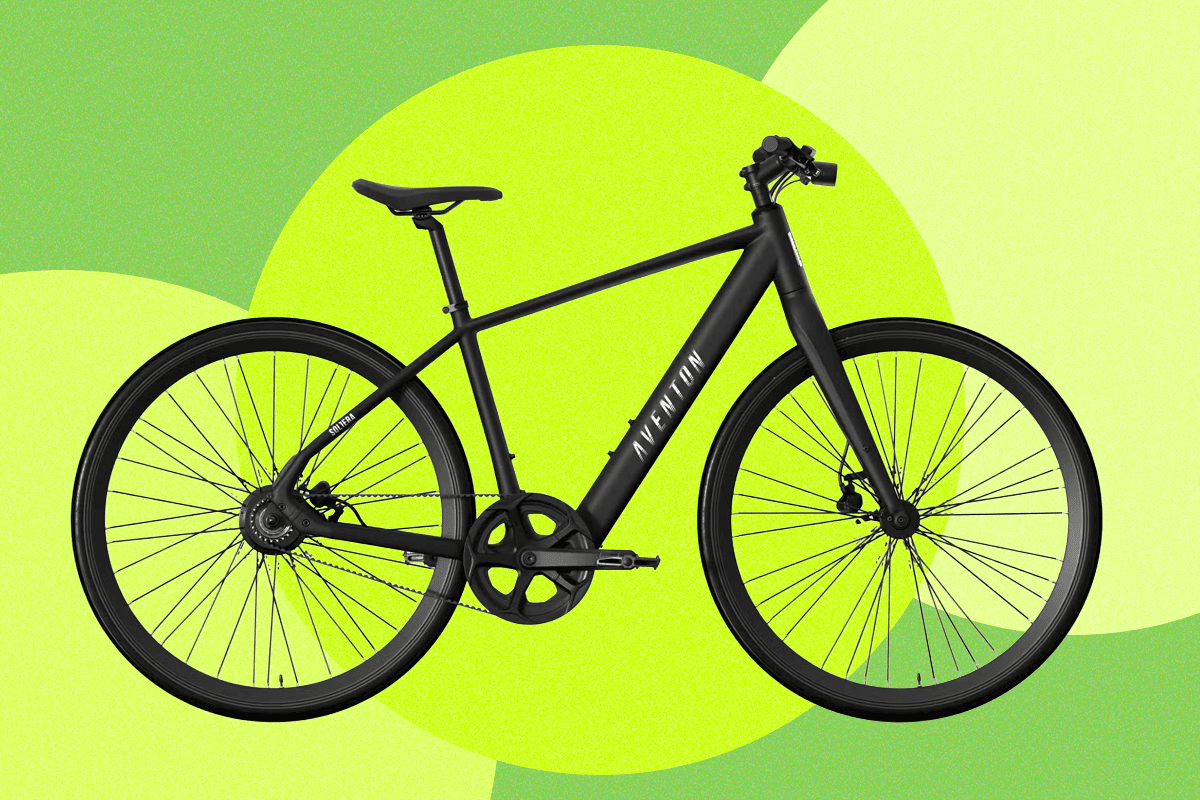
The Aventon Soltera 3 emerges as a notable entry in the electric bicycle market, distinguishing itself through a strategic combination of low-maintenance features, agile performance, and refined aesthetics. A primary highlight of the Soltera 3 is its belt-drive system, a feature that brings significant advantages over traditional chain-driven bicycles. This modern drivetrain technology contributes to a more user-friendly and enjoyable ownership experience.
Belt-drive bikes, such as the Soltera 3, are lauded for their significantly reduced maintenance requirements. Unlike conventional chains that demand frequent cleaning, lubrication, and adjustment, a belt drive typically boasts a lifespan often twice as long as a typical chain, minimizing the need for constant upkeep. This enhanced durability stems from the materials used, often a carbon fiber reinforced polymer, which resists stretching, rust, and the abrasive wear common with metal chains and sprockets. The absence of traditional chain components also means there is no grease involved. This eliminates the common inconvenience of black smudges on clothing, particularly work pants, or hands, making the bike a cleaner option for daily commuting or urban travel. Furthermore, the Soltera 3 specifically incorporates a belt from the renowned Gates brand. Gates is widely recognized as a leader in drivetrain belts, and their products are synonymous with top-tier quality, reliability, and performance in the cycling industry, assuring riders of a premium and dependable component. Beyond maintenance and cleanliness, belt-drive systems inherently offer a quieter and smoother ride compared to their chain-driven counterparts, translating into a more serene and less mechanically intrusive cycling experience. The smooth power transfer and absence of chain noise enhance overall ride comfort.
Despite the comprehensive low-maintenance profile offered by the belt drive, an interesting design choice in the Soltera 3 is the inclusion of hydraulic disc brakes. While belt drives are designed for minimal intervention, hydraulic disc brakes typically require bleeding roughly once a year to maintain optimal performance and responsiveness. This maintenance task, which involves specialized tools and a certain level of technical know-how, presents a contrast to the otherwise hands-off nature of the belt drive. The review suggests that if Aventon’s primary goal was to make the Soltera 3 as maintenance-free as possible, cable-actuated disc brakes might have been a more intuitive selection. Cable-actuated brakes, while potentially offering slightly less stopping power or modulation than their hydraulic counterparts, are generally simpler to maintain, adjust, and repair, aligning more closely with the low-maintenance philosophy of the belt drive. However, the choice of hydraulic brakes undeniably provides superior stopping power, better modulation, and more consistent performance in varied weather conditions, representing a trade-off between ultimate ease of maintenance and braking performance.

Another striking characteristic of the Soltera 3 is its weight. Tipping the scales at 37 pounds, the ebike occupies a unique position in the cycling landscape. For an analog, or conventional, bicycle, 37 pounds would be considered quite heavy, often placing it in the realm of entry-level mountain bikes or very robust utility bikes, far from the typical weight of a nimble road or commuter bike (which can range from 15-30 pounds). However, when evaluated against other electric bicycles, the Soltera 3’s 37-pound weight is remarkably light. Many ebikes, particularly those designed for general commuting or cargo, often weigh upwards of 45 to 70 pounds, with heavy-duty models exceeding that. This heft in most ebikes is attributed to several factors: the inclusion of a motor, the weight of a high-capacity battery, and often a more robust, load-bearing frame designed to withstand higher speeds and carry heavier loads, frequently positioning ebikes as car replacements. The Soltera 3’s comparatively light weight is a significant engineering achievement, allowing it to feel nearly as stiff, nimble, and navigable as a conventional bicycle. This lighter construction contributes to easier handling, maneuverability in urban environments, and simpler transport or storage, effectively mitigating one of the most common issues associated with electric bicycles.
The Soltera 3 further distinguishes itself through its aesthetic appeal, a quality often overlooked or secondary in the ebike segment. The bike is described as simply "looking cool," which is not always the case for ebikes that can sometimes appear bulky or overtly utilitarian due to the integration of electric components. The tester bike, finished in matte black, exemplifies this design philosophy, leveraging the inherent sleekness and modern appeal of the color. Matte black consistently delivers a sophisticated and understated aesthetic, contributing significantly to the bike’s overall visual appeal. Beyond this particular finish, the Soltera 3 is also available in dark matte blue and a sleek silver, offering riders diverse options that maintain its contemporary look. More profoundly, the bike’s design elements contribute to its visual and functional resemblance to a traditional performance bicycle. Its geometry, which dictates the bike’s handling characteristics, coupled with wide, almost perfectly flat handlebars, evokes the feel of a road bike. The handlebars offer a balance of control and a slightly aggressive, yet comfortable, riding posture. Furthermore, the bike features relatively narrow 700 x 36 tires. These dimensions are closer to those found on road bikes than the wider, more cushioned tires typically seen on many ebikes designed for comfort or varied terrain. This combination of geometry, handlebar style, and tire choice imbues the Soltera 3 with a DNA that feels much closer to a responsive road bike than a conventional, often bulkier, ebike.
Regarding rider fit, the Soltera 3 demonstrates a commitment to accommodating a broad spectrum of cyclists. The reviewer, standing at 6 feet 4 inches tall, tested an extra-large (XL) frame, noting that the saddle height was at its maximum for a comfortable fit. While suitable for the reviewer, this suggests that riders significantly taller than 6’4" might find the XL frame pushing its limits. However, Aventon offers the Soltera 3 in a comprehensive range of four sizes, from small to extra-large. This sizing strategy is designed to cover a wide demographic of riders, effectively catering to individuals ranging from approximately 5 feet tall up to the aforementioned 6 feet 4 inches. This extensive size range ensures that most riders can find a Soltera 3 that provides an optimal fit, which is crucial for comfort, pedaling efficiency, and safe handling, thereby enhancing the overall riding experience.