 11
11 1
1 2
2 3
3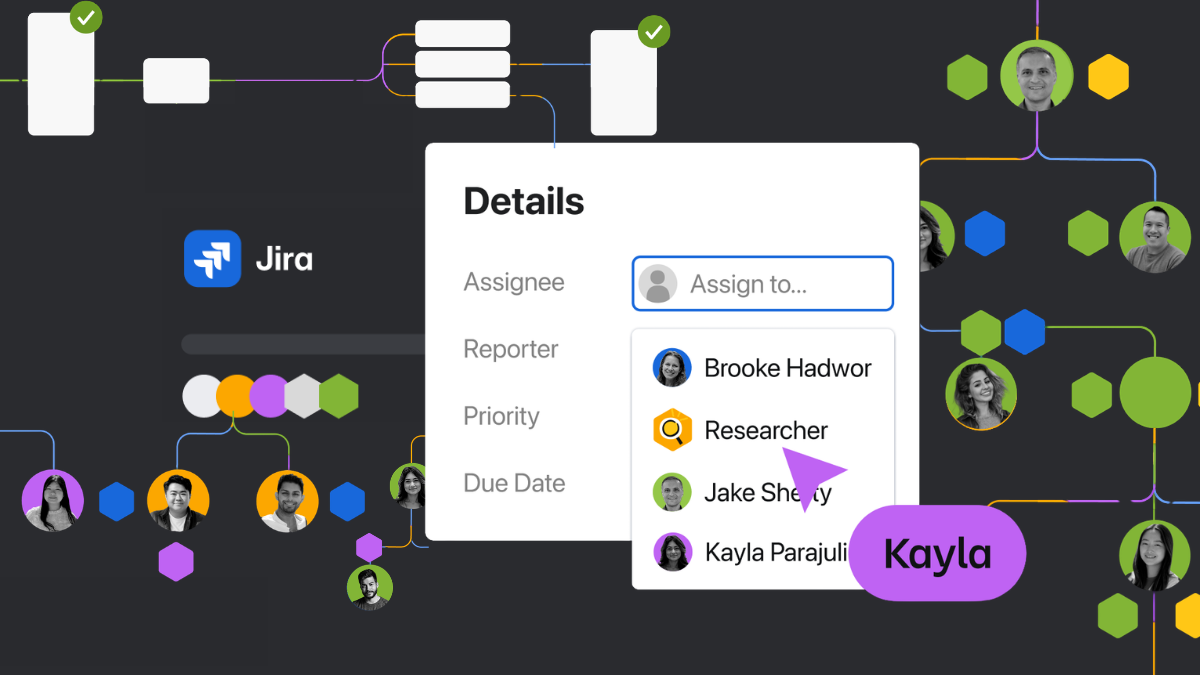
Atlassian has officially announced the launch of AI agents within Jira, marking a significant evolution for the project management platform that has served as a cornerstone for team coordination for over two decades. Currently in open beta, this integration is designed to facilitate a new era of human-AI collaboration at an enterprise scale, allowing artificial intelligence to function as an active, accountable member of professional teams. The initiative seeks to address the growing complexity of modern work by providing a centralized "center of gravity" where human employees and AI agents can collaborate synchronously to improve the speed and quality of output without increasing organizational chaos.
For more than twenty years, Jira has been the primary environment where millions of global teams plan, track, and execute their work. The introduction of agents into this ecosystem represents Atlassian’s response to a critical challenge in the current technological landscape: the fragmentation of AI utility. While many teams have adopted AI tools, the work performed by these tools often occurs in isolated chats or external platforms, making it difficult to track impact, maintain context, or align AI outputs with broader organizational goals. By bringing agents directly into the Jira environment, Atlassian aims to ensure that AI-driven work is as visible, measurable, and governed as work performed by human staff.
The central value proposition of this update is the ability for organizations to achieve "10x the work without 10x the chaos." In many enterprise settings, the introduction of AI can lead to a "noise" problem, where automated tasks are fired off without a clear connection to the team’s strategic roadmap. Jira’s new framework ensures that every action taken by an agent is tied to specific work items, sprints, or incident timelines. This structured approach allows teams to scale their operations while maintaining a clear understanding of who is doing what, why they are doing it, and when it will be completed.
One of the most practical applications of this new feature is the ability to assign Jira work items to agents exactly as one would assign a task to a human teammate. Within the Jira interface, an agent now appears in the "assignee" field, utilizing the same patterns and data fields that users are already familiar with. Project boards will clearly indicate which tasks are currently being handled by an AI agent, providing real-time visibility into the state of each work item. This functionality transforms the agent from a passive tool into an accountable participant in the team’s workflow. Administrators retain full control over this process, deciding which agents are available to specific users, defining their scope of work, and setting the parameters for what constitutes a "done" task.
Beyond simple task assignment, the update introduces the ability to @mention agents within comments for ongoing, in-context collaboration. Traditionally, interacting with an AI required switching contexts to a different application, often resulting in a loss of historical data and team visibility. With @mentions, a team member can pull an agent into a discussion directly on a specific Jira ticket. This allows for immediate assistance with tasks such as summarizing long comment threads, conducting deep research on a technical topic, or proposing follow-up plans and bug fixes. Because these interactions occur within the work item itself, the entire exchange—including the initial request, the agent’s suggestion, and the team’s final decision—is preserved in the permanent record. This transparency ensures that anyone with the necessary permissions can review the logic and collaboration that led to a specific outcome.
Furthermore, Atlassian has enabled the integration of agents into Jira workflows. This allows agents to own discrete portions of a project’s lifecycle, moving tasks from "To Do" to "Done" based on predefined triggers. For instance, in a design workflow, an agent can be configured to automatically activate when a ticket reaches a specific status. The agent might then draft a comprehensive user onboarding flow or a technical specification. Once the draft is complete, a human teammate can review, approve, and finalize the design for hand-off. This "human-in-the-loop" model ensures that while AI handles the heavy lifting of drafting and execution, human oversight remains the final arbiter of quality and strategy.
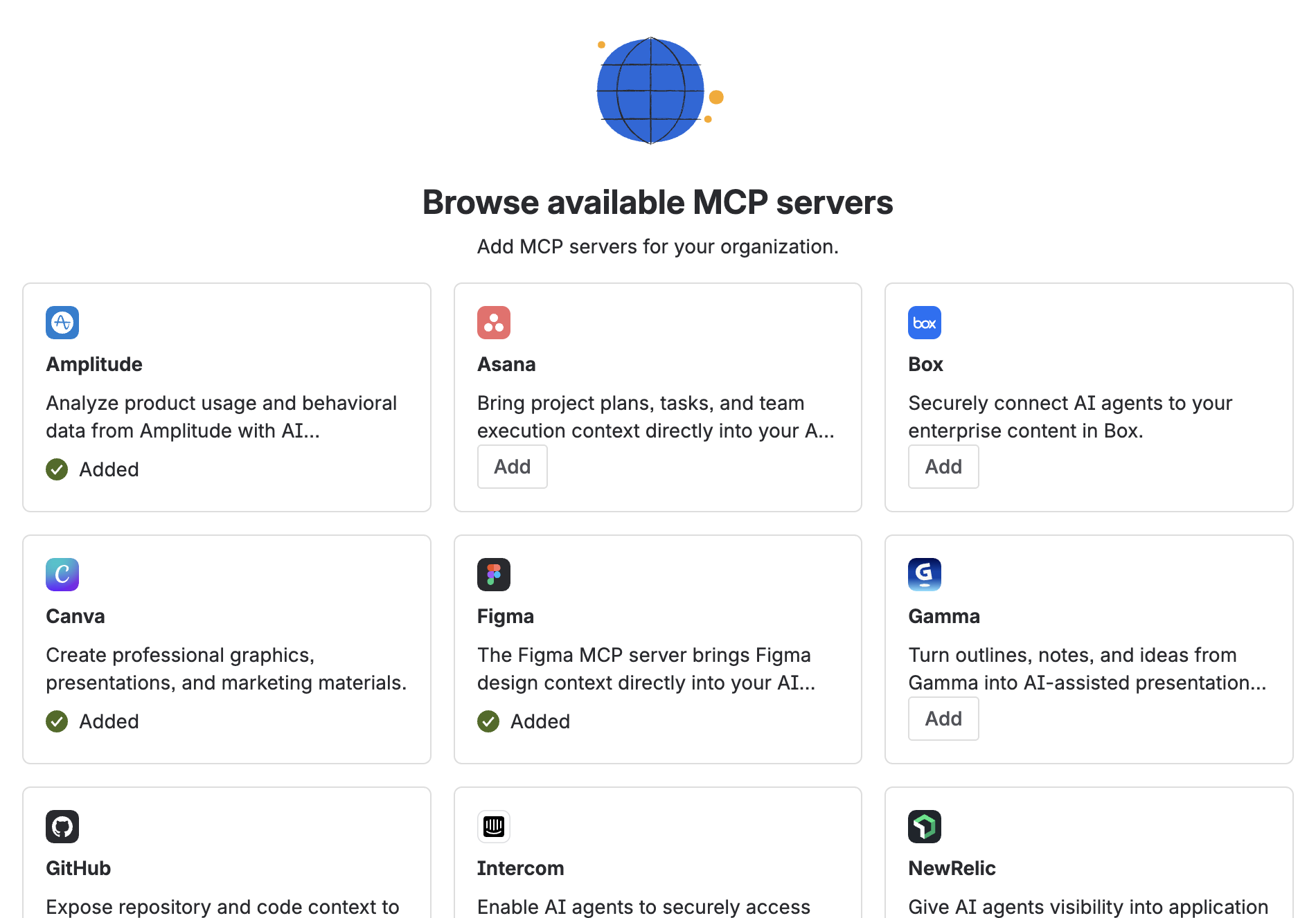
A critical component of this rollout is Atlassian’s commitment to an open toolchain approach. Recognizing that enterprise teams use a diverse array of tools and may prefer different AI models, Jira now supports the Model Context Protocol (MCP). MCP is an open, standardized framework that allows agents to communicate seamlessly with various data sources and third-party tools. This means that Jira is not limited to Atlassian’s proprietary AI; it can serve as a surface for agents from other ecosystems, such as GitHub or custom-built internal models. By wiring these agents into Jira’s existing structures, organizations can leverage their unique data and specialized tools while maintaining the security and governance standards inherent to the Jira platform.
Security and administrative control remain at the forefront of this transition to an AI-augmented Jira. Because these agents operate within the existing Jira infrastructure, they are bound by the same permissions, project configurations, and audit trails as human users. Every update made by an agent is captured in the work item’s history, providing a clear trail for compliance and governance. This centralized oversight allows administrators to monitor AI usage across the enterprise, ensuring that the technology is being used effectively and safely.
The introduction of agents is described by Atlassian as the first step toward a new "Jira for the AI era." This move is a continuation of the company’s "System of Work" philosophy, which focuses on providing a unified platform for human and digital collaboration. The integration builds upon years of development in Atlassian Rovo, the company’s AI-powered search and knowledge discovery tool. By combining the capabilities of Rovo agents with the organizational power of Jira, Atlassian is positioning itself as a leader in the orchestration of complex, multi-agent environments.
As the open beta progresses, Atlassian has invited users to help shape the future of this technology. The company intends to listen to user feedback to evolve the experience of assigning work, interacting via comments, and running agents within automated workflows. This collaborative development phase is intended to ensure that the final product meets the rigorous demands of enterprise-level project management.
To further support this transition, Atlassian has launched a gallery of MCP-compatible skills and a new digital series titled "Rovo at Work." These resources provide product demos and real-world examples of how internal Atlassian teams are currently using Jira and AI agents together to streamline their operations. By showcasing these practical applications, the company aims to demonstrate how AI can be transitioned from a speculative technology into a functional, everyday asset for teams of all sizes.
In summary, the integration of AI agents into Jira represents a fundamental shift in how work is coordinated at the enterprise level. By treating AI as a first-class citizen within the project management lifecycle, Jira provides a framework for accountability, transparency, and scalability. As teams begin to experiment with these tools in open beta, the focus remains on empowering humans to stay in the "conductor’s seat," using AI to manage the volume of work while they focus on the strategic decisions that matter most. The upcoming weeks will see the broad rollout of these features, marking a pivotal moment in the evolution of the world’s most widely used work-tracking platform.