 11
11 1
1 2
2 3
3
On February 20, 2026, Atlassian released a comprehensive guide detailing the essential role of "purpose" in the modern IT landscape, arguing that while all work inherently possesses a reason for existence, the most successful organizations are those that remain actively connected to a specific, outcome-oriented mission. The report, aimed at IT teams and product managers, suggests that a clear sense of purpose serves as a "North Star," guiding teams through complex decision-making processes and preventing the burnout often associated with high-output, low-impact work environments. According to industry experts at Atlassian, the distinction between "what" a team builds and "why" they build it is the primary factor in determining whether a company achieves its long-term business metrics or merely generates a long list of technical updates.
The core of the findings centers on the analogy of a ship. If a company is viewed as a vessel, its purpose acts as the navigational constant. Without this guiding point, different factions within the organization—from executive leadership to individual developers—risk drifting off course or engaging in internal conflict regarding the best path forward. A common pitfall identified in the research is a focus on "miles sailed" (outputs) rather than the "destination" (outcomes). Axel Sooriah, a Product Management Evangelist at Atlassian, noted that a recurring pattern exists where teams produce high volumes of code and impressive changelogs, yet fail to move the needle on business metrics because they lack clarity on the underlying "why." Conversely, teams that define and tag their work to two or three specific outcomes per quarter tend to make superior trade-offs and report higher levels of professional fulfillment.
Leading with purpose is shown to yield several tangible benefits for IT organizations. When the "why" is established, teams experience increased autonomy, as they are empowered to make decisions that align with the overarching goal without constant managerial intervention. It also fosters better alignment between cross-functional teams and improves overall business results. For instance, if a company’s primary objective is customer retention, the IT team’s efforts are more effectively directed toward improving the onboarding experience rather than peripheral brand-building exercises. However, the report acknowledges that obtaining this clarity is often difficult, as purpose typically trickles down from leadership and can become obscured during periods of organizational rapid change or market volatility.
To bridge the gap between abstract mission statements and daily tasks, Atlassian outlined seven specific team practices designed to institutionalize purpose within the workflow.
The first practice involves a fundamental shift from thinking in terms of outputs to focusing on outcomes. In this framework, outputs are defined as the specific tasks or features a team agrees to build, such as shipping a new software update on schedule. Outcomes, by contrast, focus on the value created for the user or the company, such as a measurable reduction in support tickets due to a more intuitive user interface. While outputs remain necessary, they are categorized as poor metrics for measuring true productivity or success.
The second practice emphasizes the use of human-first language in goal setting. Business jargon and overly technical terminology often obscure the actual purpose of a project. The research suggests that goals should be phrased in plain language that every stakeholder can understand. For example, instead of a technical goal like "increase platform efficiency by 15%," a purpose-driven team would phrase the objective as "making it 15% faster for customers to solve their own problems without requiring external help." This clarity ensures that the intention of the goal remains at the forefront of the team’s efforts.
The third practice focuses on the implementation of the OKR (Objectives and Key Results) framework. Atlassian advocates for OKRs because they translate ambitious, high-level goals into tactical, measurable milestones. The "Objective" represents the "why"—a qualitative description of what the team wants to achieve—while the "Key Results" represent the "how," providing quantitative evidence of progress. This structure allows teams to adjust their tactics over time while remaining tethered to the original objective.
The fourth practice involves using purpose as the primary filter for prioritization and trade-offs. When a team’s "North Star" is clear, debates over which features to build or which bugs to fix become more objective. Axel Sooriah observed that without a shared "why," prioritization is often dictated by the loudest voice or the most senior stakeholder. With a clear purpose, the conversation shifts to identifying which options best reduce friction for the target customer. To assist in this, the report recommends two specific frameworks: the Impact vs. Effort Matrix and the RUF Pyramid. The Impact vs. Effort Matrix helps teams identify "quick wins" versus "major projects," while the RUF Pyramid prioritizes Reliability and Usability as the foundation of a product, with new Features serving as the final layer.
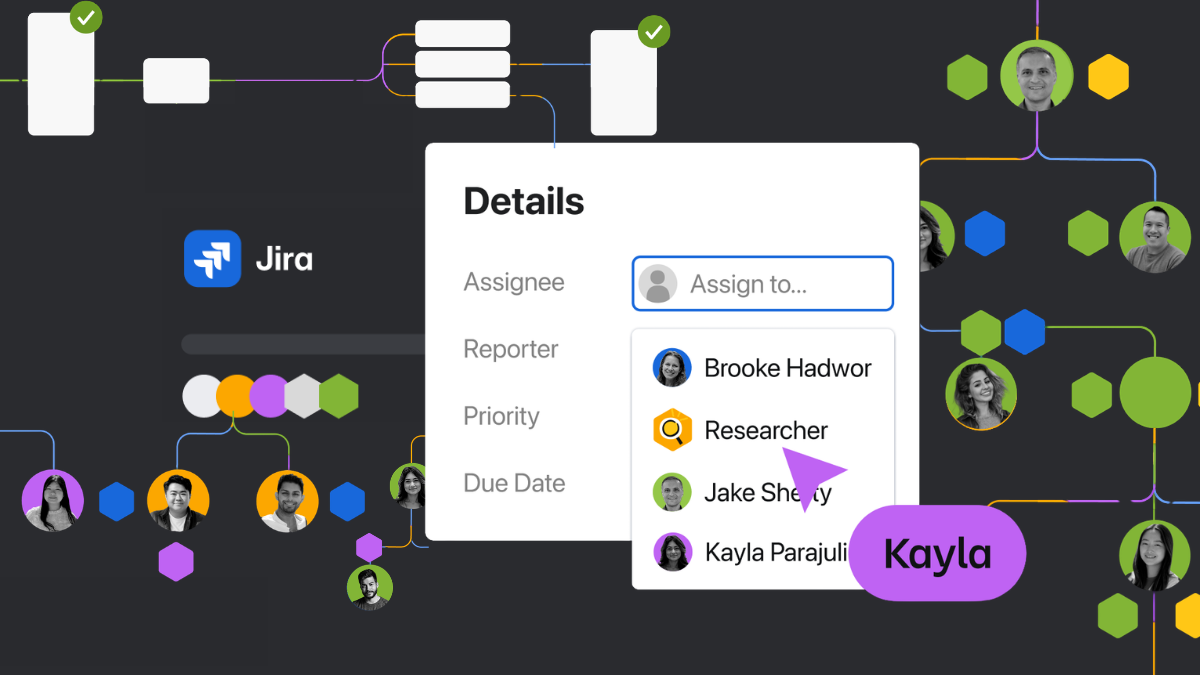
The fifth practice encourages teams to build project documentation around their purpose. Rather than letting the mission statement languish in a forgotten strategy deck, it should be integrated into the tools teams use daily, such as Jira Product Discovery or Confluence project pages. Atlassian suggests including a persistent "purpose line" at the top of all project documentation to remind contributors why the project exists. Furthermore, progress updates should be framed in terms of movement toward a goal rather than a list of completed tasks. For example, an update should not just state that an onboarding flow was shipped, but should explain that the next phase involves analyzing how that flow impacted early customer churn.
The sixth practice focuses on reflection rituals. Because priorities and market conditions change, teams must establish a cadence for checking their alignment with the original purpose. Atlassian recommends a full "goal refresh" every 90 days, supplemented by smaller monthly check-ins. These rituals provide an opportunity to celebrate successes, acknowledge when a specific path is no longer serving the purpose, and pivot the strategy as needed. These check-ins are described as the "compass" that keeps the ship on track during the long journey toward the North Star.
Finally, the report stresses that maintaining a sense of purpose is a continuous journey rather than a one-time achievement. An organization’s "why" is expected to evolve as the company grows and the industry changes. The key to long-term success lies in the small, repeatable habits that keep the team connected to their mission. By fostering an environment of open communication and intentionality, IT teams can ensure that their work remains "on purpose" rather than just "on time."
The findings conclude that while companies do not build products "for fun," the process of building can be fulfilling when the work is connected to a clear outcome. By moving away from a culture of pure output and toward a culture of shared purpose, IT teams can achieve higher productivity, better business results, and a significant reduction in employee burnout. The report serves as a roadmap for leaders and teams looking to navigate the complexities of 2026’s technological environment with clarity and precision.