 11
11 1
1 2
2 3
3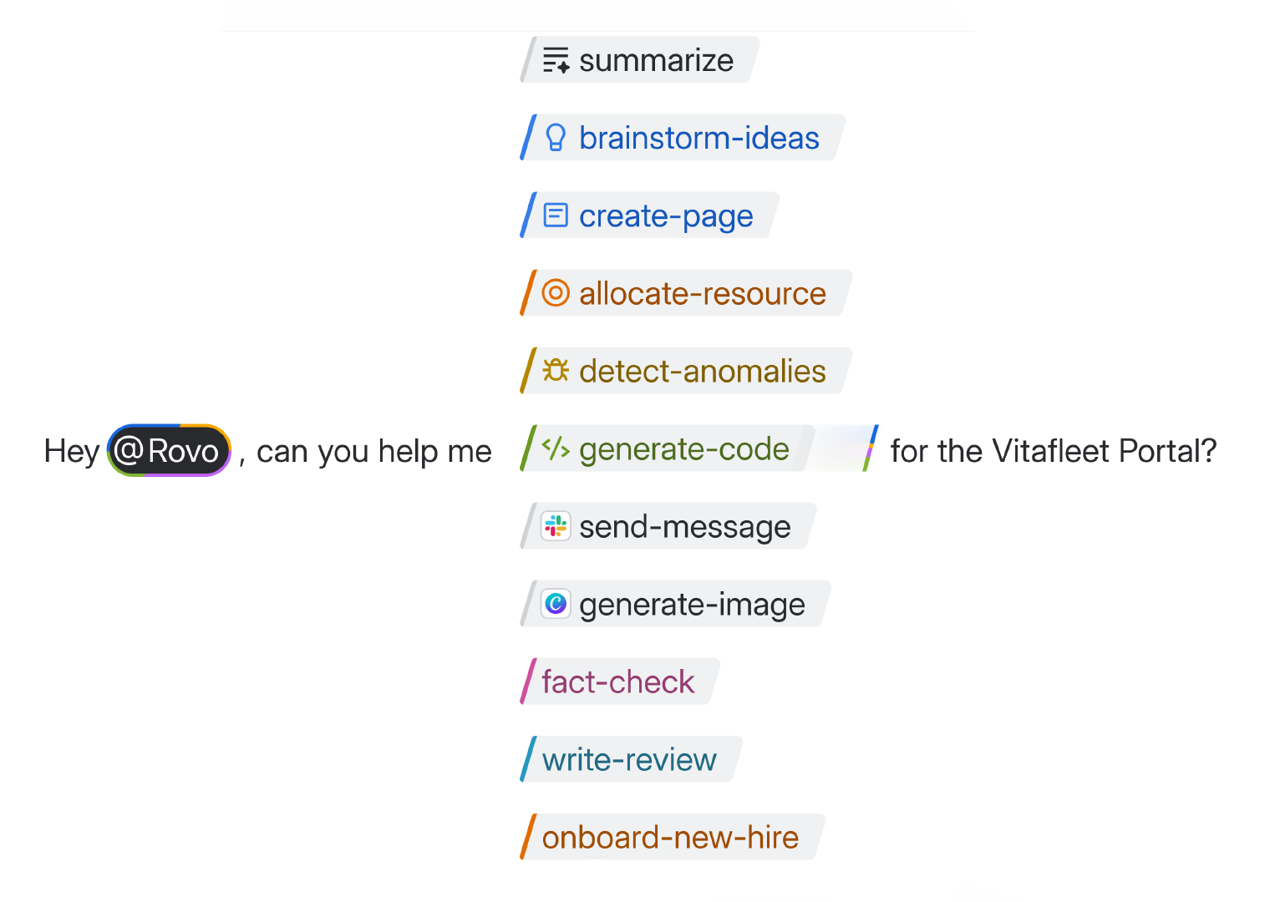
At the World Summit AI held on October 9th, Rachel Shepard, a prominent AI design leader at Atlassian, unveiled a significant shift in the company’s approach to artificial intelligence. Speaking to an audience of industry experts and designers, Shepard detailed how Atlassian has moved away from the industry-standard "agent-centric" user experience in favor of a more streamlined, "skill-based" model. This transition, born out of a cross-functional design sprint, addresses a growing challenge in the enterprise software sector: the "agent sprawl" that often leads to user confusion, increased cognitive load, and a breakdown in trust.
Shepard, who previously led design for Microsoft’s AI platform and possesses extensive experience in responsible AI frameworks, presented a case study centered on Atlassian’s AI tool, Rovo. Rovo is built upon the Teamwork Graph, a proprietary data structure that allows the AI to maintain memory across various applications and understand the specific context of a team’s work. While Atlassian’s "Studio" platform initially empowered users to build custom agents on top of this graph, the rapid proliferation of these tools led to unexpected UX hurdles.

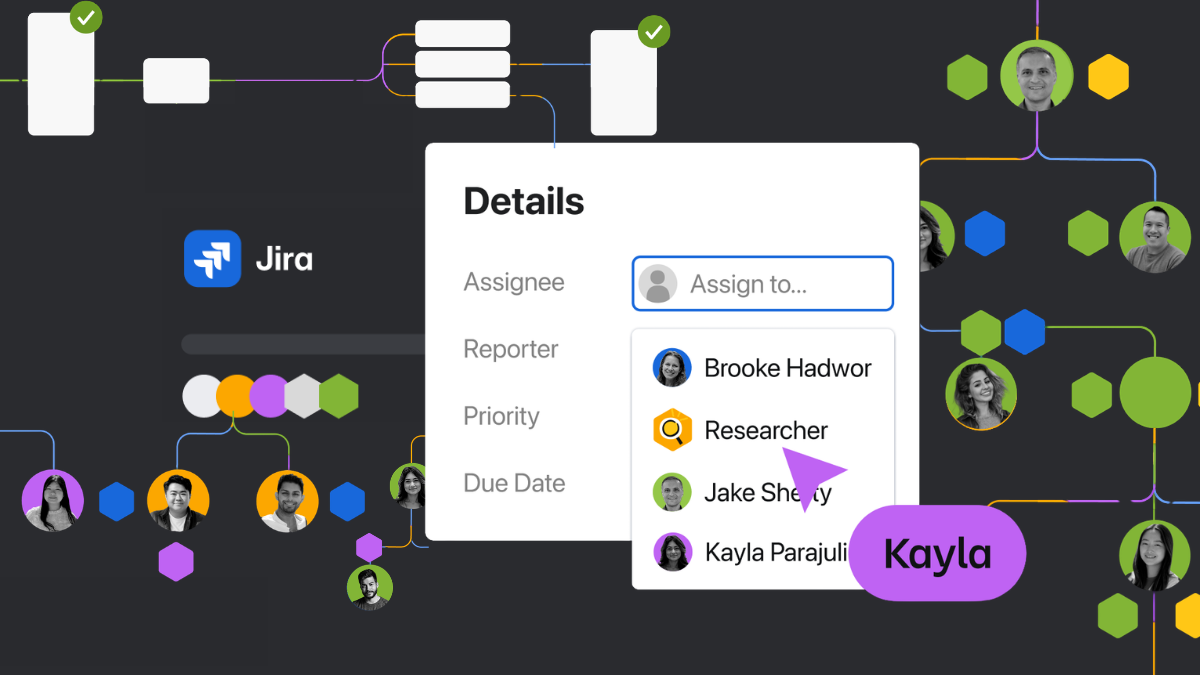
The core of the problem, as identified by Shepard’s team, was the lack of a consistent definition for what an "agent" actually is. In the current technological landscape, an agent can be anything from a personified digital assistant with a name and avatar to a background set of automated capabilities or a simple AI-driven feature. When Atlassian launched its initial suite of role-based, personified agents, it resulted in what Shepard termed "agent sprawl." Users were faced with dozens of specialized assistants, each with inconsistent interfaces and varying levels of reliability, making it difficult to know which tool to use for a specific task.
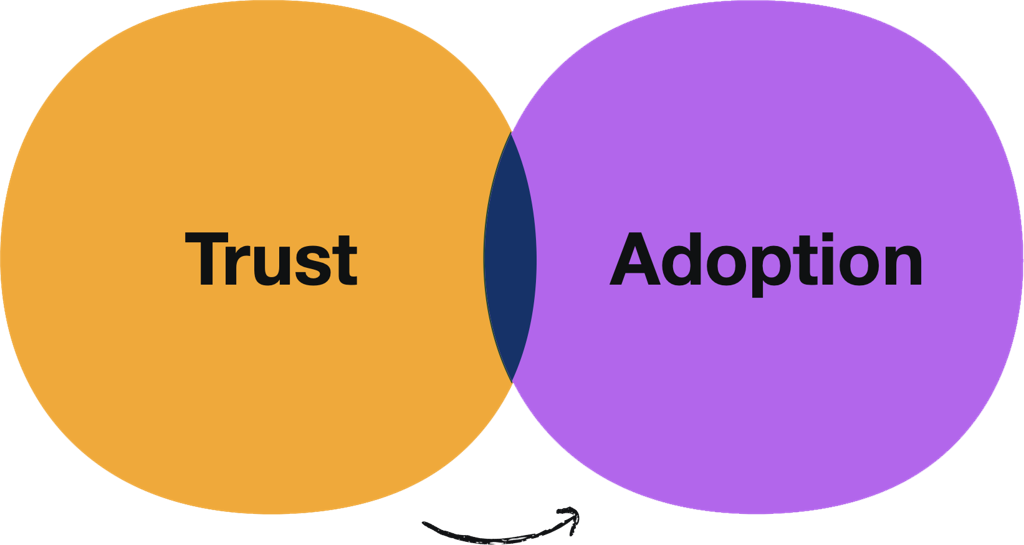
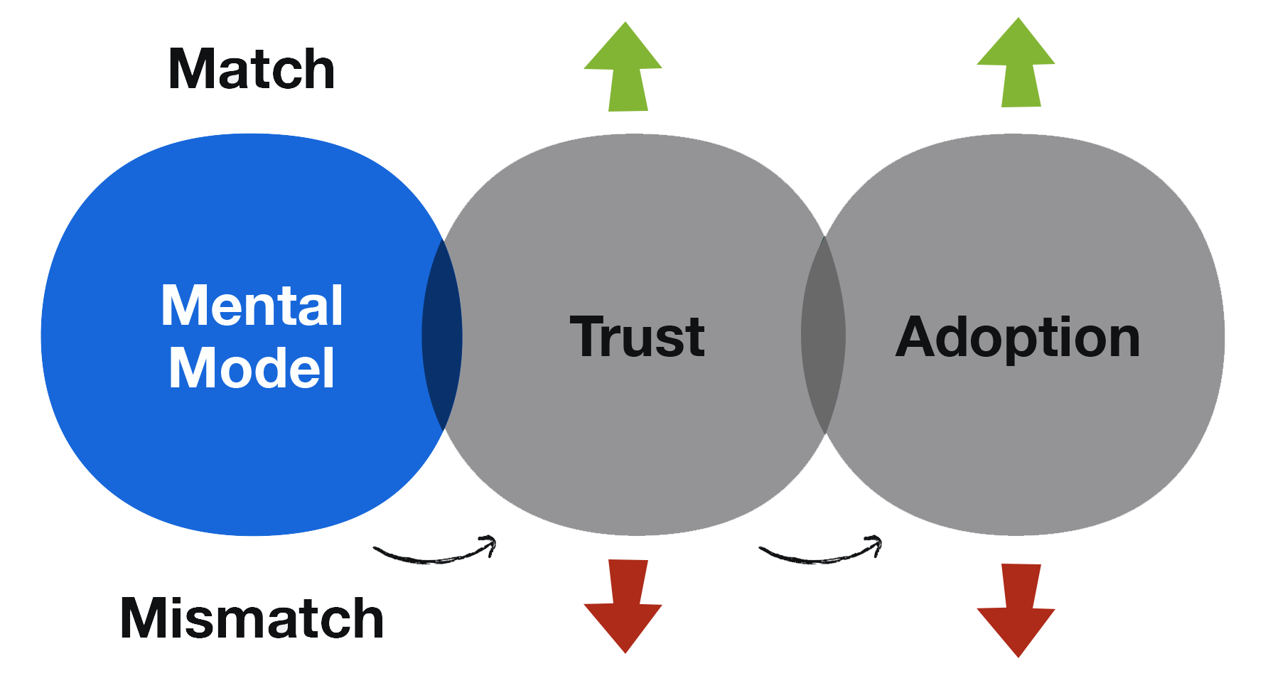
During the design sprint, Shepard challenged the team with fundamental questions: "Do we know what agents are? Do we all agree? Will the experiences we’re shipping drive adoption?" The conclusion reached was that while the underlying AI functions were technically proficient, the product faced an adoption problem rooted in a lack of trust. Trust, in the context of AI, is heavily dependent on how well a product aligns with a user’s mental model. When there is a mismatch between what a user expects an AI to do and what it actually delivers—whether it over-promises or under-performs—the user’s confidence in the system erodes.
The sprint team identified that littering a digital environment with dozens of personified agents created an incoherent experience. To solve this, Atlassian established a set of core design principles: meet users where they already work, reduce cognitive load, avoid introducing unnecessary new concepts, and focus the user experience (UX) on functional outcomes rather than the internal mechanisms of the AI.
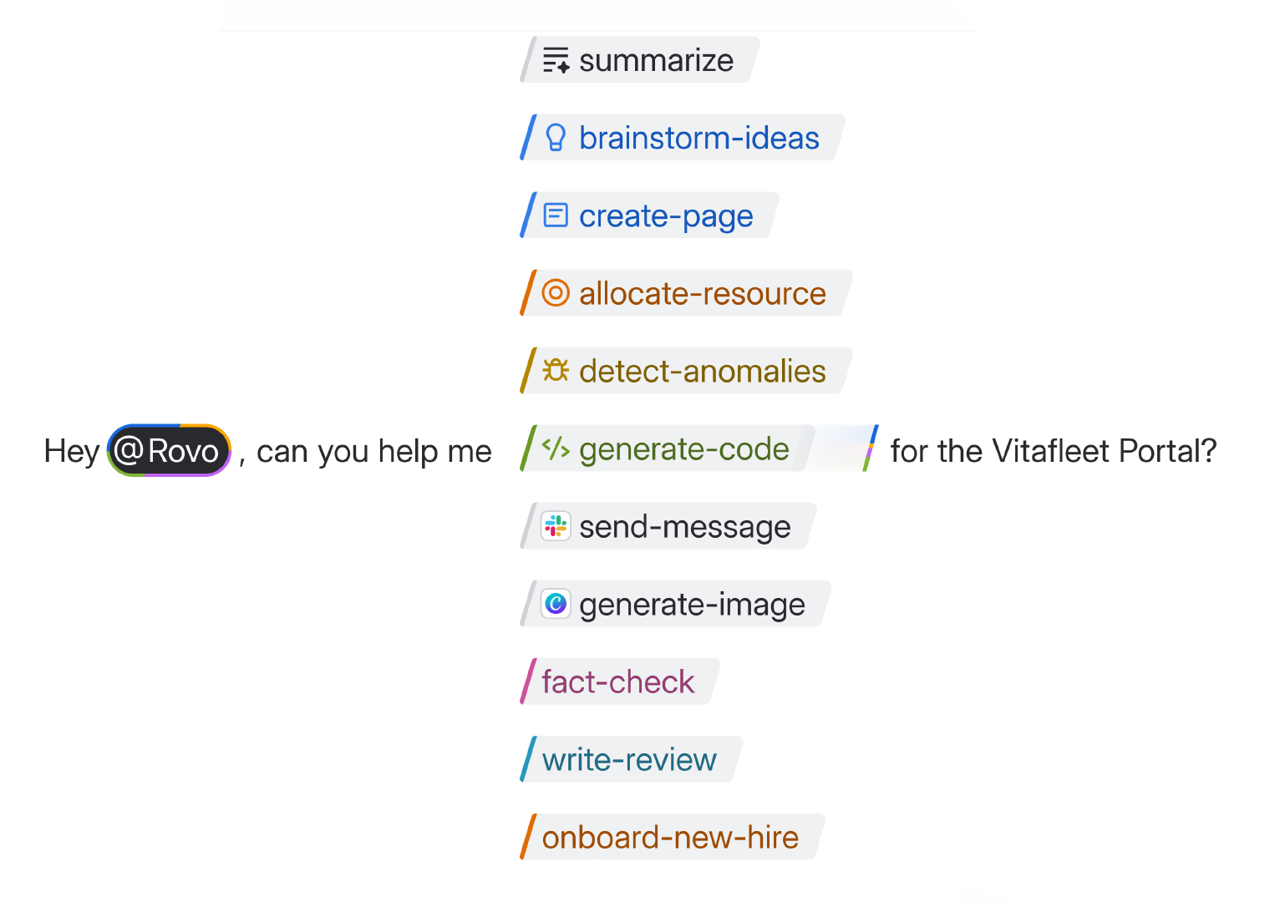
The most significant outcome of this strategic pivot was the decision to "dissolve" agents into "Skills." Rather than forcing users to select from a catalog of specialized agents, Atlassian began embedding smaller, specific AI capabilities directly into the existing user interface. This shift aligns with the way users naturally think about their work—focusing on the task at hand rather than the tool performing it. In the new UX framework, these Skills are easily discoverable through familiar interface elements like slash commands and context menus. When a user interacts with a natural language chat interface, the system invokes the appropriate skill behind the scenes without requiring the user to manually select a specific agent.
Shepard noted that this approach simplifies the user’s decision-making process. "Do we even need to call them AI? It’s just stuff that works," she remarked, highlighting that the ultimate goal is for the technology to feel like an intuitive extension of the software. Since implementing this shift, Atlassian has observed a measurable increase in the use of these AI features, suggesting that the "Skills" model successfully lowered the barrier to entry for many users.
A key philosophical shift discussed during the presentation was the idea that UX does not need to mirror the underlying technical architecture. While the code might involve complex orchestration between different AI models and data sources, the user should only see a simple, effective tool. This abstraction allows for the freedom to compose various Skills in a way that feels natural to the human workflow.
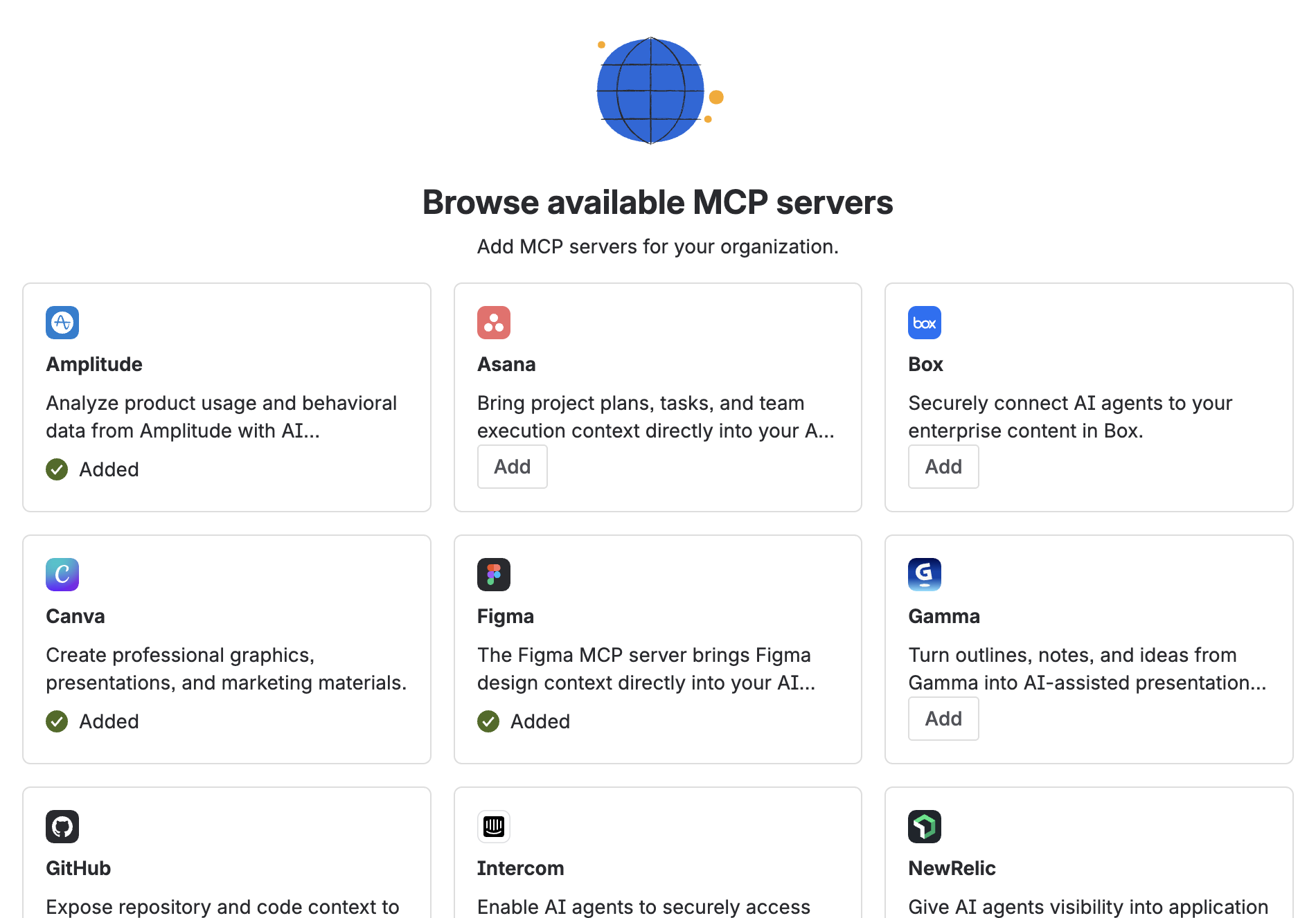
To support this new model at scale, Atlassian’s engineering team moved to a "shared skills registry." This is a centralized catalog that houses first-party, third-party, and custom-built skills. Each skill in the registry includes common metadata, evaluation tooling, and a standardized Software Development Kit (SDK). This registry enables different product teams within Atlassian to share and reuse capabilities easily. These Skills abstract familiar technical primitives—such as tools, actions, embeddings, and Model Context Protocol (MCP) servers—allowing them to work seamlessly across both the orchestration layer and the user experience layer.
Atlassian has also invested heavily in the infrastructure required to maintain this ecosystem. This includes an integration service and a developer SDK designed to make the creation and connection of new skills as frictionless as possible. Furthermore, the company developed evaluation datasets and specialized tooling to ensure the quality and reliability of every skill in the registry. A "skills playground" UI was also created, providing a dedicated environment where design and engineering teams can experiment with and refine new capabilities before they are deployed to users.
The move toward task-based, functional naming conventions further assists in keeping the catalog coherent. By focusing on what a skill does (e.g., "Summarize Page" or "Identify Action Items") rather than who the "agent" is supposed to be, Atlassian has reduced the anxiety and confusion that often accompany the introduction of sophisticated AI.
In her closing advice to the World Summit AI audience, Shepard emphasized that as AI capabilities continue to evolve and become more commodified, the primary differentiator for any product will be the user experience. She urged organizations to let their experience strategy shape their technical platform, rather than the other way around. Shepard also cautioned against "over-branding" features as "AI" or "agents" unless specifically required for risk management or compliance purposes. Over-labeling can often distract users from the value of the tool and reinforce a sense of technological alienation.
The Atlassian case study serves as a blueprint for other enterprise software companies grappling with the integration of Large Language Models (LLMs) and autonomous agents. By prioritizing authentic user experience and building a robust, composable infrastructure, Atlassian aims to move past the hype of "agents" toward a future where AI is a quiet, reliable, and indispensable part of the teamwork process. Shepard concluded that thoughtful, user-centered design is the most effective lever for building the trust necessary to drive long-term adoption of AI technologies.
This evolution from personified assistants to embedded skills reflects a maturing perspective on AI design, suggesting that the most powerful technology is often the one that disappears into the workflow, allowing users to focus on their objectives rather than the complexity of the tools they are using. As Atlassian continues to expand its Rovo platform and Teamwork Graph, the "Skills" framework will remain the cornerstone of its strategy to deliver AI that is both powerful and approachable.