 11
11 1
1 2
2 3
3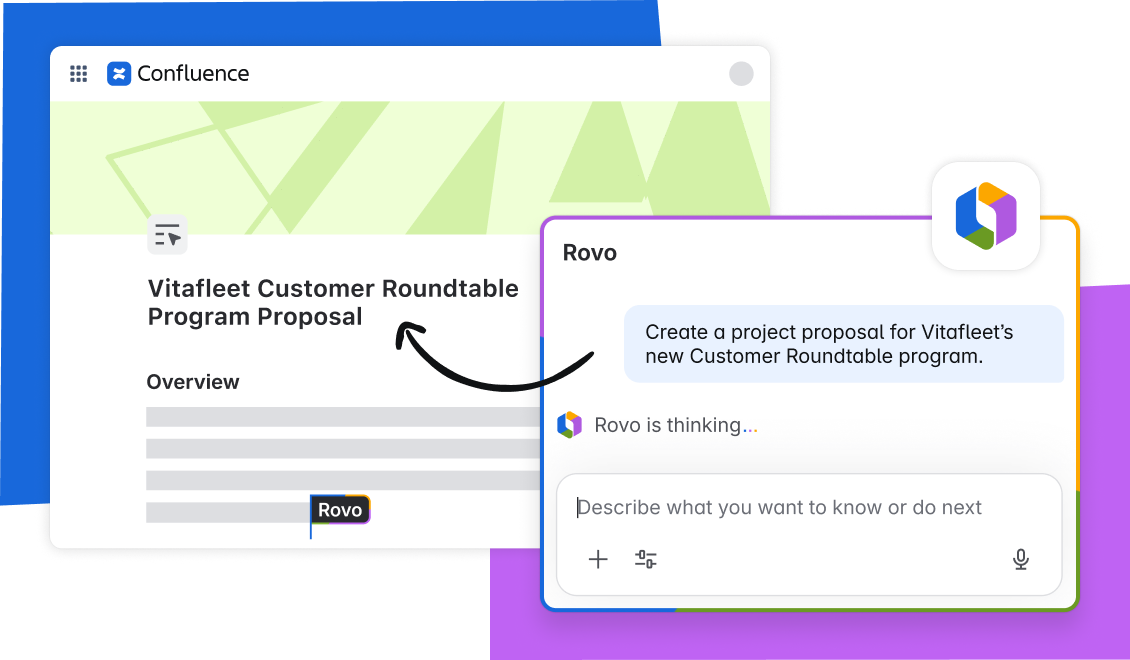
Atlassian has announced a significant evolution in its collaborative suite by integrating Atlassian Rovo, an advanced artificial intelligence agent, directly into its Confluence platform. This integration is designed to address the persistent challenges of "blank page syndrome" and fragmented workflows, offering teams a streamlined path from initial ideation to published content. By leveraging generative AI and deep data integration, the new features aim to accelerate the pace of work, ensure information accuracy, and foster better collaboration across diverse organizational departments.
The modern workplace is increasingly defined by the volume of content generated to plan projects, share institutional knowledge, and drive operational progress. However, as Atlassian notes, the actual process of managing this content is frequently characterized by friction. Teams often find themselves paralyzed when starting new projects, spending excessive time reformatting documents, or manually searching for context across a disconnected ecosystem of tools. Before meaningful collaboration can even begin, significant manual effort is expended on structural setup and information retrieval. Confluence, which has long served as a central hub for team knowledge, now seeks to eliminate these bottlenecks by pairing its workspace capabilities with the intelligence of Atlassian Rovo.
The challenges facing contemporary teams are multifaceted. Beyond the psychological hurdle of a blank document, there is the logistical nightmare of "context switching." Information required for a project is rarely housed in a single location; it is often scattered across Jira tickets, Slack conversations, email threads, and third-party cloud storage. When teams attempt to synthesize this data into a coherent Confluence page or a strategic plan, the risk of missing critical details or relying on outdated information is high. Furthermore, the editing process—adjusting tone for different stakeholders, summarizing long-form content, or reformatting data into usable structures—adds another layer of delay, often discouraging frequent updates and leading to the stagnation of shared knowledge.
The introduction of Rovo-powered creation and editing in Confluence represents a shift toward "context-rich" AI. Unlike generic AI models that operate in a vacuum, Rovo is designed to be grounded in a company’s specific data. By describing a desired output, users can prompt Rovo to generate pages, live documents, whiteboards, or databases. The AI achieves this by pulling from data sources across the Atlassian suite and integrated third-party applications. This ensures that the resulting drafts are not only well-structured but are also accurately reflective of the team’s ongoing work, existing priorities, and historical context.
The functionality of Rovo within Confluence is categorized into three primary pillars: accelerating the transition from idea to draft, maintaining connectivity with real-time work, and simplifying the refinement of content.
In the first pillar—accelerating the draft process—Rovo addresses the "drag" associated with the early stages of creation. Instead of spending hours determining the correct layout for a project proposal or an incident report, users can provide a brief description of their goals. Rovo then generates a structured draft in seconds, complete with appropriate headers, sections, and formatting. This capability extends beyond standard text documents to include interactive elements like Confluence whiteboards for brainstorming and databases for tracking complex tasks. By removing the burden of manual setup, teams can focus their energy on refining ideas and making decisions while project momentum is at its peak.
The second pillar focuses on connectivity and accuracy. One of the primary risks in documentation is the divergence between what is written and what is actually happening in the field. Rovo mitigates this by grounding its content generation in the actual data found within the organization’s digital ecosystem. For instance, if a team is drafting a project status update, Rovo can pull the latest progress reports from Jira, reference recent decisions documented in previous Confluence pages, and identify the correct stakeholders. This creates a "shared understanding" that stakeholders can trust, reducing the need for constant manual verification and ensuring that documentation remains a "living" reflection of reality.
The third pillar addresses the refinement and improvement of content. Editing is often where teams lose the most time, as they struggle to make information accessible and professional. Rovo provides tools to polish content instantly. Users can highlight sections of text to change the tone—making it more professional for executives or more encouraging for internal teams—summarize lengthy reports into digestible bullet points, or reformat a wall of text into a structured table. These AI-driven editing passes allow for faster review and approval cycles, as the initial quality of the content is higher and more consistent.
To demonstrate the practical application of these features, Atlassian highlighted several industry-specific use cases. In the marketing sector, teams often conduct retrospectives to analyze the success of various campaigns. Rovo can be prompted to create a retrospective whiteboard with pre-defined sections for successes and areas for improvement. Following the session, the AI can then summarize the visual data from the whiteboard into a structured Confluence page to be shared with leadership, ensuring that lessons learned are institutionalized rather than forgotten.
In product management, where teams must juggle evolving specifications and technical requirements, Rovo can transform high-level feature ideas into organized product requirements databases. By specifying fields for priority, status, ownership, and target release dates, the AI builds a centralized source of truth that is easy for cross-functional partners to navigate and update. This level of automation ensures that product specs remain clear and actionable throughout the development lifecycle.
Human Resources departments also stand to benefit from standardized processes. Onboarding a new employee involves complex checklists, IT setups, and milestone tracking. By describing the desired onboarding flow, an HR professional can use Rovo to generate comprehensive checklists and flowcharts tailored to specific roles or locations, such as remote employees. This ensures a consistent experience for new hires and reduces the administrative burden on HR staff.
The broader implications of this integration suggest a move toward a more "active" knowledge management system. Traditionally, wikis and documentation tools were passive repositories where information went to be stored. With Rovo, Confluence becomes an active participant in the work process. The AI acts as a partner that understands the relationships between different pieces of data, helping teams bridge the gap between planning and execution.
Atlassian’s strategy with Rovo also emphasizes the importance of the "open" ecosystem. By allowing the AI to pull from third-party apps, Atlassian acknowledges that most modern teams use a diverse stack of tools. The ability to synthesize data from sources outside the Atlassian environment—such as Google Drive or Microsoft 365—is a critical differentiator that enhances the utility of Confluence as a central command center.
As organizations continue to grapple with the complexities of hybrid work and information overload, tools that can provide clarity and speed are becoming essential. The integration of Rovo into Confluence is positioned as a solution that not only saves time but also improves the quality of organizational communication. By automating the mundane aspects of content creation and editing, Atlassian aims to empower teams to focus on high-value work: solving problems, innovating, and delivering results.
For existing Confluence users, these AI-powered features are currently being rolled out, offering a new way to interact with the platform. For organizations not yet utilizing Confluence, Atlassian is offering trials to demonstrate how AI-driven knowledge management can transform internal operations. The goal remains clear: to move teams from the blank page to published, impactful content faster than ever before, ensuring that knowledge is not just documented, but put into action.