 11
11 1
1 2
2 3
3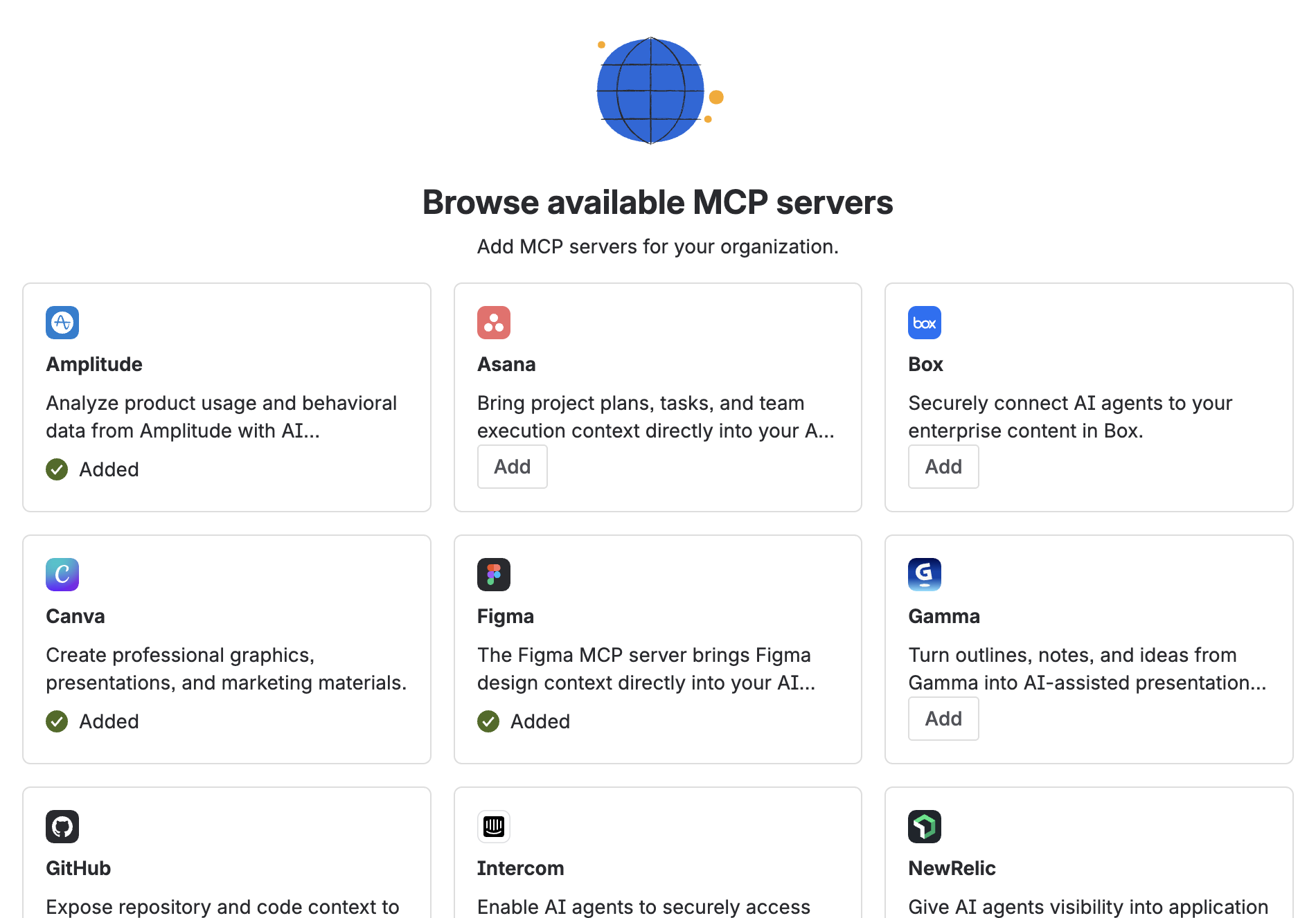
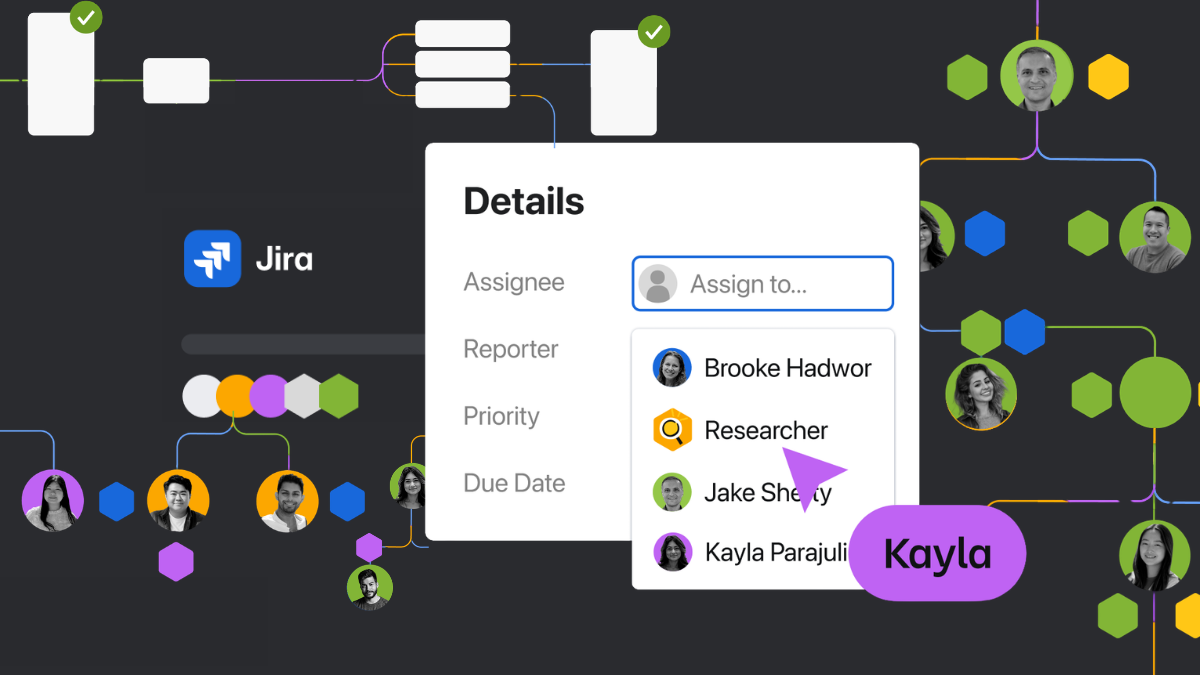
The landscape of enterprise artificial intelligence is undergoing a fundamental shift from general-purpose large language models to specialized, agentic systems capable of executing complex tasks within specific business contexts. While modern AI possesses significant computational "horsepower," the primary bottleneck for organizational productivity remains a lack of situational context and the inability to act autonomously across disparate software ecosystems. To address these challenges, Atlassian has announced a significant expansion of its Rovo AI capabilities, introducing a new class of skills and integrations designed to foster smarter agents, improved teamwork, and deeper connections with everyday enterprise applications.
At the core of this evolution is the integration of the Model Context Protocol (MCP), an open standard that allows Rovo agents to connect with third-party applications without the need for extensive custom coding or protracted integration projects. This development represents a move toward a more interoperable AI environment where agents are not confined to a single platform but can operate across an organization’s entire "System of Work."
Atlassian’s Rovo agents are uniquely positioned to navigate the high-stakes, cross-functional realities of modern enterprise environments because they are built upon the Atlassian Teamwork Graph. This foundational technology tracks over 100 billion work items and the complex relationships between them. By leveraging the Teamwork Graph, Rovo agents do not merely surface isolated pieces of information; they understand how specific tasks connect to broader goals, identify the individuals who own specific projects, and determine the logical next steps in a workflow. The addition of MCP support extends this intelligence beyond the Atlassian suite, allowing agents to pull live context and execute actions across a diverse stack of external tools.
The initial rollout of this capability includes a robust list of partner integrations. Rovo agents can now interface with popular applications such as Amplitude, Box, Canva, Figma, Gamma, GitHub, Intercom, New Relic, and Replit. This ecosystem allows teams to maintain their preferred workflows while benefiting from centralized AI orchestration. In this architecture, a "skill" serves as the fundamental building block—a discrete, specialized task designed by Atlassian, its partners, or the users themselves. Each MCP skill added to a Rovo agent increases its functional knowledge and operational capacity.
For administrators, the process of expanding an agent’s capabilities has been streamlined. By connecting an MCP server from a centralized gallery, administrators can empower Rovo agents to perform a variety of sophisticated tasks. The practical implications of these connections are best illustrated through real-world professional scenarios. For instance, a marketing professional planning a product launch can utilize a Rovo agent to aggregate data from multiple sources. The agent can retrieve the latest visual assets from Figma, analyze product performance metrics from Amplitude, and synthesize recent customer feedback from Intercom. An MCP-enabled Content Specialist Agent can then take this gathered intelligence to generate draft blog posts, social media copy, and launch briefs within Confluence. This eliminates the "blank page" problem, ensuring that all creative output is grounded in real-time data and organizational context.

To accelerate the time-to-value for organizations, Atlassian is deploying a suite of pre-built Rovo agents that come equipped with specialized skills for specific departments. These agents are designed for immediate deployment, allowing teams to automate routine tasks right out of the box.
For product and design teams, the Figma Agent provides a direct link between design files and project management workflows. This agent can search for specific Figma files, retrieve design components, and even summarize feedback or changes within a design project, ensuring that developers and product managers are always aligned with the latest visual iterations.
Service and support teams can utilize the Intercom Agent to manage customer relationships more effectively. By staying on top of conversations across various channels, the agent can summarize customer interactions, highlight urgent issues, and ensure that the support team has a comprehensive view of the customer’s history without manually toggling between different platforms.
In the realm of general business operations, the Box Agent serves as a digital librarian. It allows teams to keep critical files at their fingertips, enabling agents to search through vast document repositories, summarize file contents, and ensure that the most relevant documentation is linked to specific Jira tickets or Confluence pages.
Marketing teams benefit from the Canva Agent, which can transform written briefs into on-brand visual assets. By bridging the gap between a project brief in Jira and the creative suite in Canva, the agent streamlines the production of marketing collateral, ensuring that the final output adheres to the strategic goals outlined in the initial planning phases.
Beyond these pre-built solutions, Atlassian is providing the tools for organizations to design custom agents tailored to their unique, cross-functional workflows. Through Rovo Studio, teams can combine skills from both Atlassian products and third-party apps to create bespoke agents. This allows for the creation of highly specialized digital workers, such as a "Bug Buster" agent. This custom agent could monitor system health through New Relic, identify anomalies, cross-reference them with recent code commits in GitHub, and automatically generate detailed Jira tickets for the engineering team, complete with the necessary technical context.

Another example of custom utility is a "Product Operations" agent. This agent could be programmed to monitor customer feedback in Intercom, identify recurring themes or feature requests, and automatically update a product roadmap in Jira Product Discovery. This level of automation ensures that the voice of the customer is directly integrated into the product development lifecycle with minimal manual intervention.
A critical aspect of the MCP integration is the ability for agents to connect to an organization’s internal systems. Many enterprises maintain proprietary databases or "single sources of truth" that are historically difficult to integrate with external AI tools. Through MCP, these internal systems can be exposed as skills. For example, a company could connect its internal customer hub to Rovo. An agent could then instantly look up proprietary customer details, such as contract status or historical usage patterns, and use that information to inform decisions or actions within Jira or Confluence. This approach bypasses the need for massive, custom-built integration projects, providing a standardized and secure way to leverage internal data.
The introduction of these new skills and the MCP standard represents a strategic move by Atlassian to position Rovo as the central intelligence layer for the modern enterprise. By focusing on agency and context rather than just information retrieval, Atlassian is addressing the core complexities of team collaboration in a fragmented software landscape. The ability for AI to not only "know" but also to "do" across various platforms marks a significant milestone in the evolution of digital productivity.
As organizations continue to adopt these agentic workflows, the focus will likely shift toward optimizing the interplay between human expertise and AI execution. The goal of the Rovo expansion is to move teams away from low-value coordination tasks—such as searching for files, manual data entry, and status reporting—and toward high-value strategic work. With the backing of the Teamwork Graph and the flexibility of the Model Context Protocol, Atlassian is providing a framework where AI agents can truly operate as members of the team, equipped with the context required to handle the complexities of enterprise-scale projects.
For organizations ready to implement these advancements, Atlassian has provided clear pathways for engagement. Administrators can begin by exploring the MCP server gallery to connect third-party apps, while teams can start deploying pre-built agents to handle immediate departmental needs. For those looking to push the boundaries of automation, Rovo Studio offers the environment necessary to build the next generation of custom, cross-functional AI workers. Through this comprehensive update, Atlassian reinforces its commitment to making AI a practical, integrated, and essential component of the modern workplace.