 11
11 1
1 2
2 3
3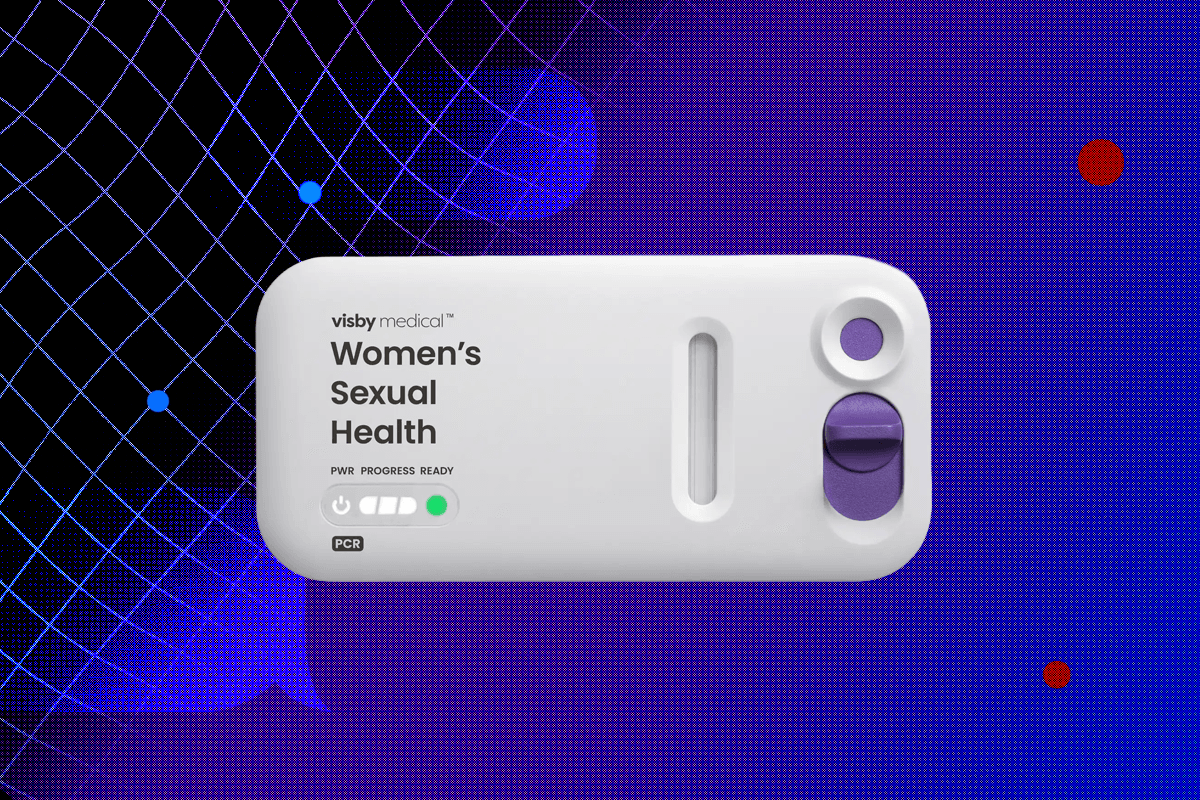
Getting tested for sexually transmitted infections (STIs) can often be a source of anxiety, confusion, or embarrassment for many individuals. However, the advent of at-home STI testing kits is transforming this process, offering a more private and accessible alternative to traditional clinic visits. This shift comes at a critical time, as STIs are experiencing a resurgence, with the Centers for Disease Control (CDC) reporting a concerning 2.2 million infections in 2024, a significant increase from a decade prior. For those hesitant or unable to visit a doctor or clinic, these home-based options present a valuable solution, though they come with their own set of considerations and are not universally suitable.
At-home medical testing is not a novel concept, with kits available for a wide range of health concerns, including COVID-19, drug screening, hormone level checks, and food sensitivities. This trend extends to sexual health, with STI tests designed to detect infections using various biological samples. Typically, these tests require users to collect samples of blood (often via a finger prick), urine, or swabs from the vagina or rectum. Once collected, samples are either mailed to a certified laboratory for analysis, with results delivered digitally, or processed directly at home using a dedicated testing device that provides rapid results. The cost for these tests generally ranges from $100 to $400, depending on the specific infections screened and the brand.
The accuracy of at-home STI tests is a frequently raised question. Dr. Shannon Chatham, Medical Director at the online healthcare company Wisp, asserts that "At-home STI tests can be just as accurate as those performed in a doctor’s office when used correctly, since they often use the same laboratory testing methods." She emphasizes that meticulous adherence to collection instructions and choosing tests from reputable, FDA-approved, or CLIA-certified companies are paramount for reliable results. Dr. Kate McLean, Chief Medical Officer at at-home test company Evvy, echoes this sentiment, affirming that the underlying technology is often identical to lab-based tests. However, Dr. McLean adds a crucial caveat: "A positive result should be paired with a care conversation to understand next steps." This highlights that while testing at home offers convenience, professional medical guidance remains essential for diagnosis confirmation and treatment planning. Dr. Gary Schoolnik, Chief Medical Officer at Visby Medical, further cautions about the importance of following kit instructions precisely, proper sample collection to avoid contamination, and being aware of factors like incorrect kit storage or recent use of certain products that could interfere with results.
What Can At-Home STI Tests Detect?
The scope of at-home STI tests primarily covers common bacterial infections. Users can typically self-test for chlamydia, gonorrhea, Hepatitis C, syphilis, and trichomoniasis, depending on the specific kit purchased. Bacterial infections like chlamydia, gonorrhea, and syphilis are generally easier to detect with home-based methods. However, testing for viral infections such as herpes, hepatitis (beyond C), and HIV is often more reliably conducted in a doctor’s office due to factors like specific incubation periods and the nuanced interpretation of symptoms.
While home tests for herpes or HIV I and II are available, they are not always recommended for routine screening unless specific concerns or symptoms are present. This is because these viral STIs have distinct incubation windows during which they may not be detectable, and symptoms can vary widely. Most commercially available at-home tests are designed to screen for multiple sexually transmitted diseases, offering a comprehensive initial assessment. Furthermore, many kits include provisions for follow-up consultations, either through telehealth services or by connecting the user with an in-person medical professional, especially if a positive result is obtained.
For instance, sex toy manufacturer Dame also offers at-home STI tests for gonorrhea, chlamydia, and syphilis. Customers can select options that require a urine sample, a vaginal swab, or a more comprehensive three-site kit that includes oral and rectal collection. Dame’s tests are shipped in discreet packaging, and once samples are collected, they are sent to a lab using a prepaid mailer, with results typically available in three to five business days.

Another prominent example is Everlywell, a company known for its diverse range of at-home health tests. Their STI screening kit, in particular, has received positive feedback for its user-friendliness and rapid results. The packaging is designed for discretion, instructions are straightforward, and results can be accessed via a smartphone app within 30 minutes. This process is akin to using an at-home COVID-19 test, but it screens for three common STIs. The kit even includes a bag of tea, offering a moment of calm while waiting for the device to analyze the sample. In cases of a positive result, Everlywell facilitates a connection with a telehealth provider to discuss treatment options, emphasizing the integrated approach to care.
The Advantages of At-Home STI Testing
The benefits of at-home STI test kits are multifaceted, addressing many of the barriers associated with traditional testing:
The Drawbacks of At-Home STI Testing
Despite their numerous advantages, at-home STI tests also present several limitations and potential pitfalls:
Ultimately, whether choosing traditional clinic visits or at-home testing, personal responsibility for one’s sexual health and that of one’s partners remains paramount. Understanding the nuances, benefits, and limitations of each testing method empowers individuals to make informed decisions that best suit their needs and circumstances.
Meet the Experts