 11
11 1
1 2
2 3
3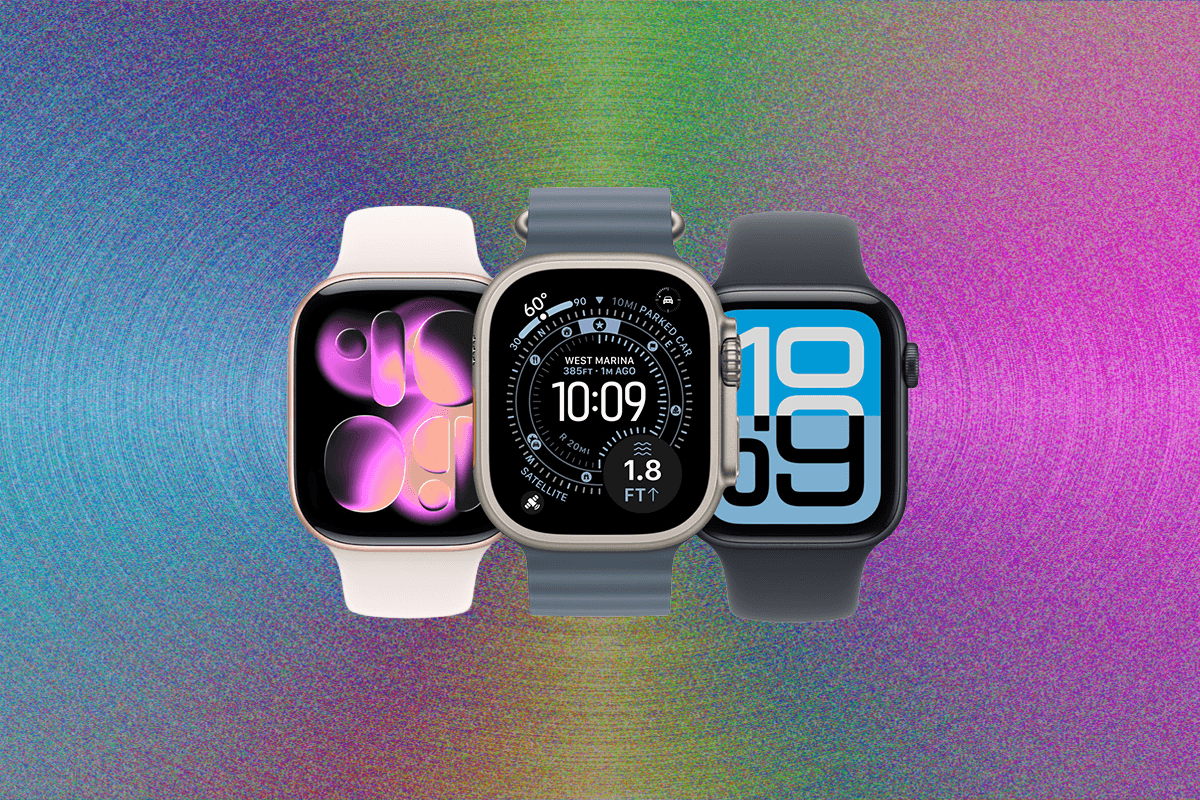
The Apple Watch has steadily evolved beyond a mere wearable accessory, cementing its position as a comprehensive health and fitness tracker that now rivals dedicated sports devices like those from Garmin and Suunto. While its initial appeal encompassed convenience features such as quick access to texts, calendars, and Siri, alongside practical applications like Family Setup for tracking children or fall detection for elderly relatives, Apple’s long-term vision has increasingly centered on personal well-being. Indeed, Apple CEO Tim Cook has famously asserted that the device has the potential to "save your life," a bold claim underpinned by a relentless drive to integrate advanced health monitoring capabilities.
Over the years, the Apple Watch has seen significant advancements in its health features. Early iterations laid the groundwork for continuous heart rate monitoring, which has since expanded to include hypertension notifications, alerting users to potentially elevated blood pressure readings that could indicate underlying health issues. Sleep tracking, another key development, provides insights into sleep patterns, helping users understand and improve their rest. These features represent significant strides in proactive health management, empowering individuals with data about their bodies. The future holds even greater promise, with ongoing, though secretive, testing of a non-invasive continuous glucose monitor. This groundbreaking technology, if successfully implemented, could revolutionize diabetes management by allowing users to track blood sugar levels without traditional finger-prick tests, truly embodying Cook’s life-saving ambition.
Beyond passive health monitoring, Apple has significantly enhanced its active workout programs and services. The proprietary Fitness+ platform, a subscription service offering a wide array of guided workouts led by professional trainers, continues to expand its global footprint, becoming available in more countries and ensuring broader access to high-quality fitness content. Recent additions include the AI-enabled Workout Buddy, designed to provide real-time encouragement and information, aiming to enhance the workout experience through motivational cues. Apple has also introduced new, structured programs like three-week strength training routines, designed to jump-start or refresh user workout routines with expert instruction. A key strength of the Apple Watch ecosystem is its open compatibility with numerous third-party fitness apps, allowing users to integrate their workout data with popular services beyond Fitness+. Furthermore, Fitness+ itself is accessible across the Apple ecosystem, including iPhone, iPad, and Apple TV, providing a seamless and consistent workout experience whether at home or on the go.

For those considering an Apple Watch, understanding the available models and their capabilities is crucial. While Apple frequently updates its lineup, offering various series and SE models, the choice often comes down to balancing features, performance, and budget. Prospective buyers often seek guides comparing the top Apple Watch models to make an informed decision, considering factors such as display type, processor speed, cellular connectivity, advanced health sensors, and water resistance.
Once an Apple Watch has been acquired, optimizing the user experience often involves a selection of essential accessories. Given that the Apple Watch is a device worn daily and frequently used, thoughtful accessory choices can significantly enhance convenience, personalization, and protection.
Essential Apple Watch Accessories:
3-in-1 Charger: Maintaining a consistent charge for the Apple Watch, a device often worn continuously for health tracking, is a common challenge. A 3-in-1 wireless charging stand offers an elegant solution, allowing simultaneous charging of the Apple Watch, iPhone, and AirPods. This not only declutters spaces but ensures all essential devices are ready. The Belkin Qi2 charger ($110) is a top recommendation, leveraging the efficient Qi2 standard for faster, more reliable charging. For on-the-go power, a power bank with a built-in Apple Watch charger ($90) provides crucial backup, ensuring continuous monitoring and connectivity away from outlets. Further options are available in specialized guides for 3-in-1 Apple wireless chargers.

Watch Bands: The watch band serves as both a personal style statement and a functional accessory, adapting the watch for various activities. The right band significantly impacts comfort and aesthetics, whether for workouts, formal events, or daily wear. Beyond Apple’s first-party offerings, a vast ecosystem of third-party options provides extensive variety in materials, colors, and designs. For example, the Konsu NYC supple leather band ($169) offers a premium, sophisticated look, while specialized sport bands are optimized for exercise and durability. Accessory guides can help users find the perfect match for their style and needs.
Case and Screen Protector: Considering the Apple Watch’s investment cost and Apple’s high repair service pricing, protective accessories are highly recommended. A well-fitting case and durable screen protector are invaluable for safeguarding against scratches, bumps, and accidental drops. Cases should fit snugly without adding excessive bulk; a loose case can rattle annoyingly with every notification. The Spigen Thin Fit Case ($15) offers slim, effective protection. A screen protector set ($10), often including multiple units, provides convenience for initial application or future replacements. These accessories offer peace of mind, enabling confident wear in diverse environments without constant worry about damage.
Watches to Avoid:
For consumers, particularly those exploring secondary markets, it is crucial to avoid older Apple Watch models that are no longer adequately supported. The Series 1, Series 2, and Series 3, while potentially found on resale sites, are generally not a worthwhile investment. These generations come with significant limitations: the Series 1 lacks waterproofing, and neither Series 1 nor 2 offers cellular connectivity. Crucially, none of these early series are compatible with current watchOS versions, leading to a lack of new features, performance enhancements, and critical security updates.
.jpg)
Similarly, the Series 4, Series 5, and the first-generation Apple Watch SE are no longer recommended for new purchases. Current and upcoming watchOS versions (such as watchOS 10 or 11) primarily support the second-generation Apple Watch SE and newer models. This limited software compatibility means users of these slightly older watches will soon lose access to the latest features and face potential performance issues as the Apple ecosystem evolves. Choosing newer models ensures better longevity, full access to Apple’s health and fitness innovations, and ongoing software support.
In conclusion, the Apple Watch continues its trajectory as a leading device in the wearable market, driven by its robust health and fitness capabilities, an expanding service ecosystem like Fitness+, and a wide array of complementary accessories. For prospective buyers, understanding the current feature set, future potential, and accessory landscape, alongside knowing which older models to avoid, is key to making a truly informed decision that maximizes the value and utility of this versatile device.