 11
11 1
1 2
2 3
3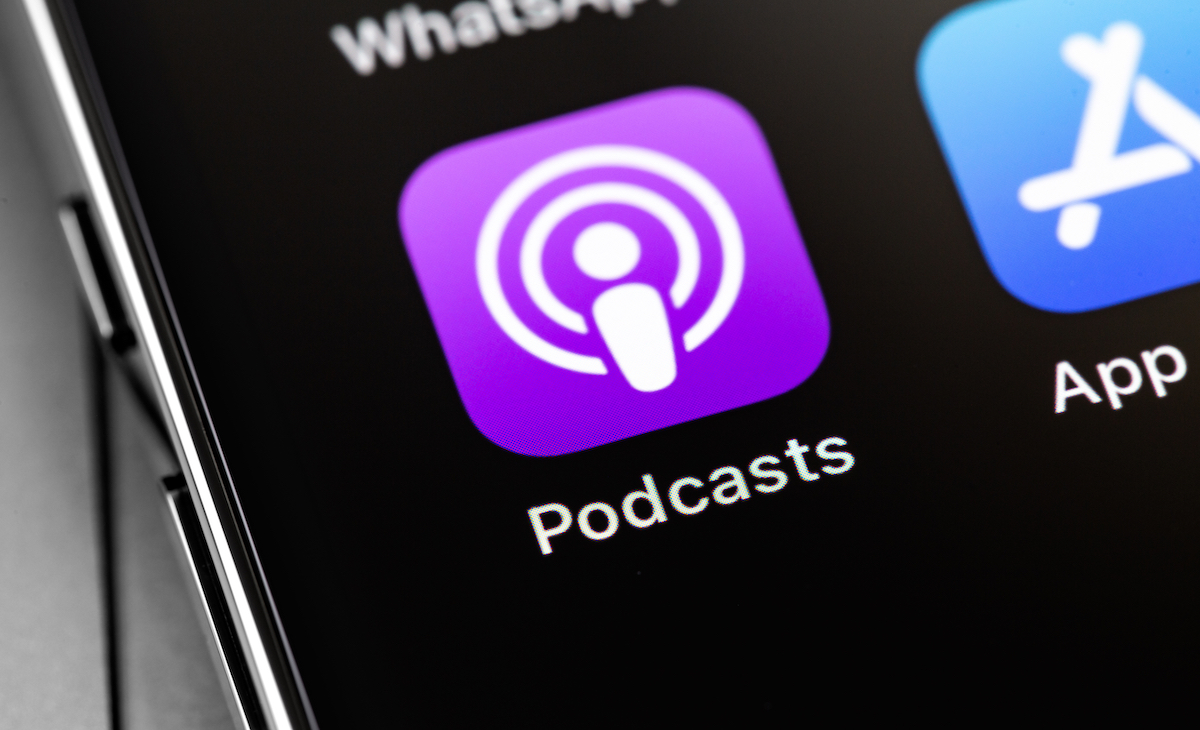
Cupertino, California – Apple is poised to significantly reshape the podcast landscape with the upcoming launch of an advanced video podcast experience within its dedicated Apple Podcasts application. Set to debut in the spring of 2026, this strategic move directly positions Apple to contend with established giants like YouTube and Spotify, who have already cemented their presence in the burgeoning video podcast market. Announced on February 17, 2026, at 7:06 AM PST, the initiative represents a pivotal moment for Apple’s services division and its commitment to offering a comprehensive media consumption platform.
The core of Apple’s new offering is a seamless and integrated video podcast experience designed to provide unparalleled flexibility to users. Listeners will soon have the capability to effortlessly transition between watching and listening to their favorite shows directly within the Apple Podcasts app. This innovative feature caters to a diverse range of user preferences and scenarios, allowing for visual engagement when convenient and auditory consumption when on the go or multitasking. For instance, a user might begin watching a video podcast during their morning routine and seamlessly switch to an audio-only format when commuting, picking up exactly where they left off. This fluidity is expected to enhance the overall user experience significantly, making content more accessible and adaptable.
Underpinning this enhanced experience is Apple’s proprietary HTTP Live Streaming (HLS) video technology. The integration of HLS is crucial, as it is a widely adopted streaming protocol known for its ability to deliver high-quality video content efficiently across various network conditions. HLS dynamically adjusts the video stream’s quality based on the user’s internet connection speed and device capabilities, ensuring a smooth and uninterrupted viewing experience. This technological backbone promises robust performance, minimizing buffering and optimizing visual fidelity for video podcasts. Furthermore, the update will introduce a horizontal viewing option, allowing users to switch their devices to landscape mode for a more immersive, cinematic presentation of video podcasts, akin to watching traditional video content. For added convenience, users will also be able to download video podcasts for offline viewing, providing access to content without an internet connection, a particularly valuable feature for travelers or those with limited data plans.
Apple’s venture into a more robust video podcasting environment is a direct response to the undeniable surge in the format’s popularity. Recent data from Edison Research, published in their 2025 report, underscores this trend, revealing that a substantial 51% of the U.S. population has consumed a video podcast. Even more compelling is the statistic that 37% of the U.S. population engages with video podcasts on a monthly basis. These figures highlight a clear and growing demand for visual content within the podcasting sphere, signaling a fundamental shift in how audiences prefer to consume long-form audio-visual narratives. The visual component adds a new dimension to storytelling, allowing hosts to use body language, visual aids, and dynamic sets to engage viewers more deeply, fostering a stronger connection with their audience.
The competitive landscape for video podcasts is already well-established and fiercely contested, with several major players having made significant inroads. YouTube, the undisputed titan of online video, announced last year that it boasts over 1 billion monthly active viewers consuming podcast content on its platform. Its inherent video-first nature and massive user base have made it a natural home for many video podcasters, offering unparalleled reach and discovery. Spotify, initially known for its audio streaming, has aggressively expanded into video podcasting, reporting last November that it hosts half a million video podcasts, which have collectively been watched by nearly 400 million users. This rapid expansion demonstrates Spotify’s successful pivot to a multi-format content strategy, leveraging its existing massive subscriber base. Even streaming giant Netflix has recognized the power of video podcasts, forging partnerships with prominent audio content providers like iHeartMedia and Spotify to integrate video podcast content onto its platform, further blurring the lines between traditional streaming and podcasting.
By introducing an enhanced video podcast viewing experience to its proprietary app, Apple’s primary objective is to solidify its position in the rapidly evolving digital content ecosystem and, crucially, to prevent its users from migrating to rival platforms for their video podcast consumption. Apple has historically been a gatekeeper for its ecosystem, and this move reinforces its strategy to provide a comprehensive, integrated experience that minimizes the need for users to seek content elsewhere. This initiative is not merely about adding a feature; it is about retaining user loyalty and capturing a larger share of the expanding digital media market.
Eddy Cue, Apple’s senior vice president of Services, articulated the significance of this development in a recent press release, emphasizing Apple’s long-standing commitment to the podcasting medium. "Twenty years ago, Apple helped take podcasting mainstream by adding podcasts to iTunes, and more than a decade ago, we introduced the dedicated Apple Podcasts app," Cue stated, referencing the company’s pioneering role in popularizing podcasts. He continued, "Today marks a defining milestone in that journey. By bringing a category-leading video experience to Apple Podcasts, we’re putting creators in full control of their content and how they build their businesses, while making it easier than ever for audiences to listen to or watch podcasts."
Cue’s remarks highlight Apple’s historical impact, tracing back to the early 2000s when iTunes began incorporating podcasts, effectively democratizing access to audio content and making it easily discoverable for a global audience. The subsequent launch of the dedicated Apple Podcasts app further streamlined the experience, solidifying Apple’s role as a central hub for podcast consumption. The current "defining milestone" is positioned as a natural evolution, reflecting Apple’s continued innovation in the space. The emphasis on "putting creators in full control of their content and how they build their businesses" suggests that Apple aims to empower podcasters with the tools and platform necessary for creative expression and potential monetization, although specific new monetization features were not detailed in the announcement. Simultaneously, the focus on making it "easier than ever for audiences to listen to or watch podcasts" underscores Apple’s unwavering commitment to user-centric design and accessibility.
While the official public launch of the new video experience is slated for the spring, early access is already available. The update is currently being rolled out for testing this week as part of the beta programs for iOS 26.4, iPadOS 26.4, and visionOS 26.4. This beta period allows developers and enthusiastic users to provide feedback, enabling Apple to refine the features and address any potential issues before the widespread release. The inclusion of visionOS 26.4 in the beta lineup also hints at Apple’s future vision for spatial computing and how video podcasts might integrate into immersive mixed-reality environments, showcasing the company’s forward-thinking approach to content delivery across its entire ecosystem of devices.
This strategic enhancement to Apple Podcasts is expected to have far-reaching implications across the digital content industry. It will likely intensify the competition among platforms vying for creators and audiences, potentially driving further innovation in video podcast production and distribution. For podcasters, the official and robust support for video within Apple’s ecosystem could open new avenues for audience engagement and content creation, encouraging more visual storytelling and higher production values. For consumers, it promises a more integrated, flexible, and high-quality experience for enjoying their favorite shows, whether they prefer to listen, watch, or seamlessly switch between the two. Apple’s move is a clear declaration that video is not just an add-on but an integral component of the modern podcasting experience, and the company intends to lead that evolution.
Aisha is a consumer news reporter at TechCrunch. Prior to joining the publication in 2021, she was a telecom reporter at MobileSyrup. Aisha holds an honours bachelor’s degree from University of Toronto and a master’s degree in journalism from Western University.
You can contact or verify outreach from Aisha by emailing [email protected] or via encrypted message at aisha_malik.01 on Signal.