 11
11
In April 2025, anonymized queries constituted a significant 46.77% of website traffic, according to data analyzed by Ahrefs. This figure, gathered before the widespread rollout of AI Overviews and AI Mode, suggests a concerning trend of increasing data obscurity within Google Search Console (GSC). The analysis, which examined 22 billion clicks across 887,534 GSC properties, builds upon a 2022 study that found 46.08% of queries to be anonymized. This slight increase, however, masks a more substantial issue: the methodology Google employs for classifying anonymized queries is potentially overly broad, leading to a significant loss of insight for website owners.
Google defines anonymized queries as those not issued by more than a few dozen users over a two-to-three-month period. This privacy measure, while intended to protect user data, inadvertently obscures a vast number of long-tail queries – those less frequently searched terms. A comparison with definitions used in the context of the EU’s Digital Markets Act (DMA) further highlights this issue. For DMA purposes, anonymized queries are those searched by fewer than 30 separate signed-in users in the last 13 months. DuckDuckGo’s CEO noted that this definition omitted approximately 99% of long-tail queries. The GSC definition, therefore, likely omits an even greater proportion of these niche searches, leaving website owners with less information about the terms that drive traffic to their sites.
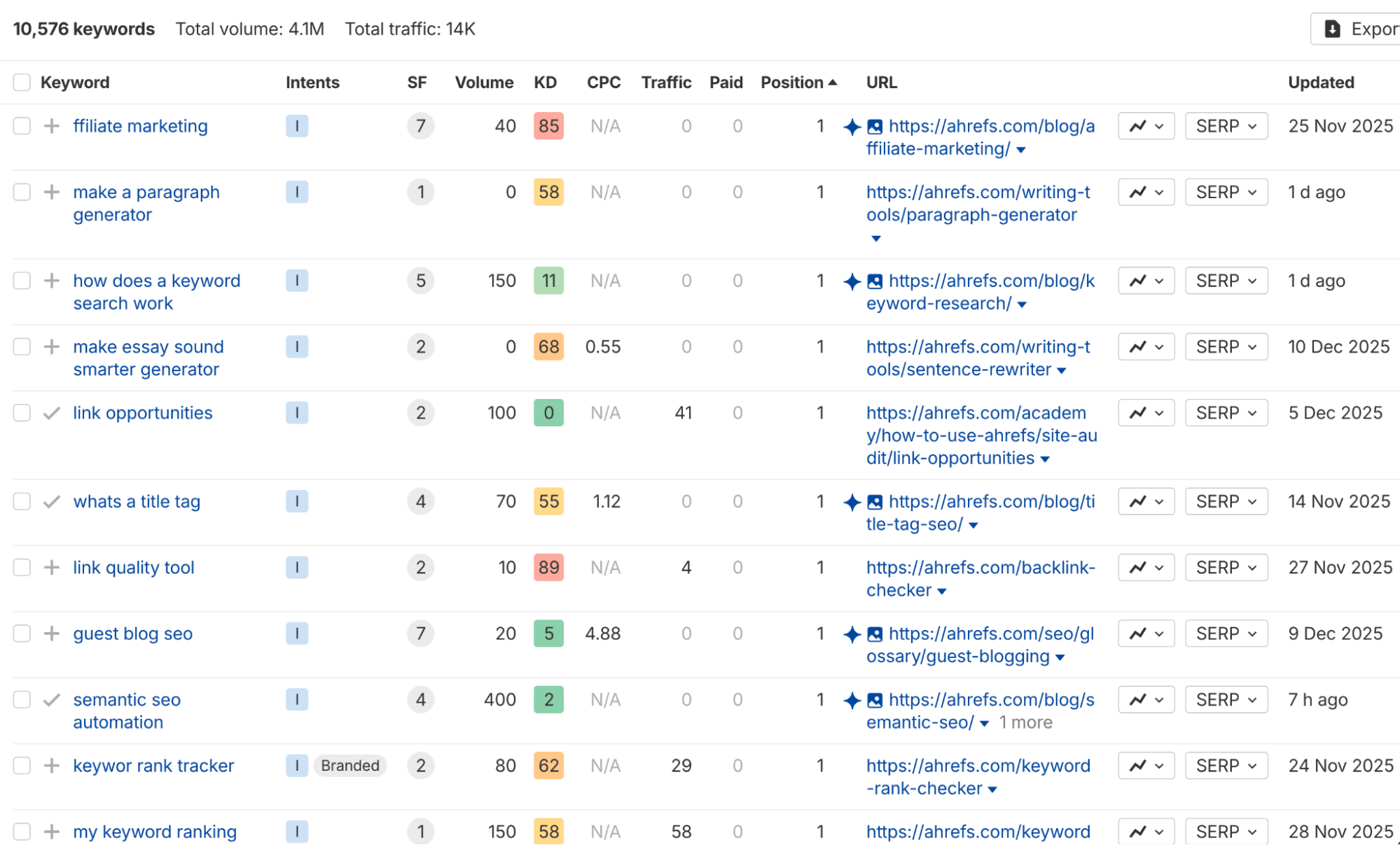
To address this data gap, Ahrefs has developed an "Anonymous Queries report." This tool integrates GSC data with Ahrefs’ own data, identifying terms for which a website ranks but which are not reported in GSC. This offers a partial solution for understanding the previously hidden search landscape.
The increasing trend of anonymized queries is exacerbated by evolving search behavior. Users are now employing longer search queries, a trend fueled by Google’s removal of its previous 32-word limit on search queries. Current search lengths are now constrained only by URL character limits, allowing for significantly more complex and potentially niche search phrases. As these queries become longer and more specific, they are more likely to fall below the "few dozen users" threshold for anonymization, leading to an anticipated surge in the percentage of anonymized data. This projected increase will further diminish the actionable insights available to website owners through standard GSC reporting.
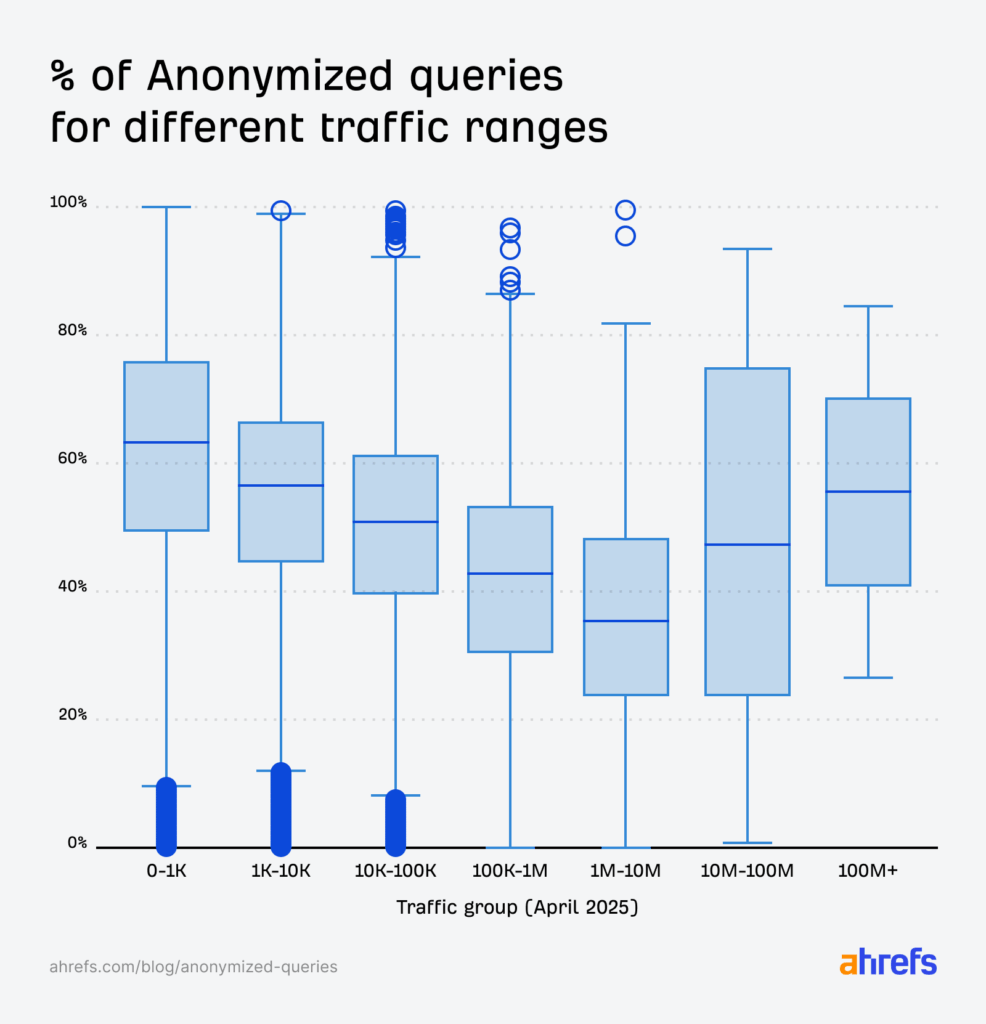
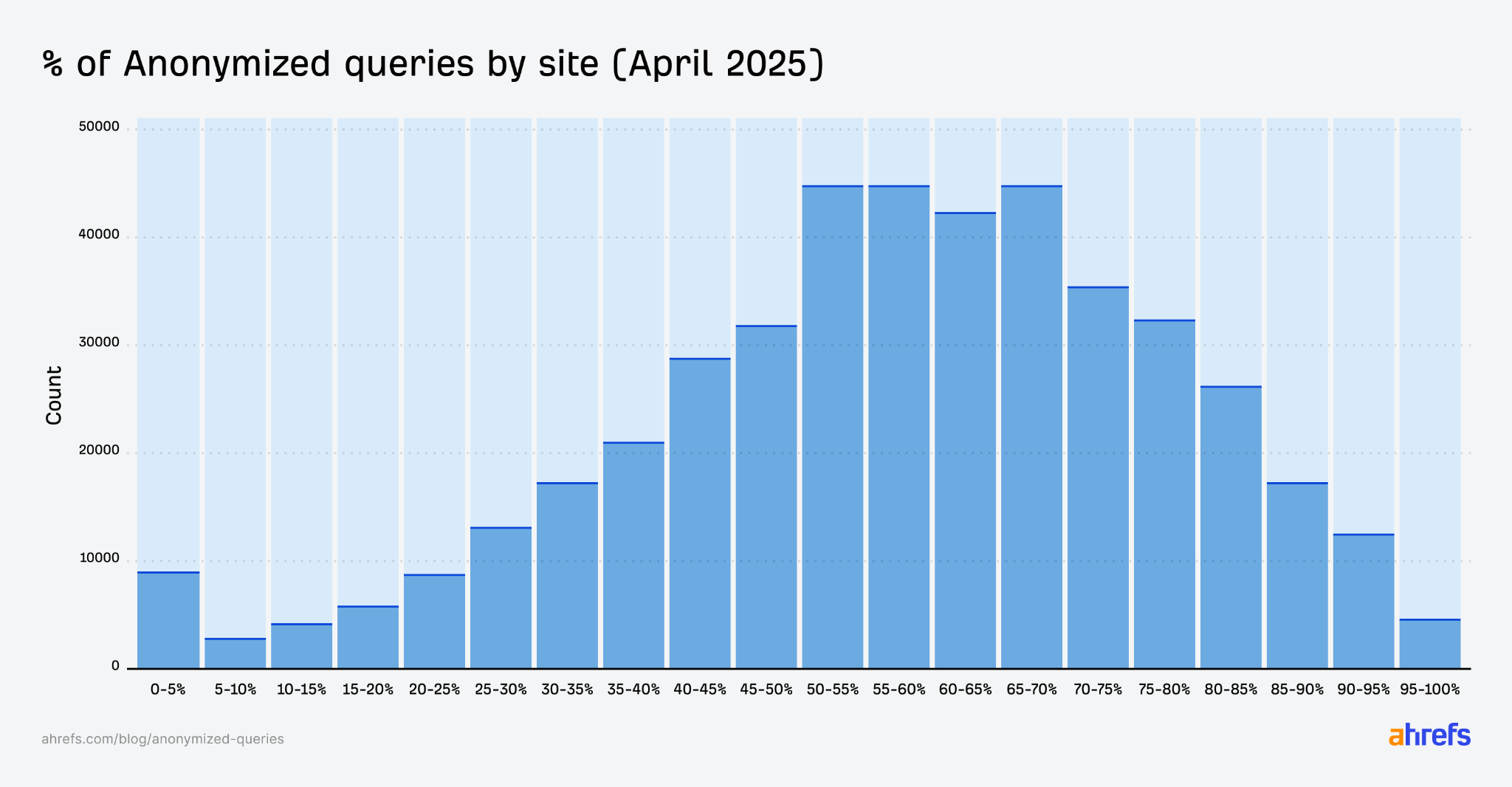
The Ahrefs study’s breakdown of anonymized queries by website traffic reveals interesting patterns. While the overall average stands at 46.77%, the distribution is not uniform. The most frequent percentage of anonymized queries for individual sites falls between 45% and 80%, indicating that many websites are experiencing a data loss significantly higher than the average suggests.
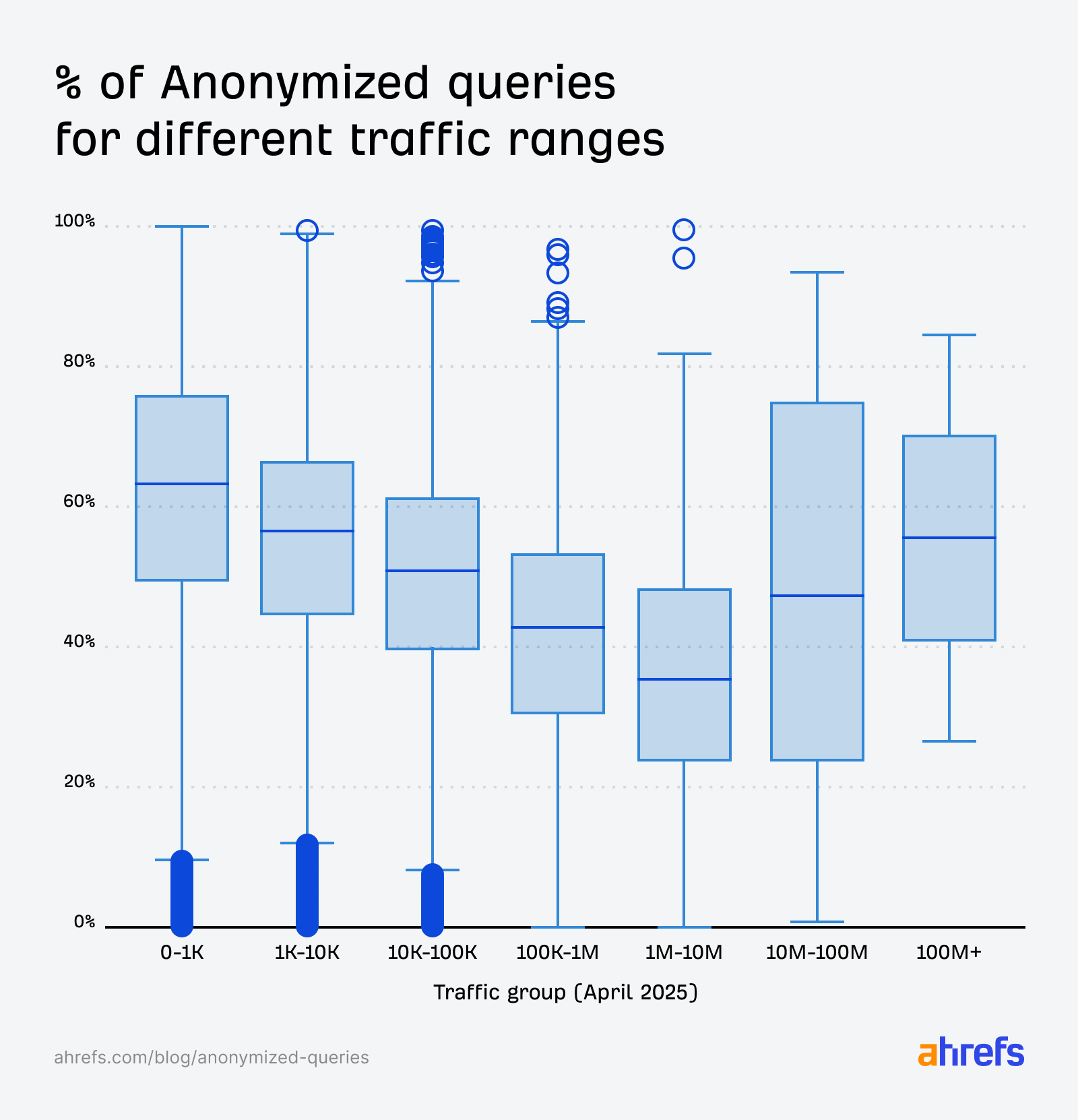
Further analysis of sites based on their traffic volume shows a notable phenomenon: sites with average traffic appear to retain more query data. Conversely, websites with lower or higher traffic volumes tend to have a greater percentage of anonymized queries. This suggests that these sites are more likely to rely on or attract long-tail, niche, or proprietary search terms that are more susceptible to being classified as anonymized by Google’s algorithms.
Understanding how to interpret this data is crucial. Box plots, used in the study’s visualizations, illustrate data distribution. The box itself represents the interquartile range (IQR), containing the middle 50% of the data. The line within the box indicates the median. Whiskers extend from the box to show the range of the data, excluding outliers, which are plotted as individual points.
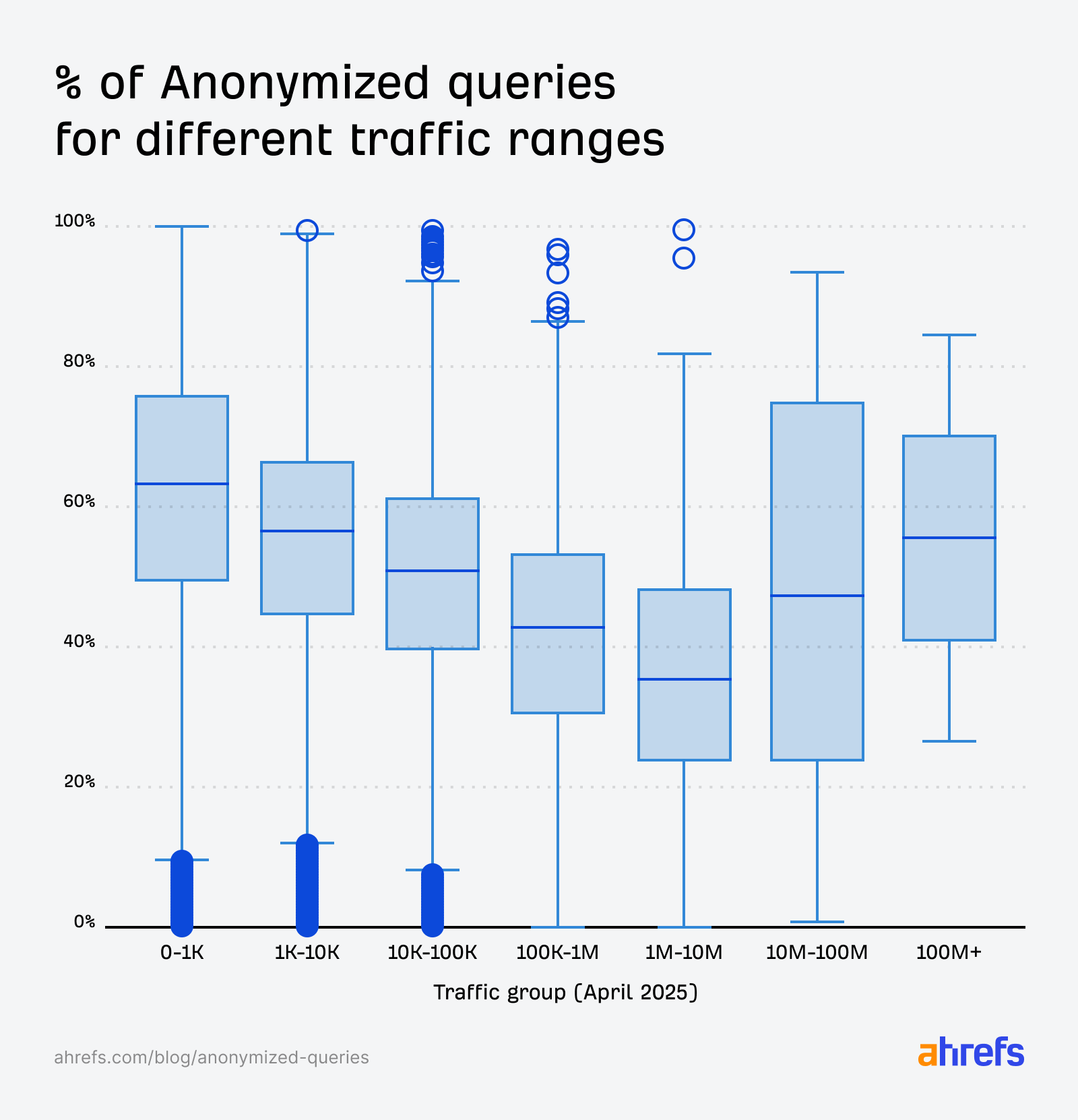
The implications of this growing anonymization are significant for SEO professionals and website owners. The diminishing visibility of specific search queries makes it increasingly challenging to understand user intent, optimize content effectively, and track performance accurately. As Google continues to evolve its search algorithms and user interfaces, particularly with the integration of AI-powered features, the trend towards anonymized data is expected to accelerate. Ahrefs plans to release further data analysis on this trend as it unfolds, providing ongoing insights into this critical aspect of search engine optimization.