 11
11 1
1 2
2 3
3
Ahrefs is empowering its users to meticulously track AI visibility for crucial queries, addressing a growing need as AI conversations diverge from traditional search patterns. The company has introduced a comprehensive framework and identified key data sources to guide users in monitoring AI responses effectively. This approach acknowledges the inherent volatility and personalization of AI outputs, emphasizing a strategic rather than a reactive stance.
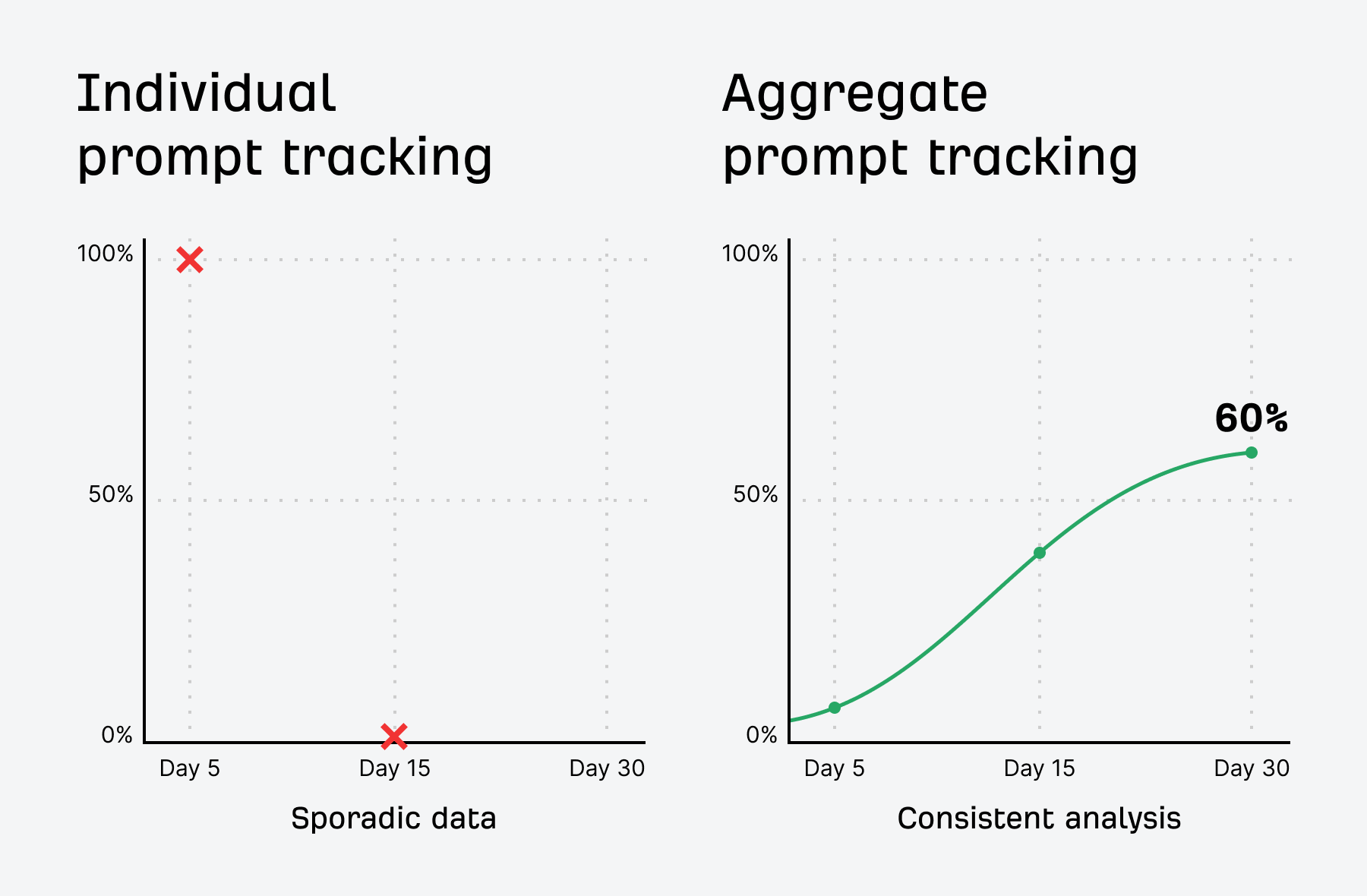
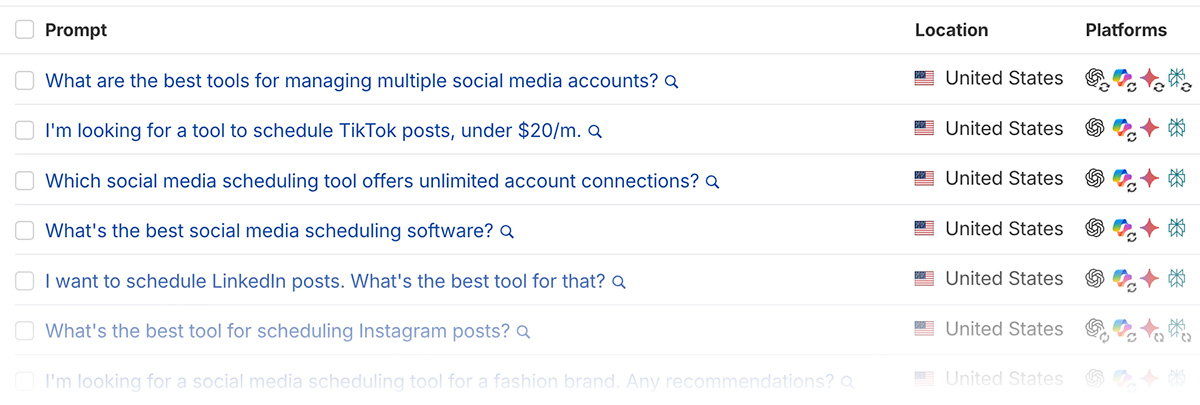
Ahrefs’ Brand Radar tool, which allows for custom prompt monitoring across various platforms and locations on a scheduled basis, is central to this strategy. The company advocates for grouping similar prompts to analyze aggregated responses, offering a more stable and insightful view than focusing on individual results. This aggregated approach helps identify trends and commonalities in how brands are represented by AI.
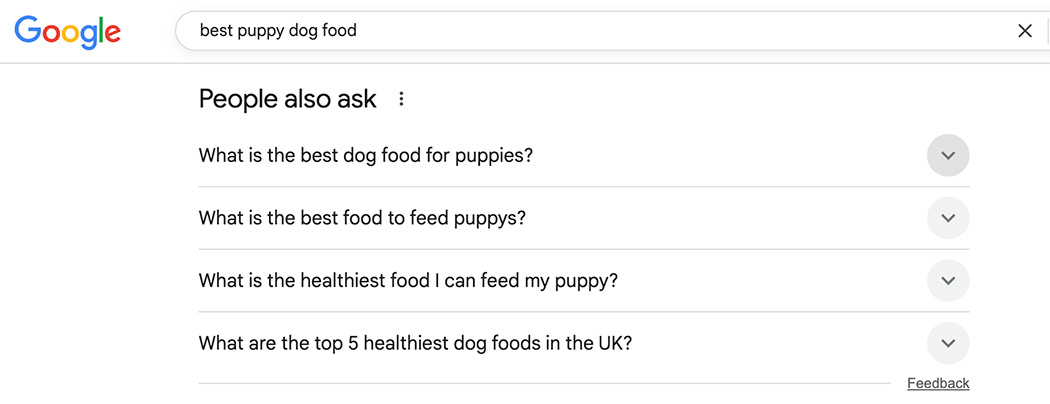
The challenge of tracking AI visibility stems from the dynamic nature of AI responses. Unlike consistent organic search results, AI recommendations and cited URLs can change rapidly. Furthermore, platforms do not publicly share user query data, raising concerns about tracking phrases that may not be widely searched. Ahrefs acknowledges these limitations but stresses that valuable, actionable insights can still be derived from AI responses.
Strategic Approach to AI Visibility Monitoring:
Ahrefs recommends a shift in perspective from traditional rank tracking:
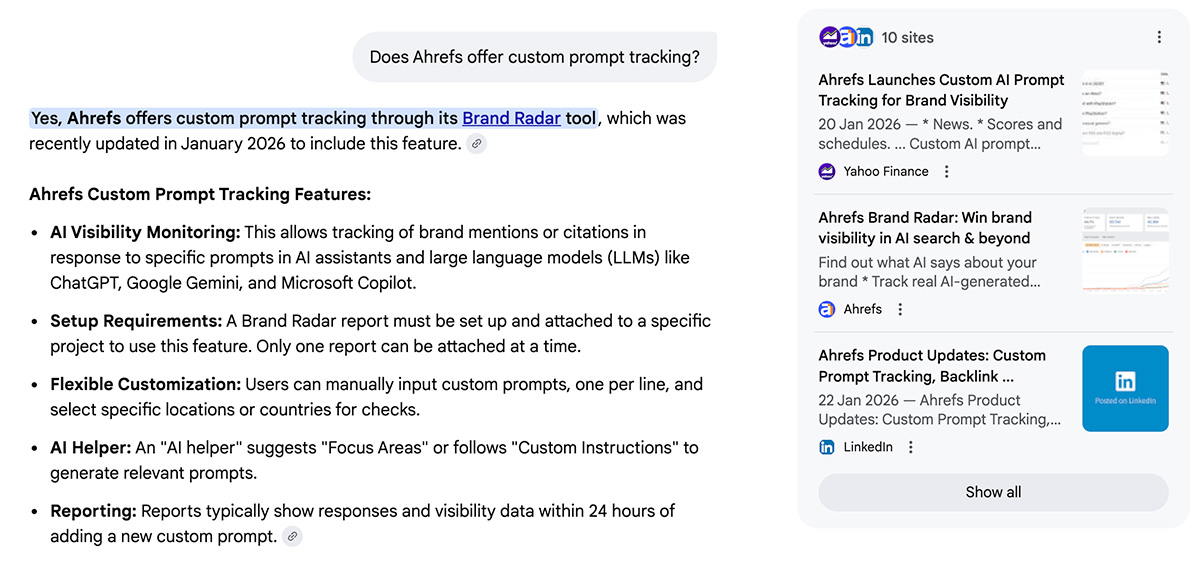
This approach allows businesses to identify opportunities, such as understanding how new features are reflected in AI responses or discovering commonly mentioned competitors. By monitoring multiple AI platforms, including Bing and Brave Search, brands can gain a broader understanding of their visibility beyond traditional search engines.
Data Sources for Identifying Key Queries:
Ahrefs outlines several key sources for identifying relevant queries to track:
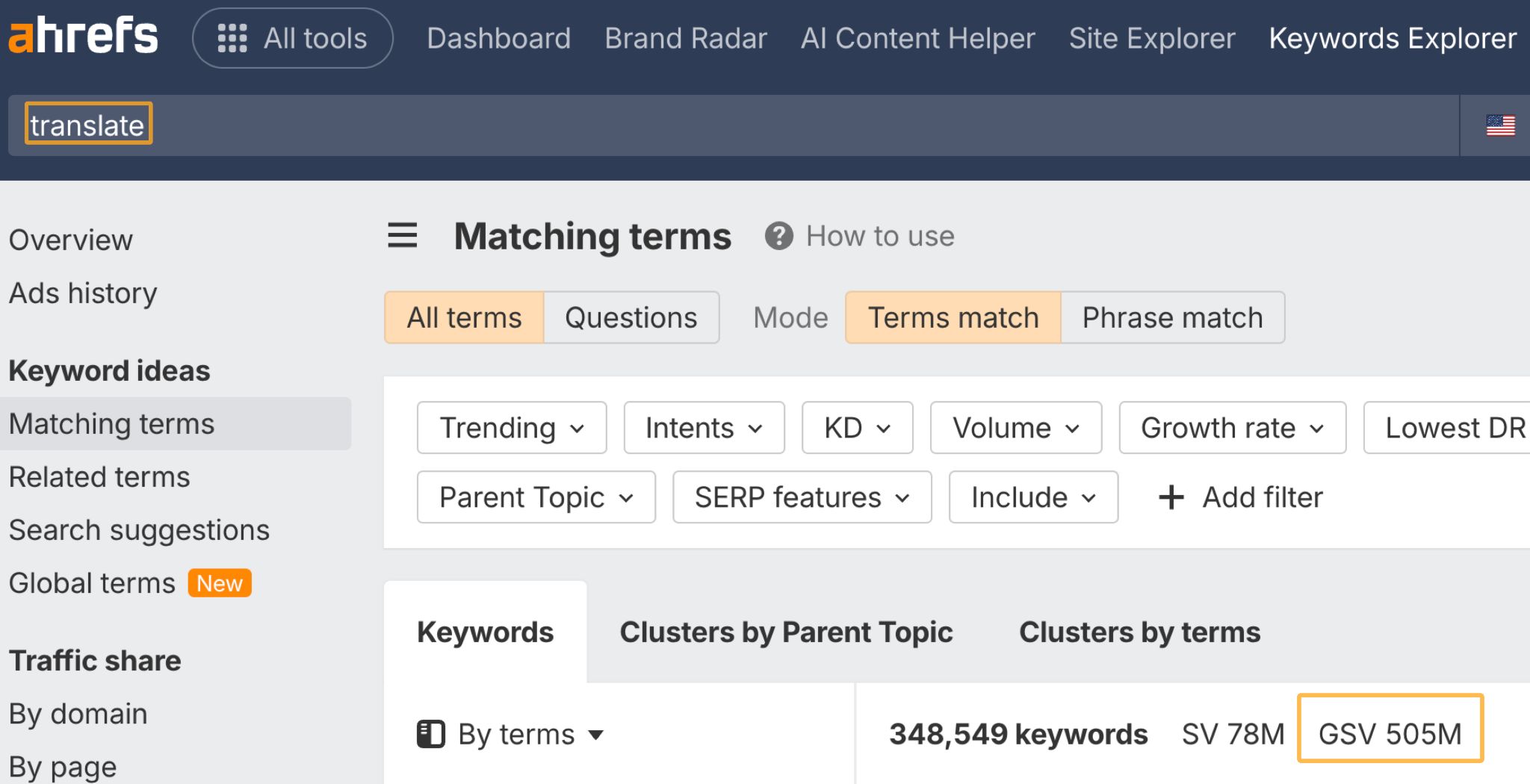
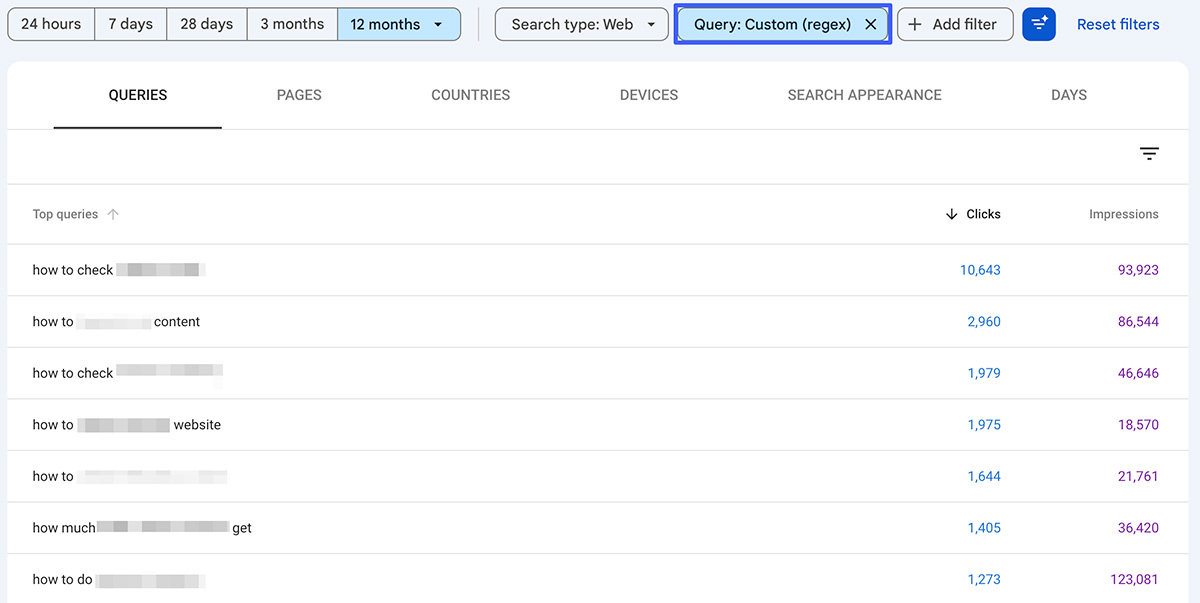
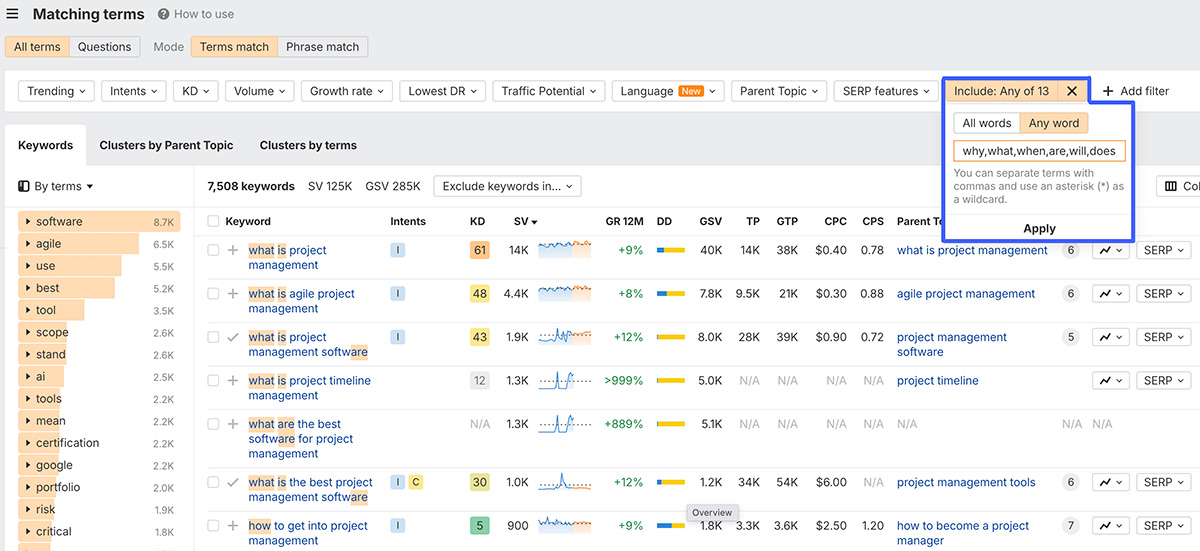
Google Search Console (GSC) Data: Analyze questions your website already ranks for in GSC or Ahrefs Webmaster Tools. Regular expressions can help filter for question-based queries (e.g., b(why|what|when|are|will|does|should|where|who|how|can|do|is)b). For sites without much traffic or for broader research, Ahrefs Keywords Explorer can be used with similar filters.
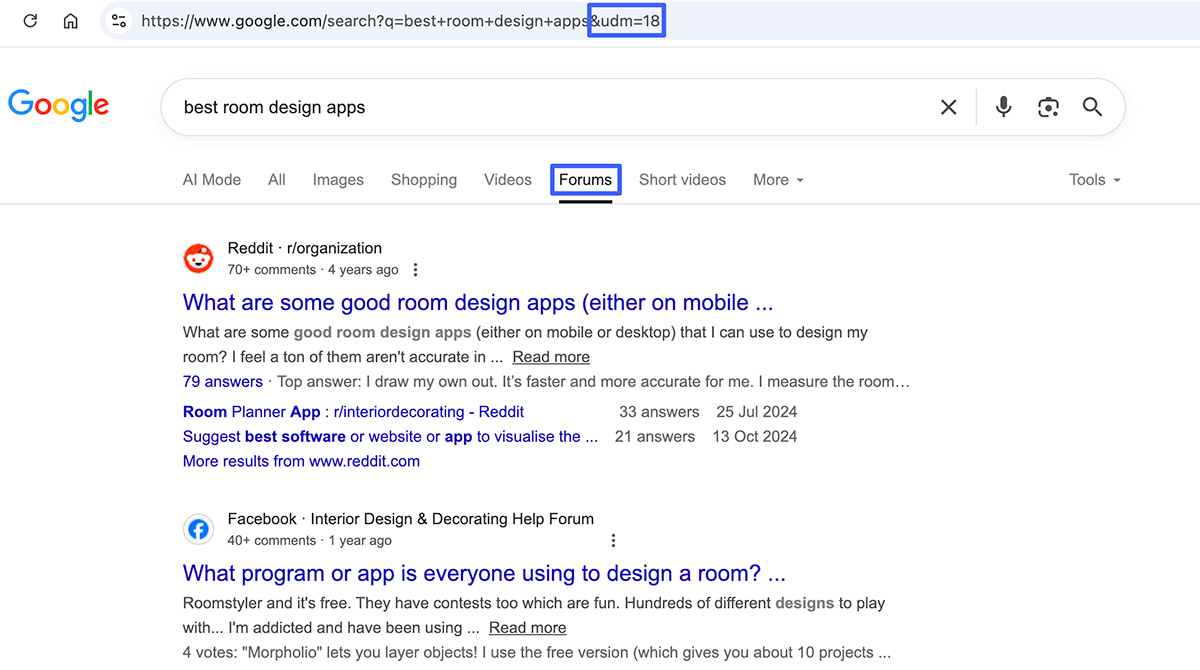
Discussions and Forums (Google’s &udm=18): Leverage Google’s "Discussions and forums" feature (or use the &udm=18 parameter for direct forum searches) to find naturally phrased questions. This is particularly useful as forum posts reflect user language rather than SEO-optimized titles. Reddit and other community platforms are rich sources.
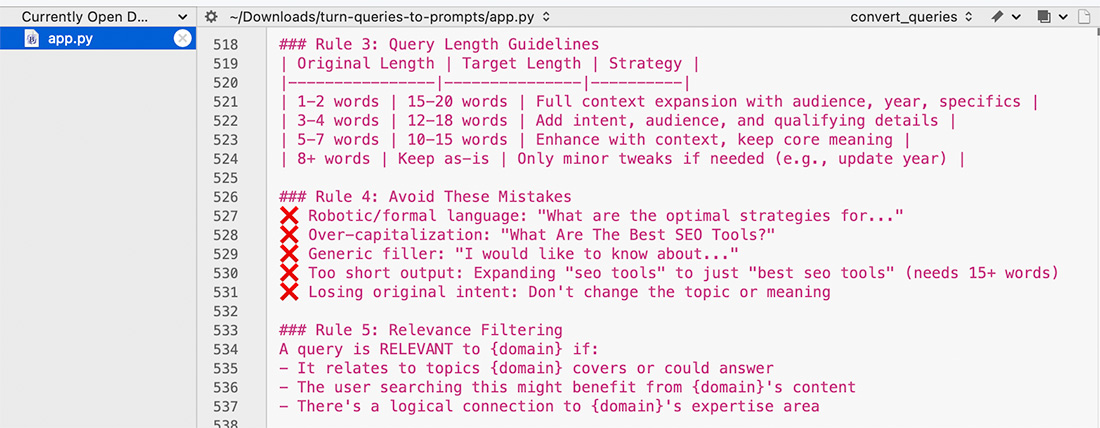
Top-Performing Pages and Search Terms: Convert traditional search queries driving traffic to your best-performing pages into conversational AI prompts. This can be done manually or with AI assistance, ensuring the intent and current year (e.g., 2026) are maintained. Tools like Metehan Yesilyurt’s prompt conversion tool can automate this process.
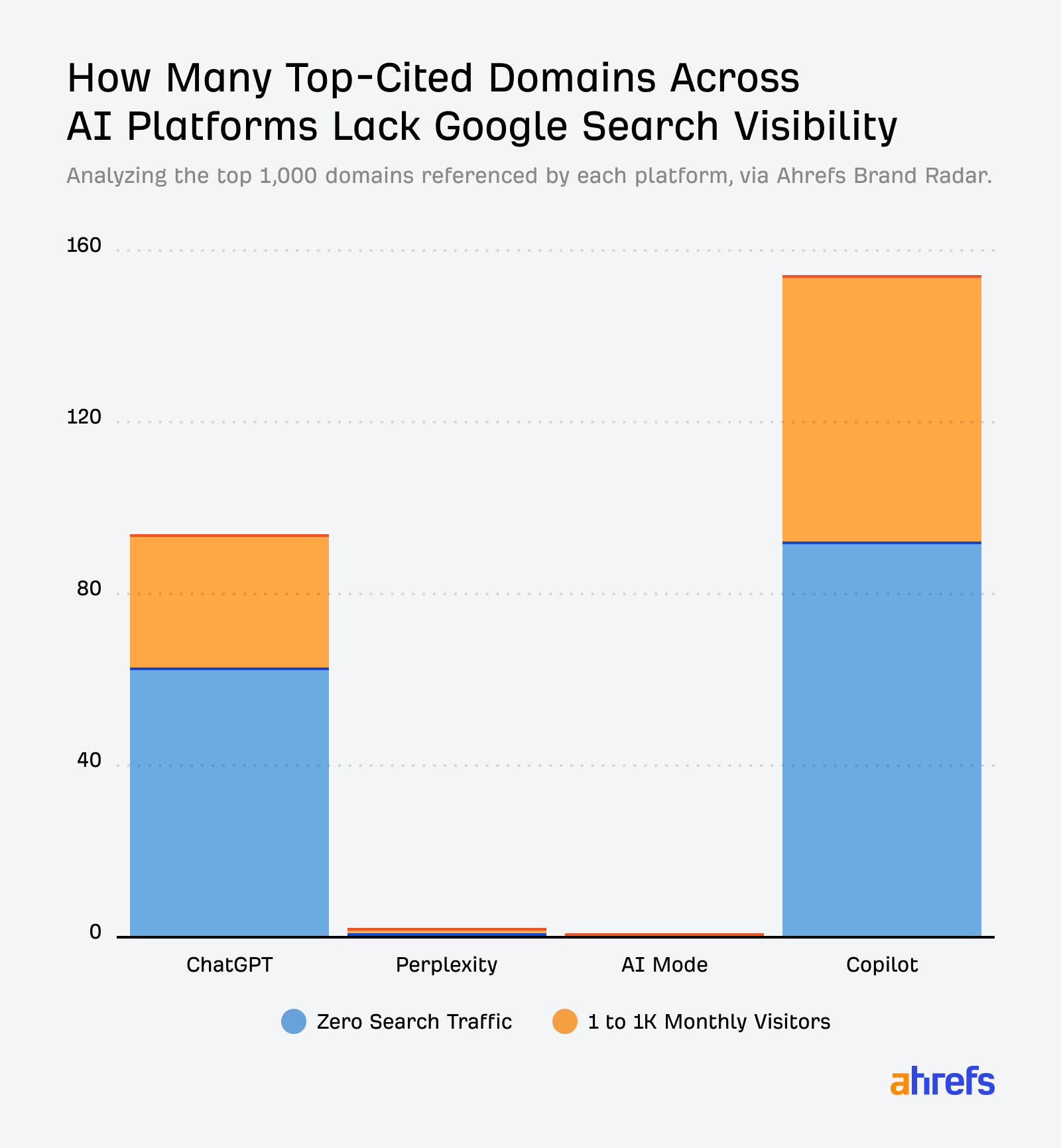
Perplexity’s Related Questions: Perplexity’s AI model generates related follow-up queries based on the original prompt and its results. While not based on historical user queries, these offer insights into logical conversational progressions.
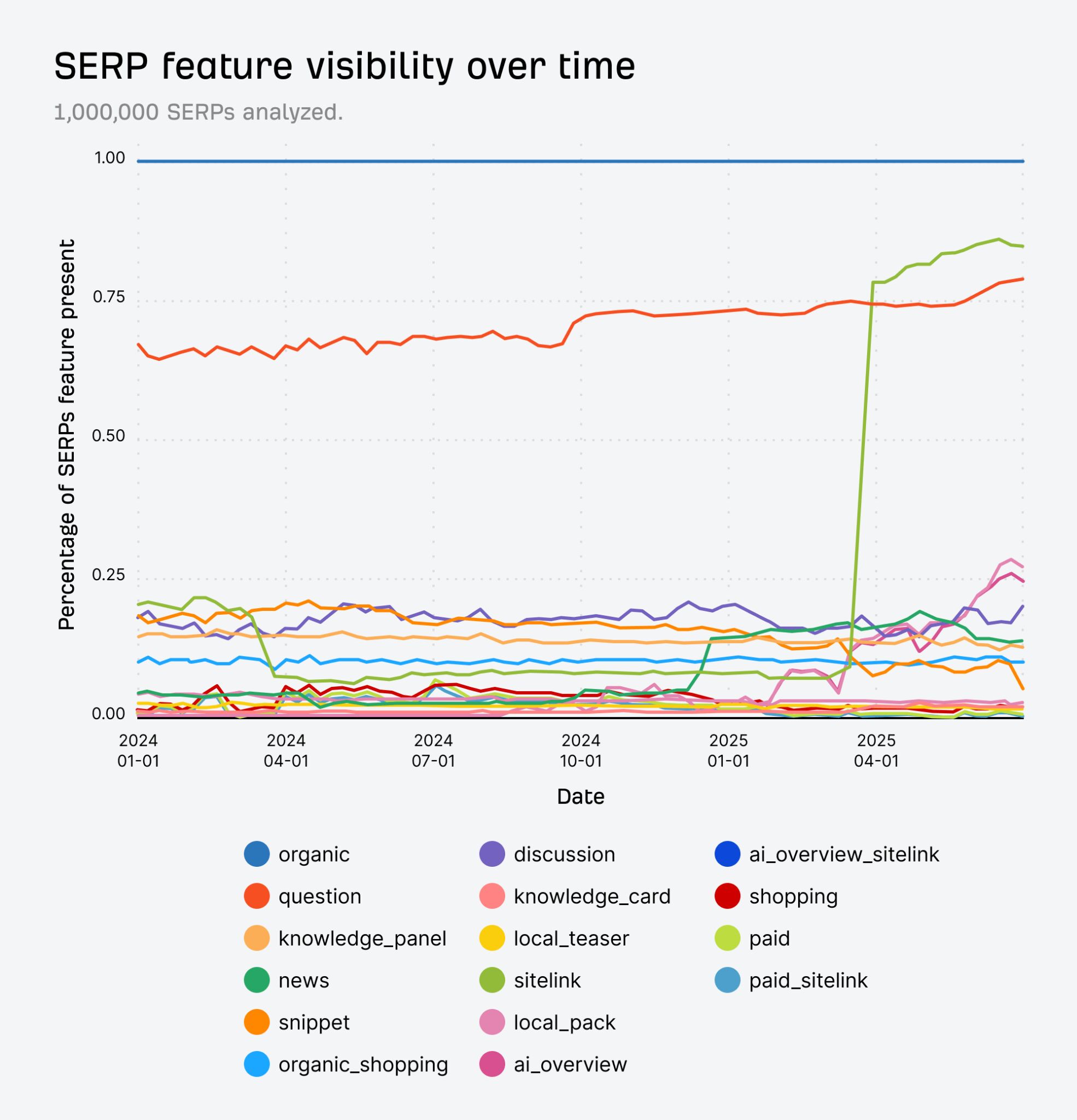
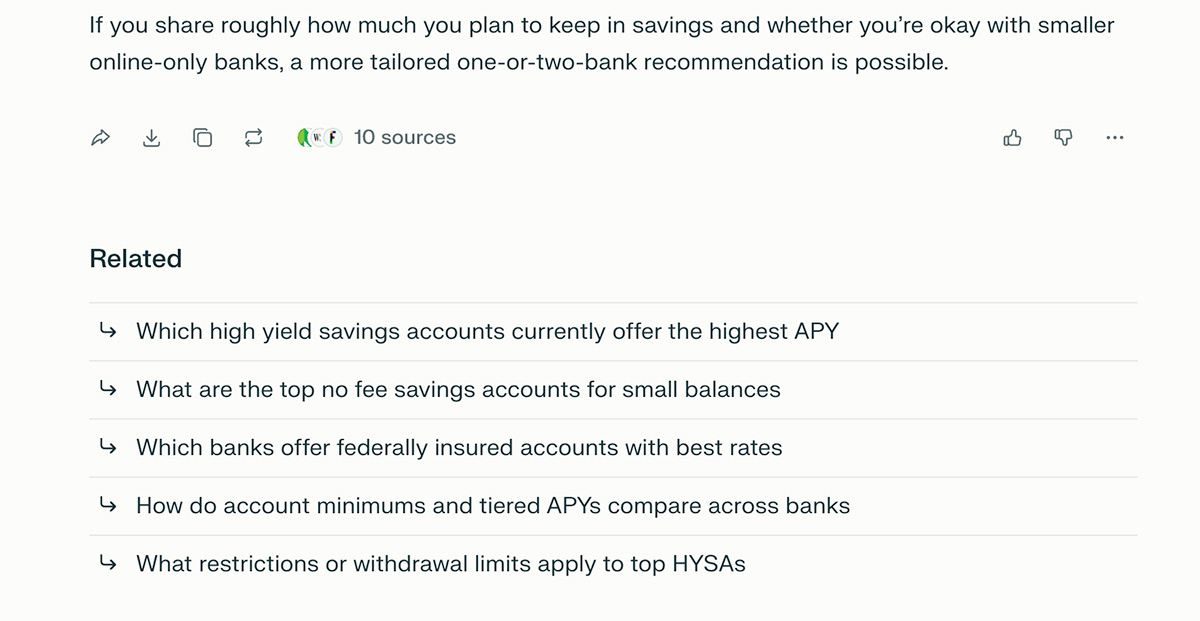
"People Also Ask" (PAA) in SERPs: Google’s PAA feature provides a wealth of related questions. Expanding these can reveal further query variations. Tools like the Ahrefs Toolbar and Detailed SEO Extension can help extract PAA data at scale.
Existing AI Search Visibility: Ahrefs Brand Radar can reveal topics and queries where a brand is already appearing in AI search results. This allows for refinement of existing prompts or identification of new ones within established visibility areas.
AI Traffic in Analytics and Server Logs: Analyze website analytics to identify pages receiving traffic from AI platforms (e.g., ChatGPT, Perplexity, MistralAI). Server logs can also reveal requests from AI bots like ChatGPT-User, providing insights into pages being referenced for AI responses.
Competitor Visibility: Use tools like Ahrefs Brand Radar to identify queries where competitors are visible in AI search results, but your brand is not. This highlights content gaps and opportunities.
Keywords Explorer "Questions" Tab: Ahrefs Keywords Explorer’s "Questions" tab allows users to find question-based keywords relevant to their industry, complete with search volume data. These can serve as a basis for AI prompt clusters.
LLM Response Accuracy: Monitor AI responses about your business across various platforms to ensure they align with reality. Inaccurate information can indicate a need for updated content or outreach. This is crucial for managing brand reputation and ensuring factual representation.
Internal Data for Persona Creation: Utilize internal data sources (customer support chats, ad data, site searches) to build realistic personas. While AI personalization is complex, creating prompts that mimic user situations, constraints, priorities, and pain points can provide valuable directional insights.
Actionable Strategy:
The core recommendation from Ahrefs is to move beyond simply tracking prompts and to develop a proactive strategy. This includes rectifying inaccurate AI statements, updating content, and creating dedicated pages for specific use cases. Starting with a focused set of prompts on key topics and gradually expanding is advised. Ahrefs emphasizes that this framework will evolve with the rapidly changing AI landscape, and their Brand Radar tool offers numerous use cases for further exploration.