 11
11 1
1 2
2 3
3
Ahrefs is empowering its users with the ability to track AI visibility for their most critical queries, addressing a growing need as AI interactions diverge from traditional search. The company has outlined a strategic framework and identified key data sources for monitoring brand performance in AI-generated responses, acknowledging the inherent volatility and personalization of AI outputs.
"Now that Ahrefs users can track AI visibility for the exact queries they care about, many people are wondering which terms they should monitor," the company stated. "After all, conversing with AI is unlike how we would traditionally search, since requests can be far more detailed, or occur in the middle of longer conversations. AI responses are also less consistent than organic search results, with both brand recommendations and cited URLs changing from one minute to the next."
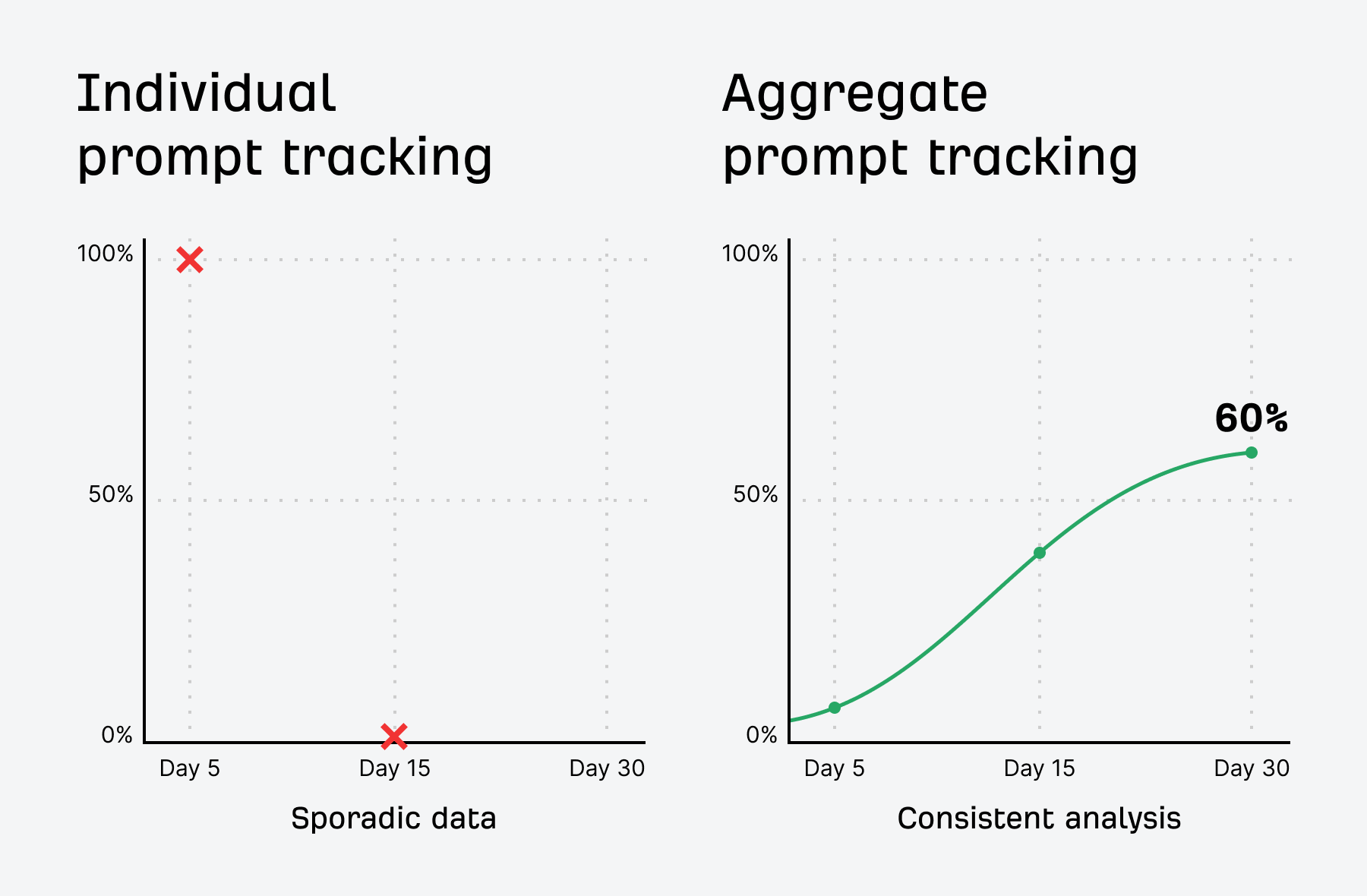
Ahrefs emphasizes that while AI data isn’t perfect, valuable insights can be gleaned. Their recommended approach involves grouping similar prompts to analyze aggregate results, rather than focusing on individual prompt outcomes. This contrasts with traditional rank tracking, acknowledging that AI "positioning" is highly fluid. The company advocates for a multi-faceted monitoring strategy that includes AI bot activity in server logs, traffic from AI platforms, traditional search performance, and broader prompt datasets.
A key tenet of Ahrefs’ strategy is to avoid treating prompt tracking as a "set and forget" task. Instead, it should be integrated into a plan of action, such as building relationships with commonly cited sources. They also caution against assuming prompt tracking is the sole source of AI visibility data, stressing the importance of combining it with other data points. While URLs being cited is a positive indicator, Ahrefs notes that businesses can be recommended without direct citation. The company advises prioritizing queries around high-value topics rather than attempting to track every possible persona and keyword angle initially.
The Framework: Grouping Prompts for Aggregate Insights
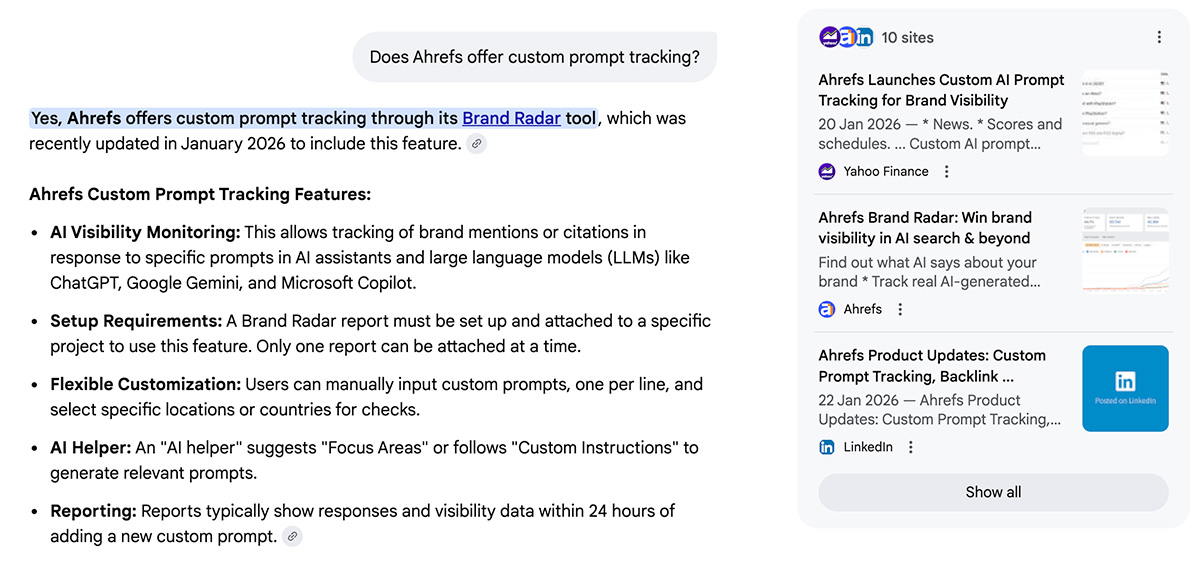
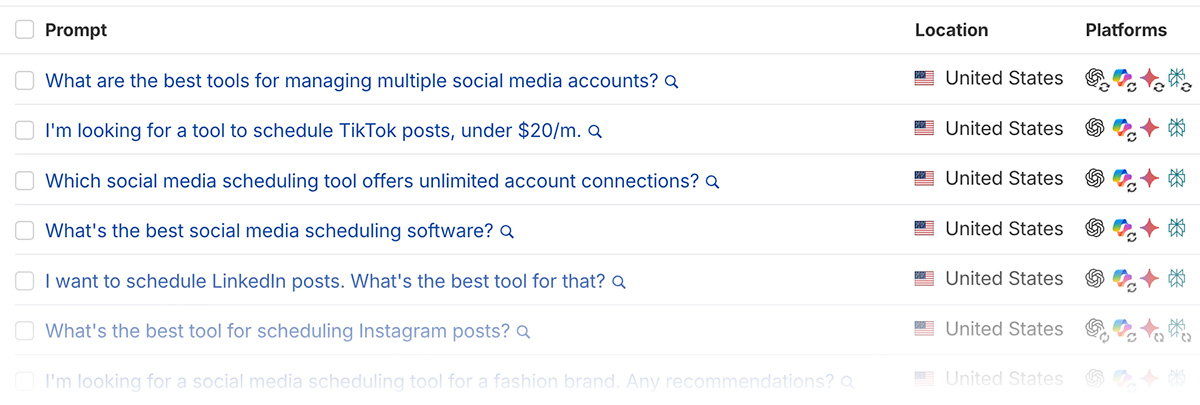
A significant challenge in AI visibility tracking is the inconsistency of responses. For instance, asking for the "best gym management software" might yield different top recommendations within seconds. To address this, Ahrefs proposes a framework focused on tracking relevant groups of prompts rather than individual responses. These "prompt clusters" can be defined by intent, funnel stage, products offered, or other business-specific criteria.
Ahrefs suggests drawing inspiration for these clusters from Google’s "People Also Ask" (PAA) feature, supplemented by other data sources. Examples of cluster angles include:
A side note emphasizes that some prompts, particularly in conversational AI, might rely on training data rather than live web searches. Tweaking queries, such as adding the current year, can help in scenarios where cited URLs are a primary goal. Branded and non-branded queries should also be separated into distinct clusters for clarity.
Data Sources for Prompt Inspiration
Ahrefs outlines several key data sources to inform prompt tracking:
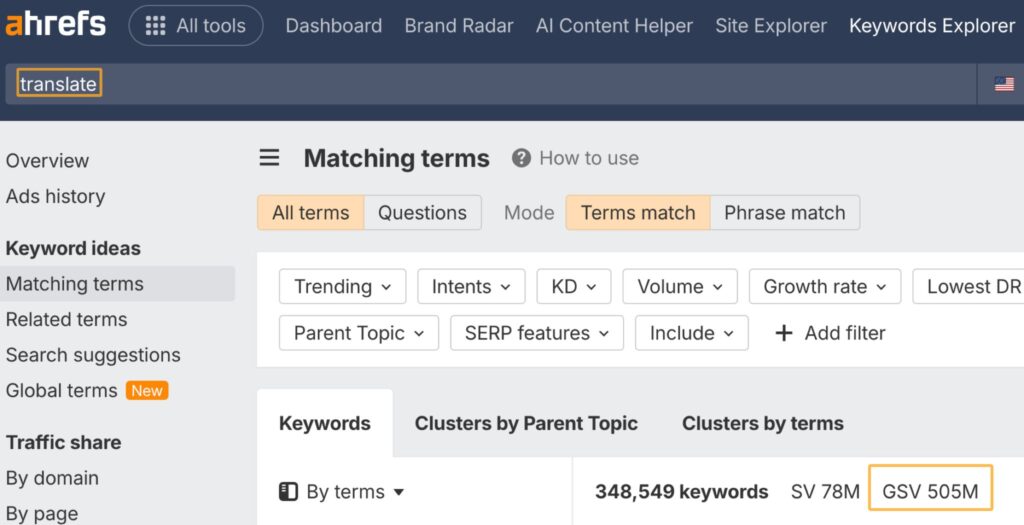
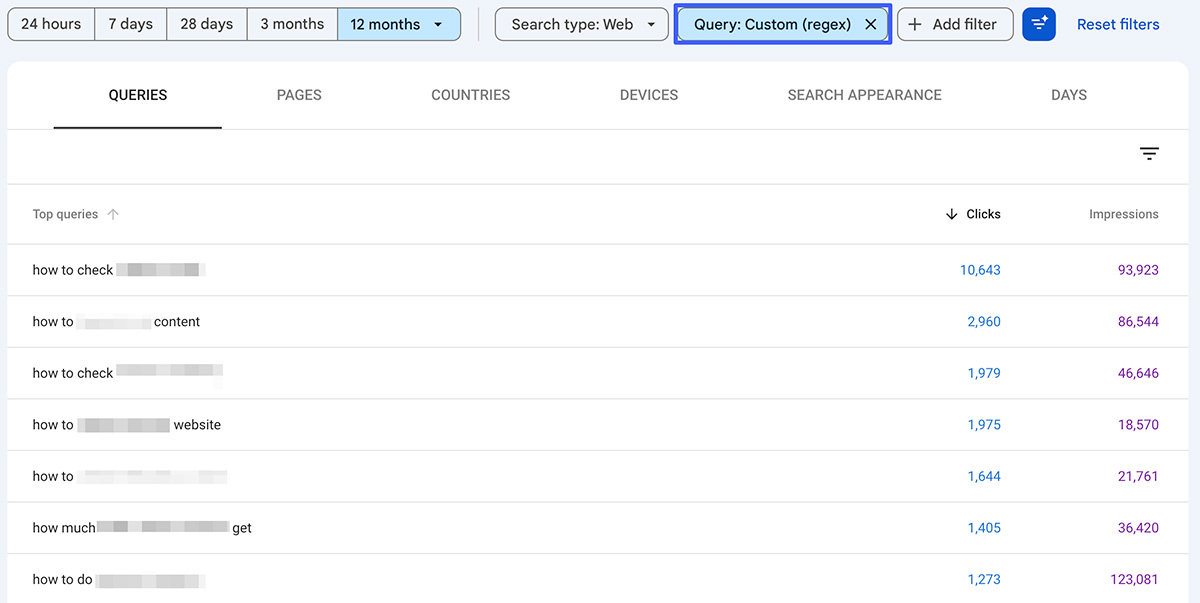
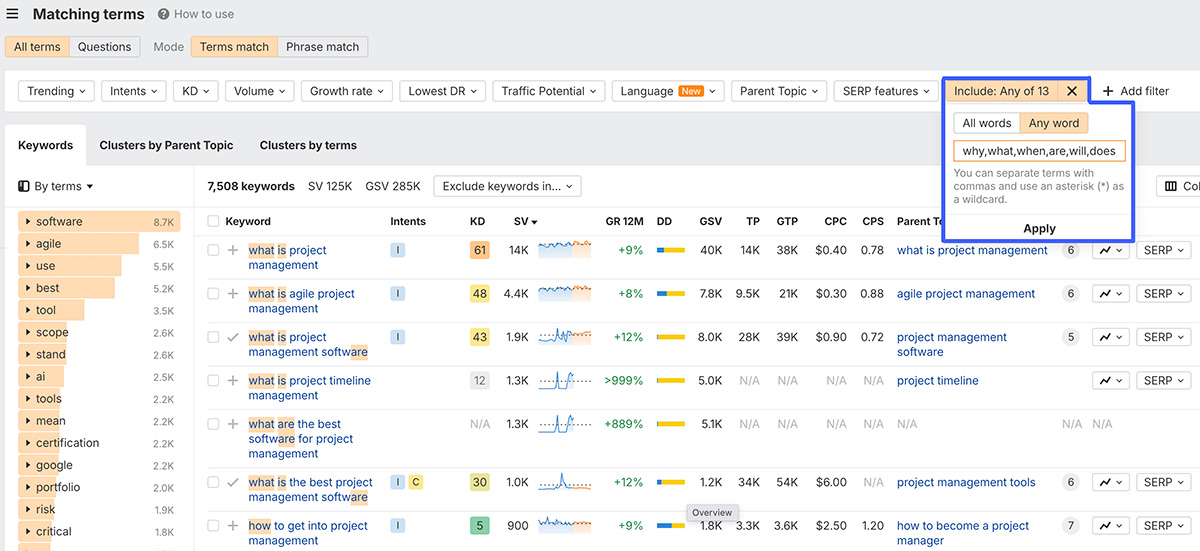
Google Search Console (GSC) Data: Analyzing questions your website already ranks for in GSC, or through Ahrefs Webmaster Tools, provides a solid foundation. Regex expressions can help identify question-based queries. For example, b(why|what|when|are|will|does|should|where|who|how|can|do|is)b can filter for question words. Similarly, ^(S+s+)5S+ can identify queries of at least six words. For new sites or broader research, Ahrefs Keywords Explorer can be used with similar question-based filters.
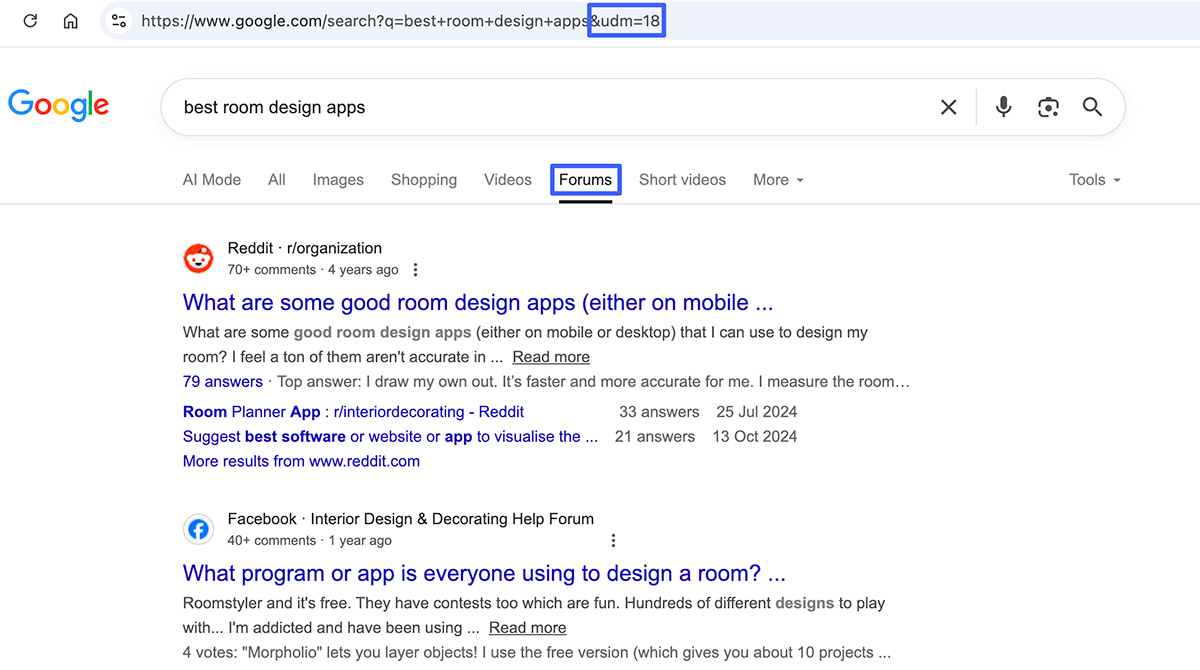
Discussions and Forums (e.g., &udm=18): Google’s "Discussions and forums" SERP feature, accessible via the &udm=18 parameter, highlights conversations on platforms like Reddit, Facebook, and Quora. These often contain naturally phrased questions that mirror how users might interact with AI.
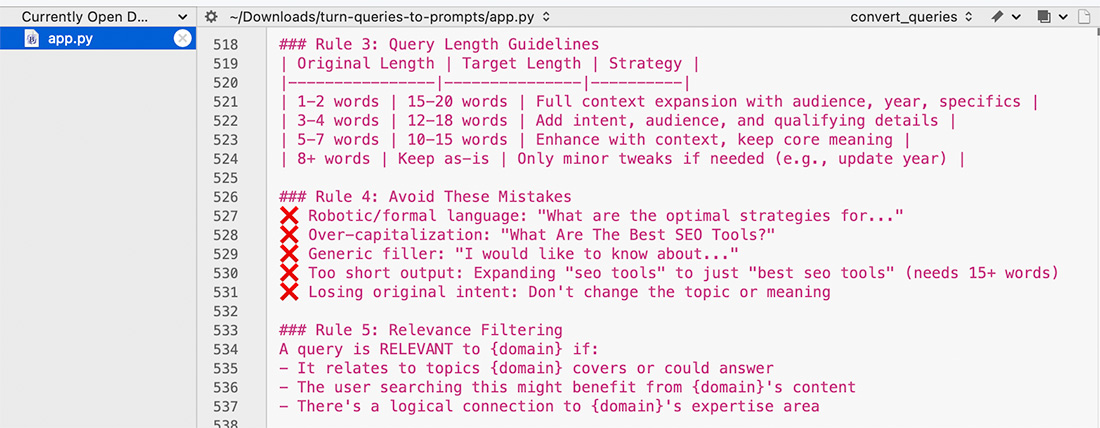
Top-Performing Pages & Search Terms: Converting traditional search queries that drive traffic to your most successful pages into conversational prompts is a powerful strategy. This can involve using AI assistants to transform GSC data or keyword research findings into natural language prompts. For example, "Best budget project management tools" could become "What are the best project management tools for startups with a small budget?" Ahrefs also points to Metehan Yesilyurt’s work on a custom tool for converting search terms into LLM-style prompts.
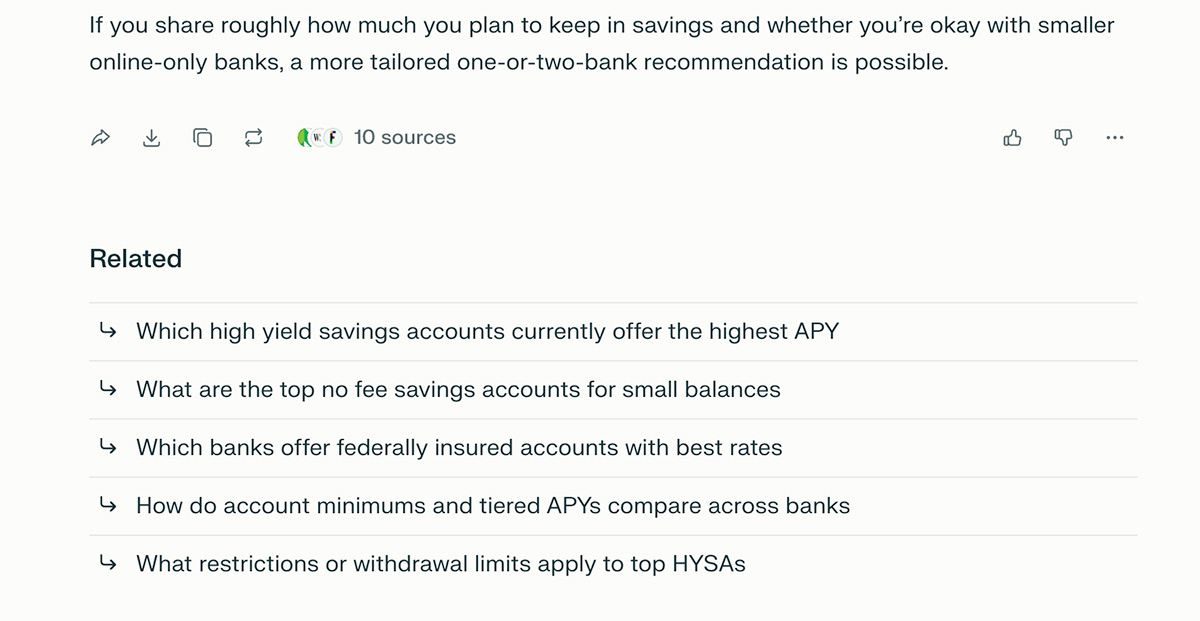
Perplexity’s Related Questions: Perplexity’s AI model generates related follow-up queries based on the original prompt and its results. While not based on historical user queries, these suggestions offer insights into potential conversational avenues.
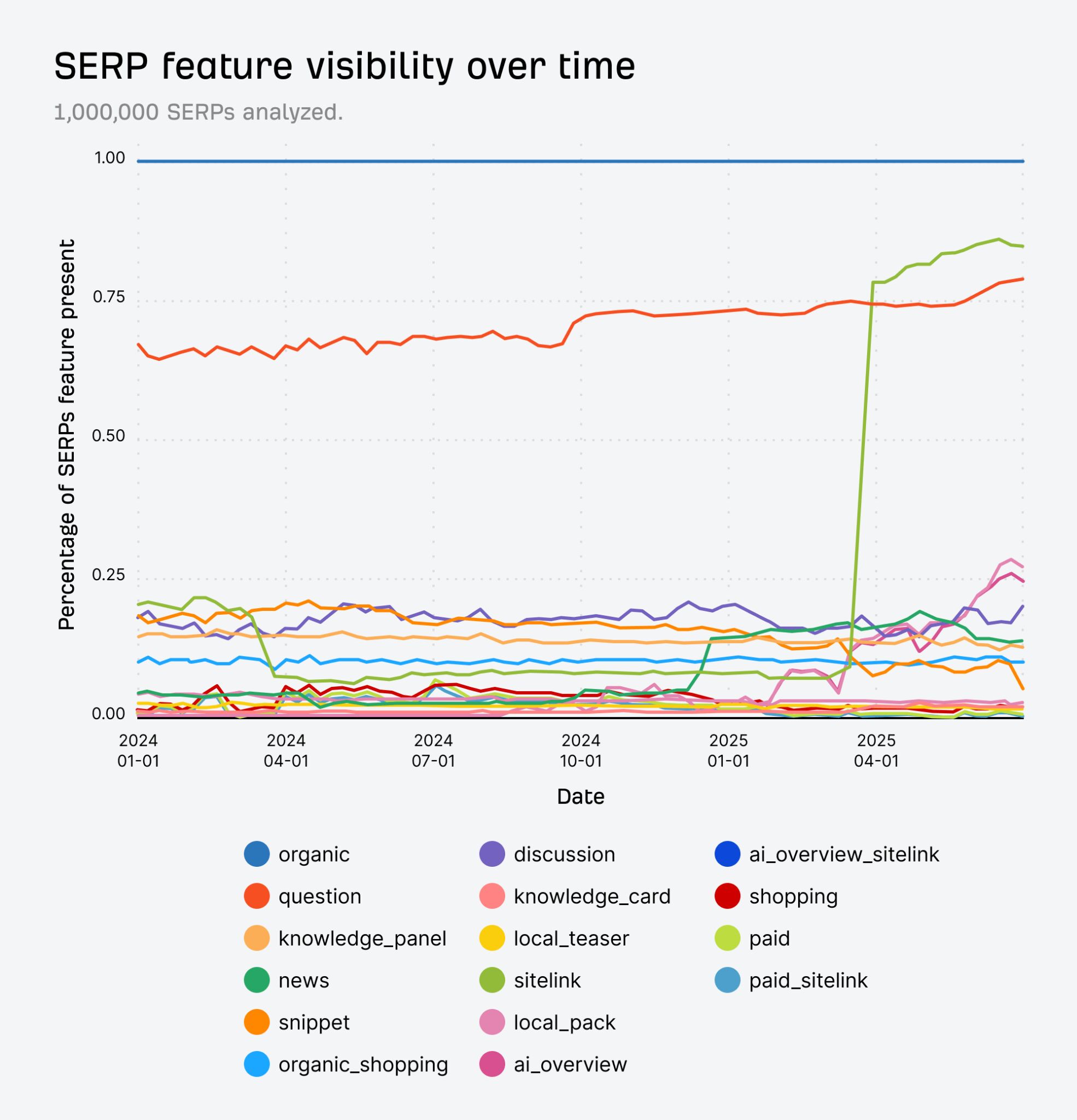
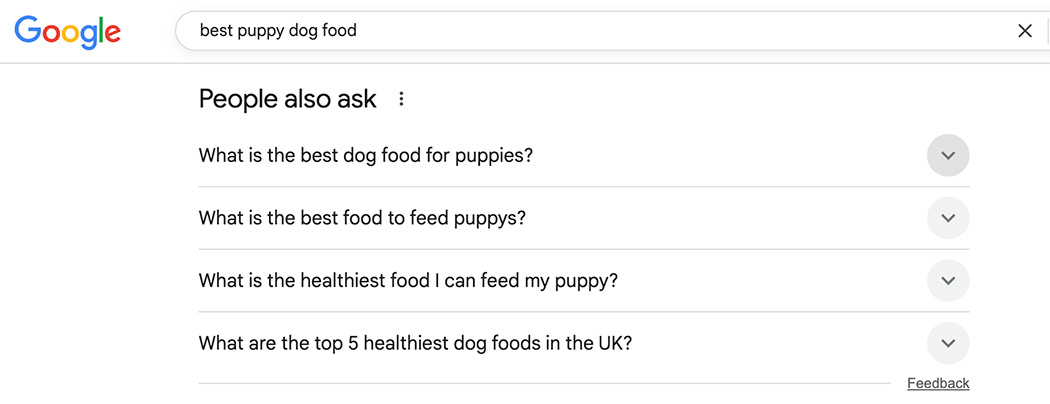
"People Also Ask" (PAA) in SERPs: The PAA section in Google search results offers a wealth of related questions. Clicking on a PAA item can reveal even more suggestions. Tools like the Ahrefs Toolbar and Detailed SEO Extension can help extract multiple levels of PAA headlines for analysis.
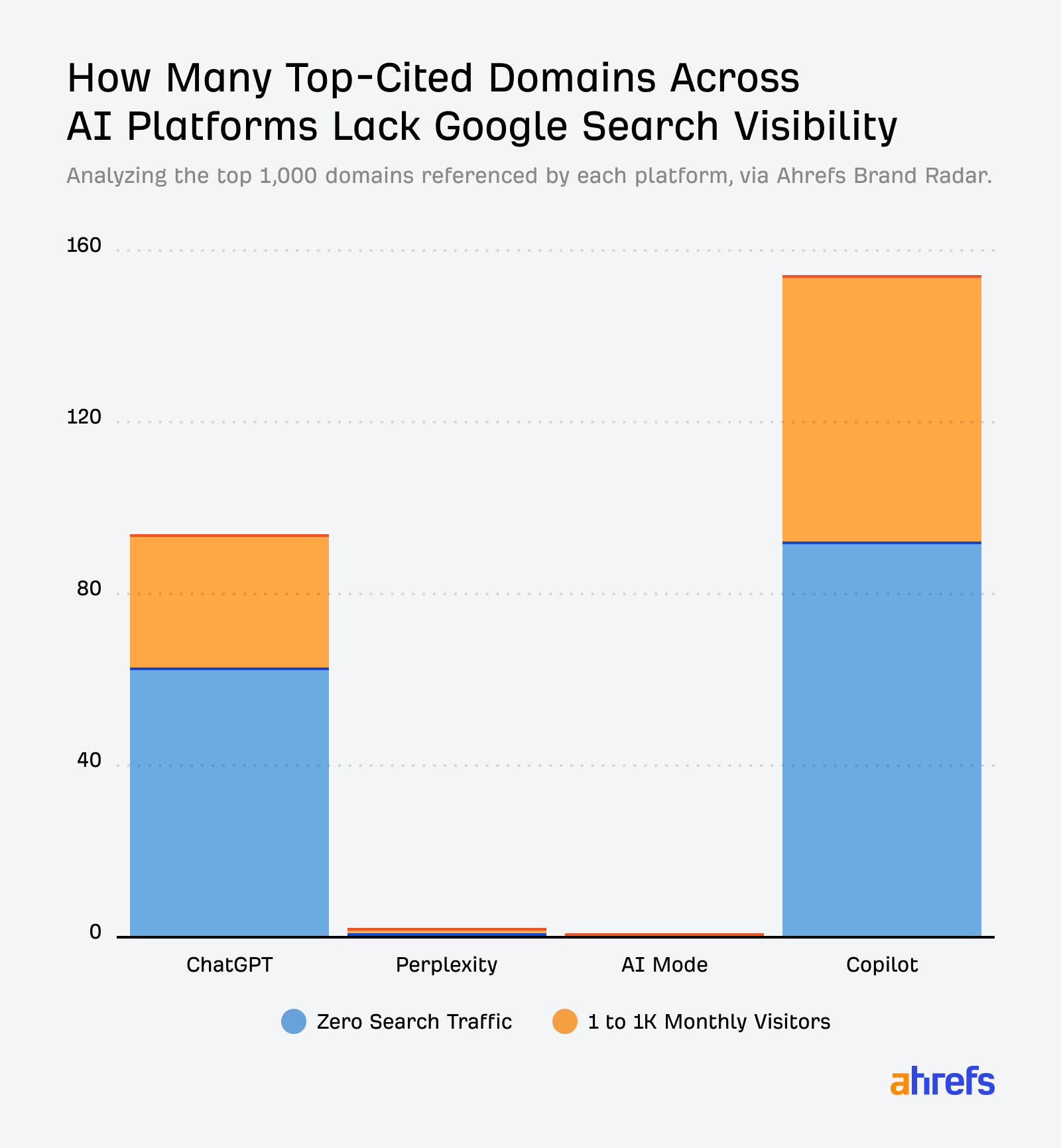
Topics You’re Already Visible In (Ahrefs Brand Radar): Ahrefs Brand Radar, which analyzes over 240 million prompts across platforms like Google AI Mode, ChatGPT, and Perplexity, can reveal topics your brand is already associated with. This data can then be used to refine existing prompts or create new ones for specific locations or platforms.
AI Search Traffic Analytics: Analyzing your website analytics to identify pages receiving traffic from AI search engines is crucial. Ahrefs Web Analytics can highlight sources like ChatGPT. Server logs can also reveal bot activity from AI platforms, such as ChatGPT-User or Perplexity-User, offering insights into which pages are being accessed and why.
Competitor Visibility Analysis: Using tools like Ahrefs Brand Radar, you can identify queries where competitors appear in AI responses, but your brand does not. This highlights content gaps and opportunities for new content creation or prompt optimization.
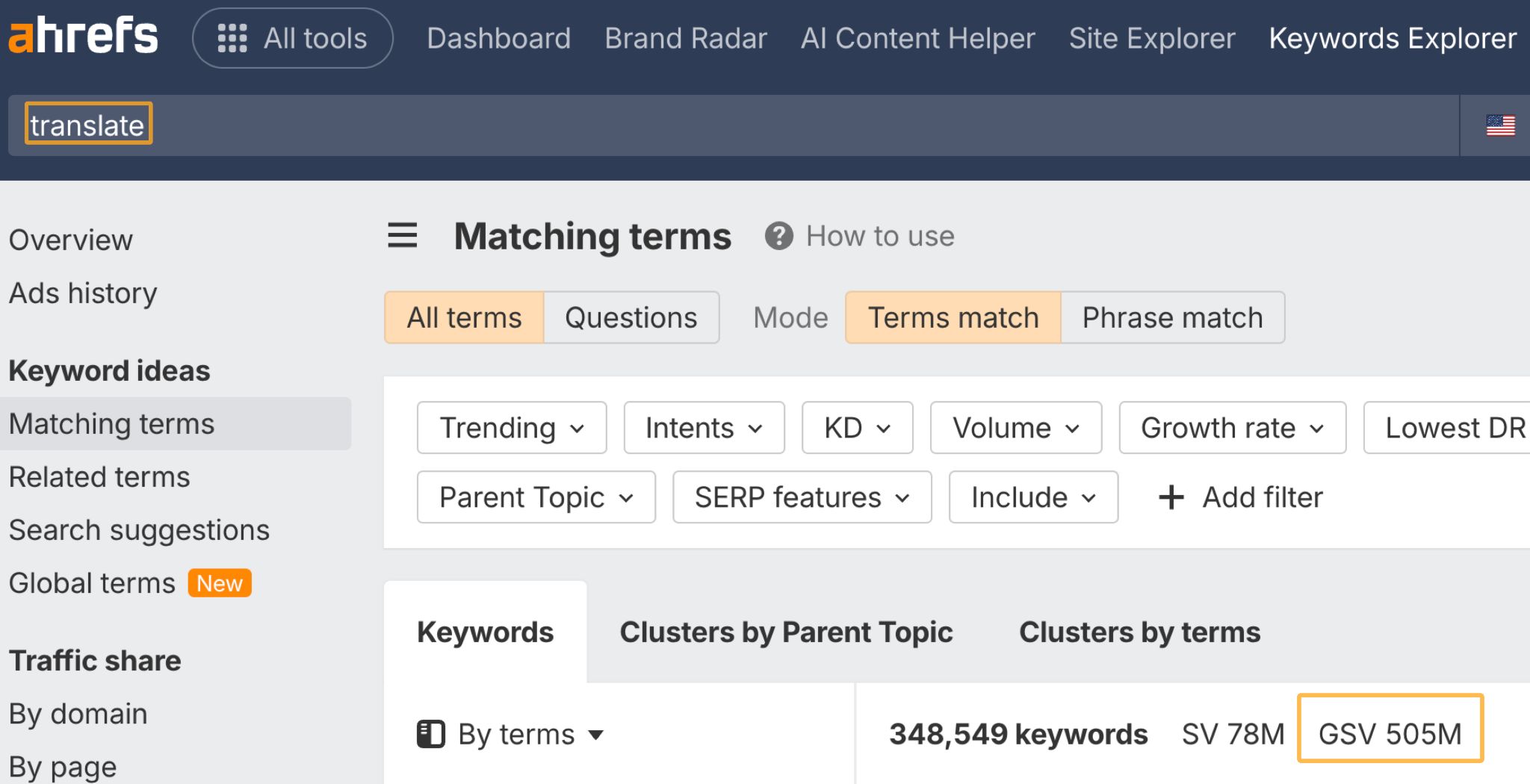
Keywords Explorer "Questions" Tab: Ahrefs Keywords Explorer allows users to research vast numbers of terms. The "Questions" tab within the tool provides a direct way to find question-based queries relevant to your industry, complete with search volume data.
LLM Response Accuracy Monitoring: It’s vital to monitor whether AI responses about your business align with reality. AI responses may draw from various sources beyond Google, potentially surfacing inaccurate information. Ahrefs provides examples of how to track factual accuracy and points to the work of Steve Toth, who uses internal data to ensure LLM representations match client goals.
Internal Data for Persona Creation: While AI personalization presents challenges, modeling user personas using internal data sources like customer support chats, ad data, and site searches can help create more targeted prompts. A simple formula like "If I were [Persona] trying to find [Keyword], what might I search for?" can be a starting point.
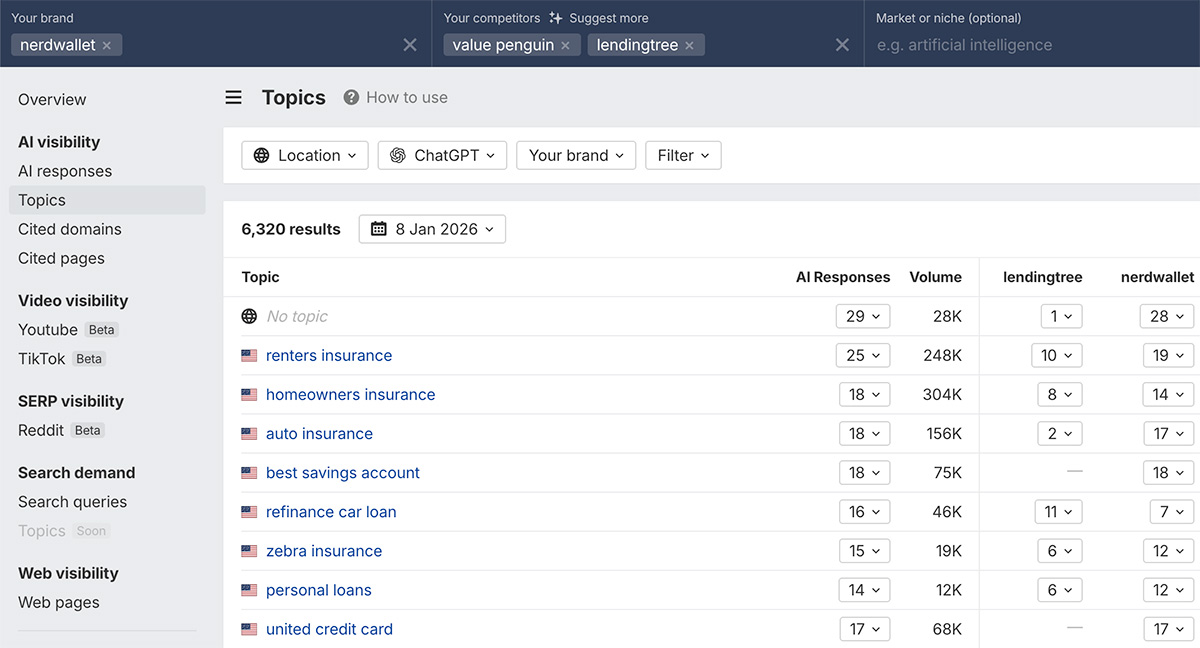
A recently launched Brand Radar feature assists in generating queries based on your project and existing custom queries, identifying focus areas.
Actionable Insights and Future Outlook
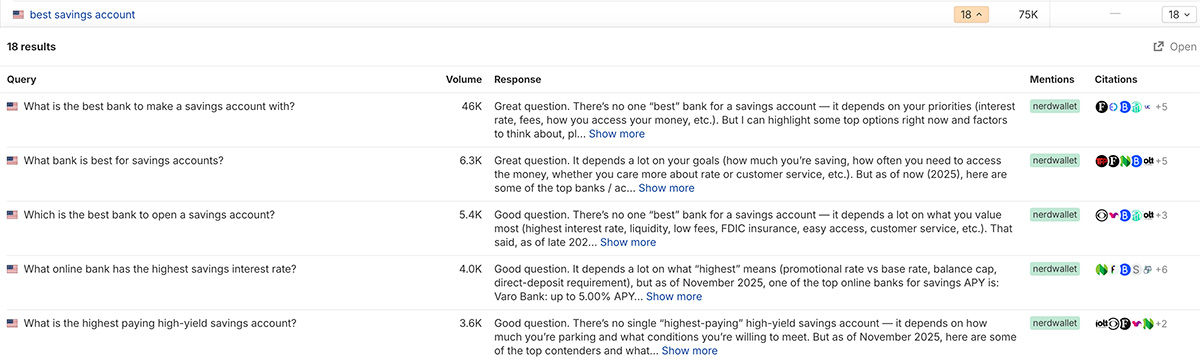
Ahrefs stresses the importance of having a plan to act on AI visibility data. This includes rectifying inaccurate statements, updating documentation, and creating dedicated content. The company recommends starting with a focused set of prompts and gradually expanding.
"As with all things AI-related, we’re constantly sharing studies and insights, and we’ll keep this guide up to date if our approach changes over time," Ahrefs concluded. They also recommended a guide by Despina on "10 actionable use cases" for Ahrefs Brand Radar.