 11
11 1
1 2
2 3
3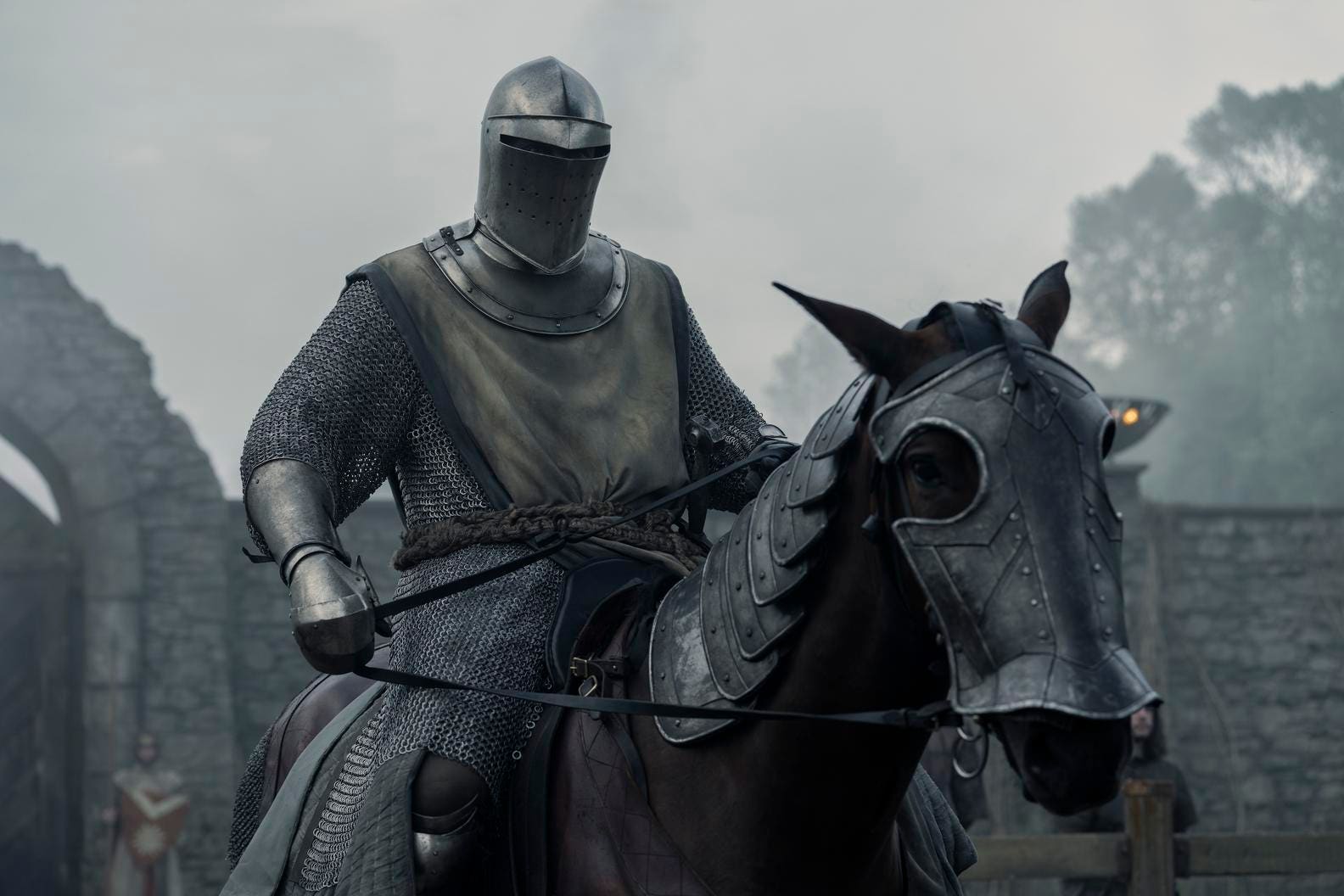
The fifth episode of HBO’s "A Knight Of The Seven Kingdoms" delivered a profound and devastating blow, both literally and figuratively, culminating in the brutal melee at Ashford Meadow. Titled "In The Name Of The Mother," the episode concluded with a climactic and gritty trial by combat that left an indelible mark on the characters and, as the narrative suggests, on the very future of Westeros. The events of this pivotal installment, featuring Ser Duncan The Tall (Peter Claffey) and his unlikely companions battling the cruel Prince Aerion Targaryen (Finn Bennett) and his chosen knights, are set to reverberate through the history of the Seven Kingdoms for generations to come.
As the dust settled on the muddy field of Ashford Meadow, the episode’s conclusion brought forth a tragedy of immense proportions: the death of Prince Baelor Targaryen (Bertie Carvel). Baelor’s heroic intervention on behalf of Ser Duncan was a testament to his character as a just and honorable prince, one widely regarded as a potential great king. His participation in the trial by combat, fighting alongside Dunk, ultimately sealed his fate, as he was fatally wounded by his own brother, Maekar Targaryen (Sam Spruell), during the chaotic fray.

The implications of Baelor’s untimely demise are nothing short of monumental, fundamentally altering the trajectory of the Targaryen dynasty and, by extension, the entire history of Westeros as depicted in "Game Of Thrones." Had Baelor lived and ascended to the Iron Throne, the line of succession would have been irrevocably changed. His sons would have followed him, and his youngest brother, Egg (Dexter Sol Ansell), would likely never have worn the crown. This shift means that King Aerys II, infamously known as The Mad King, would potentially never have been born, nor would his son Rhaegar. The chain of events that led to Robert’s Rebellion—triggered by Aerys’s execution of Ned Stark’s father and brother, and Rhaegar’s alleged abduction of Lyanna Stark—would have been averted. Consequently, Egg’s distant great-grandson, Jon Snow, a central figure in the saga, might never have existed. The entire tapestry of "Game Of Thrones" hangs precariously on this single, tragic moment at Ashford Meadow.
Before reaching this devastating conclusion, the episode took a controversial detour with a lengthy flashback sequence, delving into Ser Duncan’s formative years. This segment, though not present in George R.R. Martin’s original "Dunk and Egg" novellas, offered a never-before-seen glimpse into Dunk’s childhood in King’s Landing. We are introduced to a young Dunk and his childhood friend, Rafe (Chloe Lea), as they scavenge battlefields. The flashback depicts a pivotal moment where Rafe is tragically murdered by a corrupt City Watch guard named Alester (Edward Davis). Young Dunk’s life is also threatened, only to be saved by the unexpected appearance of a drunken Ser Arlan, who, despite his flaws, upholds his knightly oath to protect the innocent. This encounter sets Dunk on his path, leading him to follow Ser Arlan out of King’s Landing, a journey marked by the old knight’s eccentricities, including singing Dothraki songs and dancing by firelight, hinting at a mysterious past spent with the nomadic warrior culture. The sequence culminates with Ser Arlan’s gruff yet pivotal command, "Get up!" to the exhausted boy, a phrase that later echoes on the battlefield.
This extended flashback, clocking in at just under 20 minutes, sparked considerable debate among viewers. Many expressed frustration at its placement, interrupting the much-anticipated melee. However, proponents argue that for a television series intended to extend beyond Martin’s current three novellas, exploring Dunk’s backstory is a necessary and valuable addition. It illuminates the origins of his unwavering commitment to his oaths and his deep-seated drive to protect the innocent, providing crucial context for the man he becomes.

Upon Dunk’s return to consciousness on the muddy battlefield, prompted by Egg’s echoing cry of "Get up, Ser! Get up!", the trial by combat resumes its brutal course. The fight is depicted with a raw, ugly, and exhausting realism, far removed from the sometimes glamorous combat seen in "Game Of Thrones" or "House Of The Dragon." Dunk, though not as highly skilled as his opponent, Prince Aerion, compensates with sheer size, strength, and an unyielding will to survive. After a grueling struggle where Dunk appears momentarily defeated, he blinks back to life, spurred by Egg’s shouts. He ultimately forces Aerion to yield, securing victory for the hedge knight.
The triumph, however, is short-lived and overshadowed by tragedy. As Dunk kneels before Prince Baelor to swear fealty, Baelor staggers, his request for his helm to be removed revealing a gruesome truth: his skull is a bloody wreckage, a consequence of a powerful blow from his brother Maekar’s mace. Baelor’s death marks a devastating end to the battle.
While the battle scene itself was hailed for its intensity and grittiness, some viewers expressed a desire for a more expansive view of the combat. The episode largely confined the perspective to Dunk’s direct clash with Aerion, offering only fleeting glimpses of other fighters. We witnessed Maekar battling both Baelor and Lyonel Baratheon (Daniel Ings), and a compelling moment of Raymun (Shaun Thomas) venting his rage on his cousin, Steffon (Edward Ashley). However, the confrontations involving the three knights of the Kingsguard, as well as the fates of Ser Humfrey Beesbury (Danny Collins), Ser Humfrey Hardyng (Ross Anderson), and the mad one-eyed knight Ser Robyn Rhysling, were largely unseen. Critics suggested that a dedicated episode focusing on the tourney earlier in the season could have better fleshed out these characters, allowing audiences to feel a deeper connection to their eventual fates in the melee.

Despite these criticisms, "A Knight Of The Seven Kingdoms" continues to impress with its overall production quality. The costumes are exceptionally crafted, with intricate armor, vibrant livery, and colorful cloaks and caparisons bringing the world to life. The gorgeous musical score, extraordinary cinematography, and excellent casting, particularly Dexter Sol Ansell as young Egg, have garnered widespread praise. The show’s ability to create a visually stunning and immersive experience, coupled with strong performances, contributes significantly to its appeal.
The episode also reinforced the theme of prophecy, weaving together earlier hints and foretelling. Prince Daeron Targaryen’s chilling prophecy from 209 AC—"I have seen you, Ser. And a fire. And a dead dragon. A great beast with wings so large they could cover this meadow. It had fallen on top of you. But you were alive, and the dragon was dead."—takes on new, tragic resonance with Baelor’s death. Furthermore, Tanselle Too-Tall’s (Tanzyn Crawford) puppet show, which acted as the inciting incident for the trial by combat, served as a subtle prophecy in itself, foreshadowing the death of a "dragon" (a Targaryen prince).
In conclusion, "In The Name Of The Mother" stands as a brilliant and impactful episode, despite the controversies surrounding its narrative structure. It delivers some of the most visceral and realistic medieval combat sequences seen on screen, while simultaneously laying the groundwork for profound historical shifts within the world of Westeros. The desire for more comprehensive battle scenes or additional tourney coverage is, in itself, a testament to the show’s engaging quality and the audience’s investment in its characters and world. This installment solidifies "A Knight Of The Seven Kingdoms" as a compelling addition to the sprawling saga of Ice and Fire.