 11

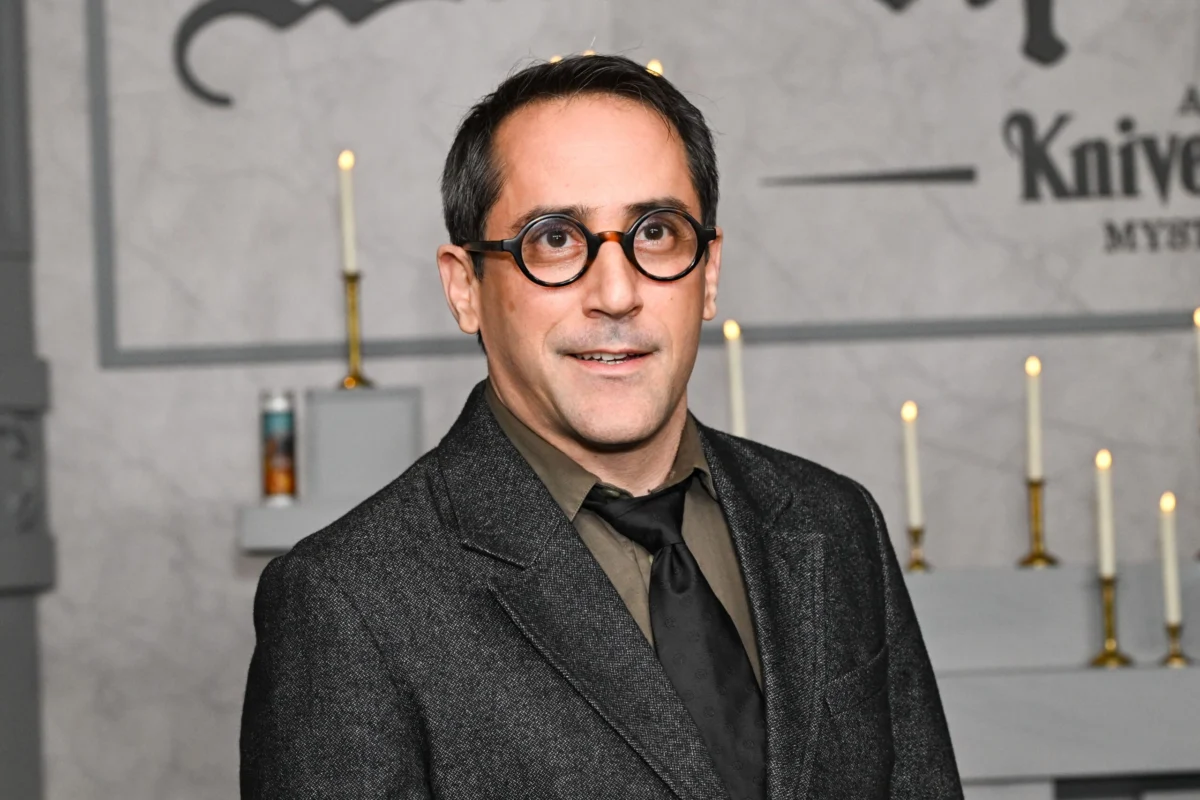
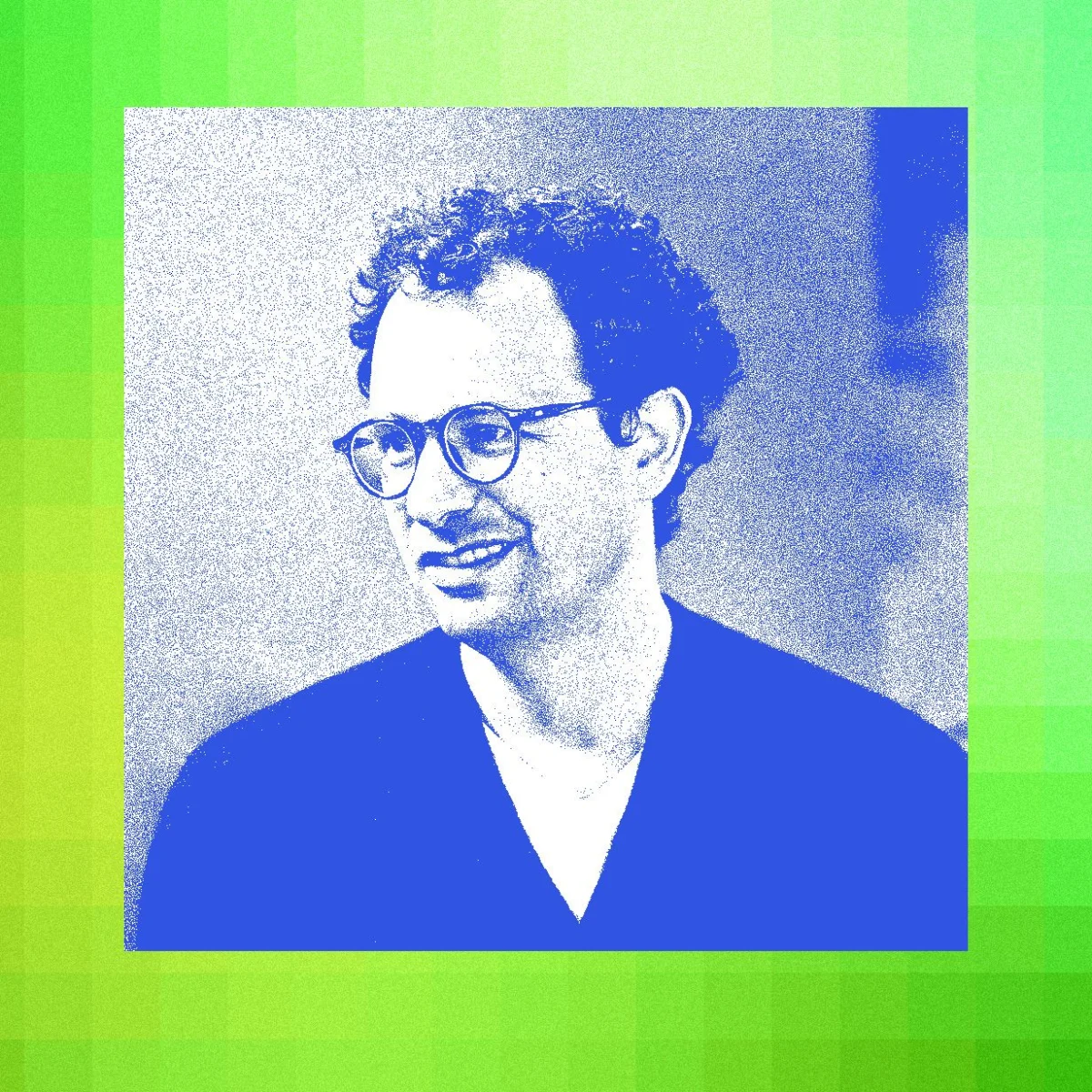
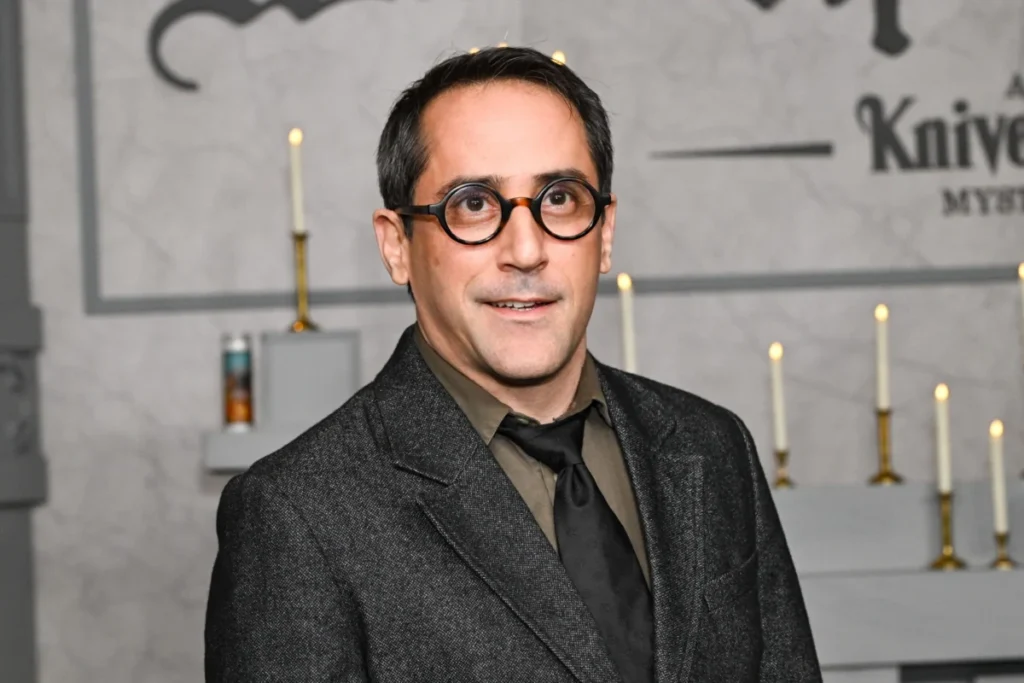
Steve Yedlin, a distinguished cinematographer renowned for his profound understanding of color science, has recently launched the Chromagraph Camera app, a new iOS application that brings his unique cinematic visual style to the iPhone. Yedlin, often described as a "color nerd," readily delves into "the math" that underpins his passion for color science, a field that combines physics, biology, and psychology to explain how humans perceive color. While his expertise spans the intricate realms of psychophysics and color theory, the recent attention on Yedlin has centered around his newly released app, which has rapidly achieved viral popularity as an exclusive offering for iPhone users.
Yedlin’s professional pedigree is deeply rooted in high-profile film productions, where he has long collaborated with acclaimed director Rian Johnson. Their partnership has yielded visually distinctive films such as the critically praised whodunit Knives Out and the monumental science fiction epic Star Wars: The Last Jedi. This successful artistic alliance extended to the development and launch of the Chromagraph Camera app. Yedlin is known for his hands-on approach to filmmaking technology, stating, "I write all of my own image processing that we use on the movies." This personal touch, a custom-built "special sauce" for image manipulation, is precisely what the Chromagraph Camera app now offers to smartphone photographers.
The app fundamentally redefines how an iPhone captures and processes images. Unlike the standard iPhone camera, which applies its own built-in, generalized image processing algorithms, Chromagraph Camera operates by capturing RAW image data. This raw data, uncompressed and unprocessed by the phone’s default settings, then undergoes a unique transformation using a processing formula akin to what Yedlin employs in his professional film production work. This bespoke approach aims to imbue smartphone photos with a distinct cinematic quality that reflects Yedlin’s artistic vision and meticulous color grading techniques.
The launch of the Chromagraph Camera app in late October was significantly amplified by Rian Johnson, who promoted it across his social media platforms. Johnson’s endorsement quickly propelled the app to widespread recognition, resulting in its rapid ascent to become the top paid download in the iOS App Store. The app carries a one-time purchase fee of $13, a price point that positions it as a premium offering in a market often dominated by free or subscription-based alternatives. Currently, the Chromagraph Camera app is designed exclusively for still photography, with no video support available at the time of its release.
For many users, including those who do not consider themselves expert photographers, the app offers an appealing simplicity without compromising on aesthetic quality. The reviewer from WIRED, for instance, admitted to being "far from the resident photography nerd" on the gear team, typically relying on the iPhone’s default settings for quick snaps. Despite this, the experience of capturing San Francisco’s autumn scenery with the Chromagraph Camera proved highly enjoyable. While Apple provides a robust suite of built-in tools for manual color adjustment and image editing on its iPhones, the app’s primary appeal lies in its ability to produce "highly stylized shots without me needing to fiddle with anything at all." This ease of use, combined with professional-grade results, represents a significant draw for a broad user base.
A unique aspect of the Chromagraph Camera’s user interface and workflow is the distinction between the viewfinder preview and the final processed image. When users frame a shot in the app’s viewfinder, the displayed image is not a real-time representation of the final output. Instead, the photograph is "developed" within the app after the shutter is pressed. This delay is necessary because the app requires a moment to apply its proprietary processing, which involves intricate algorithms for specific tone, color, and grain effects. This post-capture processing ensures that each image benefits from Yedlin’s cinematic formulas. Furthermore, users retain a degree of creative control, as they can subsequently alter aspects like overall exposure or texture within the app after the initial processing is complete, allowing for personalized adjustments to the stylized base image.
Yedlin is clear about the intended purpose and scope of his creation. He emphasizes that the Chromagraph Camera is not designed to replace the native iPhone camera app, nor is it positioned as a comprehensive professional editing suite. His vision for the app is much more focused: "It’s all about that color, man." He describes it as "just this curated app that takes the pictures the way we like." This philosophy underscores the app’s specificity, as it was built around the distinctive "color tastes" of Yedlin and Johnson. They collaborated with programmer Eric Cameron, meticulously experimenting with the app for several months before its public launch, ensuring it truly embodied their shared aesthetic preferences.
Despite the sophisticated custom image processing capabilities of the Chromagraph Camera, Yedlin maintains a realistic perspective on the inherent limitations of smartphone photography. He acknowledges that even with advanced software, the iPhone remains fundamentally restricted as a photographic device compared to professional-grade cameras. "This idea that you can actually have the control that a professional camera would have is not really true anyhow," he states. This viewpoint highlights the challenges posed by hardware constraints and the parameters set by Apple’s operating system, which inherently limit how far third-party software can push the phone’s underlying camera hardware.
In an era where advancements in computational photography and generative artificial intelligence are continually reshaping the definition of "what a smartphone photo even is," Yedlin’s approach stands out for its conscious rejection of neutrality. He posits that no image, regardless of its origin, serves as a purely literal rendering of reality. Every photograph, he argues, is inherently an interpretation—whether it’s a highly stylized, artful depiction or a seemingly more "stagnant" or factual shot. Yedlin is forthright in describing the Chromagraph Camera app’s aesthetic as deliberately "opinionated" and highly specific, a stark contrast to attempts at achieving objective realism. He concludes that while one can attempt to articulate the nuances of different rendering styles, ultimately, "You can describe how the different rendering looks in words, but you just have to look at it." For Steve Yedlin, the color in his images speaks for itself, embodying his unique vision and the culmination of his deep understanding of cinematic artistry and color science.