 11
11
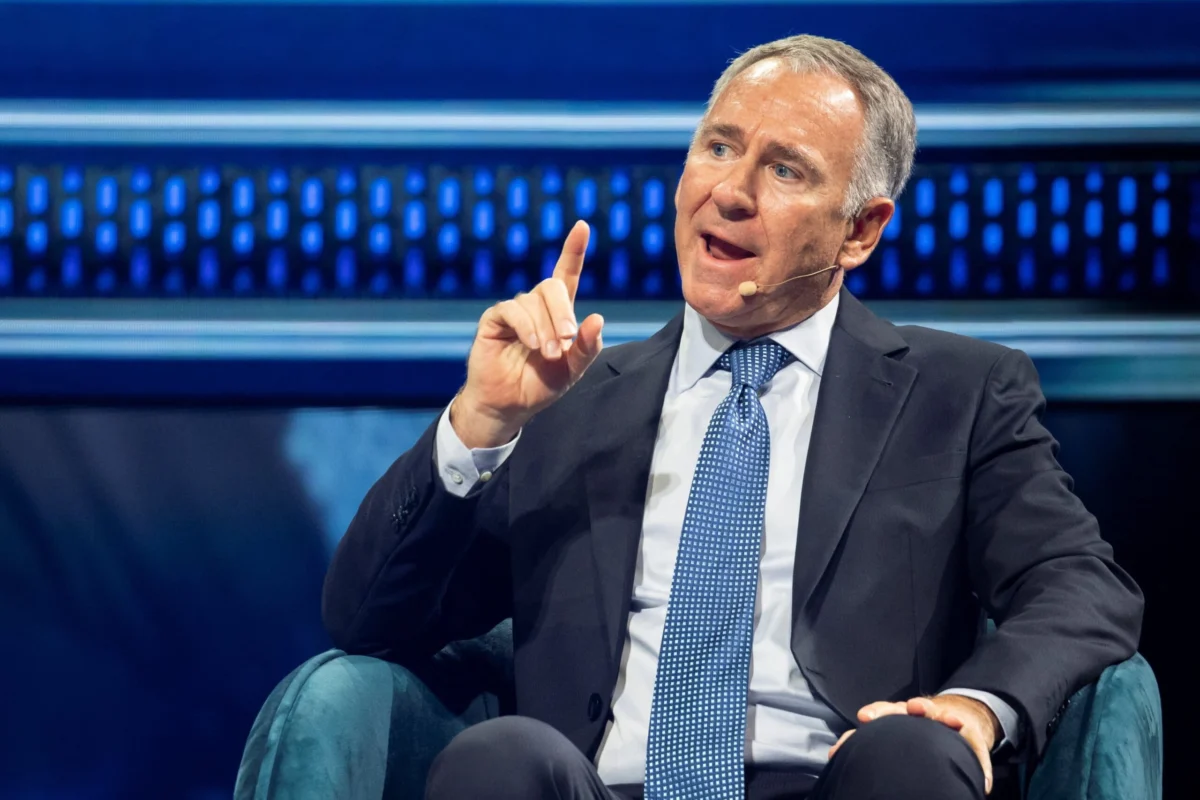
Ken Griffin’s Citadel, a prominent global financial institution, has reported substantial gains across its primary hedge funds for the month of July. This strong performance was significantly influenced by a broader recovery in risk assets and a strategic, discounted acquisition of assets from the distressed Situational Awareness hedge fund, founded by former OpenAI researcher Leopold Aschenbrenner. The information, disclosed by a source familiar with the firm’s performance figures, paints a picture of astute market navigation by Citadel during a period of considerable flux.
The firm’s flagship multistrategy fund, the Wellington fund, which is also Citadel’s largest, demonstrated impressive momentum, returning 5.9% in July. This marks the fund’s most robust monthly performance since 2022 and propels its year-to-date gains to 12% in 2026. The tactical trading fund, a hybrid strategy combining discretionary equity investments with quantitative approaches, experienced an even more pronounced surge, gaining 11.1% in July and achieving a remarkable 27% year-to-date return. The equities fund also posted exceptional results, advancing 14.2% last month, bringing its 2026 return to an impressive 27%. Notably, both the tactical fund and the equities fund achieved their strongest months ever in July. The individual speaking on the condition of anonymity cited the confidentiality of performance data as the reason for their request to not be identified.
The significant gains in July were directly linked to Citadel’s acquisition of a substantial portion of the public stock portfolio previously managed by Situational Awareness. This acquisition occurred late last month, following the rapid unraveling of Situational Awareness. The hedge fund faced severe repercussions after incurring steep losses, which triggered margin calls and necessitated forced asset sales. Citadel, by acquiring many of these holdings at a significant discount, positioned itself to capitalize on the subsequent market rebound that characterized the latter part of July.
Situational Awareness, established by Leopold Aschenbrenner, a former researcher at OpenAI, was compelled to liquidate many of its investment positions. This drastic measure followed a sharp reversal in its artificial intelligence-focused trades, which resulted in substantial losses across both its long and short positions. The firm had strategically accumulated significant stakes in companies involved in AI infrastructure, while simultaneously maintaining short positions against software stocks. This particular strategy proved to be ill-fated as software shares experienced a rally, while the valuations of AI hardware companies declined.
In the wake of Situational Awareness’s difficulties, several of the fund’s prime brokers actively worked to manage and reduce its positions in an orderly manner, as the firm sought to meet its margin requirements. Citadel emerged as a key buyer during this period, effectively taking advantage of one of the most significant forced liquidations seen in the market this year. This strategic move allowed Citadel to acquire assets at potentially undervalued prices, setting the stage for future gains as market conditions stabilized.
Specific stocks that were part of Aschenbrenner’s fund portfolio, such as Nebius and Micron, witnessed a rebound in their stock prices during the final days of July. This recovery followed a challenging month for these securities. Market participants widely commented that the near collapse of Situational Awareness and Citadel’s subsequent intervention acted as a significant "clearing event" in the market. This event reportedly led short sellers to realize profits, contributing to the upward price movements observed in these and other related stocks.
As of July 1, Citadel was managing approximately $71 billion in assets under management. The firm has a well-documented history of strategically deploying capital during periods of market dislocation. These periods, characterized by heightened volatility and distressed asset situations, often present opportunities for Citadel to acquire assets at favorable valuations, particularly through distressed or forced-selling scenarios. The acquisition from Situational Awareness exemplifies this established strategy, showcasing Citadel’s ability to identify and capitalize on market inefficiencies.
Citadel has officially declined to comment on the specific performance figures or the details of the acquisition. However, the reported performance of its funds in July underscores the firm’s adeptness in navigating complex market environments and its capacity to generate strong returns through strategic investment decisions. The successful integration of assets from a distressed competitor, combined with a broader market recovery, has clearly benefited Citadel, reinforcing its position as a leading player in the global hedge fund industry. The firm’s ability to leverage such opportunities highlights its sophisticated risk management and proprietary trading capabilities, allowing it to maintain a competitive edge in the financial markets.