 11
11
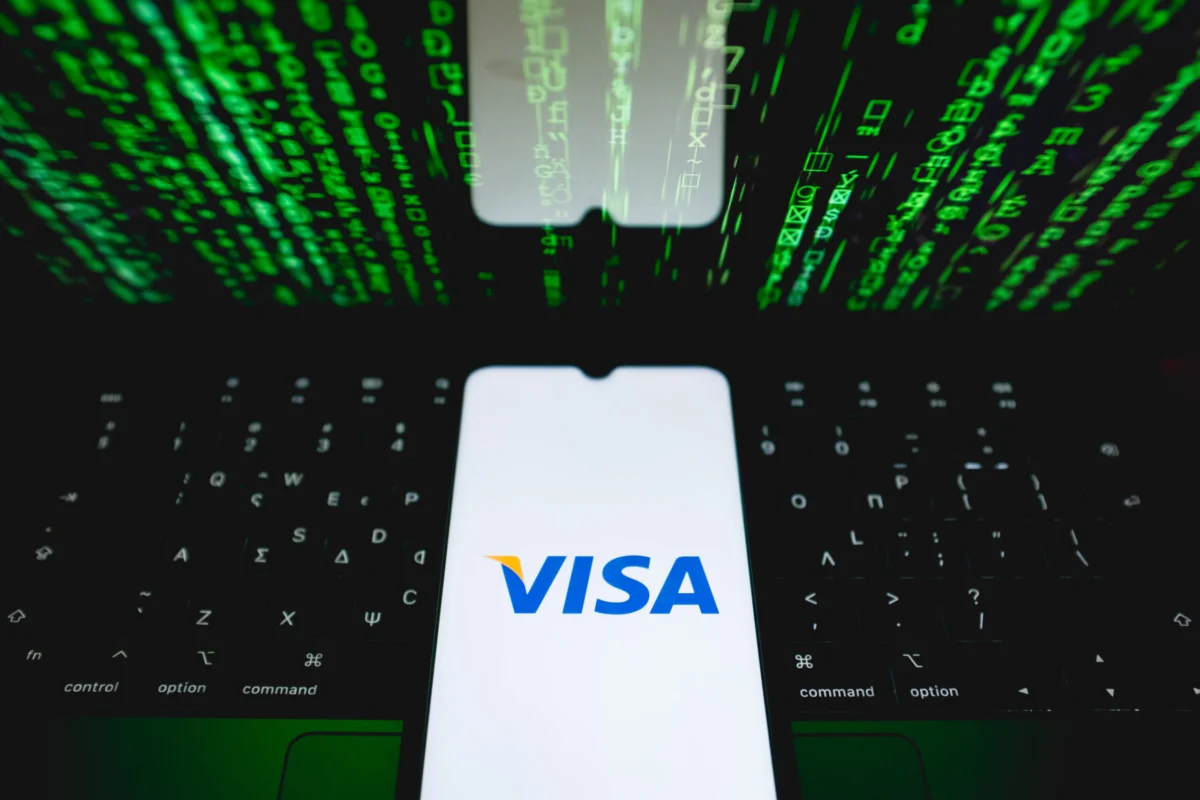
Visa, a global leader in digital payments, announced on Monday its definitive agreement to acquire BioCatch, a prominent fraud detection startup, for $2.4 billion in cash. This strategic acquisition signifies a significant expansion of Visa’s commitment to enhancing cybersecurity measures as financial institutions worldwide grapple with an alarming surge in sophisticated, artificial intelligence-powered scams and account takeovers. The deal, which is expected to close by the end of Visa’s fiscal second quarter in 2027, subject to regulatory approvals and customary closing conditions, will integrate BioCatch’s advanced behavioral biometrics platform into Visa’s extensive network.
BioCatch’s innovative technology offers a powerful solution to combat increasingly complex fraudulent activities. The platform operates by meticulously analyzing a user’s unique interaction patterns with their devices. This includes subtle yet distinctive data points such as the precise timing of keystrokes, the varying pressure applied to touch screens, and a multitude of other behavioral signals. By establishing a baseline of legitimate user behavior, BioCatch’s system can effectively differentiate between genuine customers and malicious actors, including scammers and automated bots, thereby preventing fraudulent transactions before they occur. Visa is acquiring BioCatch from its current stakeholders, including the London-based private equity firm Permira, and other investors.
The urgency behind this acquisition underscores a critical trend in the payments industry: a fierce race among companies to fortify their fraud defense mechanisms. The proliferation of generative artificial intelligence has dramatically lowered the barrier to entry for fraudsters, making attacks cheaper, faster, and significantly more convincing than ever before. Visa’s own estimates highlight the profound economic impact of these threats, projecting that scams and account takeovers collectively cost the global economy in excess of $1 trillion annually. This massive financial drain necessitates robust and adaptive security solutions, a need that Visa aims to address through this acquisition.
Furthermore, the BioCatch acquisition is a key component of Visa’s broader strategy to expand its value-added services business. This division offers a suite of sophisticated solutions, including fraud prevention tools, comprehensive cybersecurity services, and advanced analytics software, to financial institutions. This segment has emerged as one of Visa’s most rapidly growing divisions, demonstrating a strong market demand for specialized security and intelligence offerings beyond core payment processing.
Andrew Torre, Visa’s president of value-added services, emphasized the strategic importance of this integration in a statement. "BioCatch will help our clients stop fraud before it reaches the point of payment," Torre remarked, highlighting the proactive nature of the acquired technology. By embedding BioCatch’s capabilities within Visa’s vast network, the company aims to provide its clients with an unprecedented level of real-time fraud detection and prevention.
While BioCatch has established a significant footprint, currently protecting approximately 760 million users across roughly 350 banks globally, its integration with Visa’s unparalleled infrastructure promises to amplify its impact exponentially. Visa’s extensive global network connects nearly 14,500 financial institutions and processes over 329 billion transactions annually, representing a staggering total value exceeding $17 trillion. This immense scale provides BioCatch’s technology with an unprecedented platform to identify and mitigate fraud across a vast spectrum of financial activities.
In a blog post accompanying the announcement, BioCatch expressed its enthusiasm for the partnership, underscoring how joining Visa will facilitate the scaling of its efforts in combating the escalating global fraud landscape. The company candidly acknowledged the ongoing challenges in this battle, stating, "The reality is, as a society and industry, we are not winning this fight." BioCatch’s statement further elaborated on the persistent growth of financial crime, noting that "The value of fraud and scam losses and the number of fraud and scam attempts, mule accounts, and victims of these financial crimes all continue to grow (in some cases, exponentially) every year, all around the world." This stark assessment underscores the critical need for innovative and collaborative solutions, which Visa and BioCatch aim to deliver together.
The acquisition is not merely a financial transaction but a strategic imperative for Visa to maintain its leadership position in an evolving digital economy. As financial transactions become increasingly digital and interconnected, so too do the methods employed by malicious actors. The rise of generative AI, capable of creating highly realistic fake content and automating complex attack sequences, poses a significant threat to the integrity of financial systems. By acquiring BioCatch, Visa is investing in a cutting-edge technology that leverages human behavioral patterns, a defense mechanism that is inherently more difficult for AI to replicate or circumvent.
Behavioral biometrics, the core of BioCatch’s offering, represents a shift from traditional authentication methods, which often rely on static credentials like passwords or one-time codes. Instead, it focuses on the dynamic, nuanced ways individuals interact with their devices. This can include the speed and rhythm of typing, the angle and pressure of finger movements on a touchscreen, the way a user scrolls or navigates through an application, and even the subtle pauses or hesitations in their actions. These seemingly insignificant details, when analyzed collectively and in real-time, create a unique digital fingerprint for each user. This allows systems to detect anomalies that might indicate a fraudulent attempt, even if the attacker possesses stolen credentials.
The financial implications of fraud extend beyond direct monetary losses. Account takeovers can lead to identity theft, reputational damage for both consumers and financial institutions, and a general erosion of trust in digital financial services. Visa’s proactive stance in acquiring BioCatch signals its commitment to safeguarding the trust that underpins the global payment ecosystem. By empowering banks and other financial institutions with advanced tools to identify and neutralize threats before they materialize, Visa aims to create a more secure and resilient financial environment for everyone.
The integration of BioCatch’s technology is expected to enhance Visa’s existing suite of fraud management solutions, such as Visa Advanced Authorization and Visa Secure. These services already leverage sophisticated analytics and machine learning to assess transaction risk. BioCatch’s behavioral insights will add another critical layer of defense, providing a more holistic view of user activity and enabling even more precise fraud detection. This synergistic approach is designed to minimize false positives, ensuring that legitimate transactions are not unnecessarily blocked, while simultaneously maximizing the capture of fraudulent activities.
The timing of the acquisition also reflects the growing regulatory scrutiny surrounding cybersecurity and data protection. As governments worldwide implement stricter regulations to protect consumers from financial crime, companies like Visa are under increasing pressure to demonstrate robust security measures. By investing in advanced technologies like behavioral biometrics, Visa is positioning itself not only to meet these regulatory demands but also to lead the industry in establishing new security standards.
The journey of BioCatch from a promising startup to a key acquisition target by a global payments giant highlights the significant innovation occurring within the cybersecurity sector. The company’s success is a testament to the effectiveness of its behavioral biometrics approach and its ability to adapt to the ever-changing threat landscape. For Visa, the acquisition represents a strategic move to consolidate its position as a trusted enabler of digital commerce, ensuring that its vast network remains a secure and reliable platform for financial transactions in an era increasingly defined by sophisticated digital threats.