 11
11
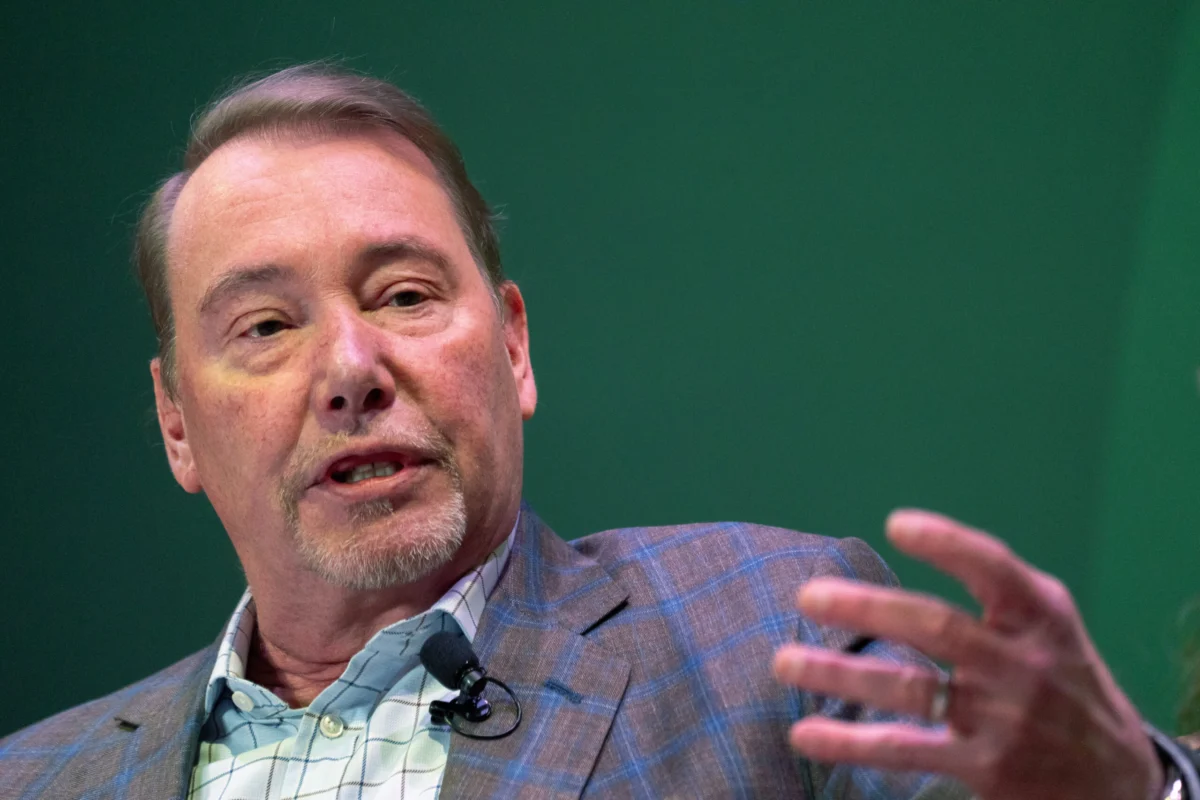
DoubleLine Capital CEO Jeffrey Gundlach has asserted that the Treasury market is conveying a clear message: the Federal Reserve must implement more concrete actions, specifically through interest rate hikes, if it genuinely intends to achieve its stated 2% inflation target. Gundlach’s remarks, made on CNBC’s "Closing Bell" following the Fed’s latest policy decision, suggest a significant divergence between the central bank’s rhetoric and the market’s perception of its commitment to price stability.
"If you really want to get to 2%, I think you have to raise interest rates," Gundlach stated, emphasizing his belief that reaching this inflation goal will be a protracted process. "I think getting 2% is going to take a long time. We might not get there over the course of the next couple of years." This sentiment underscores a potential disconnect between the Fed’s desired outcome and the market’s current assessment of its policy effectiveness.
The Federal Reserve, as widely anticipated, opted to maintain its benchmark interest rate within the existing range of 3.5% to 3.75%. This decision, however, was not met with unanimous consensus among the Federal Open Market Committee (FOMC) members. Three policy participants registered their dissent, advocating for a quarter-percentage-point increase in interest rates. This internal division further fuels the narrative of uncertainty surrounding the Fed’s future policy trajectory.
Gundlach pointed to the disparate movements across different segments of the Treasury yield curve as tangible evidence of investor skepticism regarding the Fed’s resolve. He explained, "The two-year Treasury rallied today because it thinks the Fed is taking its time." The inverse relationship between yields and prices means a rally in the two-year Treasury indicates that investors anticipate interest rates remaining lower for longer, aligning with a more dovish stance from the Fed.
Conversely, Gundlach highlighted the significant increase in the long bond yield as a signal of market participants’ belief that the Fed will ultimately be compelled to act more decisively. "And the long bond yield went up significantly after the press conference, because the bond market vigilantes are saying, ‘If you really want us to believe your rhetoric, you’ve got to start acting.’" The term "bond market vigilantes" refers to investors who are quick to challenge central bank policies they deem insufficient or counterproductive, often by selling bonds and driving up yields.

The specific movements in Treasury yields following the Fed’s announcement provide a clearer picture of this market reaction. The benchmark 10-year Treasury yield experienced a notable increase, rising by more than 7 basis points to settle at 4.681%. More dramatically, the 30-year bond yield surged to 5.213%, reaching its highest level since 2007. This significant uptick in longer-term yields suggests that investors are pricing in a higher inflation outlook and potentially greater future borrowing needs for the government, which often necessitates higher yields to attract investors. In contrast, the policy-sensitive two-year Treasury yield saw a modest decline of 3 basis points, ending the day at 4.244%. This fall in short-term yields reinforces the perception that the market believes the Fed will hold steady on rates in the immediate future, but the simultaneous rise in longer-term yields signals a growing concern about sustained inflationary pressures.
The differing dynamics between the short and long ends of the Treasury curve are rooted in their respective sensitivities to economic indicators and policy expectations. The long end of the curve, particularly yields on longer-dated Treasuries like the 10-year and 30-year bonds, is generally more influenced by expectations regarding long-term inflation trends and anticipated government deficits. Persistent inflation erodes the purchasing power of future interest payments, prompting investors to demand higher yields for longer maturities. Similarly, substantial government borrowing to finance deficits can increase the supply of bonds, potentially driving down prices and increasing yields.
The short end of the curve, conversely, is more closely tethered to immediate interest rate expectations. Shorter-term Treasury yields, such as the two-year yield, tend to reflect investors’ anticipation of the Federal Reserve’s near-term monetary policy actions. If investors believe the Fed is likely to raise rates soon, short-term yields will move upward. If they expect rates to remain stable or even be cut, short-term yields will tend to fall.
In this context, the rally in the two-year Treasury and the surge in the 10-year and 30-year Treasury yields after the Fed’s announcement represent a complex market signal. The two-year rally suggests investors believe the Fed’s pause is likely to persist in the short term. However, the jump in longer-term yields implies a growing conviction among investors that the Fed’s current policy stance may be insufficient to tame inflation in the medium to long run, necessitating future tightening that could be more aggressive or sustained than currently priced in by the Fed’s own projections.
Fed Chairman Kevin Warsh, speaking at the press conference following the policy meeting, reiterated the central bank’s commitment to its price stability mandate. He stressed that the Fed would undertake the necessary actions to achieve its 2% inflation objective. "I understand the desire for rolling forecasts and commentary from this committee, but for our part, we need to observe market reaction to developments direct and unfiltered," Warsh stated. This comment suggests a willingness by the Fed to monitor market feedback closely, but also hints at a potential frustration with the market’s immediate interpretation of its actions.
Warsh further elaborated on the Fed’s readiness to intervene if deemed necessary: "I want to stress, of course, that decisions by this committee matter a great deal, and where necessary and appropriate, we will not hesitate to act." This statement, while intended to convey resolve, appears to have been interpreted by some market participants, like Gundlach, as insufficient without more tangible policy shifts. The "bond market vigilantes" seem to be waiting for concrete evidence of a Fed willing to endure potential economic slowdowns or market volatility to bring inflation under control, rather than just verbal assurances. The divergence in Treasury yields serves as a clear indicator that the market is currently unconvinced that the Fed’s current path will lead to the desired 2% inflation outcome in a timely manner, and that further, more aggressive monetary tightening may be required.