 11
11
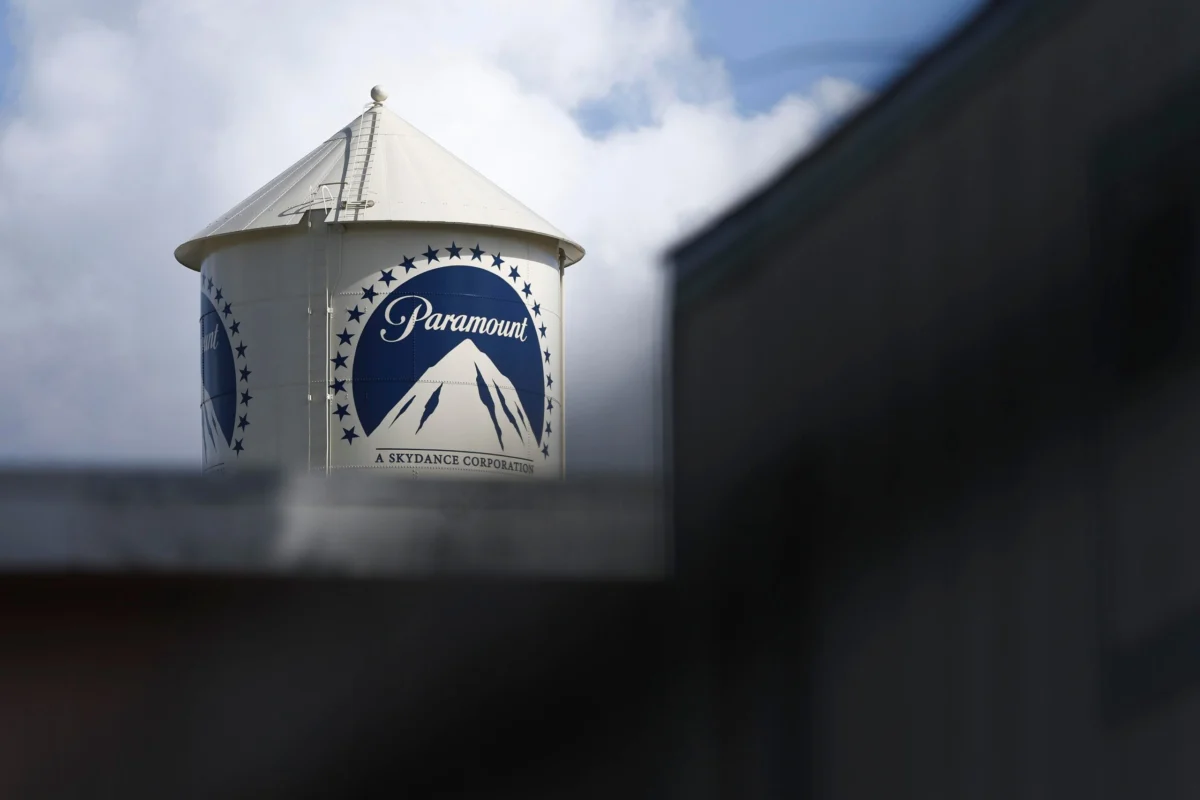
The high-stakes proposed $110 billion merger between media giants Paramount and Warner Bros. Discovery hit a significant roadblock this week when a federal judge issued a temporary restraining order (TRO), halting the transaction for two weeks. This initial ruling, stemming from an antitrust lawsuit filed by a coalition of 12 Democratic state attorneys general, marks a crucial early victory for those opposing the consolidation, signaling potential long-term legal battles and substantial financial implications for Paramount.
U.S. District Judge Araceli Martinez-Olguin delivered the temporary restraining order on Monday, effectively barring Paramount from advancing with the merger for a fortnight. The order sets the stage for a more extensive hearing scheduled for August 3, where Judge Martinez-Olguin will deliberate on whether to impose a more lasting preliminary injunction that could indefinitely pause the deal while the underlying antitrust litigation unfolds. Such an injunction could potentially delay the merger for years, introducing significant uncertainty and financial strain.
While Judge Martinez-Olguin’s Monday decision did not definitively rule on the legality of the Paramount-Warner Bros. Discovery merger, her written order conveyed considerable skepticism regarding the deal’s compliance with antitrust regulations. She stated that the plaintiff states had made a “strong showing that the Transaction will substantially lessen competition” and had “raised serious questions about the merits of their antitrust claim.” This language indicates a preliminary assessment that the proposed merger carries a high risk of violating laws designed to prevent monopolies and ensure fair market competition.
The lawsuit brought by the coalition of 12 state attorneys general argues that combining Paramount, known for its extensive film and television content, cable networks like MTV and Comedy Central, and its streaming service Paramount+, with Warner Bros. Discovery, which boasts HBO, CNN, Warner Bros. film studios, and its Max streaming service, would create an entity with undue market power. Critics contend that such a consolidation could lead to reduced consumer choice, higher prices for streaming services and content, and diminished opportunities for creative professionals within the entertainment industry.
The financial ramifications for Paramount if the merger is delayed or ultimately scuttled are substantial. Under the terms of its agreement with Warner Bros. Discovery, Paramount is contractually obligated to pay a "ticking fee" of $0.25 per day per share to Warner Bros. Discovery shareholders if the deal fails to close by September 30. This clause translates into an estimated cost of $650 million per quarter, or approximately $7 million every day, adding immense pressure on Paramount to finalize the transaction swiftly. Furthermore, if the deal collapses due to regulatory hurdles, Paramount has agreed to pay a staggering $7 billion termination fee. These penalties underscore the enormous financial risk Paramount shoulders as the legal challenges mount.
In response to the temporary restraining order, Paramount released a statement expressing gratitude for the judge’s swift action in the case. The company reiterated its confidence that “the evidence will demonstrate that the State AGs’ antitrust arguments are without merit.” Paramount staunchly defended the merger, asserting that it is “lawful, pro-competitive, and will benefit consumers, creators, workers, and the entertainment industry.” The media giant pledged to “vigorously defend the transaction” and expressed anticipation for the upcoming hearings on the substance of the state attorneys general’s legal action.
Judge Martinez-Olguin’s ruling also touched upon the balance of equities, dismissing arguments that a delay would cause immediate financial harm to Paramount. She explicitly noted, “Even if Defendants argued that they would suffer economic harm as a result of delaying the merger, the equities do not weigh in their favor when contrasted with the potential public harms that would result from consummation of the Transaction, including the loss of competition.” This statement reinforces the court’s priority of protecting public interest and market competition over the immediate financial concerns of the merging corporations.
Paramount has previously estimated that the combined entity with Warner Bros. Discovery would realize approximately $6 billion in savings by integrating their assets. This projected synergy highlights the strategic importance of the merger for both companies in an increasingly competitive and consolidating media landscape. The potential loss of these anticipated savings, coupled with the substantial fees, adds another layer of financial pressure if the deal is prolonged or ultimately blocked.
The antitrust lawsuit from the state attorneys general is not the only legal challenge facing Paramount’s proposed merger. The deal, initially announced in February after Netflix reportedly withdrew its bid to acquire Warner Bros. Discovery, has drawn widespread scrutiny from various stakeholders. Paramount+ subscribers have also filed a lawsuit, expressing concerns that a reduction in competition resulting from the merger could lead to higher subscription prices and fewer content options.
Adding to the chorus of opposition, the Writers Guild of America (WGA) filed its own lawsuit last week. The influential union for film and television writers argues that the merger would severely harm its members by reducing competition among employers, leading to decreased pay and fewer employment opportunities. The WGA’s statement emphasized that a potential merger would mean “writers will be paid less and have fewer employment opportunities,” highlighting the impact on creative labor.
Paramount has consistently defended the merger against these criticisms, maintaining that the combined entity would be “pro-competitive.” The company argues that a larger, more integrated media company is necessary to effectively compete with other dominant players in the entertainment and streaming industries, such as Netflix, Apple, and Disney. This argument frames the merger as a strategic move to create a more robust competitor in a rapidly evolving global market.
Notably, the state attorneys general’s lawsuit emerged despite the U.S. Justice Department having greenlighted the Paramount-Warner Bros. Discovery merger in June, with no conditions attached. The Justice Department, under the Trump administration, concluded that the deal was “not likely to result in harm to competition or American consumers.” This divergence in opinion between federal and state antitrust enforcement bodies has drawn attention, particularly given reported ties between Paramount CEO David Ellison and the former president.
Adding a layer of intrigue, David Ellison and his father, Larry Ellison, are currently facing a separate lawsuit from a Paramount investor. This lawsuit alleges that the Ellisons engaged in "side dealings" with the government to secure approval for the merger. Paramount has strongly denied these allegations, but they contribute to the complex web of legal and political challenges surrounding the proposed consolidation.
The upcoming hearing on August 3 will be pivotal. Should Judge Martinez-Olguin issue a more lasting preliminary injunction, the Paramount-Warner Bros. Discovery merger could face an extended period of uncertainty, potentially stretching for years as the litigation proceeds through the courts. Such a prolonged delay would continue to accrue significant costs for Paramount and could ultimately lead to the deal’s collapse, reshaping the landscape of the global entertainment industry. The legal battle underscores the increasing scrutiny that large-scale media mergers face from antitrust regulators and public interest groups, reflecting a growing concern over market concentration and its potential impact on consumers and creators alike.