 11
11 1
1 2
2 3
3
Atlassian has officially unveiled a significant expansion of its philanthropic initiatives, offering its comprehensive "Teamwork Collection" at no cost to eligible nonprofit organizations and social enterprises. This strategic move, facilitated through the Atlassian Foundation, aims to bridge the digital divide by providing social impact teams with the same high-level collaboration and productivity tools used by the world’s leading technology companies. Under the new "Social Impact License"—formerly known as the Community License—eligible organizations can now access a suite of premium software tools for up to 25 users at a 100% discount. This initiative is built on the core philosophy that the world’s most pressing challenges require superior teamwork, and that by streamlining internal operations, social enterprises can redirect their limited resources toward their primary missions.
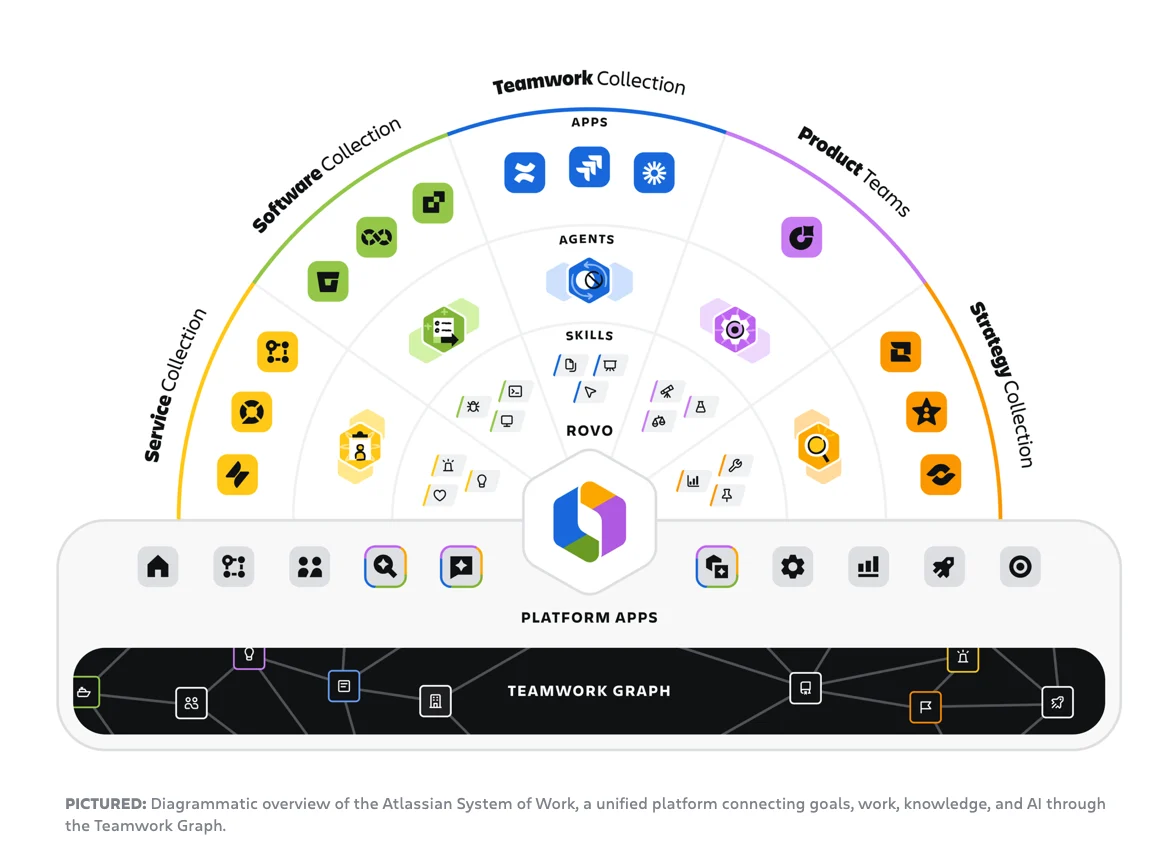
The cornerstone of this announcement is the inclusion of the Teamwork Collection, a curated selection of Atlassian’s most effective collaboration apps. By removing the financial barrier to these tools, the Atlassian Foundation intends to empower teams to plan, track, and execute complex projects with greater efficiency. The collection includes several industry-standard platforms, each serving a distinct purpose in the modern digital workspace. Jira, widely recognized as a leader in project and issue tracking, allows teams to manage workflows and maintain transparency across various departments. Confluence serves as a centralized knowledge management hub, enabling organizations to capture collective wisdom and document strategies in a searchable, collaborative environment. Trello provides a visual framework for task management, which is often utilized by smaller teams or for specific campaign planning. Additionally, Loom has been integrated into the offering, providing asynchronous video messaging capabilities that help reduce the need for synchronous meetings while maintaining a high level of personal connection among remote or distributed teams.
A notable addition to this year’s rollout is the inclusion of Atlassian Rovo, the company’s sophisticated artificial intelligence designed for the enterprise. Rovo incorporates AI-driven search, chat functionalities, and specialized agents to help users navigate vast amounts of internal data and accelerate decision-making processes. By including Rovo and other Atlassian platform apps in the free Social Impact License, the company is ensuring that nonprofits are not left behind in the rapid evolution of generative AI. These AI tools are designed to help social impact professionals find information across various applications more quickly and automate repetitive administrative tasks, thereby increasing the overall "teamwork intelligence" of the organization.
The Atlassian Foundation’s decision to evolve its discount structure was heavily influenced by feedback from the global social impact community. Recognizing that organizations operating in different economic contexts face varying levels of financial strain, Atlassian has introduced the "Global Access" discount. This new tier specifically targets eligible nonprofits and social enterprises registered in low or lower-middle-income countries, as defined by the World Bank’s economic classifications. For these organizations, the standard social impact discount has been increased. While the general social impact discount for Standard and Premium editions of Atlassian Cloud and Marketplace apps is typically 75% off, the Global Access discount elevates this to 85% off. This adjustment is intended to make advanced features and third-party integrations more accessible to those working on the front lines of the world’s toughest challenges in under-resourced regions.
Beyond the provision of software licenses, Atlassian for Nonprofits is emphasizing a holistic support system designed to ensure that these tools are implemented and optimized effectively. The company acknowledges that providing software is only the first step; the true value is realized when teams understand how to adapt these tools to their specific organizational needs. To facilitate this, the Atlassian Foundation offers a range of free support services, including dedicated events, educational resources, and peer learning opportunities. These resources are designed to help nonprofit leaders move beyond basic usage and toward high-performance collaboration. The initiative also fosters a community of practice, allowing social impact professionals to share best practices and solve common operational hurdles collectively.
The scale of Atlassian’s current impact in the social sector is already substantial, with approximately 190,000 social impact professionals currently utilizing Atlassian tools to drive their missions forward. The company has highlighted several case studies to illustrate the practical benefits of its software in the nonprofit sector. For instance, Braven, an organization dedicated to helping underrepresented college students navigate the transition to high-impact careers, utilizes Confluence to manage its internal knowledge base. By centralizing its documentation, Braven ensures that its staff and volunteers have immediate access to the information needed to support their students, thereby maintaining consistency and scaling their operations.
Similarly, the Aurora Education Foundation has integrated Jira into its core operations to track student success and manage educational programs. For Aurora, Jira acts as a mission-critical tool that allows the foundation to empower Indigenous students by providing a clear, data-driven view of their progress and the support services required. Another example is Humanitix, a social enterprise ticketing platform that directs 100% of its profits to charity. Humanitix utilizes Loom to move work forward more efficiently, using asynchronous video to communicate complex ideas and updates across its global team without the scheduling conflicts inherent in traditional meetings. These examples serve as a roadmap for other organizations, demonstrating how digital transformation can lead to tangible social outcomes.
The Atlassian Foundation’s commitment to "1% of product, 1% of equity, 1% of profit, and 1% of employee time" remains the bedrock of these efforts. By expanding the Teamwork Collection and increasing global discounts, the company is doubling down on its belief that the social sector deserves the same caliber of technology as the private sector. The transition from the "Community License" to the "Social Impact License" is more than a name change; it represents a more inclusive approach that specifically welcomes social enterprises—businesses that operate with a primary social or environmental mission—alongside traditional 501(c)(3) style nonprofits.
The eligibility for these 100% discounts is focused on organizations with 25 users or fewer, a threshold that covers a vast majority of the world’s grassroots and mid-sized nonprofit entities. For organizations that exceed this user count, the deep discounts on Cloud Standard and Premium tiers remain a vital resource for scaling their impact. The inclusion of Marketplace apps in the Global Access discount is also a significant development, as it allows nonprofits to customize their Atlassian environment with specialized tools for time tracking, reporting, and security without incurring prohibitive costs.
In summary, the latest announcement from Atlassian for Nonprofits represents a comprehensive upgrade to its support for the social sector. By providing the Teamwork Collection at no cost, introducing AI capabilities through Rovo, and deepening discounts for organizations in developing economies, Atlassian is positioning itself as a primary partner for social impact teams globally. The initiative is designed to remove the "administrative tax" often paid by nonprofits due to inefficient systems, allowing them to focus on building a better world through improved collaboration and streamlined operations. As social impact teams continue to tackle global crises—from education inequality to environmental conservation—the availability of these professional-grade tools at no cost provides a significant boost to their operational capacity and long-term sustainability. Organizations interested in these offerings are encouraged to explore the Atlassian for Nonprofits resource hub to learn more about eligibility, implementation strategies, and the success stories of their peers in the social impact space.