 11
11
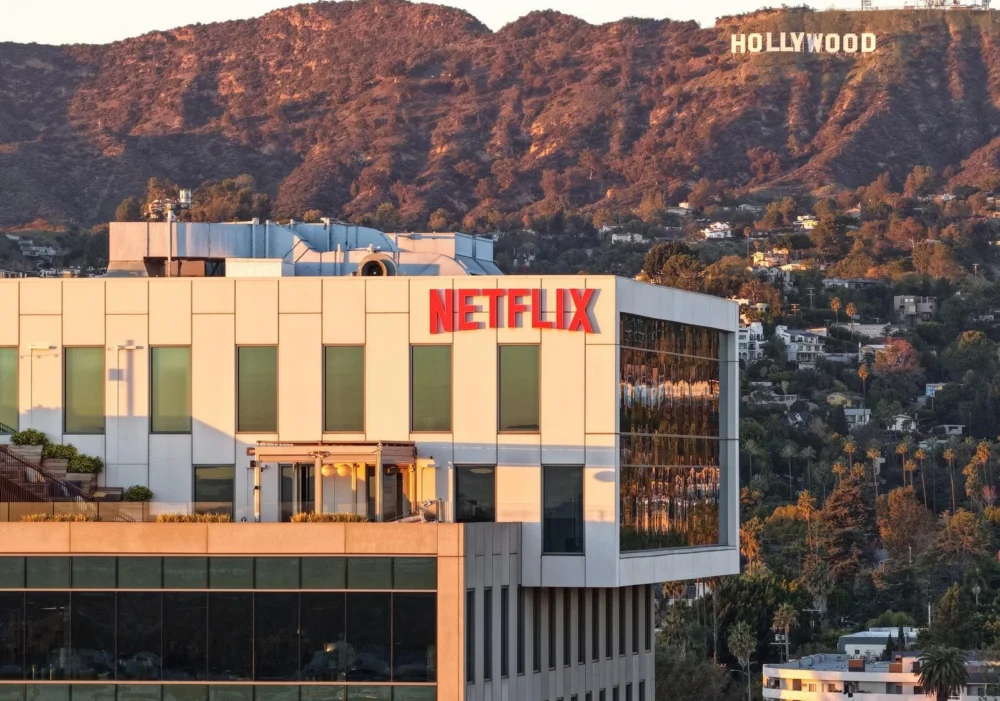
Late Saturday, Bloomberg reported that the United States Department of Justice (DOJ) has launched an investigation into Netflix Inc.’s proposed acquisition of Warner Bros. Discovery Inc. This inquiry reportedly includes specific scrutiny of whether the streaming giant’s operational practices and market position afford it anticompetitive leverage over content creators and filmmakers. If confirmed, this investigation would likely fall under Section 2 of the Sherman Act, focusing on potential monopolization, a standard line of inquiry for the DOJ when examining large-scale mergers within concentrated industries.
The Justice Department’s role in merger reviews is fundamentally to safeguard competition, ensuring that significant transactions do not lead to monopolies or substantially lessen competition, which could harm consumers through higher prices, reduced innovation, or fewer choices. Section 2 of the Sherman Act specifically targets monopolization, attempts to monopolize, or conspiracies to monopolize any part of trade or commerce. This often involves assessing a company’s market power, its intent, and whether it has engaged in exclusionary conduct that harms competition rather than being the result of superior products or business acumen. In the context of the entertainment industry, "anticompetitive leverage over creators" could imply a variety of concerns, such as the ability to dictate unfavorable terms for content acquisition, stifle independent production, or create barriers to entry for new creative talent, ultimately impacting the diversity and availability of content for consumers.
In immediate response to the Bloomberg report, two executives representing Netflix issued statements to clarify the company’s position and address the allegations. David Hyman, Netflix’s Chief Legal Officer, firmly asserted, "Netflix operates in an extremely competitive market." He further stated, "Any claim that it is a monopolist, or seeking to monopolize, is unfounded. Our success stems from innovation and investment that benefit consumers. We neither hold monopoly power nor engage in exclusionary conduct and we’ll gladly cooperate, as we always do, with regulators on any concerns they may have." Hyman’s comments highlight Netflix’s consistent argument that the streaming landscape is fragmented and fiercely competitive, with numerous powerful players like Disney+, Amazon Prime Video, Max (owned by Warner Bros. Discovery), Apple TV+, Hulu, and Peacock vying for subscribers and content. The company posits that its growth and market share are a direct result of continuous innovation in technology, user experience, and a significant investment in a diverse range of original programming, all of which are ultimately beneficial to consumers.
Adding to Netflix’s defense, Steve Sunshine, head of Skadden’s Global Antitrust/Competition Group and a legal representative for Netflix, noted, "We have not been given any notice or seen any other sign that the DOJ is conducting a monopolization investigation." This statement suggests a degree of surprise or a lack of formal communication regarding a Section 2 inquiry specifically, implying that any current engagement with the DOJ is likely part of the standard merger review process rather than a standalone monopolization probe.
To fully grasp the implications of these developments, it is crucial to understand the intricate regulatory process governing large corporate mergers, particularly within the United States. When two companies announce their intention to merge, the transaction cannot officially close until a series of critical steps are completed. These typically include approval from the respective companies’ boards of directors and shareholders. Crucially, the deal must also clear various antitrust hurdles, not only in the United States but also from regulatory agencies in other international jurisdictions where the combined entity would operate, given the global nature of companies like Netflix and Warner Bros. Discovery.
Focusing specifically on the U.S. regulatory framework, a significant threshold is triggered when a merger is valued at more than $200,000,000. This valuation mandates adherence to what is known as the "Hart-Scott-Rodino (HSR) process," established by the Hart-Scott-Rodino Antitrust Improvements Act of 1976. This pre-merger notification program requires companies involved in mergers, acquisitions, and other transactions meeting certain thresholds to provide extensive documentation to antitrust officials at either the Department of Justice or the Federal Trade Commission (FTC). The primary objective of the HSR process is to allow these federal agencies to review the proposed transaction for potential antitrust violations before it is consummated, thereby preventing anticompetitive mergers from taking effect.
The comprehensive paperwork required under HSR includes detailed business plans, market analyses, financial projections, internal communications related to the merger’s rationale, and information on how the combined company might impact competition in various markets. The merging parties are also expected to identify any areas where the transaction might raise antitrust concerns and propose specific remedies or commitments to mitigate those issues. These remedies can sometimes involve agreeing to divest certain subsidiaries, sell off specific assets, or provide competitors with access to critical information or markets. Such measures are designed to prevent the newly merged entity from achieving or enhancing monopolistic power or engaging in exclusionary behavior that could harm competition.
Once the HSR paperwork is filed, a statutory 30-day waiting period commences before the merger can proceed. During this initial period, antitrust enforcers have several options. They can choose to terminate the waiting period early, or, more commonly, they may issue a "second request." A second request is a formal demand for additional information and documents, indicating that the initial filing has raised sufficient concerns to warrant a deeper investigation. This "second request process" is often the most complex and resource-intensive phase of merger review. It effectively stops the initial 30-day waiting period until the companies have provided all the requested information, which can be voluminous and highly sensitive. These "second requests" often lead to expensive and protracted negotiations between the merging companies and the government regarding the scope of the information to be provided, the timeline for submission, and potential remedies to address identified competitive concerns.
A crucial nuance in the HSR process involves the type of consideration in the merger. All-cash offers typically benefit from a shorter, 15-day waiting period for antitrust complaints to be filed by the DOJ, with the clock starting the moment the merger deal is signed. However, the original report indicates that the Netflix/Warner Bros. Discovery merger agreement, while "mostly, but not entirely, an all-cash deal," falls under the standard 30-day waiting period. Netflix has publicly acknowledged that the DOJ has issued a second request for additional information. However, it remains unclear whether all the requested material has been fully supplied to the DOJ or if that process is still ongoing. Once antitrust regulators deem that they have received everything they requested, the 30-day waiting period (or the remaining portion thereof) resumes. Federal officials then have until this window closes to file a lawsuit to block the merger if they determine it violates antitrust statutes.
The current situation with the Netflix/WBD merger also intersects with a rival bid for Warner Bros. Discovery. Just last week, Paramount Skydance announced that its offer to acquire Warner Bros. Discovery had successfully cleared DOJ scrutiny and received approval in the United States. This development carries significant implications: if the Warner Bros. Discovery board were to reconsider its direction and opt to approve the Paramount Skydance offer, that merger could potentially close immediately within the United States, circumventing the ongoing antitrust review faced by Netflix.
The involvement of Makan Delrahim in the Paramount Skydance bid adds another layer of intrigue. Delrahim, who currently serves as Paramount Skydance’s main antitrust lawyer, previously held the position of Assistant Attorney General for Antitrust during the Trump administration. Notably, he presided over the DOJ’s approval of the Sprint/T-Mobile merger, a deal that faced significant opposition from several state attorneys general who subsequently filed lawsuits to block it. While individual state attorneys general retain the power to file lawsuits to block mergers, such cases are rarely successful, especially when the federal government has already approved the transaction. Even when states do achieve a legal victory, it often occurs years after the merger has already closed, rendering the lawsuit largely symbolic or ineffective in unwinding the deal. Delrahim’s experience in navigating complex, multi-jurisdictional antitrust challenges could be a strategic asset for Paramount Skydance.
Despite the catchy headlines surrounding the reported monopolization probe, the prevailing understanding among industry observers is that the antitrust questions being raised are likely a standard component of the "second request" process. Such inquiries are routine for mergers of this magnitude and are designed to thoroughly evaluate all potential competitive impacts.
The competitive landscape for Warner Bros. Discovery remains dynamic. The newly carved-out 7-day window for reopening negotiations between Paramount Skydance and Warner Bros. Discovery is set to close at midnight on Monday. This deadline likely explains the timing of these stories leaking to the press over the weekend, as both sides seek to influence the WBD board’s final decision. Should the WBD board ultimately stick with Netflix, there will likely be no further public guidance on the progress with antitrust enforcers until they either formally approve the deal or announce their intention to challenge it in court.
Beyond U.S. borders, the proposed merger will also face intense scrutiny from European regulators. Both Netflix and Paramount Skydance are global players, and any significant acquisition involving them would require approval from the European Commission, which acts as the primary antitrust authority for the European Union. Given the size and market reach of these companies, both bids are anticipated to face substantial challenges in securing European approval, likely involving detailed reviews of market concentration, impact on consumer choice, and potential effects on local content production and distribution across the diverse European markets.