 11
11
As of July 2025, ChatGPT is processing an astounding 2.5 billion prompts per day, a figure that represents a significant 18% of Google’s 13.7 billion daily searches, according to data from January 2025. This rapid ascent positions ChatGPT not merely as a conversational AI but as a burgeoning force in the information-seeking landscape, directly competing with the long-standing reign of search engines. While the sheer volume of queries is comparable, the fundamental ways users interact with these platforms reveal a stark difference in their underlying business models. Google acts as a conduit, directing users to external websites, whereas ChatGPT aims to retain users within its conversational interface, potentially reshaping the future of online traffic and website visibility.
A detailed analysis, comparing ChatGPT and Google across several key metrics—including search volume, areas of overlap, website traffic generation, and click-through rates (CTR)—underscores this divergence. The core takeaway from the data suggests a fundamental shift: Google connects users to the broader web, while ChatGPT seeks to provide comprehensive answers internally. This presents a potential challenge to website owners if AI-driven information retrieval becomes the dominant paradigm for online search.
Daily Volume Comparison: A New Contender Emerges
The scale of daily interactions is illuminating. Google handles an immense 13.7 billion searches daily, culminating in over 5 trillion annual searches, as per Google’s internal data from January 2025. In contrast, ChatGPT’s daily prompt volume of 2.5 billion translates to approximately 912 billion prompts annually. This daily figure for ChatGPT is derived from an estimated 18 billion messages processed weekly as of July 2025. While Google’s annual search volume remains substantially larger, ChatGPT’s daily prompt numbers place it on a comparable scale to established search engines.
Defining "Search" in the Age of AI
A critical question arises: how much of ChatGPT’s usage can be accurately categorized as "search"? Research from OpenAI and Harvard, analyzing 1.5 million conversations, indicates that 24% of ChatGPT prompts are pure search queries, while an additional 51.6% fall under "asking intent." Asking intent encompasses user interactions seeking advice, perspectives, or information to inform judgment, rather than direct task delegation.
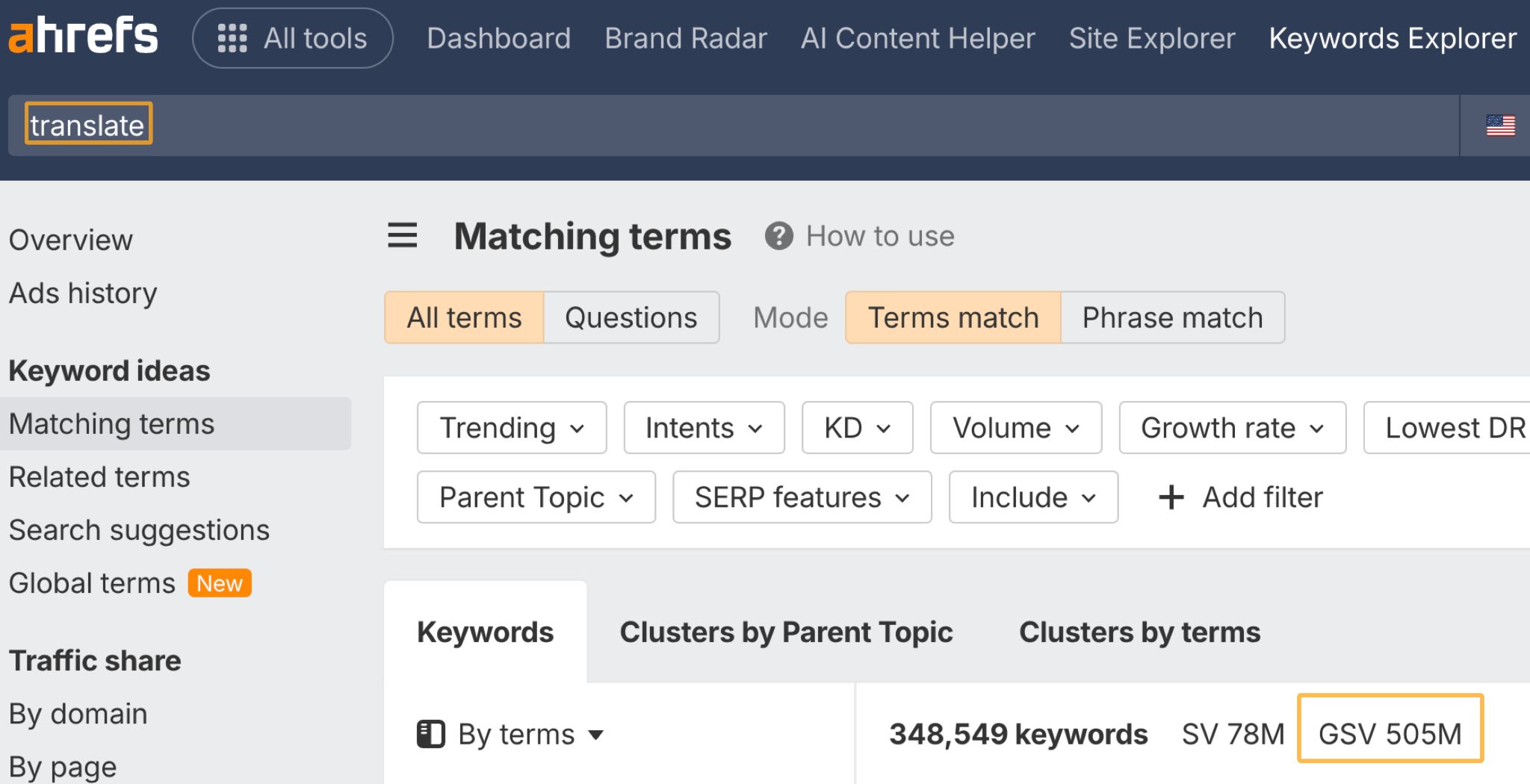
However, a broader interpretation is necessary to accurately compare with Google’s functionalities. The study’s categorization may not fully capture the spectrum of user needs addressed by ChatGPT that were previously met through traditional search engines. For instance, functions like translation, calculations, and even coding assistance, which are often considered separate categories in such analyses, have historically been integral parts of what users search for on Google. The visual evidence of hundreds of millions of monthly searches on Google for translation tasks exemplifies this overlap.
Based on a comprehensive review of user interactions, an estimated 65% of ChatGPT prompts can be classified as queries that were traditionally directed to Google. This higher estimate, informed by broader data access, suggests that ChatGPT is capturing a significant portion of traditional search intent. Under this classification, ChatGPT handles approximately 1.625 billion prompts daily that align with traditional search behaviors, representing about 11.86% of Google’s total search volume. This volume is remarkable, surpassing the daily search volume of established search engines like Bing, which reportedly handles around 1.2 billion searches per day.
Website Traffic: A Tale of Two Models
The impact on website traffic presents a stark contrast between Google and ChatGPT, as evidenced by data from Ahrefs Web Analytics across 76,000 websites. Google remains the dominant referrer, accounting for nearly 40% of website traffic. In comparison, ChatGPT currently contributes only 0.21% of website traffic, meaning Google sends approximately 190 times more traffic to websites than ChatGPT. This disparity highlights the fundamental difference in how these platforms serve user needs. Google’s model is inherently tied to directing users to external sources, thereby driving traffic to websites. ChatGPT, by contrast, excels at providing direct answers and completing tasks within its own environment, minimizing the need for users to leave the platform.
Click-Through Rate (CTR) Discrepancies
The difference in click-through rates further illuminates the distinct user journeys on Google and ChatGPT. Using the formula: Estimated CTR = (Traffic Share % / Daily Queries in billions) ÷ 10, a significant divergence emerges. Google exhibits an estimated CTR of 29.2%. When analyzing ChatGPT’s performance across different usage classifications, the CTR is substantially lower. For "pure search" queries, the CTR is estimated at 3.5%, which is 88% lower than Google’s. For "asking intent" queries, the CTR drops to 1.6%, 94% lower than Google. Even with the broader classification of 65% of prompts as traditional search, the estimated CTR remains at 1.3%, representing a 96% decrease compared to Google. When considering all of ChatGPT’s usage, the estimated CTR falls to 0.84%, a 97% reduction from Google’s benchmark. This low CTR for ChatGPT signifies that a vast majority of users receive their answers directly from the AI, without needing to click through to external websites.
Conclusion: A Shifting Digital Landscape
In summary, Google continues to hold a commanding position in the search market, processing 5.5 times more daily activity than ChatGPT. However, ChatGPT has demonstrated an extraordinary ability to penetrate the search landscape in a remarkably short period, even surpassing established rivals like Bing. The critical question for the future revolves around the sustainability of this model for website owners. Whether the significant reduction in referral traffic from AI-driven platforms will be tolerated by website creators, or if there will be a pushback against this shift in search behavior, remains to be seen. The fundamental difference in their business models—Google as a traffic driver versus ChatGPT as an information provider—sets the stage for a potentially disruptive transformation in how users access information and how websites derive their audience.