 11
11
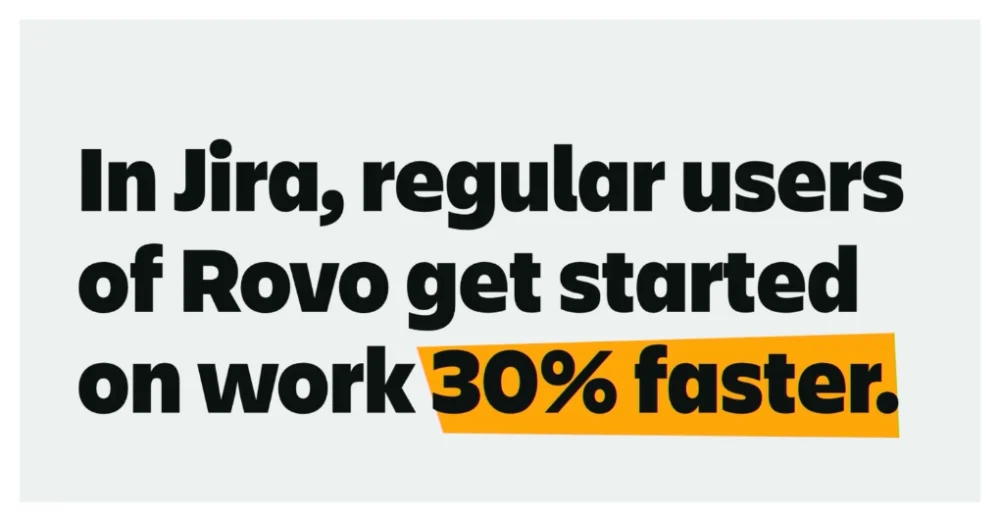
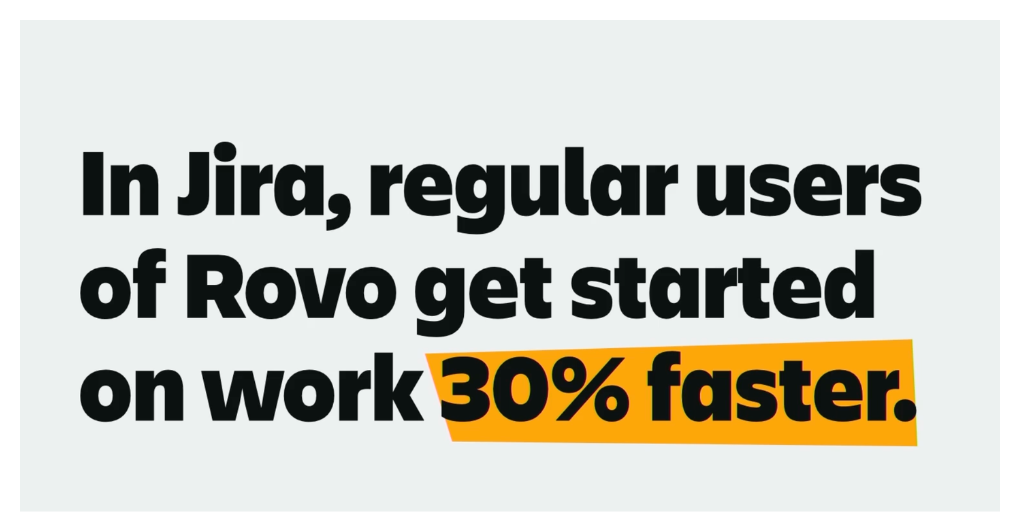
Atlassian has released the findings of a comprehensive year-long study into the impact of its Rovo AI capabilities on user productivity within Jira, concluding that the integration allows teams to recover approximately one day of work every month. The internal analysis, which monitored the usage patterns of a subset of Rovo’s three million users, indicates that those utilizing AI-driven features started work 30% faster than those relying on traditional manual workflows. These findings suggest a significant shift in the project management landscape, where generative AI is moving from a speculative tool to a quantifiable driver of operational efficiency.
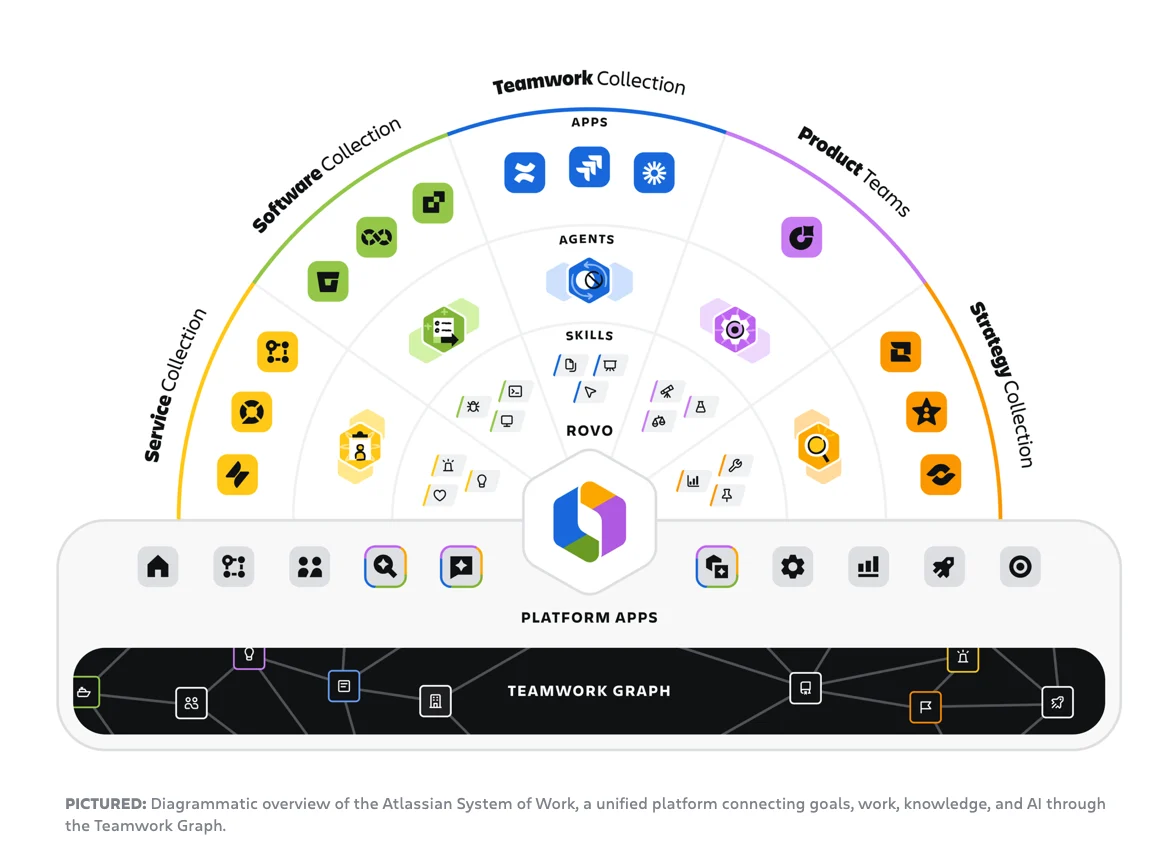
The study centered on Rovo, Atlassian’s specialized AI application designed to operate across its entire suite of products. Within the Jira environment, Rovo is engineered to alleviate the "cold start" problem—the friction associated with initiating new tasks, gathering context, and organizing complex backlogs. By analyzing how users interact with these capabilities, Atlassian sought to move beyond anecdotal evidence of AI benefits toward a data-backed understanding of how machine learning impacts the software development lifecycle (SDLC).
To understand the productivity gains, it is necessary to examine the specific AI capabilities Rovo introduces to the Jira platform. Rovo operates as a layer of intelligence that connects disparate data points across the Atlassian ecosystem. Its primary functions include the ability to create work items from any location within the suite, build complex automations using natural language, provide instant context to existing Jira issues, and decompose large-scale projects into manageable tasks.
One of the most utilized features identified in the study is the "contextualization" capability. In a standard project management environment, a user often spends significant time navigating between various documents, Confluence pages, and previous Jira tickets to understand the requirements of a new task. Rovo AI streamlines this by synthesizing relevant information and presenting it directly within the work item. Furthermore, the tool’s ability to break down large projects allows project managers to convert high-level epics into actionable stories and sub-tasks with a single prompt, significantly reducing the administrative overhead traditionally associated with sprint planning.

Atlassian’s research team acknowledged that defining "productivity" within Jira is a complex challenge. Because Jira tracks the entire lifecycle of a work item—from initial conception and planning to execution, testing, and maintenance—there are hundreds of potential metrics to monitor. Traditional metrics, such as the total time between ticket creation and ticket closure, are often "noisy" and influenced by external factors like stakeholder approval delays or changing business priorities.
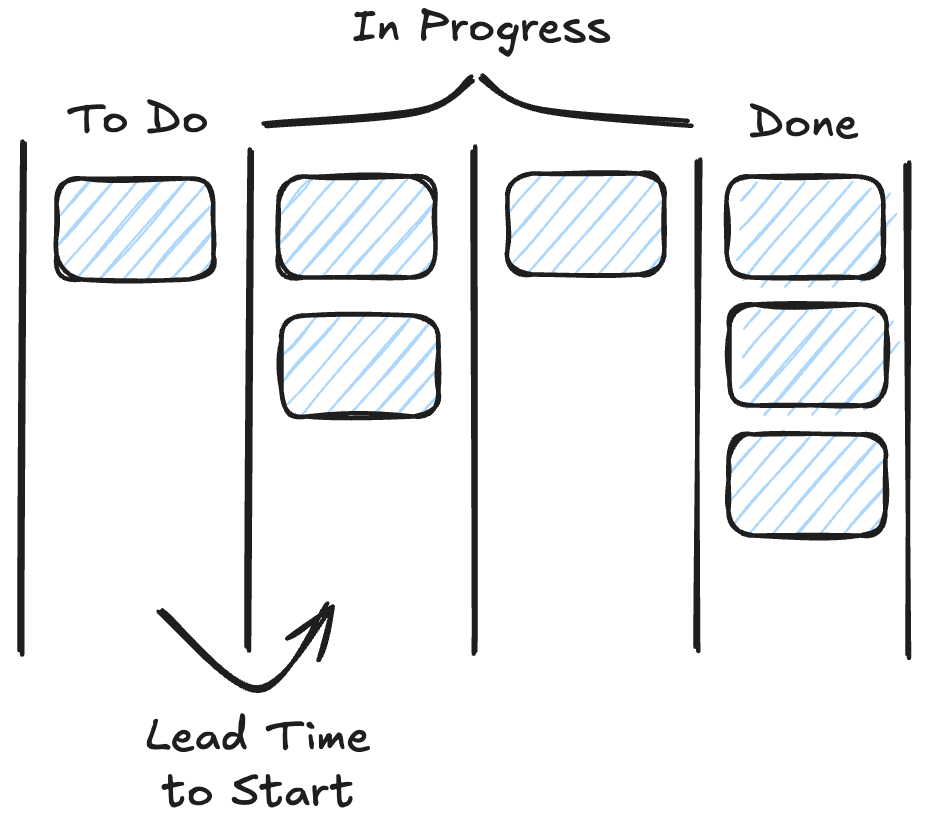
To achieve a cleaner data set, the researchers focused on two specific metrics: "Lead Time to Start" and "Work Volume." Lead Time to Start was defined as the duration between the creation of a Jira work item and the moment it first moves from a "To Do" status category into an "In Progress" status category. By focusing on this specific transition, the study isolated the "activation energy" required to begin work.
The researchers utilized Jira’s standard status categories—To Do, In Progress, and Done—to maintain consistency across different team configurations. While individual teams may have customized boards with dozens of unique columns (such as "In Review" or "Waiting for QA"), these are all mapped back to the three core categories. The study specifically tracked the first time an item entered the "In Progress" category to account for items that might occasionally move backward in a workflow due to blocked dependencies.
The study employed a quasi-experimental approach to compare two distinct cohorts: a "test" group consisting of users who adopted Rovo’s AI capabilities in Jira, and a "control" group of users who did not. Unlike a traditional randomized controlled trial, a quasi-experiment does not involve random assignment. To ensure the comparison remained valid, the researchers implemented several rigorous filters and controls.
Both groups were limited to active Jira users who were not Atlassian employees. The analysis was restricted to users who interacted with Jira at least ten times over a 90-day period to ensure the data reflected regular professional usage rather than occasional or trial activity. Furthermore, the study controlled for the number of Jira sites a user had access to and their specific level of activity within the platform.
A critical component of the methodology was the creation of a normalized timeline. The researchers defined "Day 0" as the date a user first engaged with Rovo’s AI features in Jira. They then monitored the user’s performance through "Day 45." To create a fair comparison for the control group—who never used the AI—the researchers took the "Day 0" dates from the test group, shuffled them, and assigned them to members of the control group. This ensured that the temporal distribution was identical for both cohorts, accounting for seasonal fluctuations or software update cycles that might otherwise skew the results.
The final analysis involved a two-sided t-test with a significance level of 0.05 and a power of 0.8, providing a high degree of statistical confidence in the findings.
The results of the analysis revealed two primary areas of improvement for AI adopters. First, there was a 30% increase in the volume of work reaching the "In Progress" stage. Users who integrated Rovo AI into their daily routines were able to move significantly more tasks out of the backlog and into active development within the 45-day window. In contrast, the control group showed no statistically significant change in their throughput during the same period.
Second, and perhaps more importantly, the study found that users started work 35% faster. This reduction in Lead Time to Start represents a substantial decrease in the time a task sits idle in the "To Do" column. When translated into a standard work schedule, a 35% reduction in the time taken to initiate tasks equates to a savings of approximately one full work day every 28 days.
This "extra day" of productivity provides teams with the capacity to engage in high-value activities that are often sidelined due to time constraints. Atlassian suggests that this reclaimed time is frequently redirected toward "Team Playbook" activities, such as retrospectives, team health checks, and strategic planning sessions, which contribute to long-term organizational health and project quality.
The findings from this study suggest that the primary value of AI in project management lies in its ability to reduce "administrative friction." By automating the synthesis of information and the creation of task structures, Rovo AI allows developers and project managers to bypass the most tedious aspects of their roles.
Atlassian has indicated that this study is merely the first phase of a broader research initiative into the real-world impact of AI. The company plans to expand its investigation to address qualitative questions, such as whether AI-assisted work items are written with higher clarity and whether the use of AI leads to smoother sprint cycles and more manageable boards.
The shift toward data-driven AI assessment reflects a growing demand among enterprise customers for proof of return on investment (ROI) regarding AI tools. As organizations continue to integrate large language models and autonomous agents into their "System of Work," the ability to quantify productivity gains—such as the 35% reduction in lead time identified in this study—will be essential for justifying the adoption of these technologies.
For now, the data suggests that for the three million users of Rovo, the integration of AI is not just a marginal improvement but a transformative shift that provides a tangible increase in the speed and volume of work produced. As Atlassian continues to refine these capabilities, the focus will remain on ensuring that AI delivers measurable, functional value to teams navigating the complexities of modern software development.