 11
11

In a significant operational shift presented at Atlassian’s Team Europe ’25 conference, Datasite, a leading provider of software solutions for the mergers and acquisitions (M&A) industry, revealed how it successfully overhauled its internal communication culture. By integrating Loom with Jira, Confluence, and the AI-powered Rovo—all components of Atlassian’s Teamwork Collection—the organization managed to offset more than 4,000 meetings within a five-month period. This transition not only reclaimed an estimated $500,000 in employee time but also fostered a new organizational philosophy termed "time empathy."
The impetus for this transformation stemmed from a common corporate malady: the "Tetris" calendar. At Datasite, leaders and teams frequently found themselves navigating days dominated by double- and triple-booked meetings. While these sessions were often viewed as essential for alignment, they systematically eroded the time required for "deep work." JR Harrell, Datasite’s Executive Vice President of Product Operations and Enablement, observed that while collaboration was occurring, it was happening at the expense of productivity and employee energy. The default response to any need for alignment had become the meeting invite, a systemic habit that Harrell identified as a barrier to true efficiency.
Datasite operates in the high-stakes environment of M&A, where the secure and rapid transfer of sensitive information is paramount. Because of the complexity and sensitivity of the work, meetings had historically been the primary mechanism for ensuring all stakeholders remained synchronized. However, a study from MIT Sloan highlighted a reality that Harrell was seeing in practice: excessive meetings often consume the majority of a workforce’s time without providing proportional value. To break this cycle, Datasite realized it did not just need fewer meetings; it needed a superior alternative that preserved the richness of human connection and context without the scheduling constraints of live interaction.
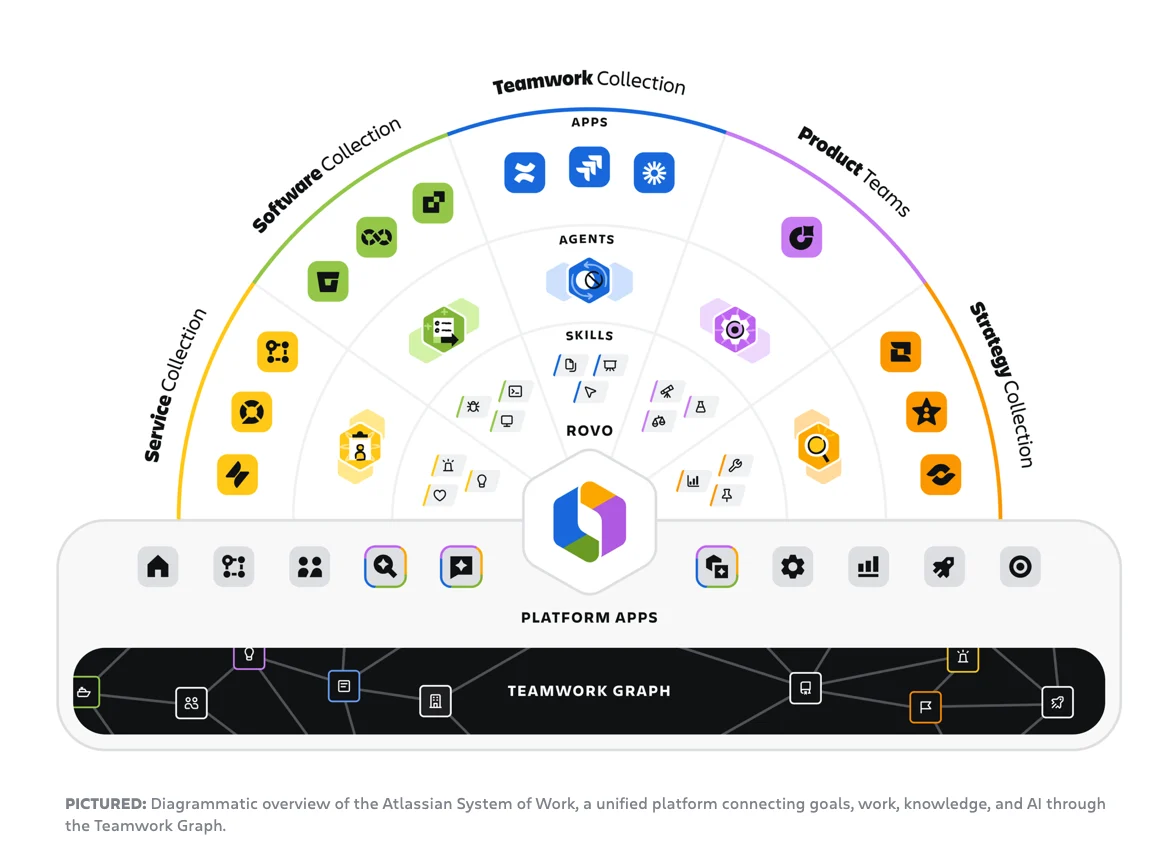
The solution was found in the Atlassian Teamwork Collection. Datasite, already a cloud-first customer utilizing Atlassian’s Strategy Collection, expanded its toolkit to include Loom, Jira, Confluence, and Rovo. The objective was to create a unified system of work where asynchronous communication felt as natural and effective as a live conversation. The rollout was treated not merely as a software implementation but as a fundamental cultural change.
Harrell emphasized that change management must begin at the executive level. To lead by example, he and other senior leaders, including the Chief Product Officer, began modeling asynchronous behaviors. Instead of scheduling calls for status updates or feedback, they began sending Loom videos. This top-down endorsement was critical in signaling to the rest of the organization that asynchronous work was not only acceptable but preferred.
To ensure the transition was seamless, Datasite prioritized the removal of technical friction. Loom access was configured via Single Sign-On (SSO), allowing employees to view and create videos with minimal clicks. This consumer-grade ease of use was vital in reducing resistance among the staff. Furthermore, Harrell utilized the "Crossing the Chasm" model to guide the rollout, focusing initially on innovators and early adopters within the company. By securing early wins and using internal analytics to track progress, the organization was able to build the momentum necessary to push the new workflow into the mainstream.
One of the most profound shifts resulting from this initiative is the concept of "time empathy." Harrell describes this as a conscious awareness of how one’s requests impact a colleague’s schedule. He noted that traditional calendaring has remained largely unchanged since the 1950s—a system where one person can unilaterally claim a block of another person’s time without knowing if they are in a "flow state" or working on a critical deadline. By choosing Loom over a meeting, employees at Datasite are now encouraged to "sharpen their pencils" and clarify their objectives before reaching out. This process of recording a video forces the sender to be more concise and outcome-oriented, which in turn respects the recipient’s time and focus.
The practical application of these tools is most visible in the integration of Loom with Jira and Confluence. In the engineering and product development departments, text-only bug reports and user stories often suffer from ambiguity. To solve this, Datasite teams now embed short Loom videos directly into Jira tickets. This allows developers to see the exact steps taken to reproduce a bug while hearing the narrator explain the nuances that might be lost in a written description. This "rich context" approach leverages both visual and auditory learning, which Harrell believes leads to better information retention and faster resolution times.
In one specific instance of AI-enhanced efficiency, a product marketer at Datasite identified a technical issue and recorded a Loom video rather than writing a manual bug report. Using the integration between Loom and Jira, the system automatically generated a structured bug ticket from the video content. Subsequently, a Rovo agent—Atlassian’s AI tool—scanned the ticket to ensure it met the company’s internal standards, flagging any missing information. This automated pipeline significantly reduced manual effort while maintaining high quality in documentation.
Similarly, Loom has transformed how Datasite utilizes Confluence. Static documentation is now frequently augmented with video walkthroughs, making complex processes easier to digest. Because Loom provides automatic transcripts of every video, these recordings are indexed within the "teamwork graph." This allows Rovo to surface video content as answers to employee queries, effectively creating a searchable, multimedia knowledge base that reduces the need for "walkthrough" meetings for new hires or project handoffs.
The impact on recurring meetings has been equally dramatic. Historically, Datasite held a monthly business review involving approximately 125 participants. Today, that meeting is restricted to a small group of key decision-makers. The full discussion is recorded via Loom, and Rovo is used to distill the session into its most critical points. The Head of Product then records a 15-minute Loom recap, which serves as the primary update for the broader audience. This shift alone has saved hundreds of man-hours every month by allowing the wider team to consume the necessary information asynchronously and at a higher playback speed if desired.
After five months, the data confirms the success of the strategy. Datasite has officially offset 4,050 meetings. By applying conservative estimates regarding the average length of a meeting, the number of participants involved, and their hourly rates, the company calculated a total saving of roughly half a million dollars. Beyond the financial metrics, the adoption rate has been impressive. Eleven teams currently utilize the full Teamwork Collection, and 29% of Loom users are classified as regular "recorders"—a figure that places Datasite in the "gold star" tier of Loom’s power users.
The language of the office has also evolved. "I will Loom that to you" has become a standard phrase among Datasite employees, indicating that asynchronous communication is now the default mode of operation. This cultural shift ensures that work continues to progress even when key stakeholders are traveling, attending conferences, or working across different time zones. Updates and decisions are no longer tethered to the availability of a free slot on a calendar.
For other organizations looking to replicate Datasite’s success, Harrell offers several practical lessons. First, view the transition as a change in work methodology rather than a simple software rollout. Leadership must be visible in their adoption of the tools to validate the change. Second, integrate video where work already happens—such as within Jira tickets or Confluence pages—to ensure it becomes an organic part of the workflow. Finally, empower employees to question the necessity of every meeting invite. By encouraging the use of Loom for updates and using AI like Rovo for summarization, organizations can build a culture of "time empathy" that prioritizes deep work and respects the cognitive load of the workforce. Through this strategic alignment of technology and culture, Datasite has demonstrated that it is possible to maintain high-speed collaboration while significantly reducing the meeting burden on its employees.