 11
11
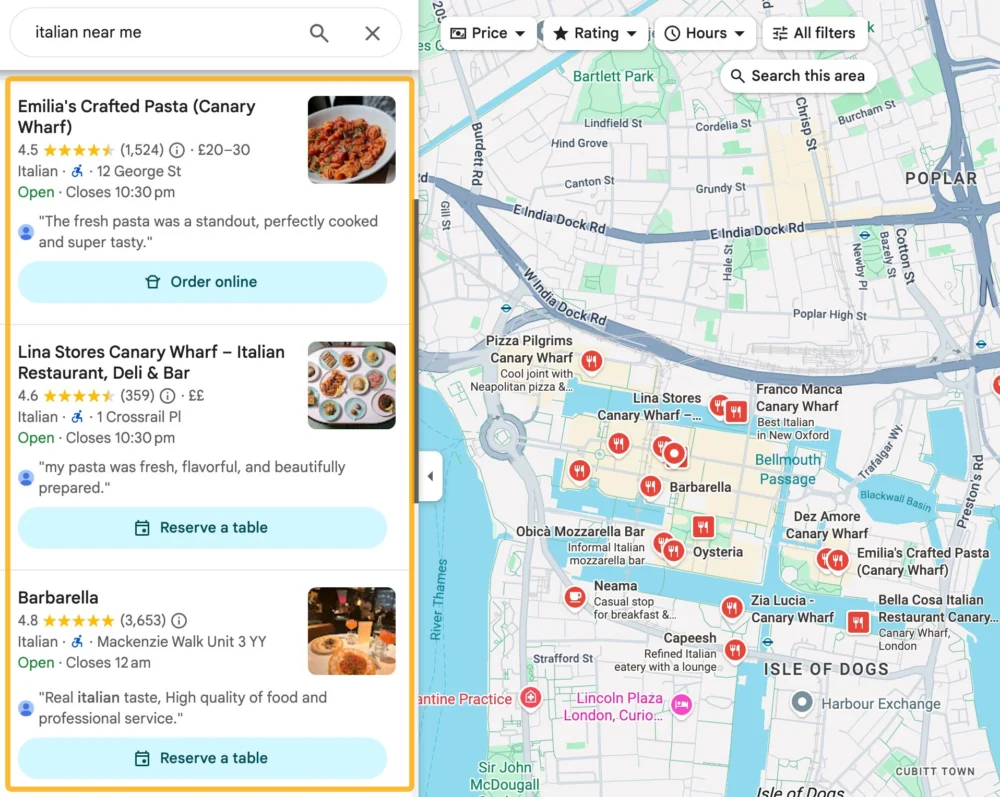
A perfectly optimized Google Business Profile (GBP) may sit dormant, verified and complete, yet businesses often find themselves invisible when potential customers search for local services like "pizza near me" or "plumber in London." This oversight allows competitors to capture valuable customers. The reality is that a mere presence on Google Business Profile doesn’t guarantee high rankings; proximity is just one of many factors Google considers. This guide outlines five key strategies to elevate your Google Maps ranking.
Understanding Google Maps SEO
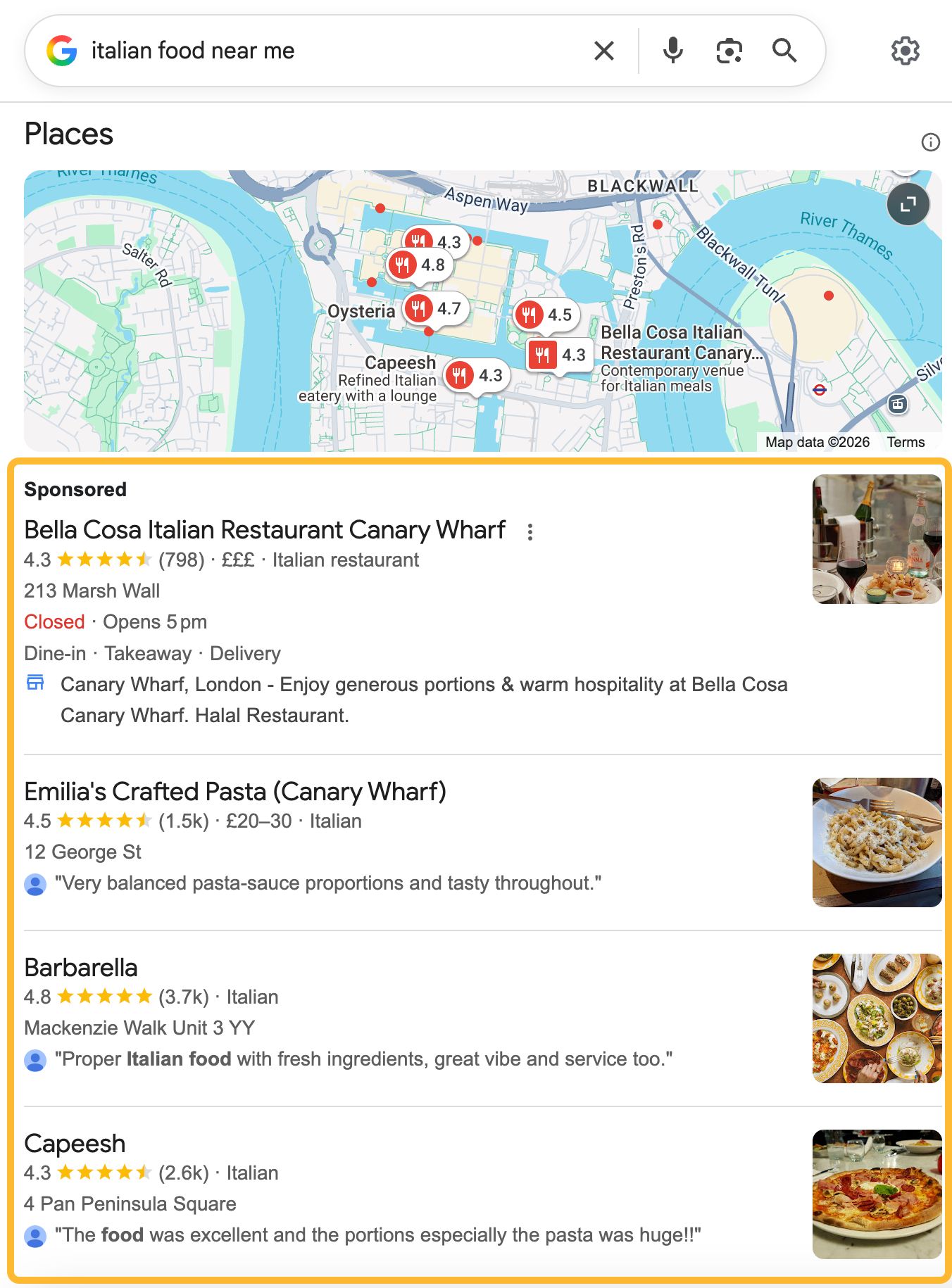
Google Maps SEO is the practice of optimizing business listings to achieve higher visibility in Google Maps search results and the coveted Local Pack – the prominent map box at the top of Google Search results. When users search for terms like "coffee shop" or "dentist near me," Google displays local results influenced by three primary factors: relevance, distance, and prominence. A higher ranking translates directly into increased visibility, driving more foot traffic, phone calls, and ultimately, revenue.
Pro Tip: Monitor Your GBP with Ahrefs’ GBP Monitor
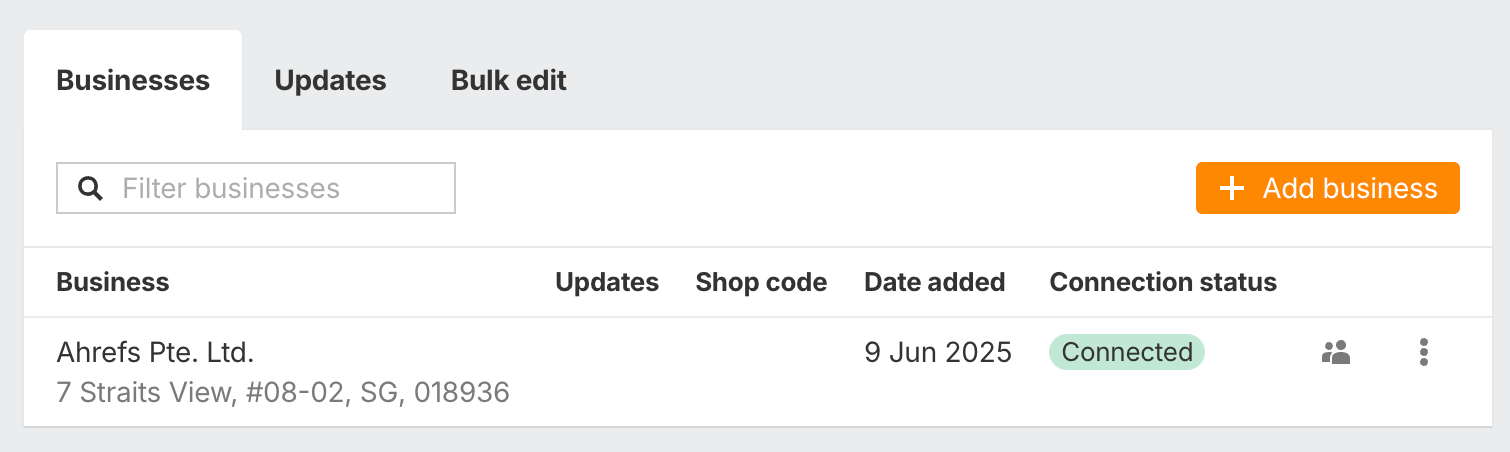
Google permits anyone to suggest edits to business profiles, a vulnerability that competitors can exploit by providing incorrect information or altering business hours. To proactively manage your listing, Ahrefs’ GBP Monitor offers a solution. This tool allows users to track changes to their profile, receive alerts for edits, and identify if their listing has been tampered with.
Why Google Maps Rankings Matter
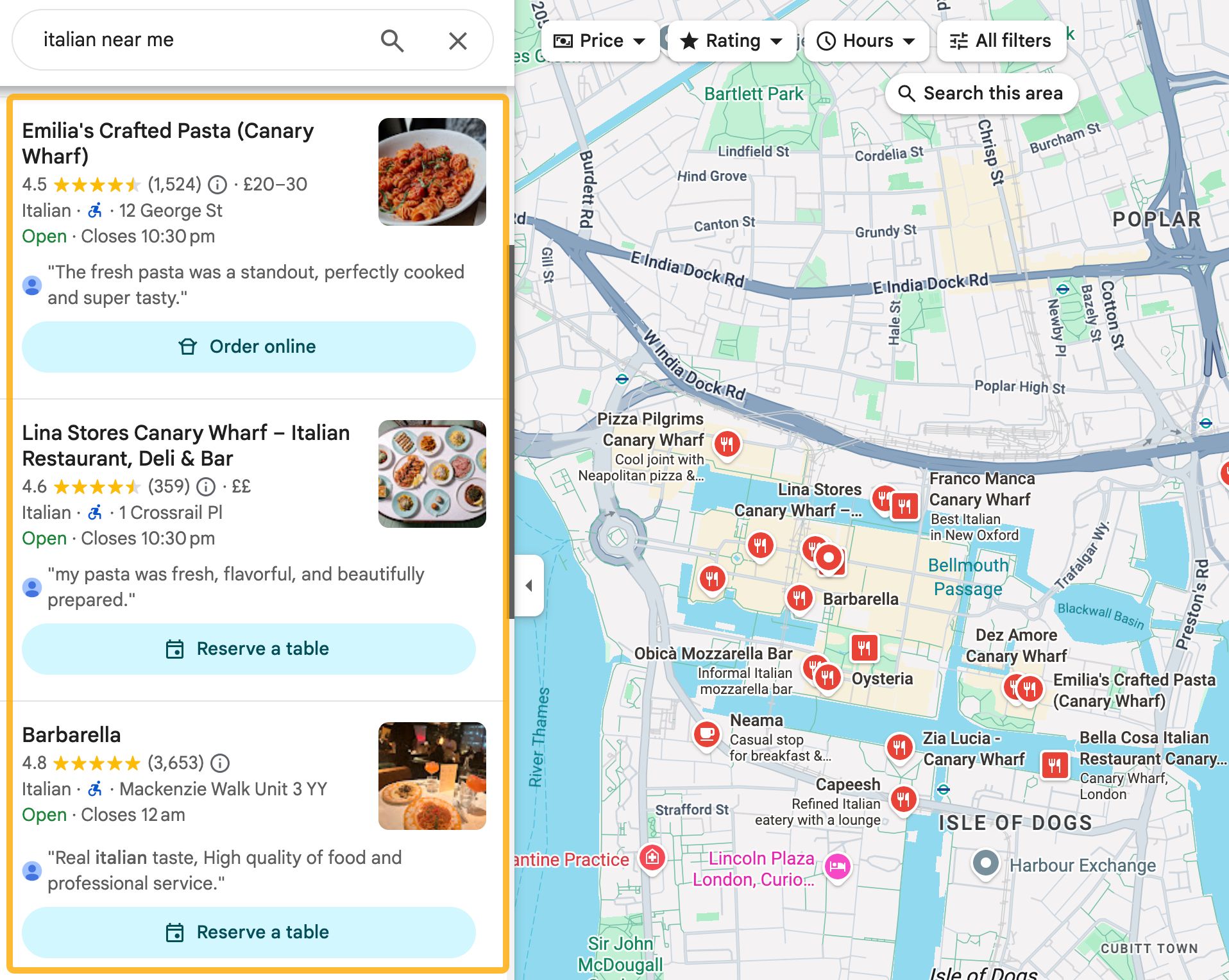
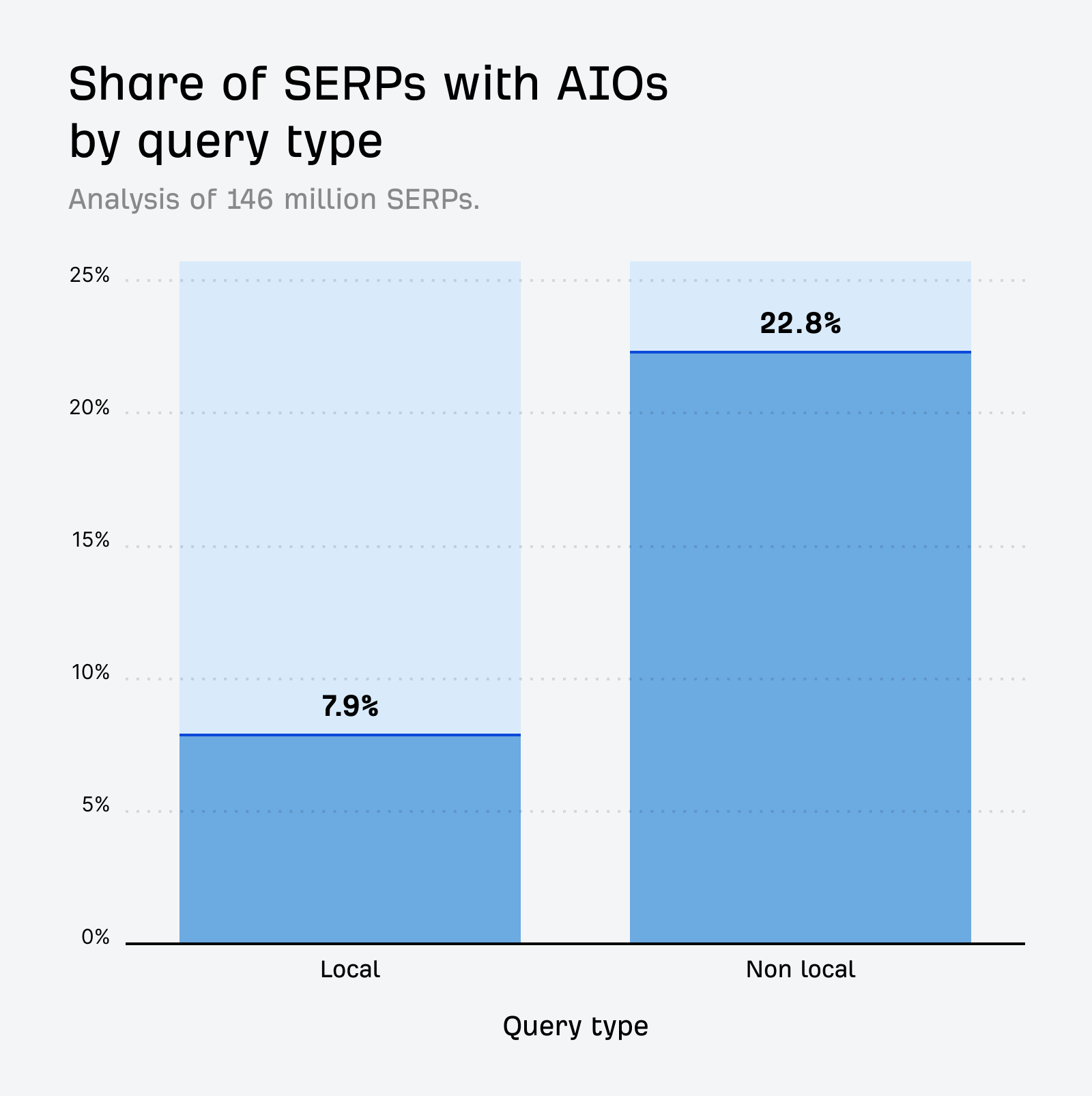
An overwhelming majority of consumers, nearly 90%, utilize Google Maps for their searches, with 46% of all Google searches demonstrating local intent. Failing to appear in the Local Pack renders a business invisible to a significant portion of potential clientele. Furthermore, local search currently remains relatively insulated from Google’s AI Overviews, with only 7.9% of local searches triggering these AI summaries, according to Ahrefs’ research. This presents a crucial opportunity for businesses to capture visibility.
1. Perfect Your Google Business Profile Setup
The Google Business Profile (GBP) is the cornerstone of a business’s Google Maps presence, and its optimizations directly influence Google’s assessment of relevance for local searches.
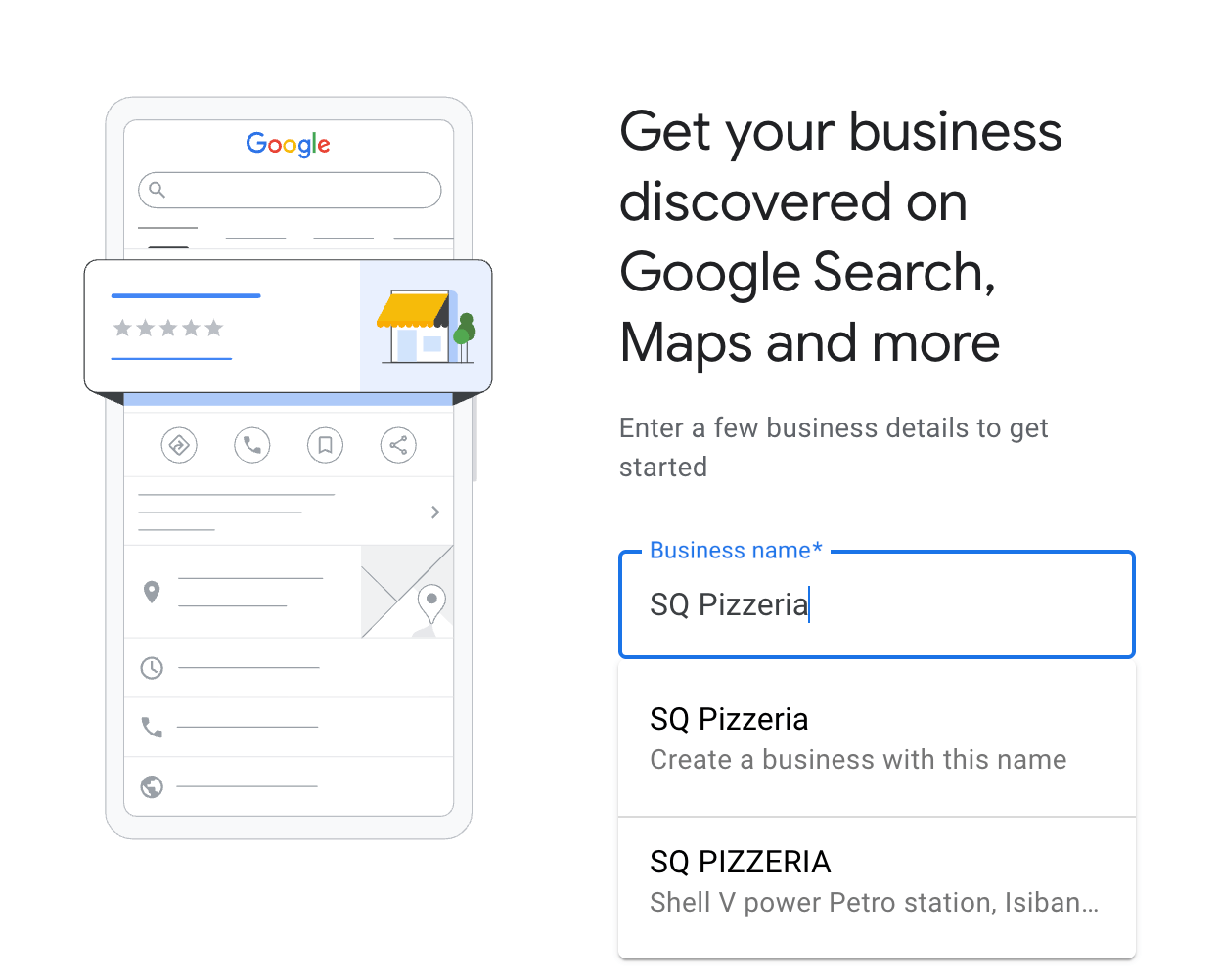
Claim and Verify Your Listing: This foundational step is critical. An unclaimed listing leaves businesses vulnerable to unauthorized edits, potentially leading to inaccurate hours, phone numbers, or service information. Claiming a listing typically involves a verification process, often via postcard, which can take 5-14 days. Once verified, full control is granted for optimization.
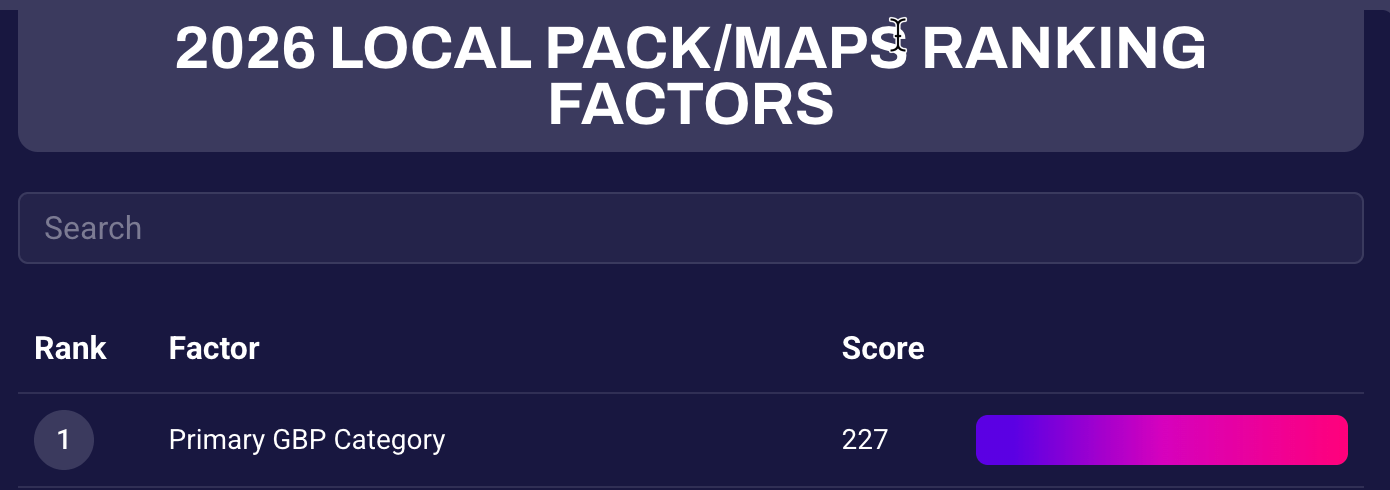
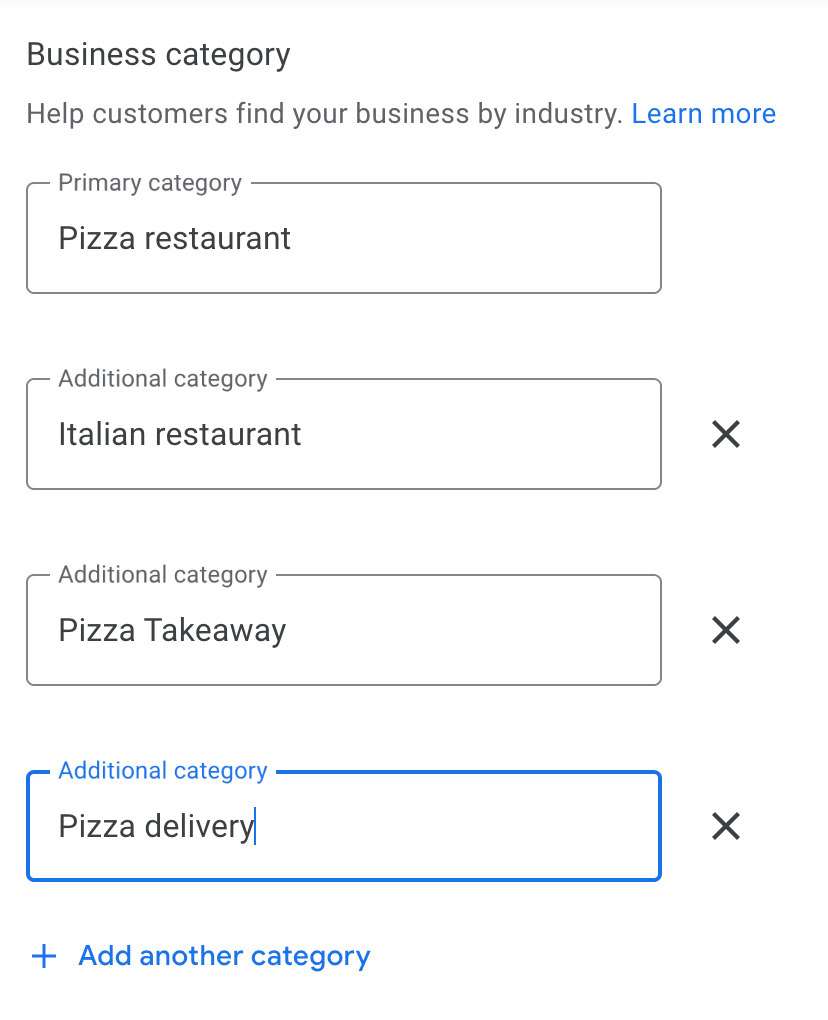
Choose the Most Specific Category: According to Whitespark’s 2023 data, the primary category is the most significant ranking factor for Google Maps. Selecting an accurate primary category ensures the business is matched with relevant searches. For example, a pizzeria should select "Pizzeria" as its primary category rather than a broader term like "Restaurant." Avoid using unrelated categories to game the system, as Google penalizes category confusion.
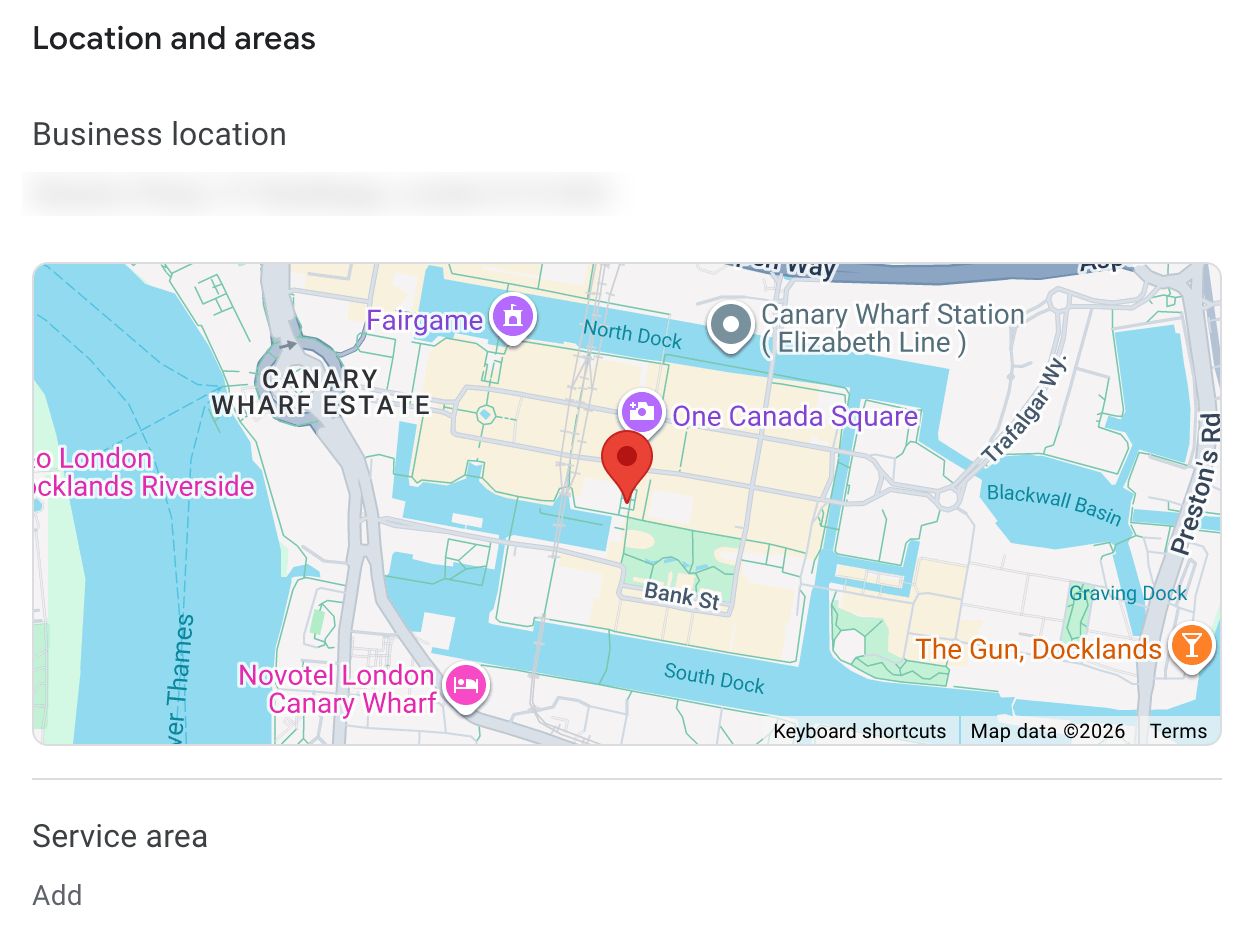
Set Your Physical Address: Even for service area businesses (SABs) that serve customers at their location, it’s crucial not to hide the physical address. Google’s algorithm favors businesses that display a physical address within the searched city. A plumber with a London office will outrank one that obscures their location for "plumber London" searches. Manually adjust the pin location in the dashboard if it’s slightly off.
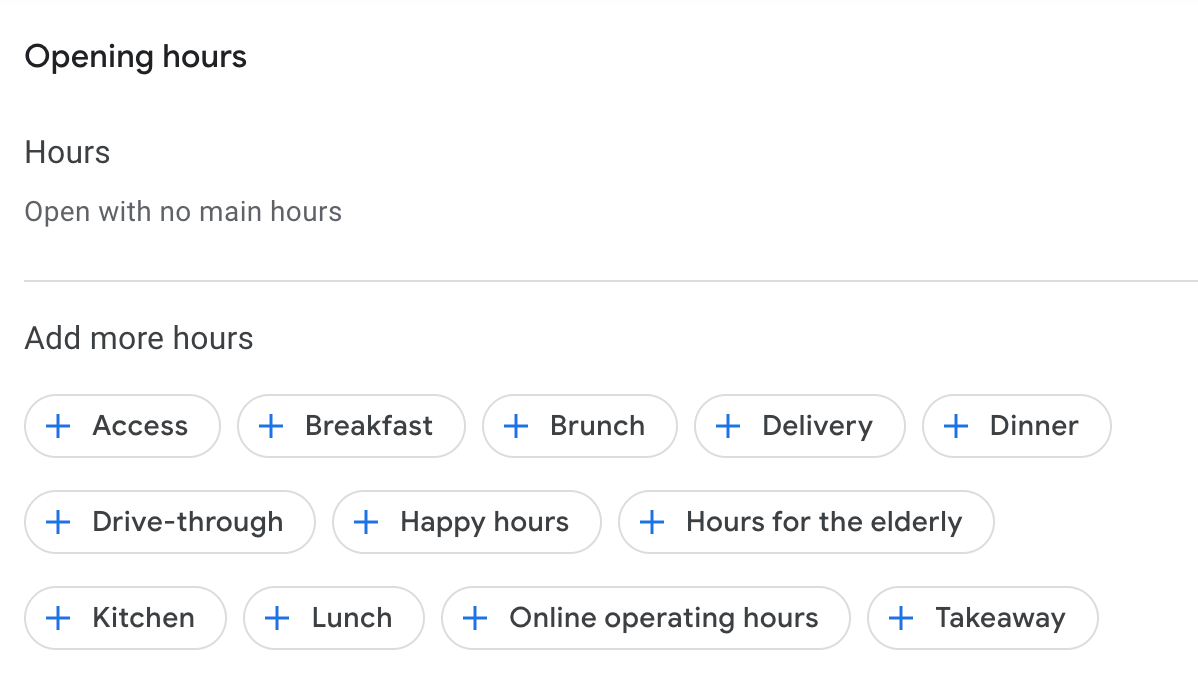
Ensure Accurate Hours (Especially Peak Times): Google prioritizes businesses that are open at the time of a search. Incorrect or missing hours can lead to lower rankings. It’s vital to keep hours updated, including special holiday hours, and to avoid vague labels like "hours might differ," which indicate inconsistencies across various data sources.
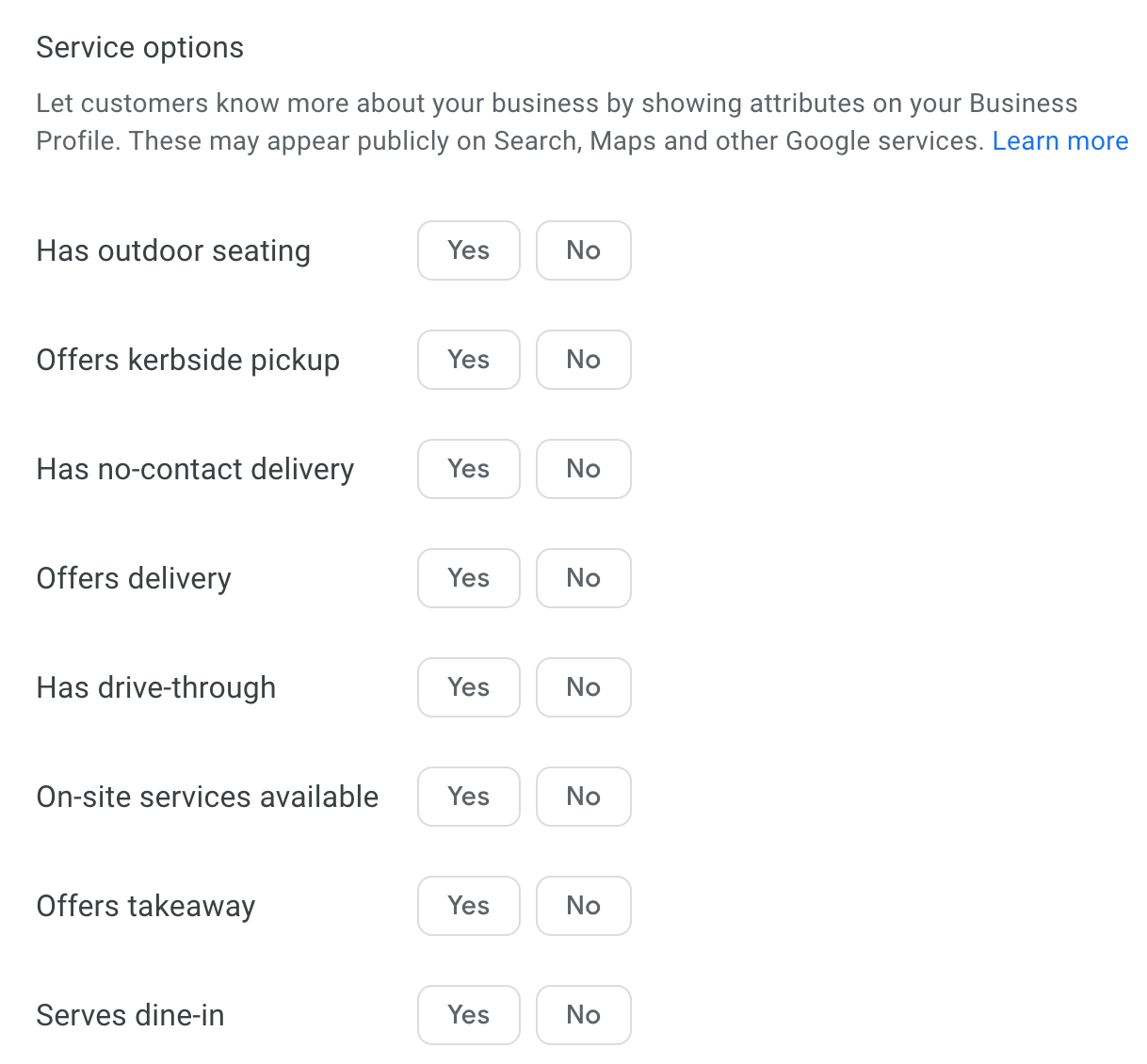
Complete Every Field: An incomplete profile signals a lack of active management to Google. This includes filling out all sections such as services, attributes, business description, and photos. Comprehensive information allows Google to better match the business to relevant searches.
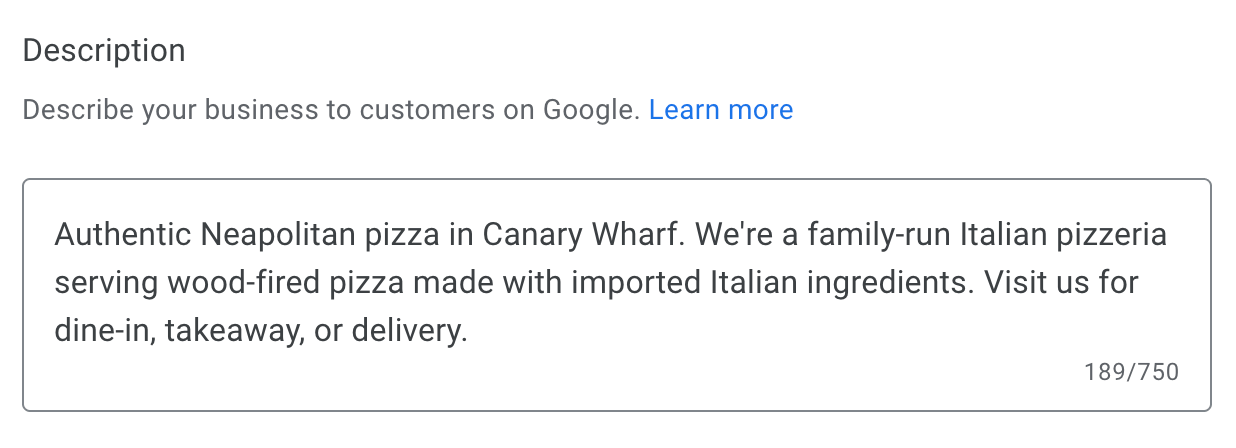
Write a Keyword-Rich Business Description: The business description should be compelling, accurate, and naturally incorporate relevant keywords. For a pizzeria, this might include terms like "authentic Neapolitan pizza," "wood-fired pizza," and "takeaway or delivery." Avoid keyword stuffing in the business name, as this violates Google’s guidelines and can lead to suspension.
Add Services: Utilize the predefined service lists available for most categories. For a pizzeria, this could include "dine-in," "takeaway," "delivery," "catering," and specific pizza types.
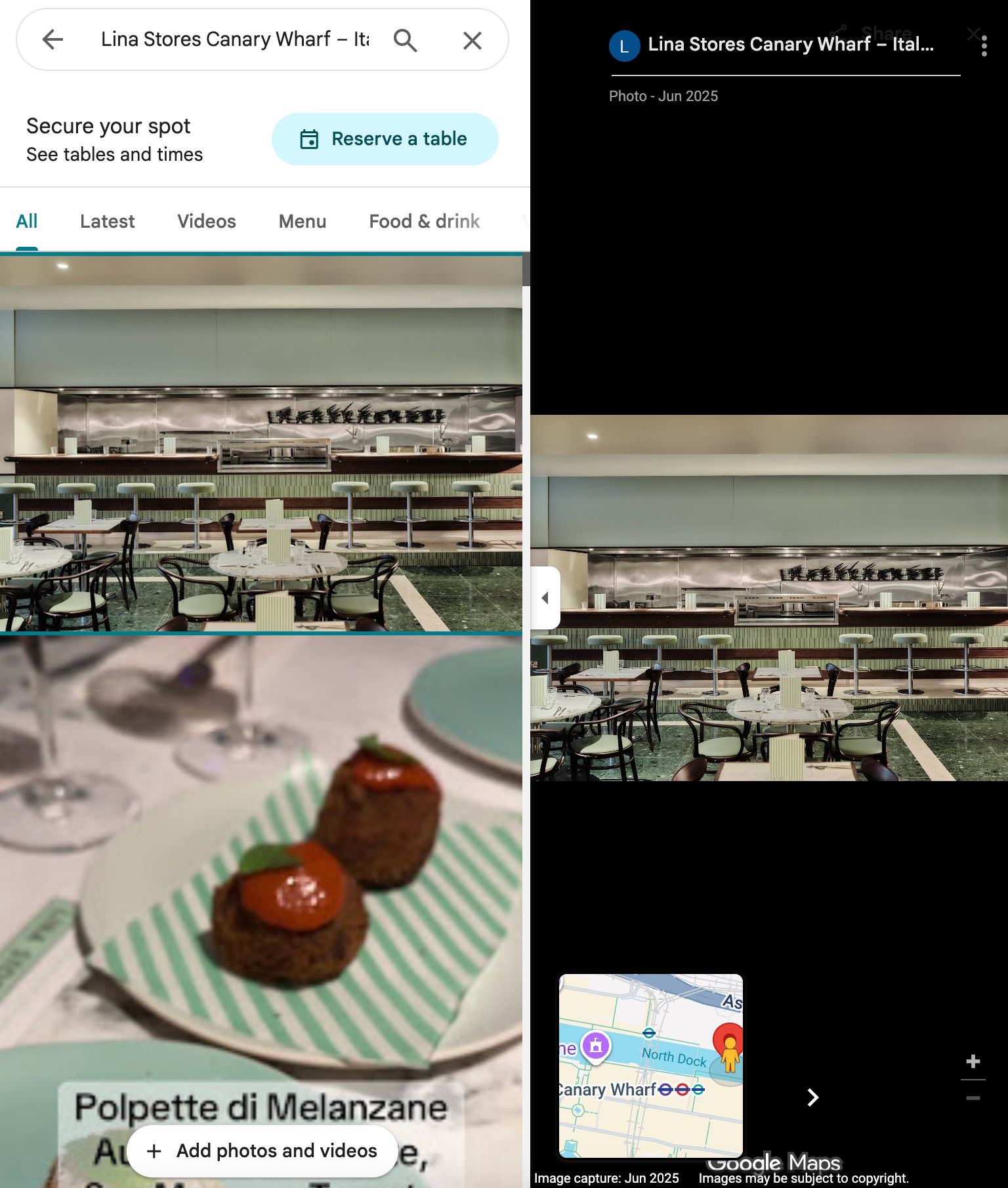
Upload High-Quality Photos: Photos enhance listing appeal and serve as ranking signals. Google analyzes images to understand business offerings. Uploading a diverse range of photos, including exterior, interior, team, and product shots, is recommended. Encouraging customers to upload their own photos through QR codes on menus or bills can further boost engagement.
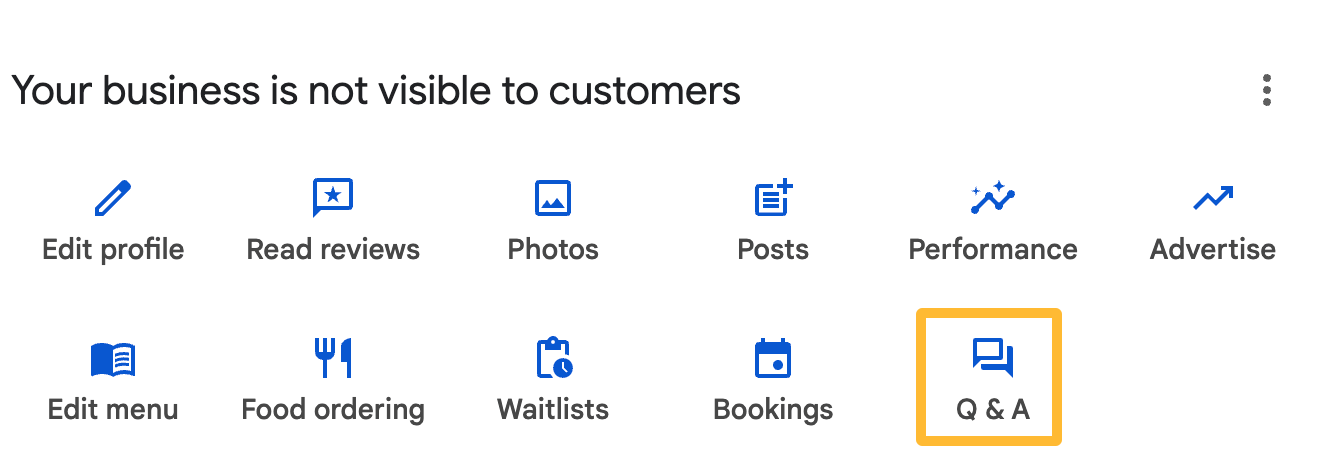
Control Your Q&A Section: Proactively seed the Q&A section with frequently asked questions and provide thorough answers. This helps Google understand the business’s offerings and can even appear in search results. For a pizzeria, common questions might relate to ingredients, dietary options, or reservation policies.
2. Build Trust Through Reviews
Google views reviews as a significant trust signal. Businesses with a consistent stream of recent, positive reviews tend to rank higher and achieve better conversion rates.
Generate Reviews Consistently: Focus on generating reviews regularly rather than in sporadic bursts. Key aspects include review quantity, review sentiment, and review recency. Strategies for acquiring reviews include asking satisfied customers directly, providing QR codes or links on receipts, and utilizing review management software. Offering incentives, such as free desserts or discounts, can also encourage customers to leave reviews, as observed in various international dining establishments.
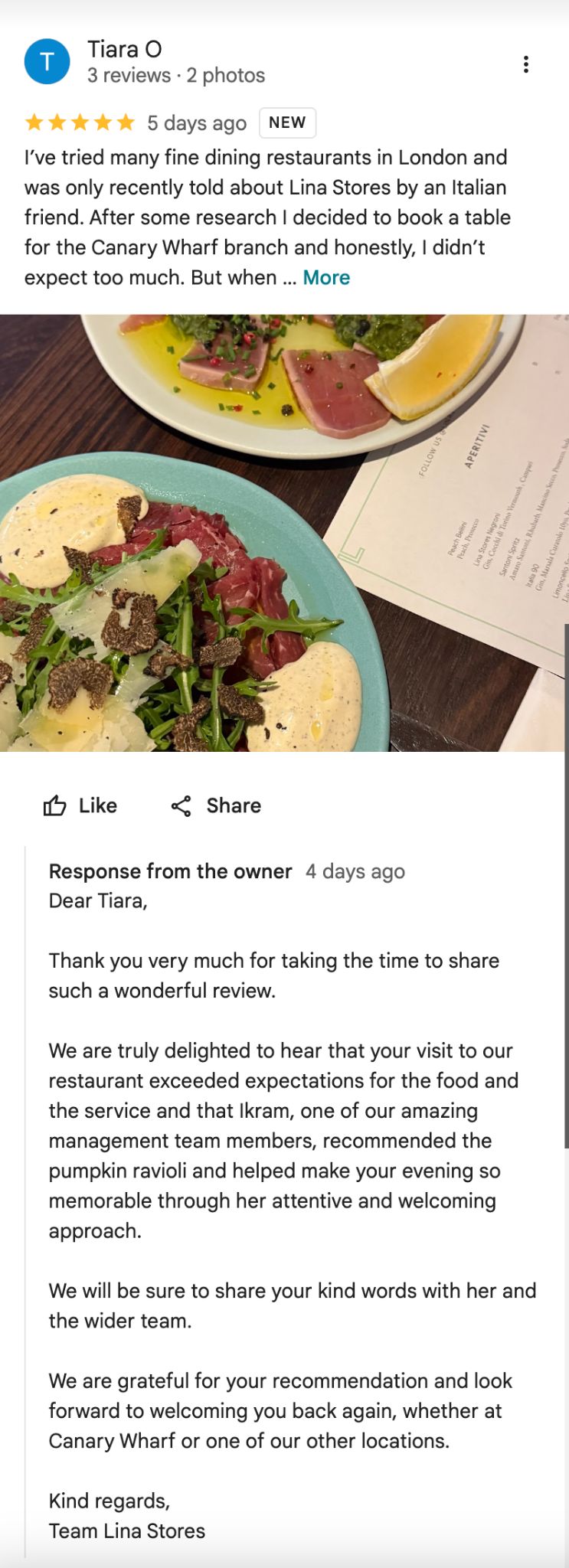
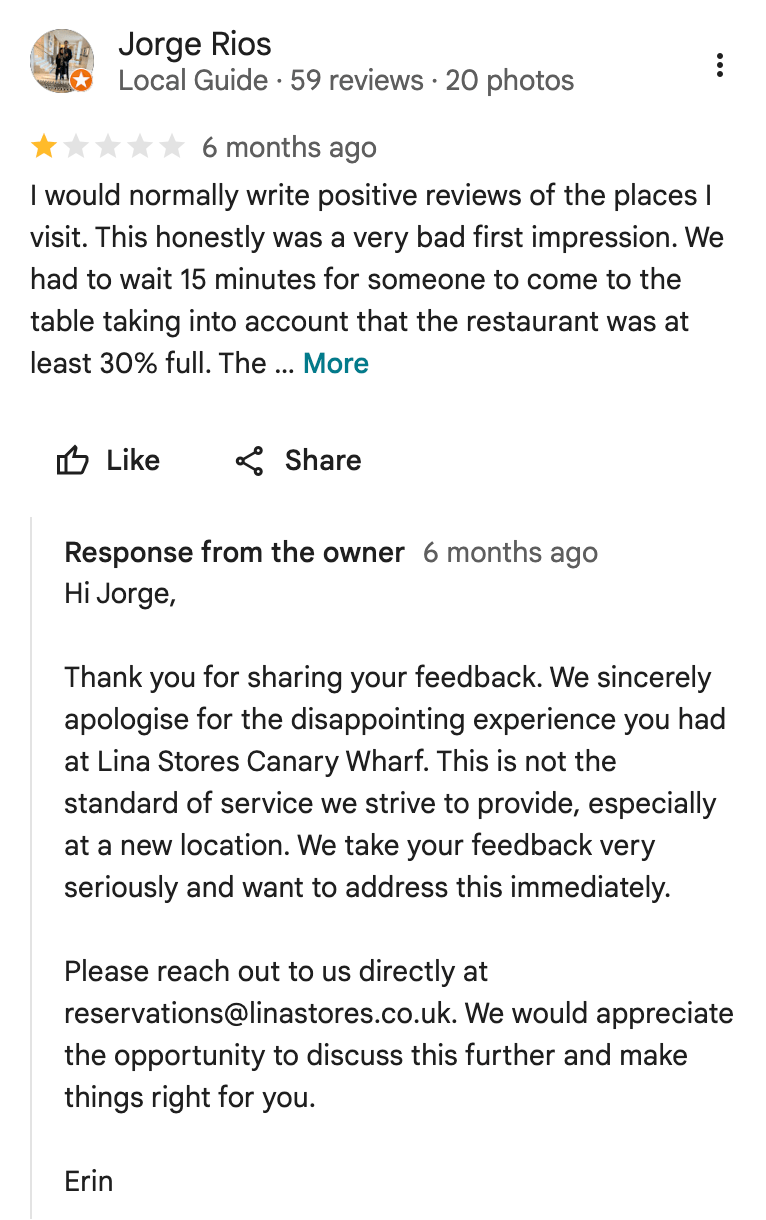
Respond to Every Review: Personal and timely responses to both positive and negative reviews are crucial. Aim to reply within 24-48 hours, avoiding generic templates. For negative reviews, a constructive and empathetic response that offers a solution or invites further discussion offline can mitigate damage and demonstrate a commitment to customer satisfaction.
3. Optimize Your Website for Local Search
A well-optimized website reinforces the GBP and enhances local search rankings.
Optimize for Local Keywords: Ensure landing pages incorporate local keywords naturally within titles, headings, and body content.
Create Dedicated Service Pages: Develop individual pages for each major service offered. Each page should include relevant keywords, detailed descriptions, and local calls to action.
Add LocalBusiness Schema Markup: Implementing LocalBusiness schema markup on the homepage helps Google understand business details like name, address, phone number, hours, and geographic area. Utilize Google’s Structured Data Markup Helper and validate with the Rich Results Test.
Embed a Google Map: Embedding a Google Map showing the business location on the website signals to Google the accuracy of the provided address.
4. Strengthen Your Off-Site Presence

Prominence across the wider web, including citations, backlinks, and media mentions, establishes a business as established and trustworthy in Google’s eyes.
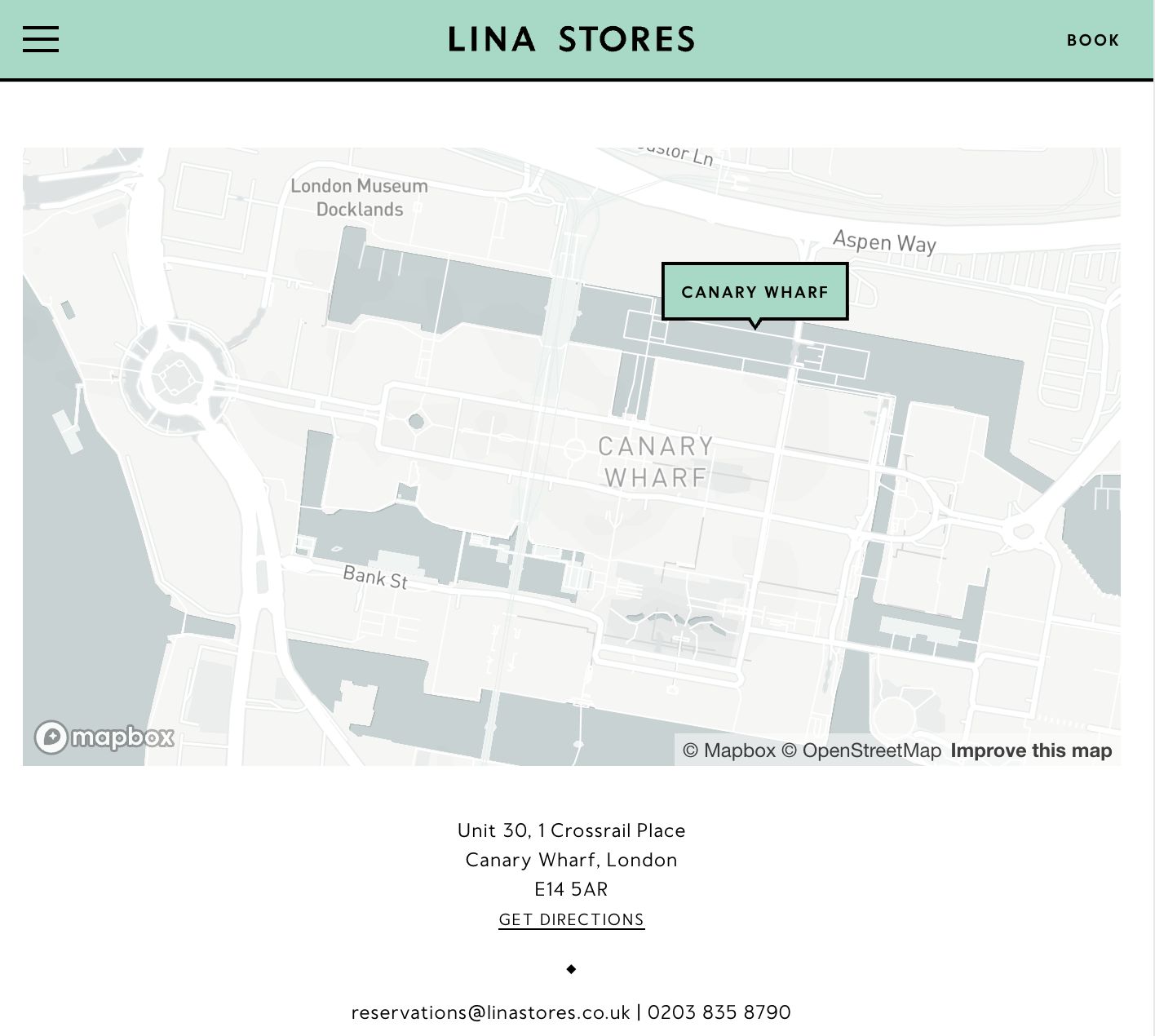
Build Local Citations with Consistent NAP: Citations are mentions of a business’s Name, Address, and Phone number (NAP) on other websites. Ensuring NAP consistency across all platforms, including directories, local news sites, and industry-specific listings, is paramount. Inconsistencies can harm rankings. Citations are also increasingly important for AI visibility, with the quality and authority of unstructured citations being a key ranking factor.
Build Local Backlinks: Backlinks from local websites signal local prominence. Strategies include sponsoring local events, partnering with complementary local businesses, and engaging with local community organizations. The "Tabloid Technique," which involves creating unique, data-driven content that local news outlets would find newsworthy, can also generate significant local backlinks.
Get Featured on "Best Of" Lists: Appearing on curated lists like "best pizza in London" or "top restaurants in Canary Wharf" enhances brand visibility. This can be achieved by identifying relevant lists, analyzing competitor backlink profiles to find un-tapped opportunities, and reaching out to list creators to be included.
5. Maintain and Monitor Your Rankings
Local SEO is an ongoing process requiring consistent effort.
Conclusion
Achieving high rankings on Google Maps is not a static achievement but an evolving practice. Businesses that consistently dominate local search are those that actively manage their profiles, consistently generate positive reviews, optimize their websites, build a robust off-site presence, and diligently monitor their performance. While the initial setup may require 10-15 hours, ongoing management demands only 3-5 hours per week, yielding significant returns. Ultimately, excellent local SEO is synonymous with excellent marketing: building a strong business and serving customers well will naturally lead to improved search rankings.